Supplementation of Maize- and Cowpea Seed-Based Artificial Diets with Diverse Pollen Sources Affects the Demographic Features of Leucania loreyi (Duponchel, 1827) (Lepidoptera: Noctuidae)
Maryam Jafari, Seyed Ali Hemmati, Lukasz L. Stelinski

TL;DR
Adding maize pollen to artificial diets improves the growth and reproduction of Leucania loreyi, a major agricultural pest, making it easier to rear for pest management.
Contribution
This study identifies maize pollen as the optimal supplement for rearing Leucania loreyi on artificial diets, enhancing demographic traits and population growth.
Findings
Maize seed-based diets supplemented with maize pollen (D3) resulted in the shortest developmental times and highest reproductive output.
Saffron pollen supplementation (D5 and D12) led to the longest developmental times and lowest fecundity.
Cluster analysis confirmed D3 as the most nutritionally favorable diet for large-scale rearing of L. loreyi.
Abstract
The maize caterpillar, Leucania loreyi (Duponchel, 1827) (Lepidoptera: Noctuidae) has emerged as a major global agricultural pest. Optimization of its rearing would facilitate its application in management strategies. In this study, we supplemented maize- or cowpea seed-based artificial diets with pollen from six different sources—rapeseed, date palm, maize, common hollyhock, saffron, and honey bee—to examine how these dietary combinations affect insect development and population growth. Supplementation of cowpea seed-based diets—and, more notably, maize seed-based diets—with maize pollen yielded the most favorable demographic outcomes for L. loreyi, including shortened developmental durations and enhanced reproductive and life table parameters, confirming maize pollen as the most suitable dietary supplement for rearing this insect. Inclusion of saffron pollen in maize- and…
Genes, proteins, chemicals, diseases, species, mutations and cell lines named across the full text — each resolved to its canonical identifier and authoritative record.
Click any figure to enlarge with its caption.
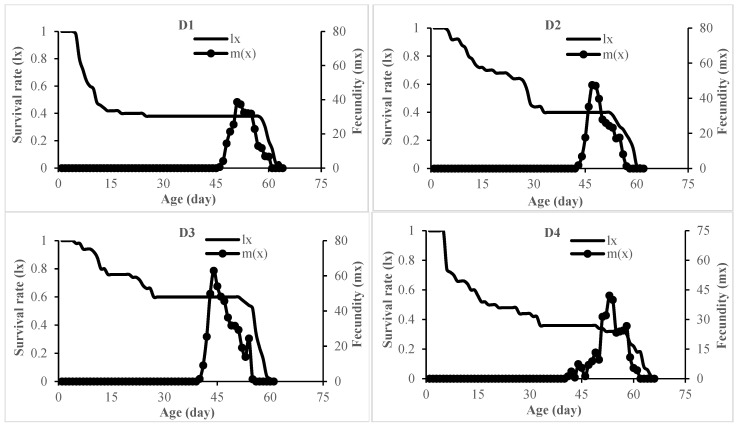 Figure 1
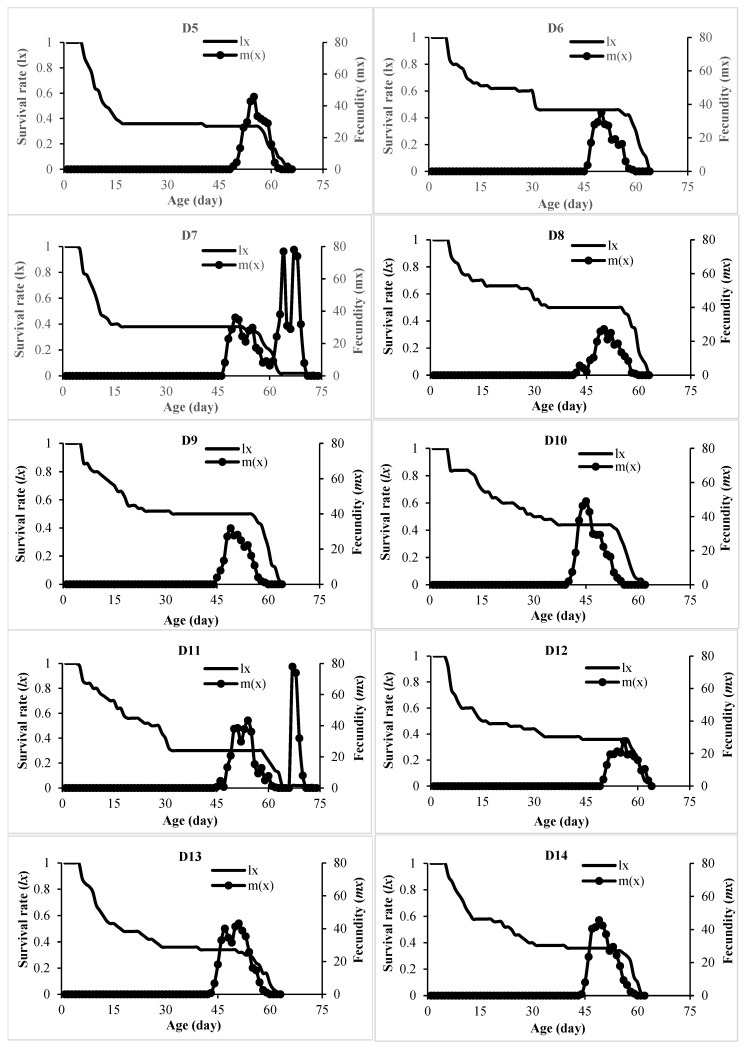 Figure 2
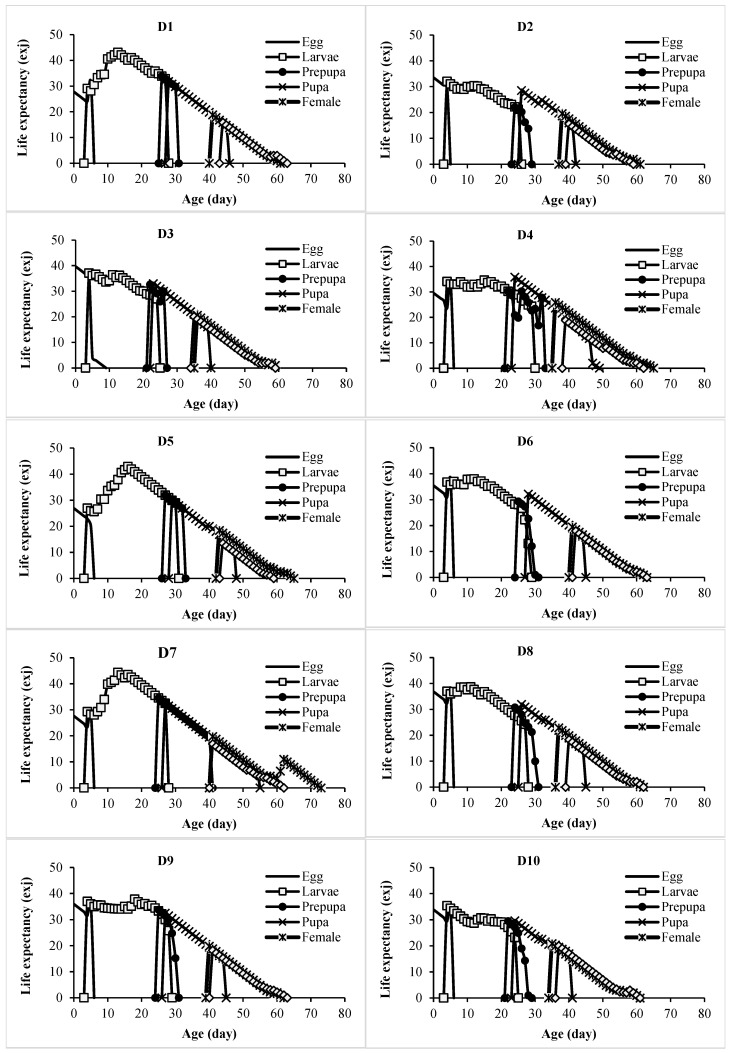 Figure 3
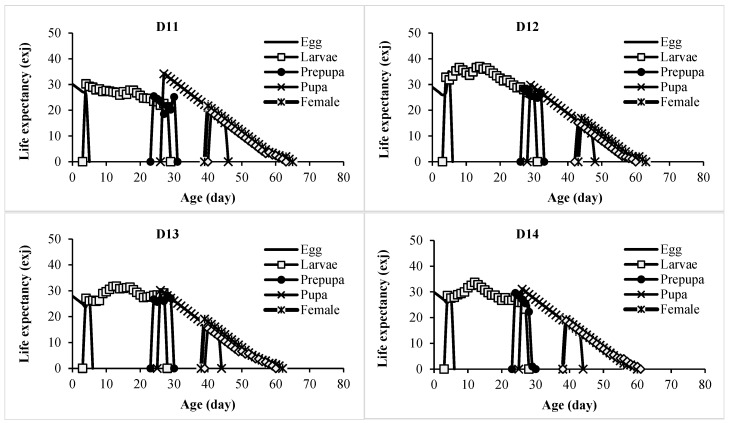 Figure 4
 Figure 5
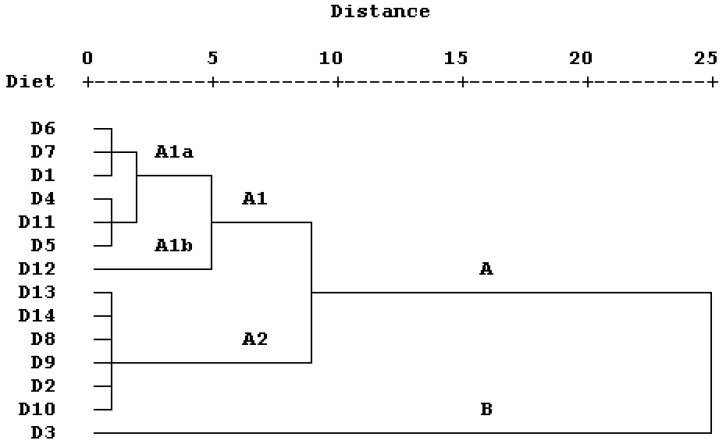 Figure 6
Peer Reviews
No public reviews on file for this paper yet. If you reviewed it on a platform where reviews are public (OpenReview, ICLR, NeurIPS, ICML), you can paste yours below so the community can read it here.
Videos
No videos yet. Explain this paper in a talk, walkthrough, or lecture? Add one.
Taxonomy
TopicsInsect-Plant Interactions and Control · Plant and animal studies · Insect Pheromone Research and Control