Mechanisms Responsible for Larval Diapause in Anastatus japonicus Ashmead, Shown by Integrated Transcriptomic and Proteomic Analyses
Junjian Xiao, Yi Guo, Zixin Liu, Xiaoxia Xu, Baoxin Zhang, Dunsong Li, Can Zhao

TL;DR
This study explores the molecular mechanisms behind larval diapause in the parasitic wasp Anastatus japonicus using transcriptomic and proteomic data.
Contribution
The study identifies five candidate gene–protein pairs involved in diapause regulation in A. japonicus.
Findings
Integrated transcriptomic and proteomic analyses revealed 3399 differentially expressed genes and 3112 differentially expressed proteins in diapause versus non-diapause larvae.
Five gene–protein pairs, including farnesol dehydrogenase and cytochrome P450, showed consistent differential expression and may regulate diapause.
Juvenile hormone-related signaling appears to play a role in the physiological and biochemical changes during diapause.
Abstract
Diapause is a developmental arrest induced by unfavorable environmental conditions and involves coordinated physiological and biochemical adjustments, governed by multiple interacting regulatory pathways. In parasitoid wasps, which serve as important natural enemies of agricultural pests, diapause functions as an adaptive strategy to extend the storage period of biological control products. However, despite its applied relevance, the molecular mechanisms controlling larval diapause in Anastatus japonicus remain poorly understood. In the present study, integrated transcriptomic and proteomic analyses were performed to compare diapausal and non-diapausal mature larvae. Five candidate genes were identified as potential regulators of the diapause process. The results offer insight into the molecular foundation of diapause in A. japonicus. Diapause enables insect survival in unfavorable…
Genes, proteins, chemicals, diseases, species, mutations and cell lines named across the full text — each resolved to its canonical identifier and authoritative record.
Click any figure to enlarge with its caption.
 Figure 1
 Figure 2
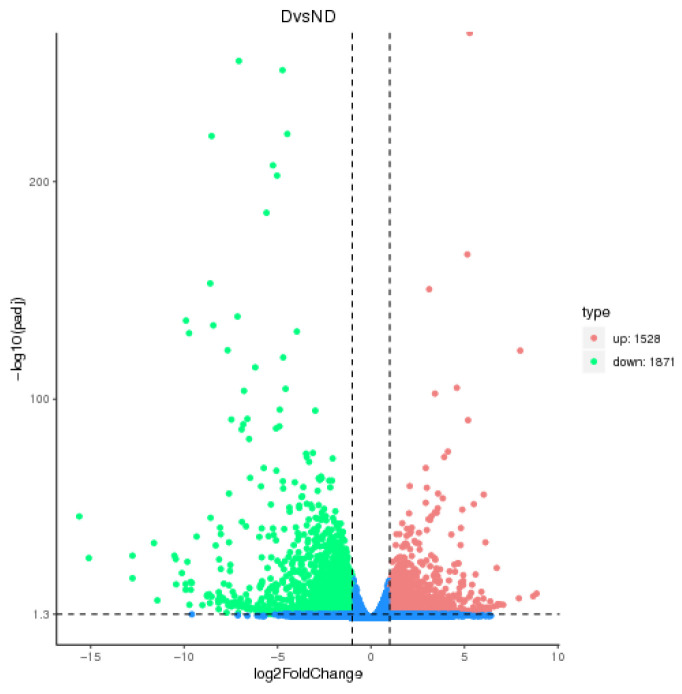 Figure 3
 Figure 4
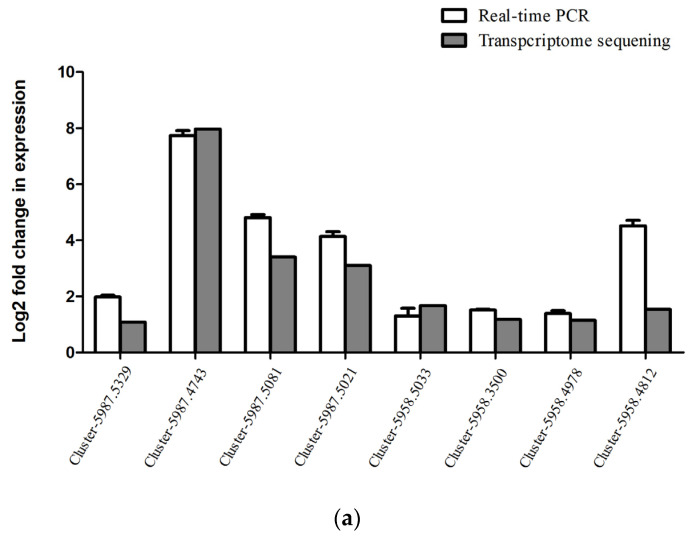 Figure 5
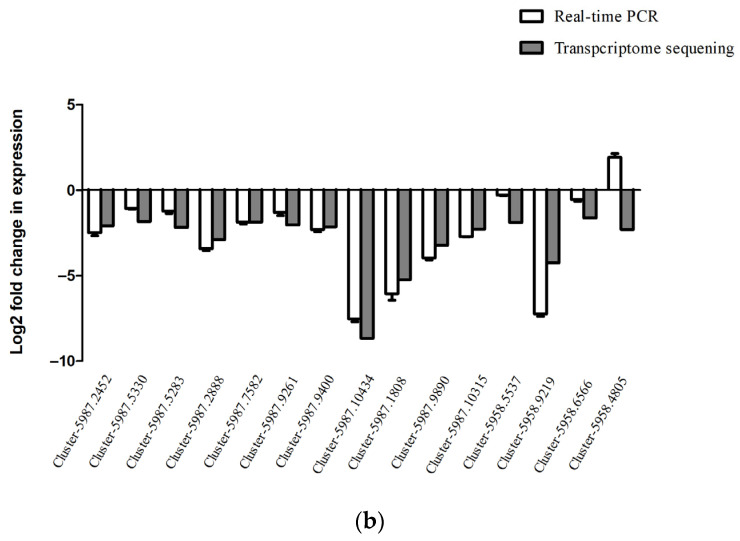 Figure 6
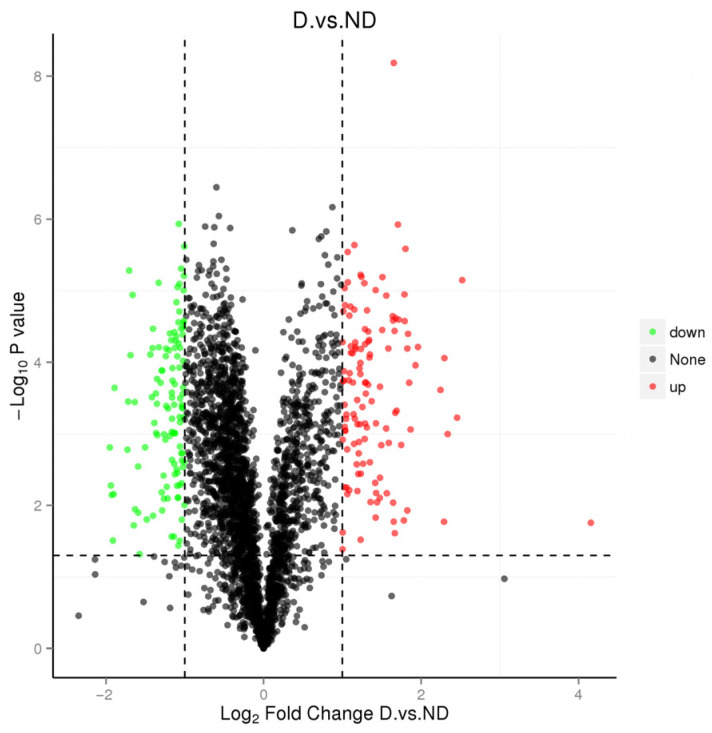 Figure 7
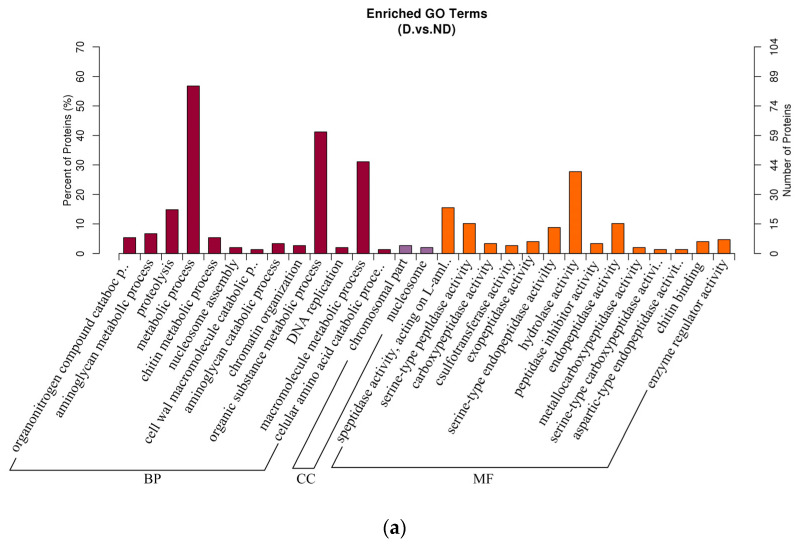 Figure 8
 Figure 9
 Figure 10
 Figure 11
 Figure 12
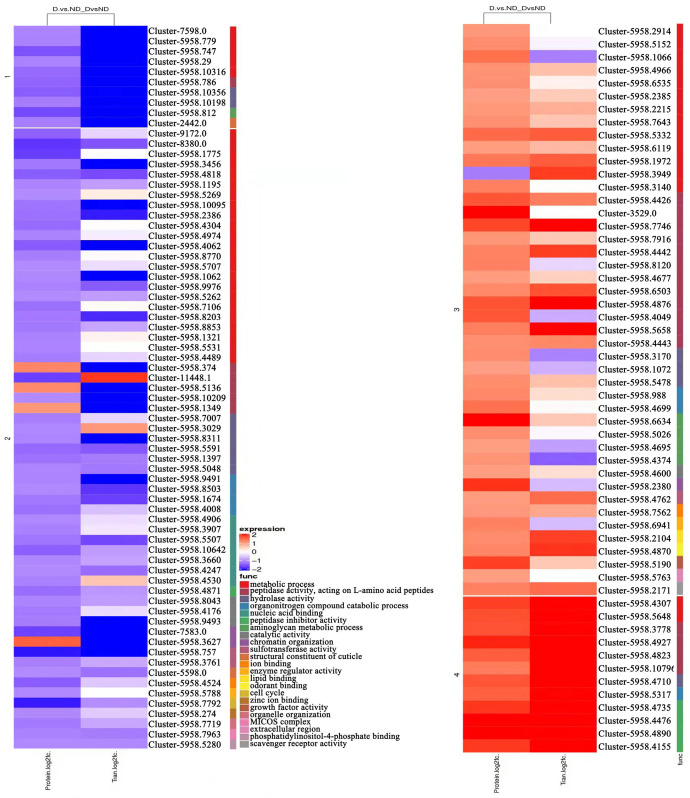 Figure 13
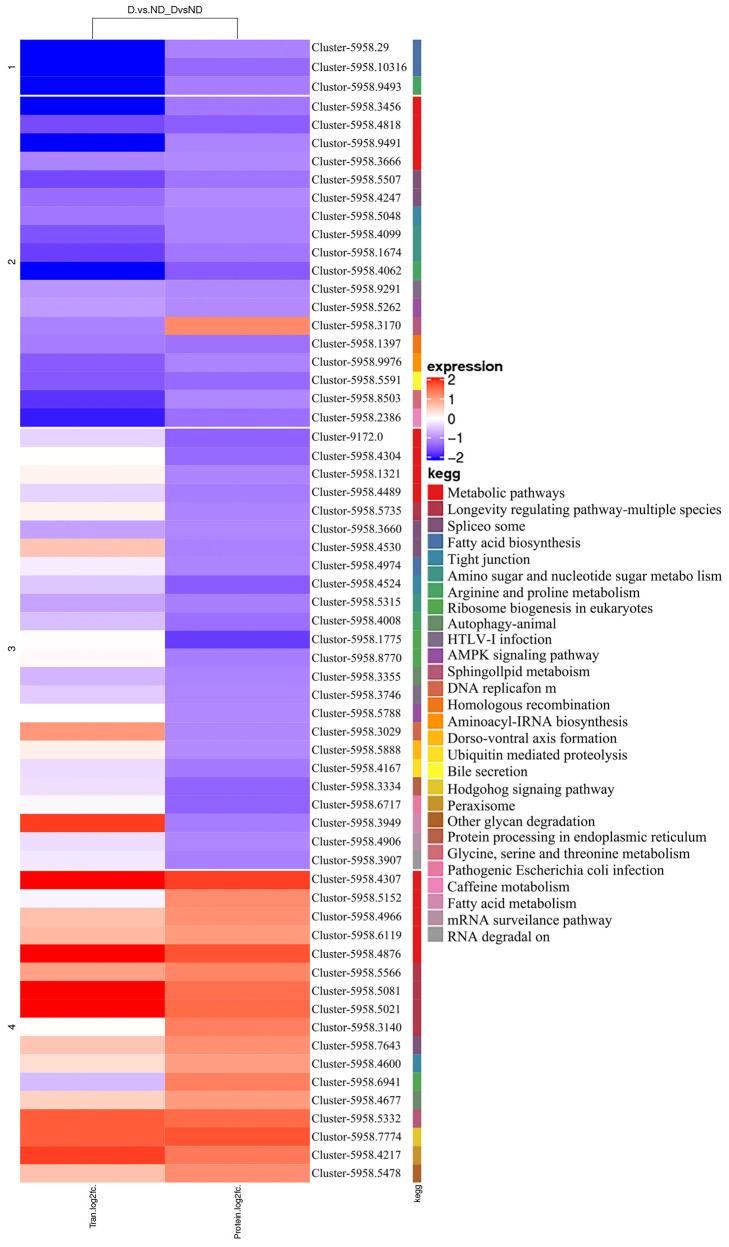 Figure 14
Peer Reviews
No public reviews on file for this paper yet. If you reviewed it on a platform where reviews are public (OpenReview, ICLR, NeurIPS, ICML), you can paste yours below so the community can read it here.
Videos
No videos yet. Explain this paper in a talk, walkthrough, or lecture? Add one.
Taxonomy
TopicsNeurobiology and Insect Physiology Research · Insect-Plant Interactions and Control · Physiological and biochemical adaptations