In Vitro and In Vivo Validation of Endothelium-Derived Potential Therapeutics for Myocardial Ischemia/Reperfusion Injury Identified by an AI-Enhanced Single-Cell and Virtual-Cell Paradigm
Qianlong Zhang, Yongsheng Liu, Zhichao Zhao, Yonggang Cao, Hongli Sun, Jianfa Wang, Rui Wu

TL;DR
This paper uses AI and single-cell analysis to identify a promising treatment for heart attack-related injury by targeting a key protein involved in inflammation.
Contribution
The study introduces a novel AI-enhanced paradigm combining single-cell data and virtual simulations to discover and validate a therapeutic compound for myocardial injury.
Findings
S100A8 is identified as a key driver of vascular inflammation in myocardial injury.
Andrographolide reduces endothelial injury and infarct size in both in vitro and in vivo models.
The compound stabilizes S100A8 and inhibits the IL-17 pathway, offering a new therapeutic approach.
Abstract
Myocardial ischemia/reperfusion (MI/R) injury affects heart attack outcomes. Endothelial cells dysfunction immediately after MI/R, but the key molecules and how to block them remain unclear. We combined single-cell atlas analysis, AI simulation, and experimental single-cell RNA sequencing data from mouse MI/R; we did quality control, cell annotation, hdWGCNA, and differential gene screening to identify endothelial genes. We constructed a protein network with STRING, predicted structure with AlphaFold3, and used AutoDock for molecular docking to find potential drugs. Virtual knockout simulations were used to check gene deletion effects. The compound andrographolide (AG) was tested in in vitro and in vivo MI/R models by measuring cell viability, inflammation, pathway activity, infarct size, and cardiac function. Single-cell analysis showed that S100 calcium binding protein A8 (S100A8) is…
Genes, proteins, chemicals, diseases, species, mutations and cell lines named across the full text — each resolved to its canonical identifier and authoritative record.
Click any figure to enlarge with its caption.
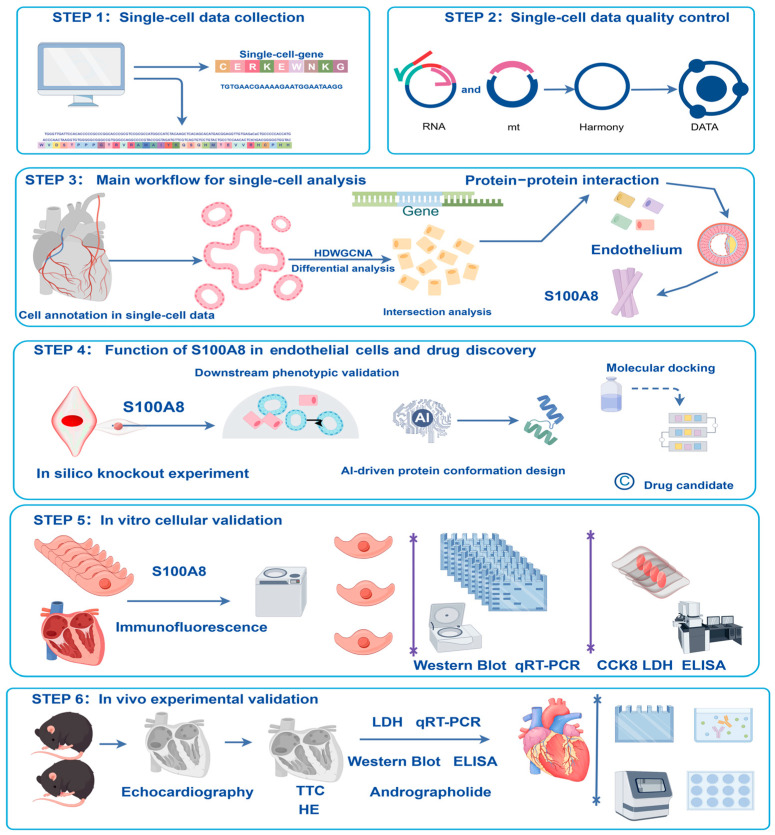 Figure 1
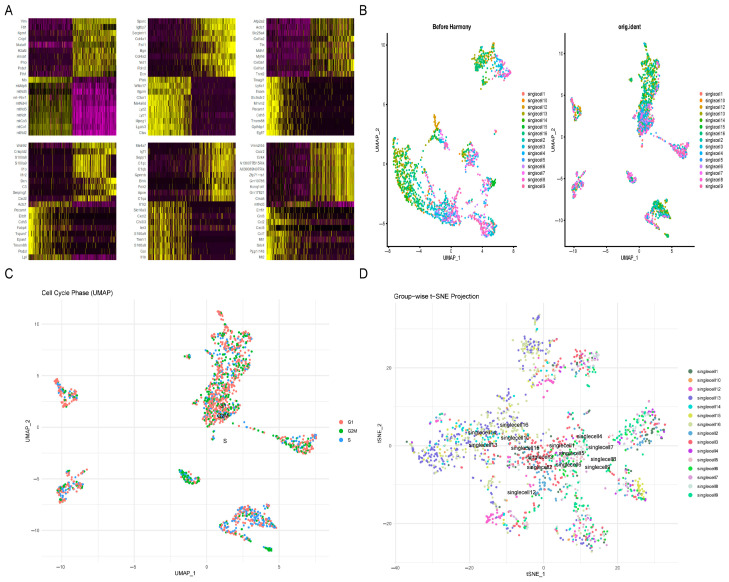 Figure 2
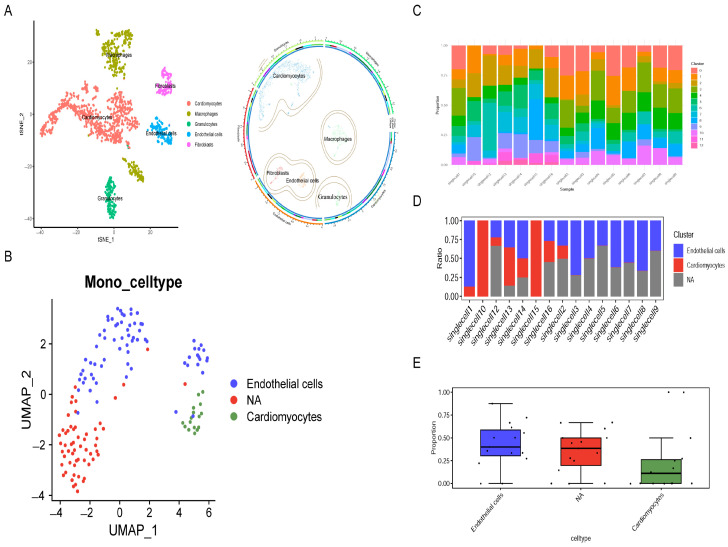 Figure 3
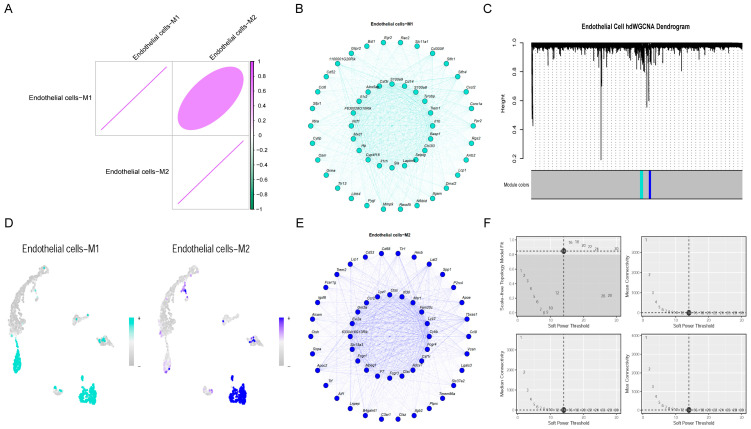 Figure 4
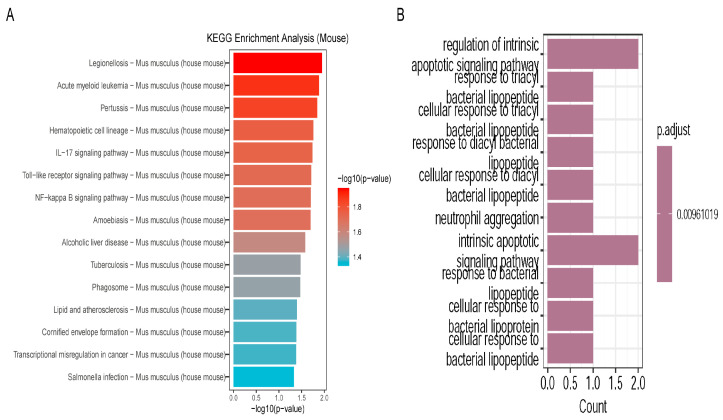 Figure 5
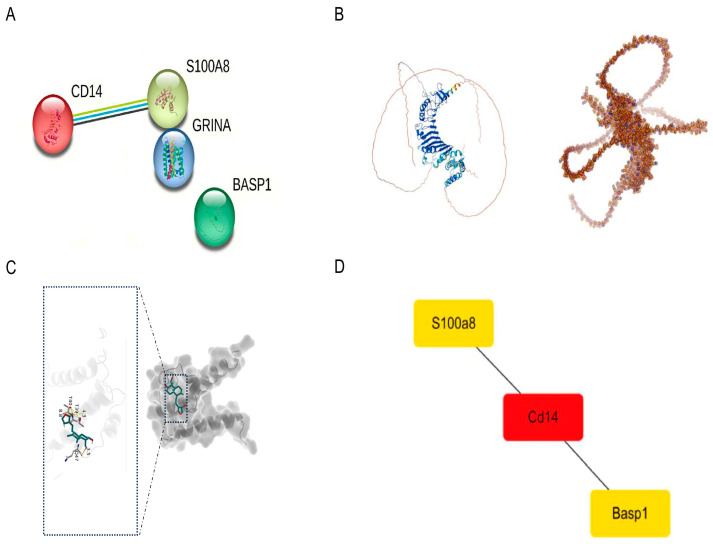 Figure 6
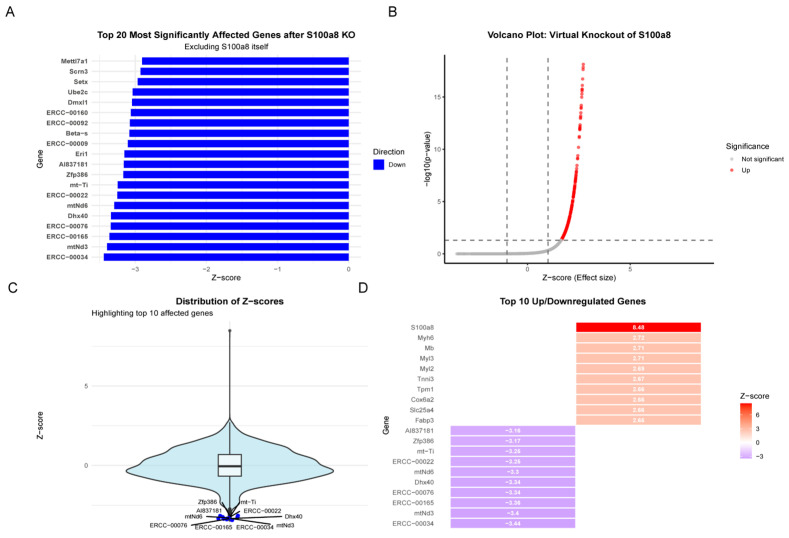 Figure 7
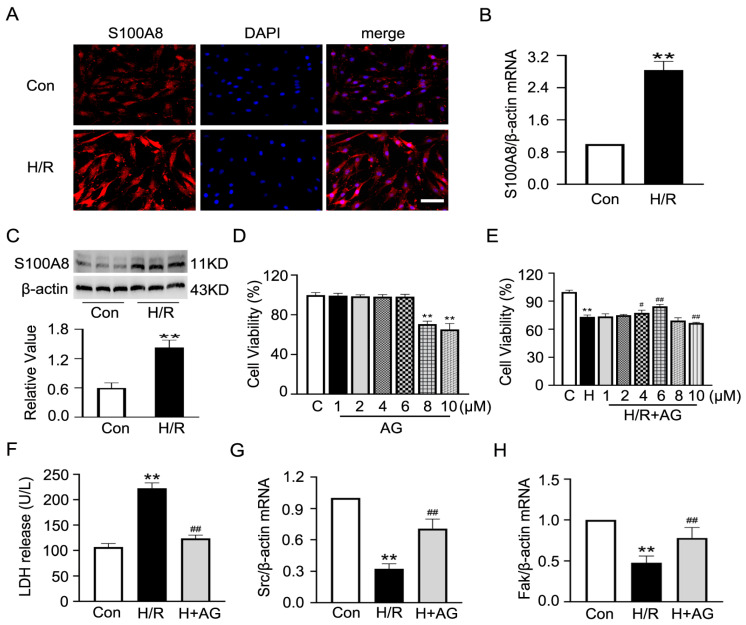 Figure 8
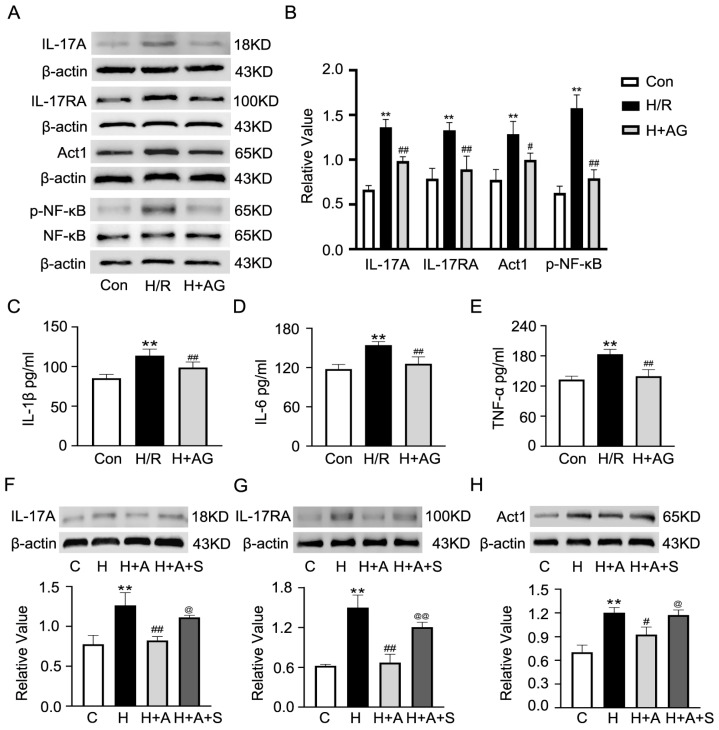 Figure 9
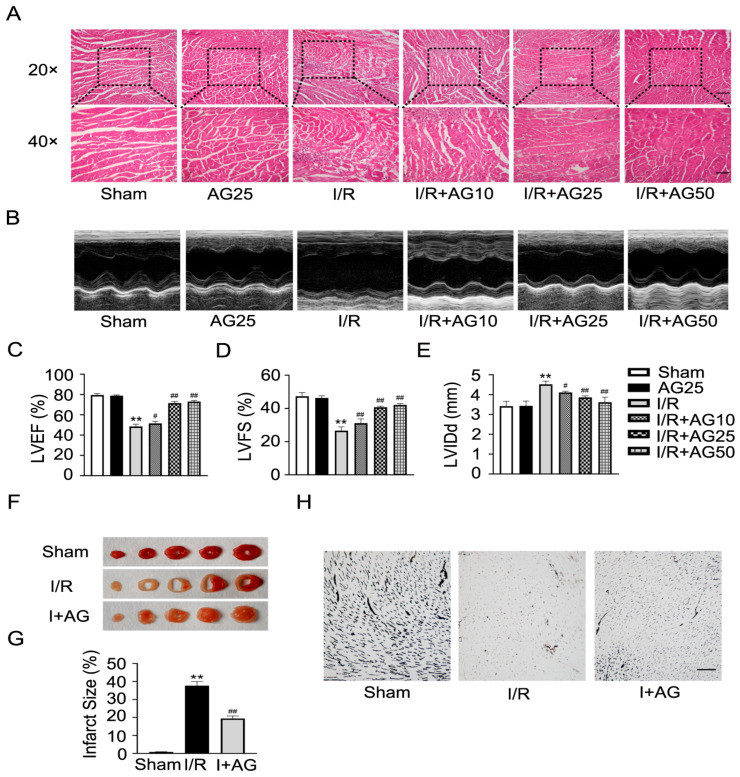 Figure 10
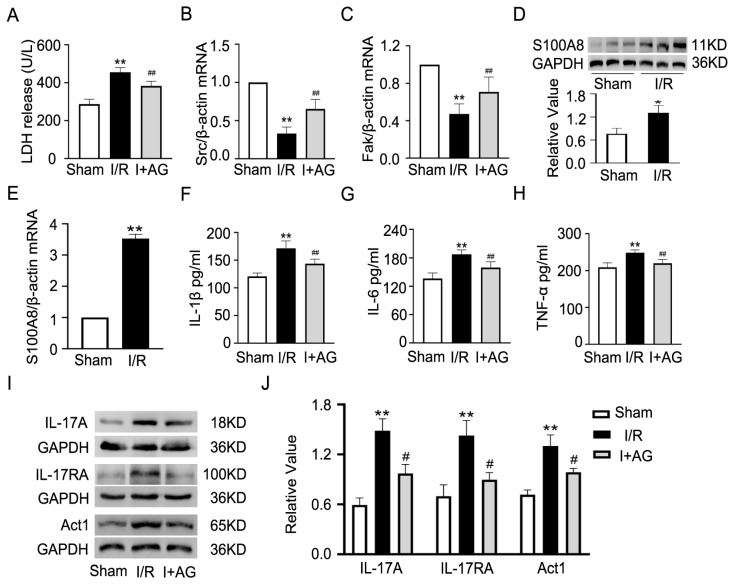 Figure 11
Peer Reviews
No public reviews on file for this paper yet. If you reviewed it on a platform where reviews are public (OpenReview, ICLR, NeurIPS, ICML), you can paste yours below so the community can read it here.
Videos
No videos yet. Explain this paper in a talk, walkthrough, or lecture? Add one.
Taxonomy
TopicsCardiac Fibrosis and Remodeling · Andrographolide Research and Applications · Immune cells in cancer