Biocontrol Mechanisms of a Chinese Heterorhabditis indica Strain Against Tuta absoluta: Virulence Assay and Time-Course Transcriptomics of Host Immune Responses
Shuocheng Zeng, Hang Yu, Raquel Campos-Herrera, Xingru Chen, Wencai Lu, Xingyue Li

TL;DR
A Chinese strain of Heterorhabditis indica effectively controls the tomato pinworm by suppressing its immune system, showing promise as a sustainable biocontrol method.
Contribution
The study reveals the molecular mechanisms by which H. indica CQ7-2 suppresses Tuta absoluta's immune response.
Findings
H. indica CQ7-2 has a low median lethal concentration of 1.35 infective juveniles per larva.
Key immune genes in T. absoluta are suppressed during early and middle stages of infection.
Despite immune gene upregulation after 18 hours, the host's defense is insufficient to prevent mortality.
Abstract
The invasive South American tomato pinworm, Tuta absoluta, is a major threat to tomato crops worldwide. As conventional control methods face challenges, there is a growing need for sustainable alternatives. We isolated a native strain of entomopathogenic nematode, Heterorhabditis indica CQ7-2, from local soils and evaluated its potential. Laboratory bioassays demonstrated that this strain is effective at infecting and killing the pest larvae, with a median lethal concentration of only 1.35 infective juvenile nematodes per larva. Further time-course transcriptomic analysis revealed that the nematode impairs the insect’s immune system, preventing it from mounting a successful defense. This work demonstrates the pathogenicity of H. indica CQ7-2 and its association with host immune suppression, supporting its potential as a biocontrol agent for further development. The South American…
Genes, proteins, chemicals, diseases, species, mutations and cell lines named across the full text — each resolved to its canonical identifier and authoritative record.
Click any figure to enlarge with its caption.
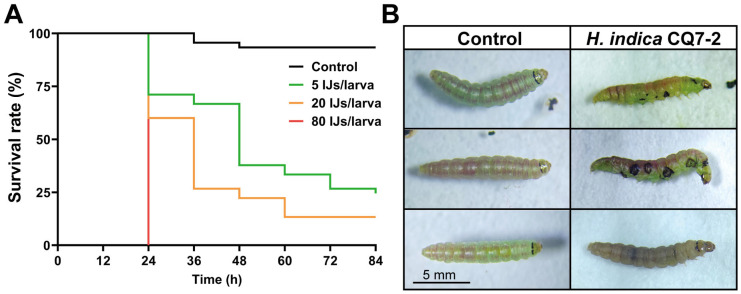 Figure 1
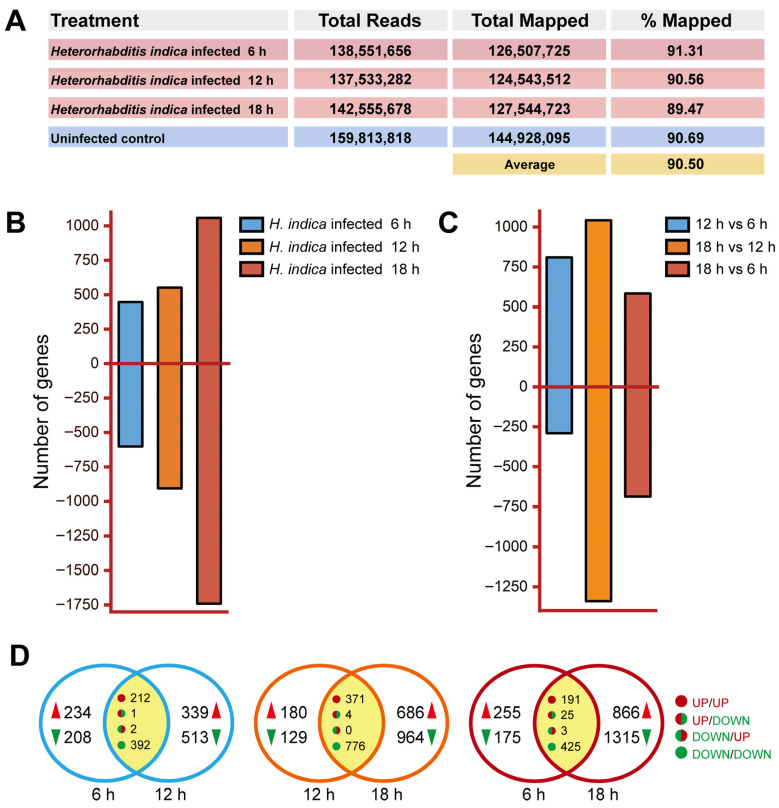 Figure 2
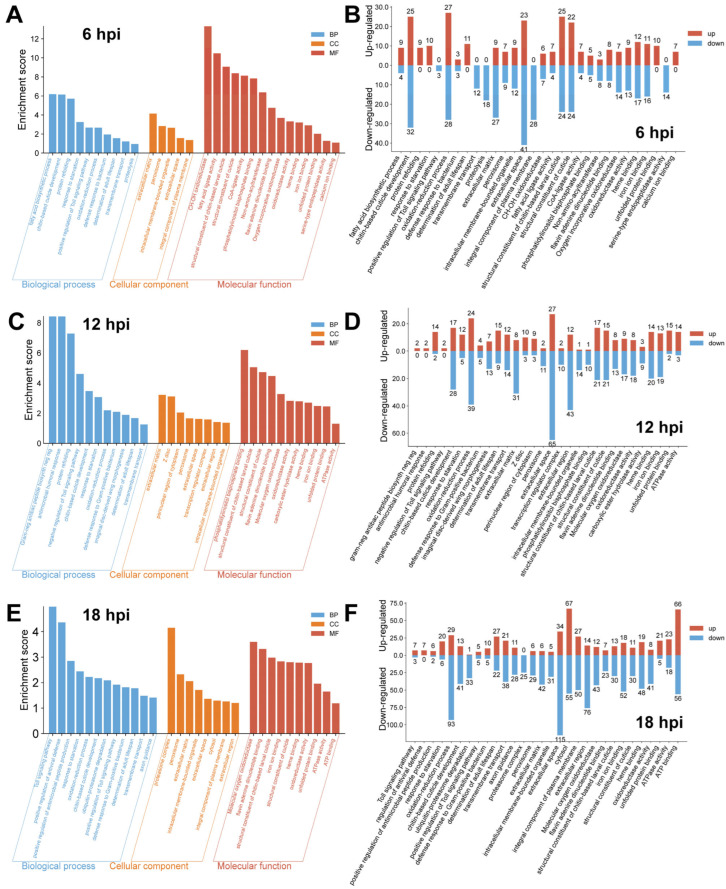 Figure 3
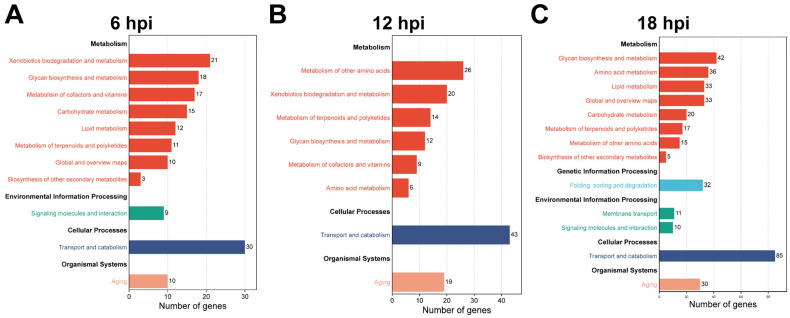 Figure 4
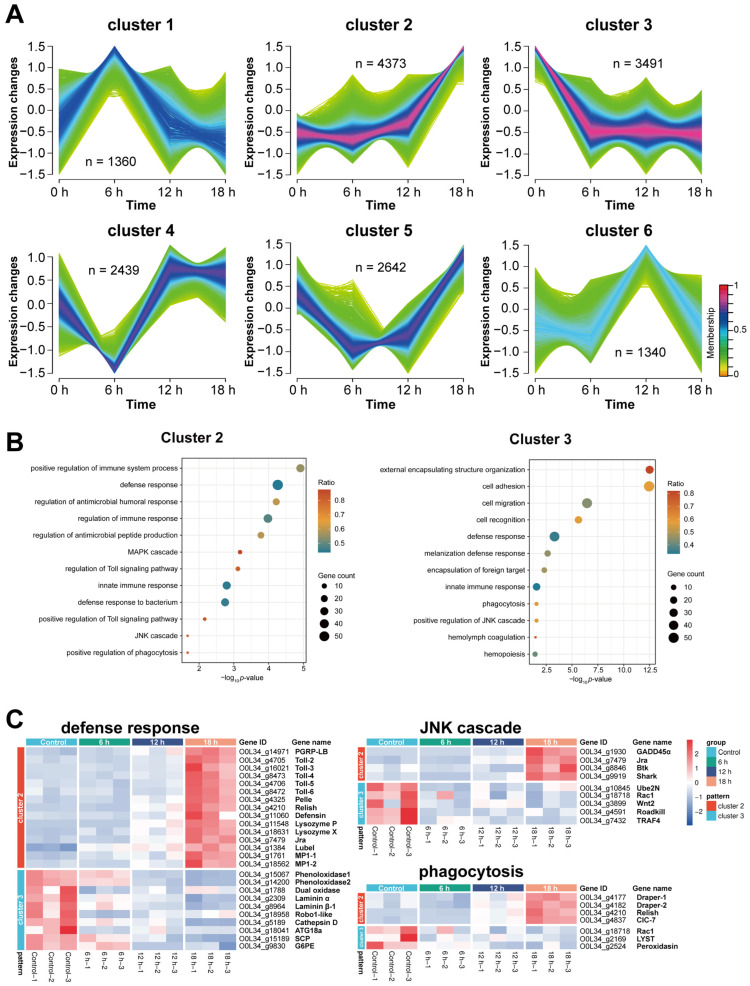 Figure 5
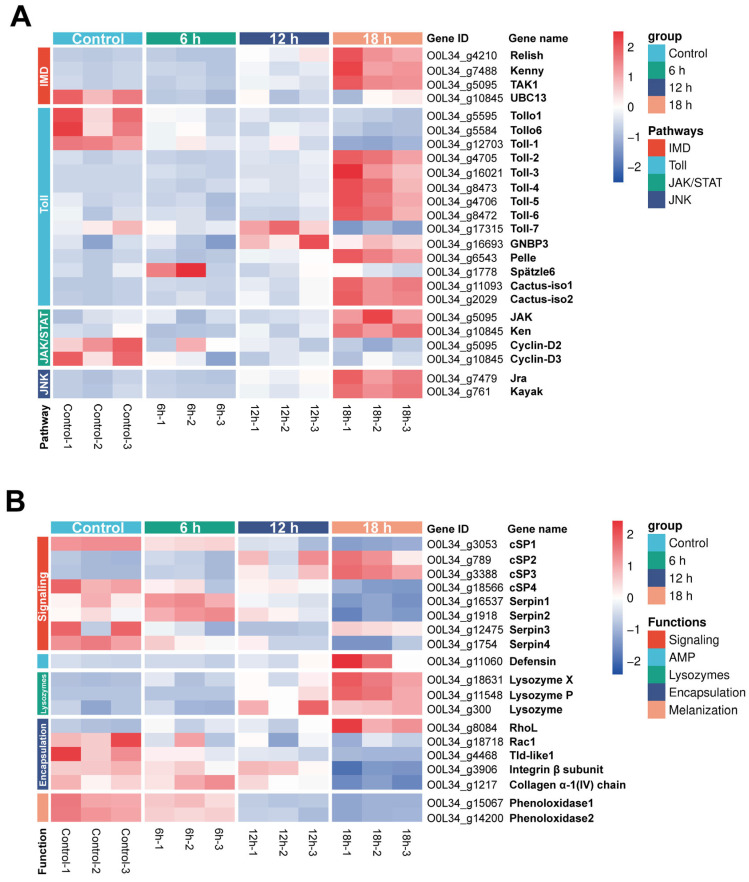 Figure 6
Peer Reviews
No public reviews on file for this paper yet. If you reviewed it on a platform where reviews are public (OpenReview, ICLR, NeurIPS, ICML), you can paste yours below so the community can read it here.
Videos
No videos yet. Explain this paper in a talk, walkthrough, or lecture? Add one.
Taxonomy
TopicsEntomopathogenic Microorganisms in Pest Control · Insect Resistance and Genetics · Invertebrate Immune Response Mechanisms