Immune and Metabolic Responses in Ectropis grisescens Infected by Metarhizium anisopliae: Insights from Transcriptome and Metabolome Analyses
Xiaozhu Wu, Xiaomin Xiong, Muxiang Dai, Juanjuan Cai, Suqing Zhu, Lisi He, Gongmin Cheng, Maosheng Gu, Hao Meng, Feng Wen, Liande Wang

TL;DR
This study explores how tea geometrid moths respond to a natural fungus that kills them, revealing immune and metabolic changes that could help develop better eco-friendly pest control methods.
Contribution
The study provides novel molecular insights into the immune and metabolic responses of Ectropis grisescens to Metarhizium anisopliae infection.
Findings
2409 differentially expressed genes were identified in infected tea geometrids, with 119 significantly enriched in immune-related processes.
1860 differentially accumulated metabolites were detected, with 236 significantly enriched in 82 KEGG pathways.
Immunity-related and detoxifying enzyme-related genes were activated in response to the fungal infection.
Abstract
The tea geometrid (Ectropis grisescens) is one of the most destructive defoliators in Chinese tea plantations, resulting in significant economic losses. The overuse of insecticides might lead to a series of food safety problems and environmental issues. Biocides, such as Metarhizium anisopliae, are one of the most environmentally friendly alternatives, which have been widely used in agricultural pest control. We isolated and identified a highly virulent strain of M. anisopliae against tea geometrid, while its insecticidal molecular mechanism remains unclear. Here, we combined transcriptome and metabolome analysis, analyzing the changes of immunity-related genes and metabolites in E. grisescens that were infected by M. anisopliae, which provide molecular insights into the insect–pathogen interaction. The tea geometrid (Ectropis grisescens) is a significant pest in Chinese tea…
Genes, proteins, chemicals, diseases, species, mutations and cell lines named across the full text — each resolved to its canonical identifier and authoritative record.
Click any figure to enlarge with its caption.
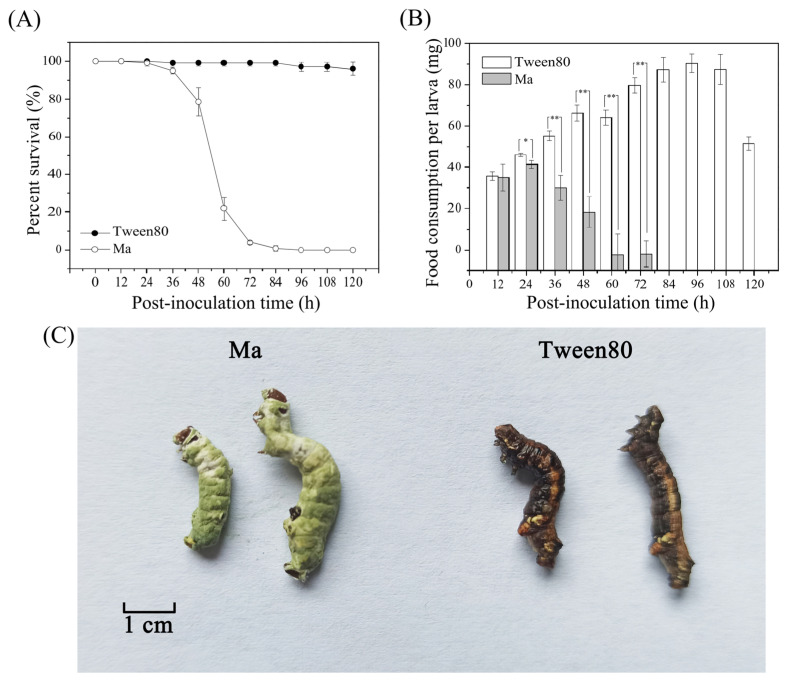 Figure 1
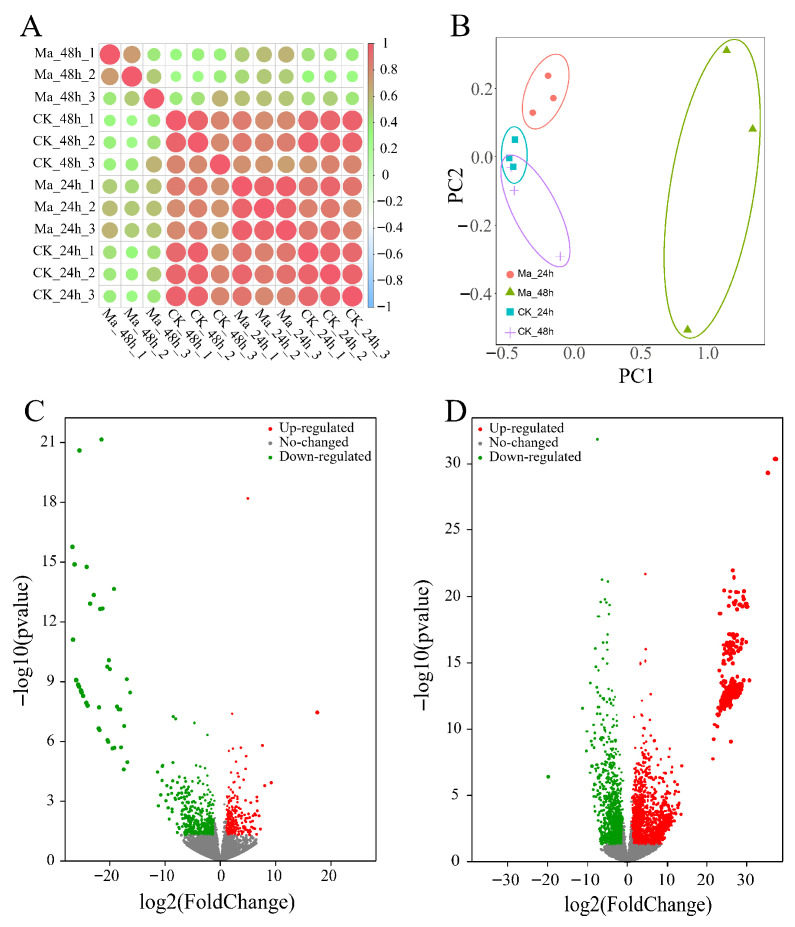 Figure 2
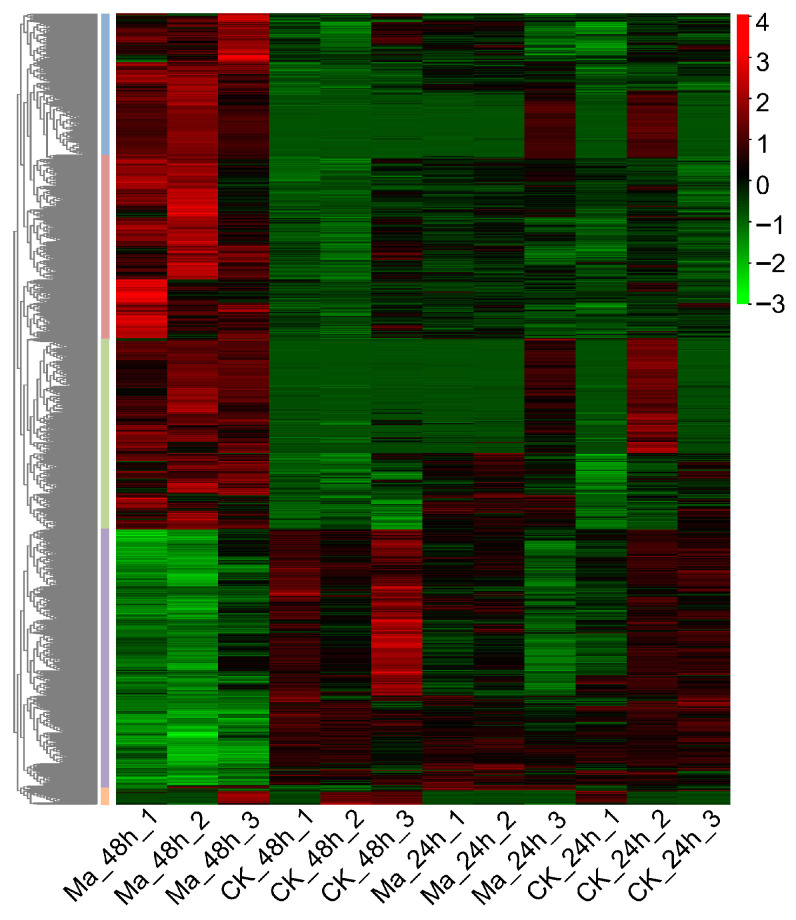 Figure 3
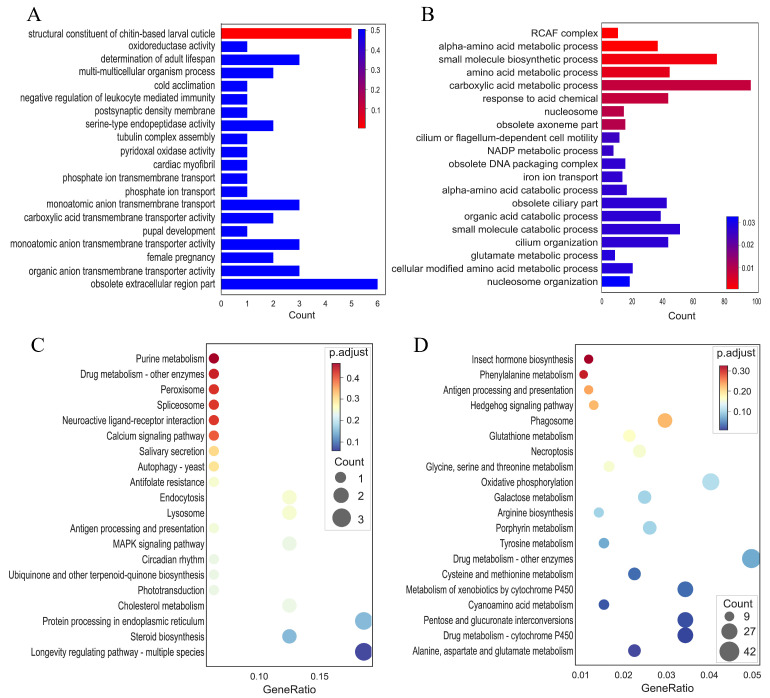 Figure 4
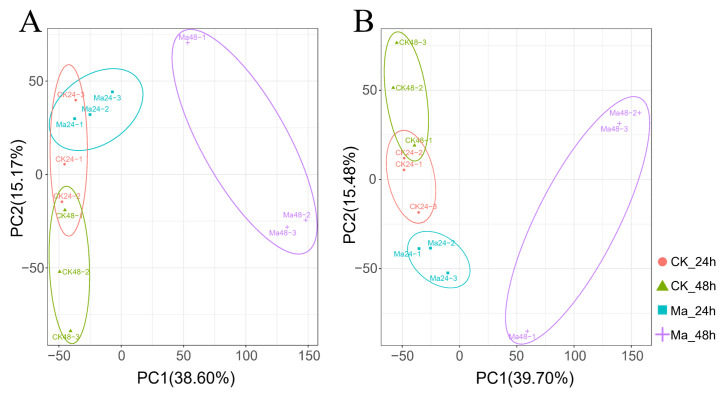 Figure 5
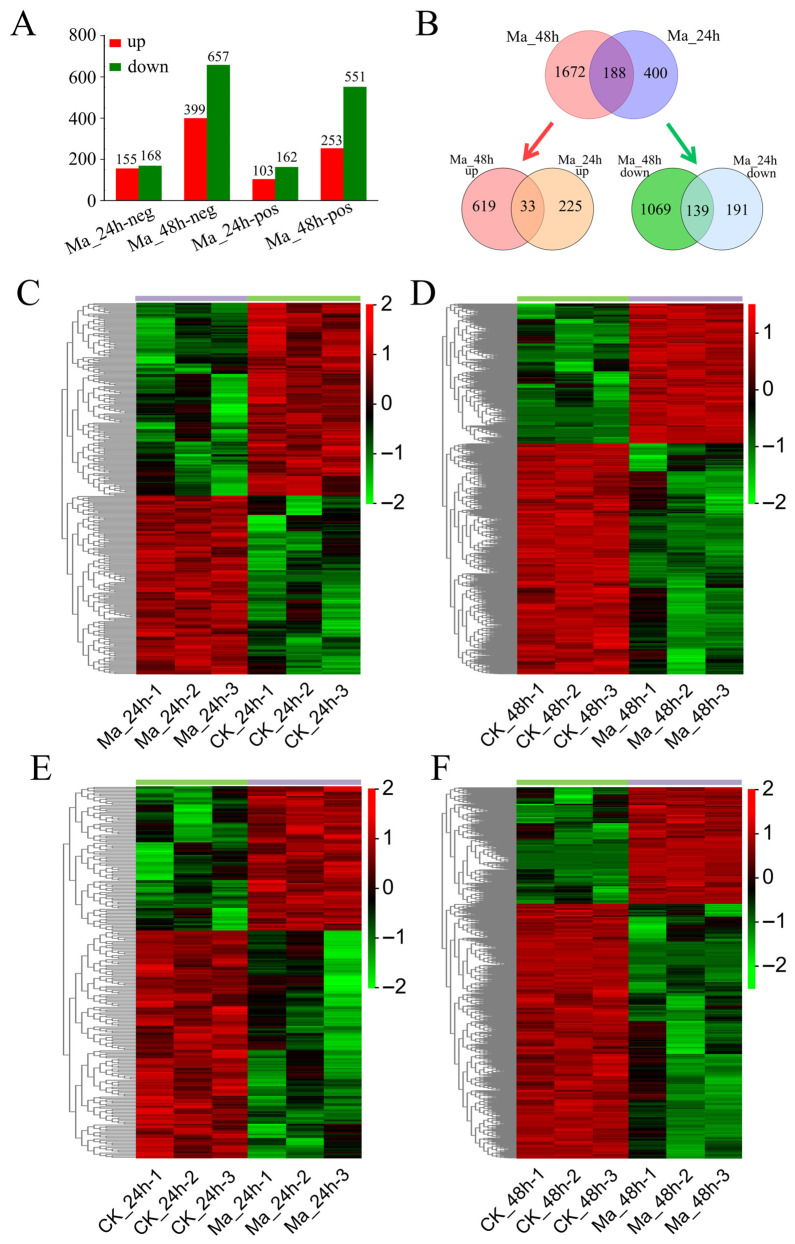 Figure 6
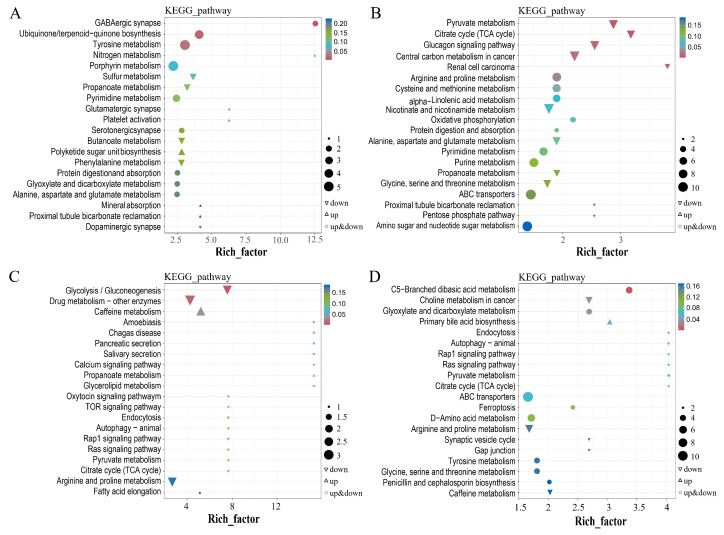 Figure 7
Peer Reviews
No public reviews on file for this paper yet. If you reviewed it on a platform where reviews are public (OpenReview, ICLR, NeurIPS, ICML), you can paste yours below so the community can read it here.
Videos
No videos yet. Explain this paper in a talk, walkthrough, or lecture? Add one.
Taxonomy
TopicsEntomopathogenic Microorganisms in Pest Control · Invertebrate Immune Response Mechanisms · Studies on Chitinases and Chitosanases