Tailored Biochar–Pseudomonas chlororaphis Composites for Triclocarban Removal: A Feedstock-Dependent Structure–Interface–Metabolism Study
Changlei Wang, Chongshu Li, Fangrong Wei, Jialin Liu, Yan Long, Jinshao Ye

TL;DR
This study explores how different biochar materials affect microbial activity in removing a contaminant called triclocarban.
Contribution
The study introduces a new framework linking biochar structure, interface properties, and microbial metabolism for contaminant removal.
Findings
Biochar composites improved triclocarban removal compared to free cells.
Corn cob-derived biochar showed the highest contaminant removal efficiency.
Immobilization altered microbial redox metabolism and interfacial electron exchange.
Abstract
Biochar provides a porous scaffold, conductive carbon framework and redox-active surface functional that can promote microbial attachment and extracellular electron flow. However, how feedstock-dependent biochar properties regulate the biochar–cell interface and microbial metabolism during contaminant removal remains insufficiently understood. Here, biochar derived from rice husk, corn straw and corn cob was used to immobilize Pseudomonas chlororaphis for triclocarban removal in batch microcosms. Multiscale analyses, including scanning electron microscopy (SEM), fourier transform infrared spectroscopy (FTIR), X-ray photoelectron spectroscopy (XPS), cyclic voltammetry (CV), (electrochemical impedance spectroscopy (EIS) and liquid chromatography–mass spectrometryLC-MS, were combined to link the biochar structure, interface and extracellular metabolism signatures with triclocarban (TCC)…
Genes, proteins, chemicals, diseases, species, mutations and cell lines named across the full text — each resolved to its canonical identifier and authoritative record.
Click any figure to enlarge with its caption.
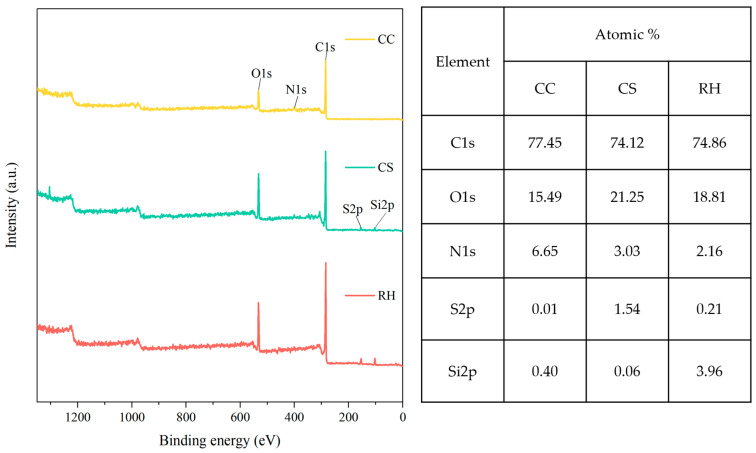 Figure 1
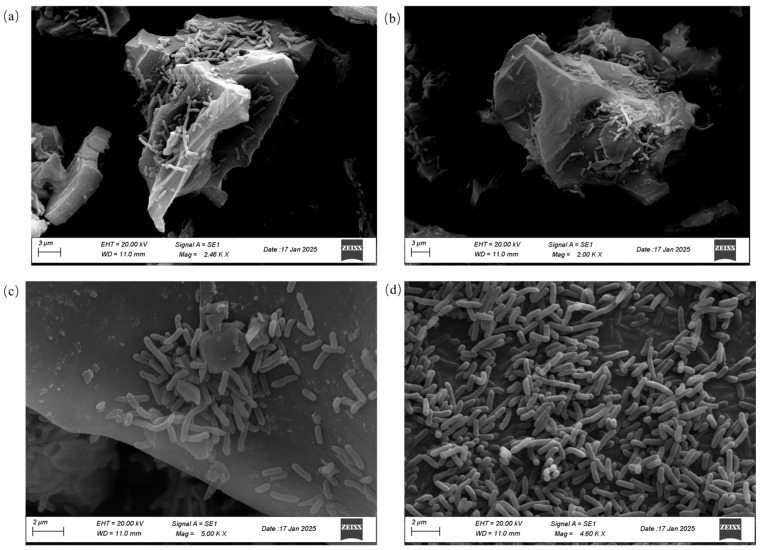 Figure 2
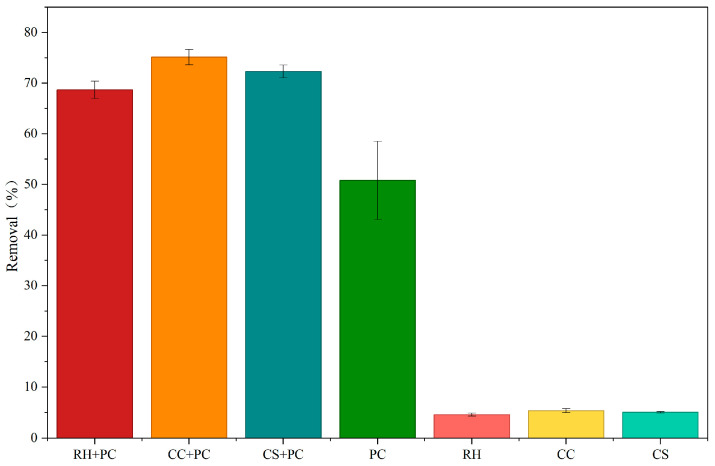 Figure 3
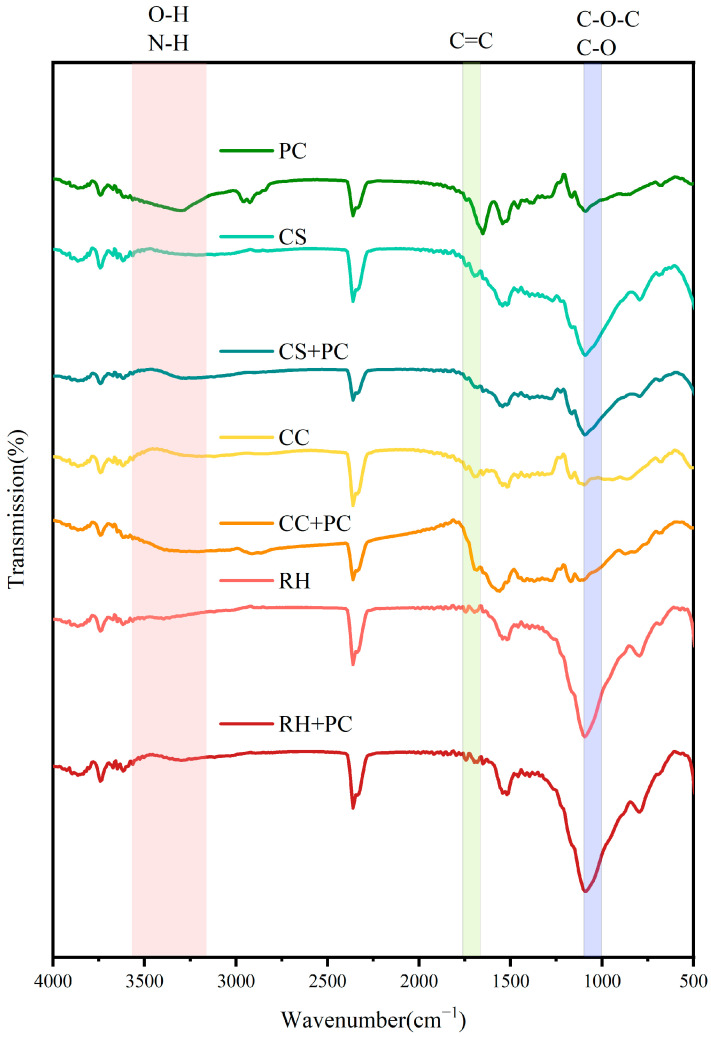 Figure 4
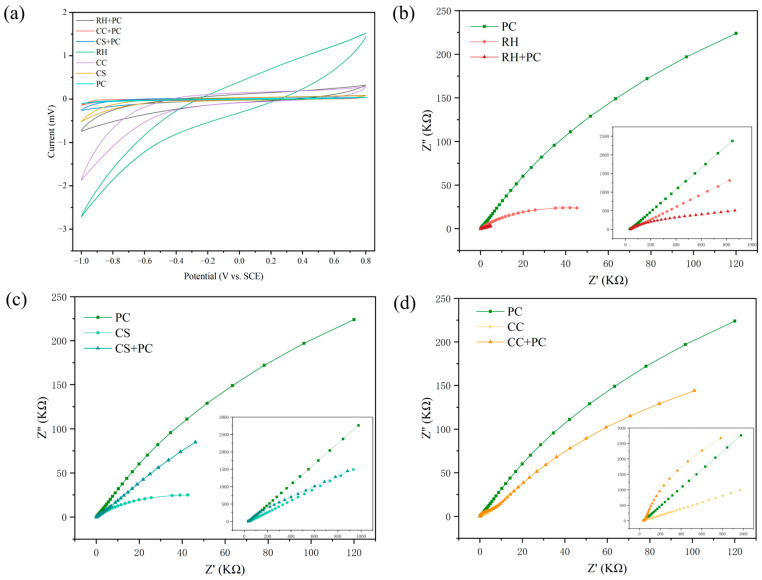 Figure 5
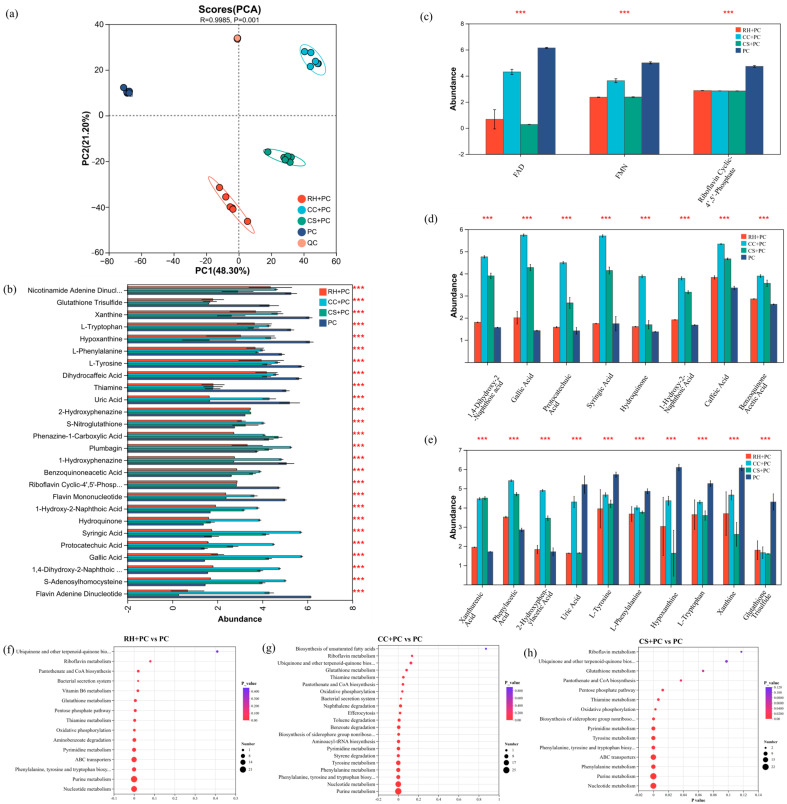 Figure 6
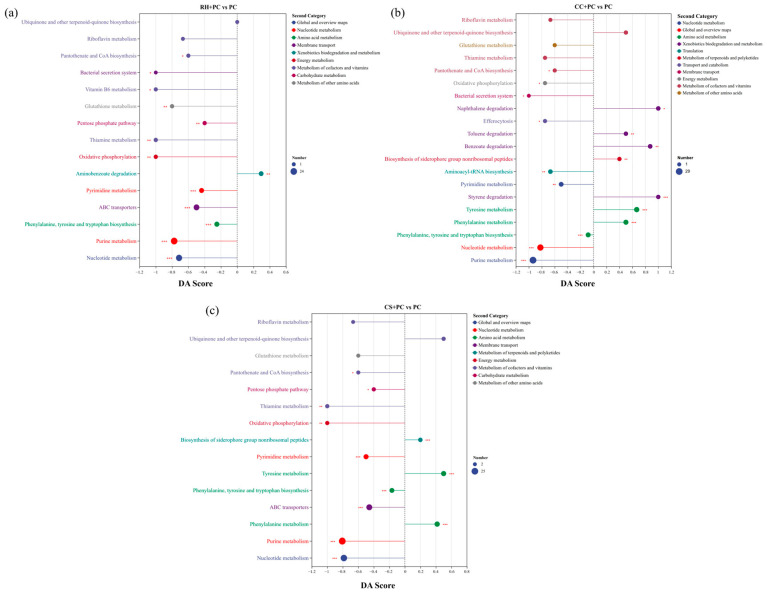 Figure 7
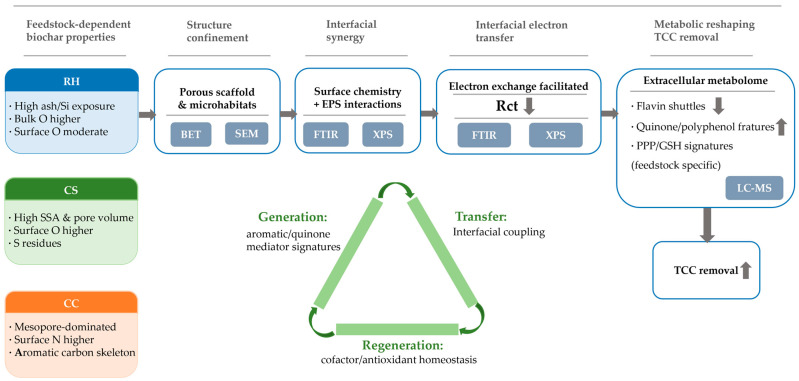 Figure 8
Peer Reviews
No public reviews on file for this paper yet. If you reviewed it on a platform where reviews are public (OpenReview, ICLR, NeurIPS, ICML), you can paste yours below so the community can read it here.
Videos
No videos yet. Explain this paper in a talk, walkthrough, or lecture? Add one.
Taxonomy
TopicsMicrobial Fuel Cells and Bioremediation · Microbial bioremediation and biosurfactants · Advanced oxidation water treatment