A Comparative Analysis of the Responses of Lucilia cuprina (Wiedemann) and Chrysomya rufifacies (Macqart) (Calliphoridae) to Different Reflectance Levels of Green and Yellow Light Hues
Tharindu B. Bambaradeniya, Paola A. Magni, Ian R. Dadour

TL;DR
This study compares how two blowfly species respond to different green and yellow light shades, finding that each prefers a specific color intensity for attraction.
Contribution
The study identifies specific color intensities that attract two blowfly species, offering insights for improving fly trap designs.
Findings
Lucilia cuprina is most attracted to medium intensity yellow light.
Chrysomya rufifacies is most attracted to medium intensity green light.
Both species are influenced by light intensity and proximity to the light source.
Abstract
Sheep blow fly strike is a serious problem for sheep welfare worldwide. Two of the most important blow fly species involved are Lucilia cuprina (Wiedemann) and Chrysomya rufifacies (Macquart). Of the many cues flies use to locate a host, vision is important, with colour being useful to find places for feeding and laying eggs. Commercial fly traps often use bright colours to attract flies, but the most effective colours differ among species and are not well understood, although green and yellow are known to attract flies. The aim of this study was to examine how these two fly species respond to different shades of green and yellow. Three shade levels of each colour were presented under controlled conditions. The results showed that L. cuprina was most attracted to medium intensity yellow, while Ch. rufifacies was most attracted to medium intensity green. These findings improve our…
Genes, proteins, chemicals, diseases, species, mutations and cell lines named across the full text — each resolved to its canonical identifier and authoritative record.
Click any figure to enlarge with its caption.
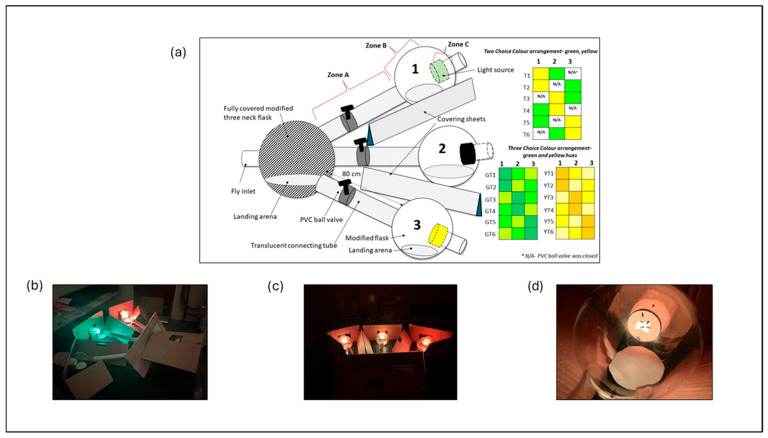 Figure 1
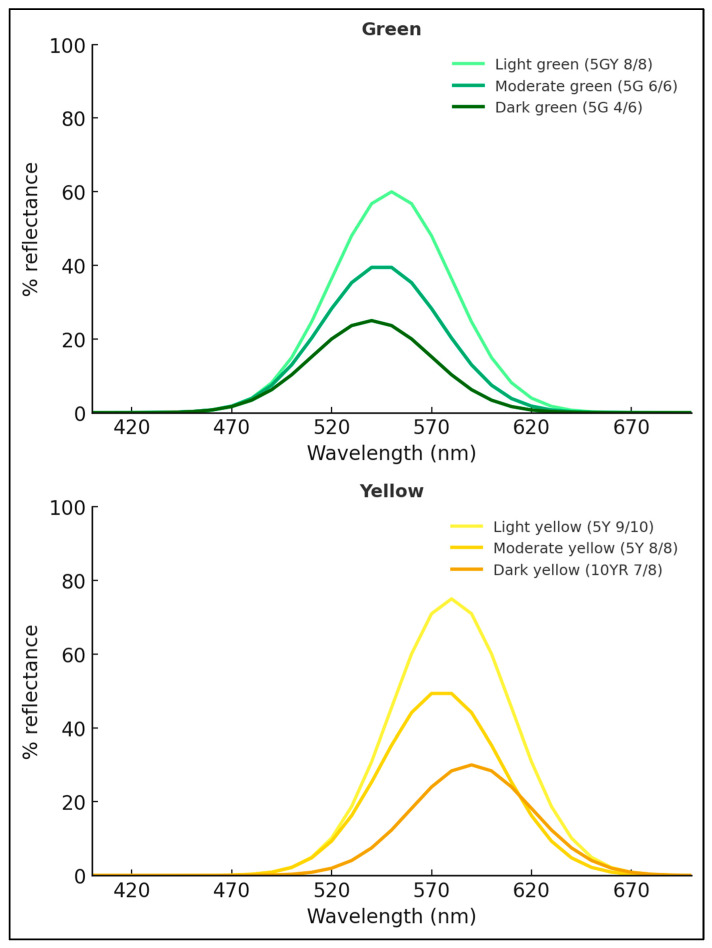 Figure 2
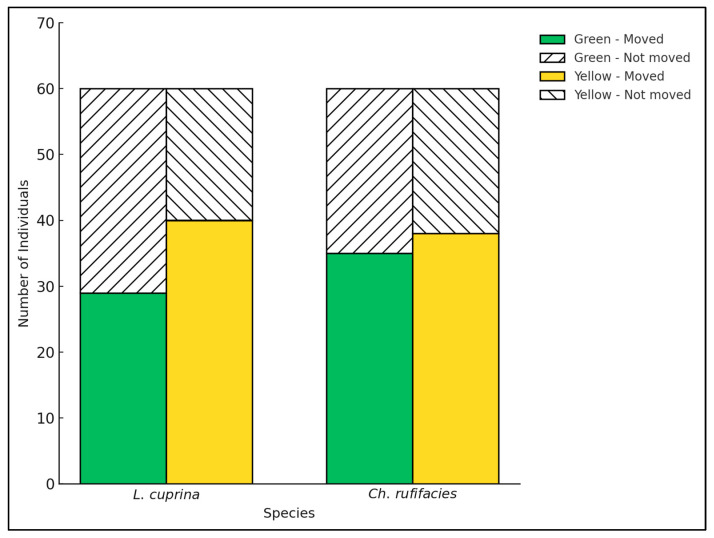 Figure 3
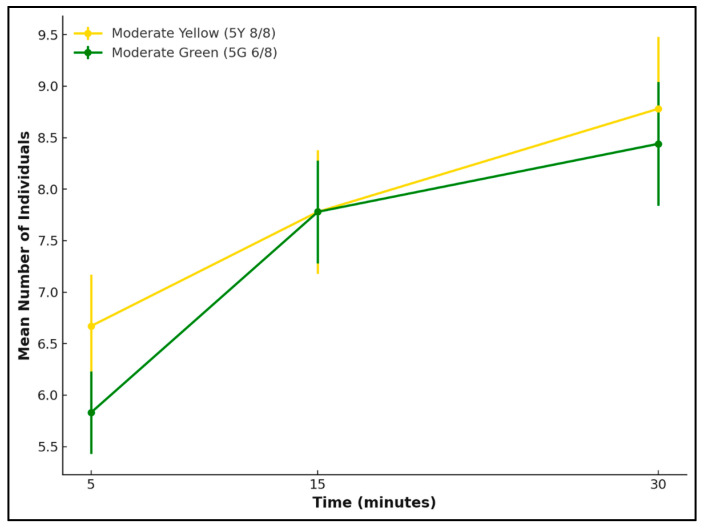 Figure 4
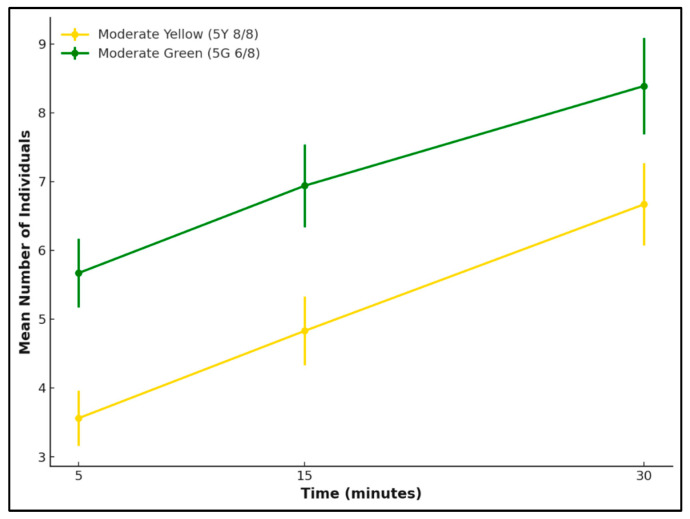 Figure 5
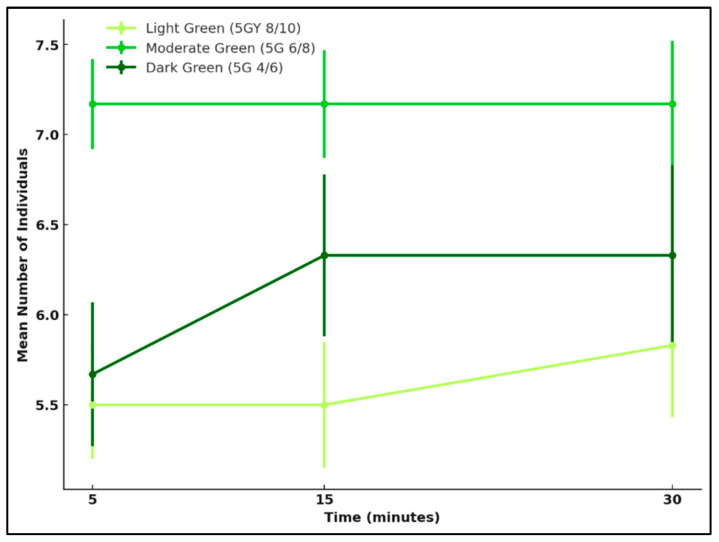 Figure 6
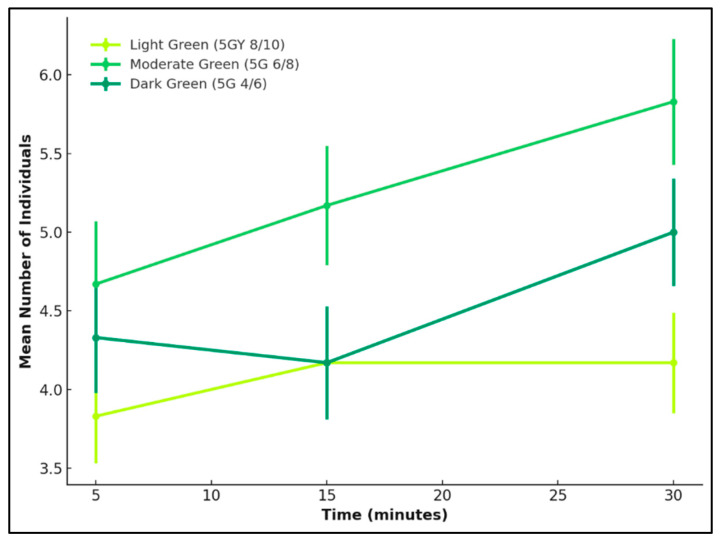 Figure 7
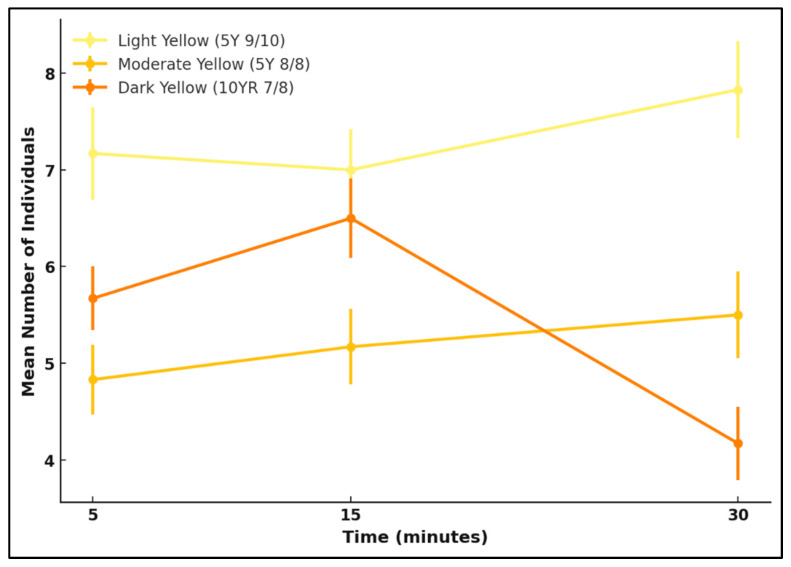 Figure 8
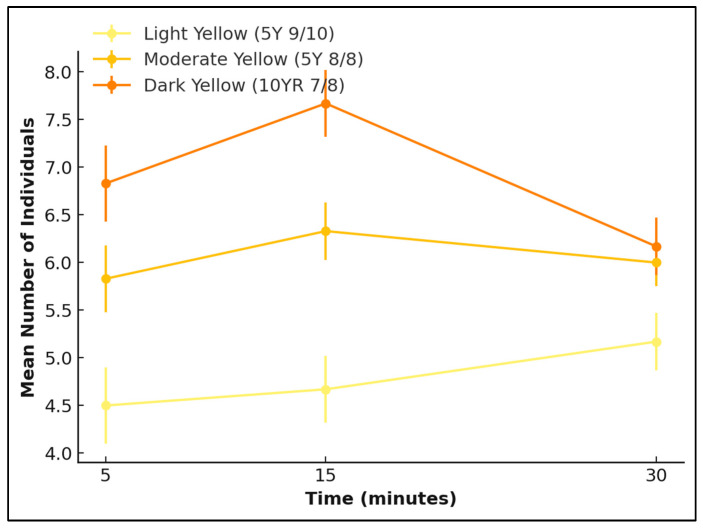 Figure 9
 Figure 10
 Figure 11
 Figure 12
 Figure 13
 Figure 14
 Figure 15
Peer Reviews
No public reviews on file for this paper yet. If you reviewed it on a platform where reviews are public (OpenReview, ICLR, NeurIPS, ICML), you can paste yours below so the community can read it here.
Videos
No videos yet. Explain this paper in a talk, walkthrough, or lecture? Add one.
Taxonomy
TopicsForensic Entomology and Diptera Studies · Insect behavior and control techniques · Diptera species taxonomy and behavior