Lithium carbonate-loaded polymeric nano-micelles for enhanced antitumor activity against NF1-associated malignant peripheral nerve sheath tumors via improved cellular uptake
Aiyun Yang, Jie Meng, Zhiqiang Zhu, Yuanfang Lu, Xiuwei Wang, Zhen Guan, Shen Li, Haiyan Xu, Zhichao Wang, Jianhua Wang

TL;DR
This study explores using lithium carbonate-loaded nanomicelles to improve treatment of aggressive nerve tumors linked to neurofibromatosis type 1.
Contribution
The novel approach uses polymeric nanomicelles to enhance lithium carbonate delivery and antitumor efficacy in MPNST cells.
Findings
Lithium carbonate-loaded nanomicelles significantly improved cellular uptake and antitumor effects in MPNST cells.
The nanomicelles induced cell cycle arrest and apoptosis in MPNST cells more effectively than free lithium carbonate.
The antitumor mechanism involves ROS–ERK signaling pathway regulation through increased reactive oxygen species.
Abstract
Malignant peripheral nerve sheath tumors (MPNSTs) are fatal and highly aggressive soft tissue tumors that are associated with patients with neurofibromatosis type 1 (NF1). Traditional treatment methods have limited effects, so new treatment strategies need to be developed. Lithium carbonate (Li2CO3) is a type of psychotropic drug and has also been proven to play an important role in tumor treatment. Its nanoscale structure could achieve better therapeutic effects and reduce toxicity. In this study, we utilized MPNST cells (S462) derived from pediatric patients to develop polymeric nanomicelles loaded with Li2CO3 and determined their effects on the proliferation and apoptosis of MPNST cells and the related signaling mechanisms. The results indicated that LM significantly enhanced cellular uptake when exposed to the same concentration of extracellular Li2CO3. Free Li2CO3 inhibited cell…
Genes, proteins, chemicals, diseases, species, mutations and cell lines named across the full text — each resolved to its canonical identifier and authoritative record.
Click any figure to enlarge with its caption.
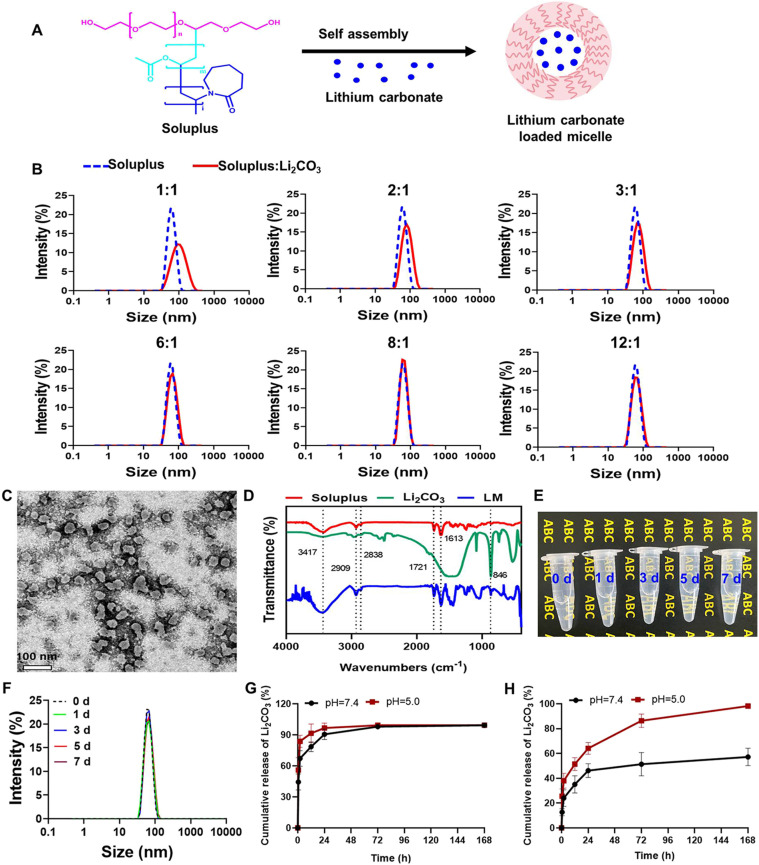 Figure 1
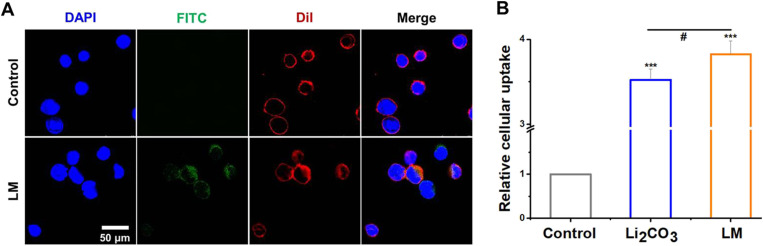 Figure 2
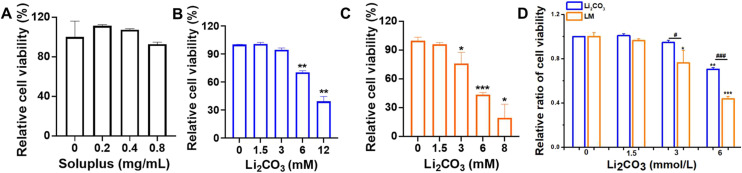 Figure 3
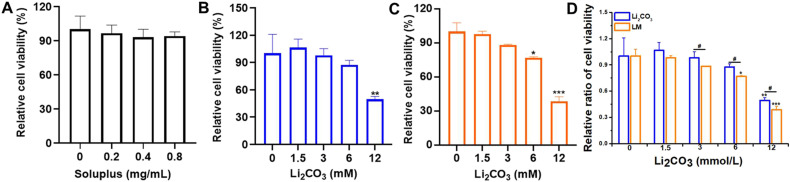 Figure 4
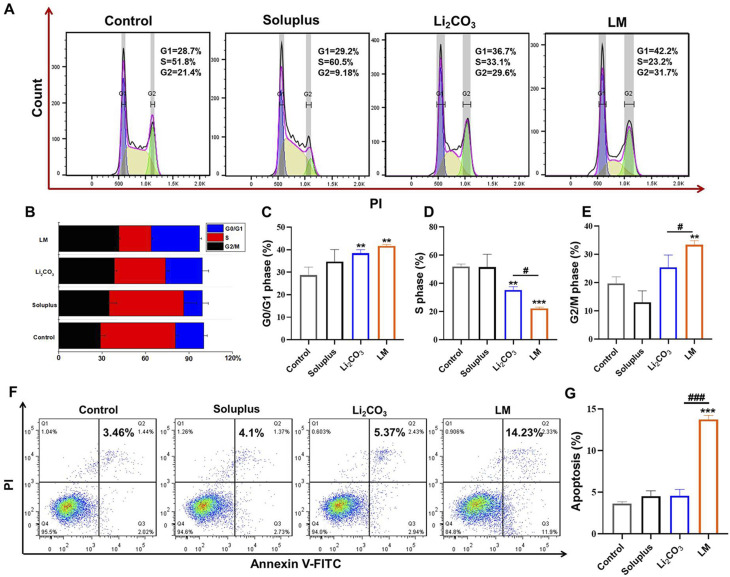 Figure 5
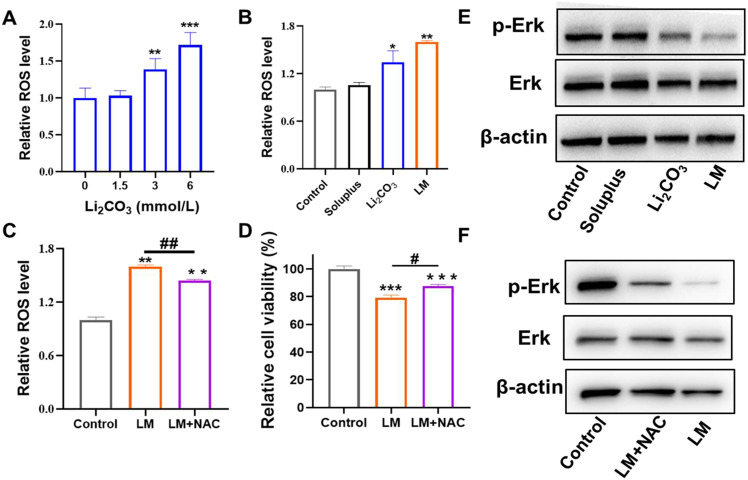 Figure 6
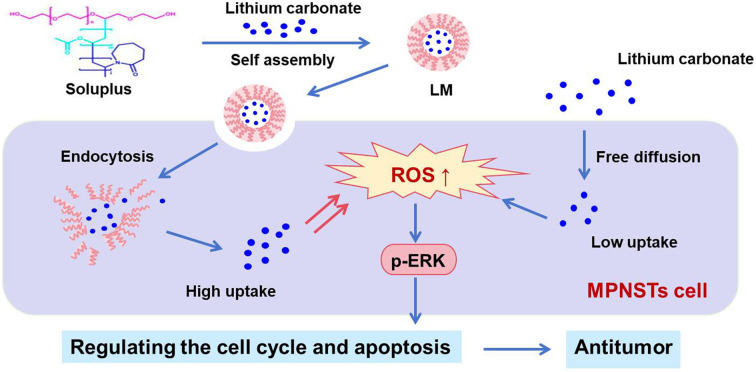 Figure 7
Peer Reviews
No public reviews on file for this paper yet. If you reviewed it on a platform where reviews are public (OpenReview, ICLR, NeurIPS, ICML), you can paste yours below so the community can read it here.
Videos
No videos yet. Explain this paper in a talk, walkthrough, or lecture? Add one.
Taxonomy
TopicsNeurofibromatosis and Schwannoma Cases · Nerve injury and regeneration · Histone Deacetylase Inhibitors Research