Morphofunctional State of the Liver Under Conditions of Three-Month Dark Deprivation: The Influence of Circadian Disruptions and Melatonin
David A. Areshidze, Maria A. Kozlova, Anna I. Anurkina, Valeriy P. Chernikov

TL;DR
Three months of constant lighting harms the liver in rats by reducing melatonin, but adding melatonin prevents these effects.
Contribution
Demonstrates melatonin's protective role against liver damage caused by constant lighting and circadian disruption.
Findings
Dark deprivation caused liver steatosis, cell enlargement, and reduced binucleated hepatocytes.
Melatonin deficiency activated senescence markers and disrupted circadian gene expression.
Exogenous melatonin fully reversed all observed liver impairments and restored normal function.
Abstract
Disruption of circadian rhythms caused by constant artificial lighting (“light pollution”) is a significant risk factor for the development of metabolic and age-associated pathologies. The liver, as a central metabolic organ with pronounced circadian regulation of its functions, is particularly vulnerable to desynchronosis. The aim of this study was to evaluate the effect of three-month dark deprivation (constant lighting) and the corrective action of exogenous melatonin on the morphofunctional state of the liver in young mature rats. The experiment used 3-month-old male Wistar rats, divided into groups: control (standard light:dark cycle 10:14 h), dark deprivation group (DD, constant lighting 24 h/day), and DD + Melatonin group (DD + Mel, dark deprivation with melatonin administered in drinking water at a dose of 12 mg/L). After 3 months (animal age 6 months), a comprehensive analysis…
Genes, proteins, chemicals, diseases, species, mutations and cell lines named across the full text — each resolved to its canonical identifier and authoritative record.
Click any figure to enlarge with its caption.
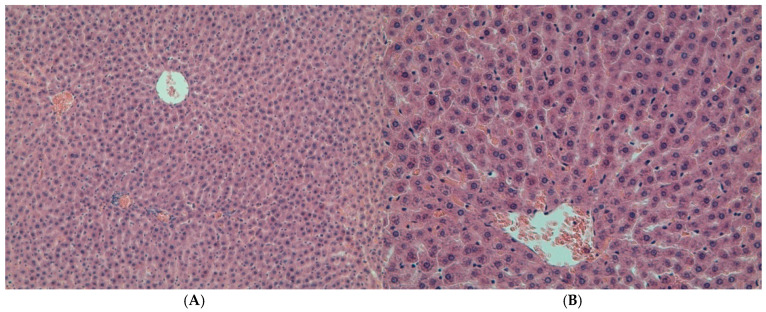 Figure 1
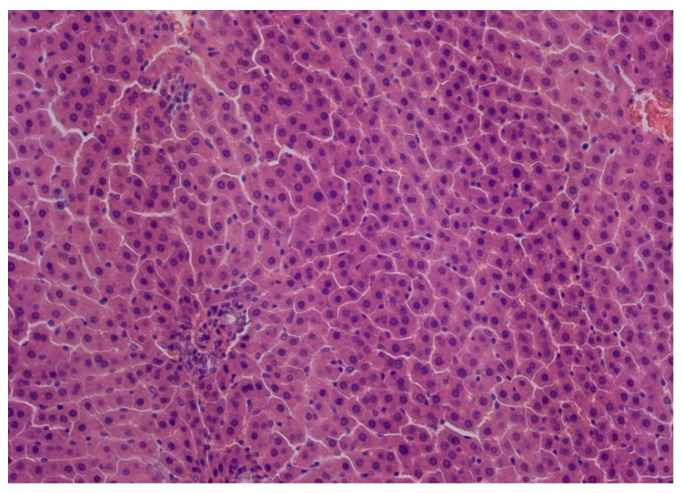 Figure 2
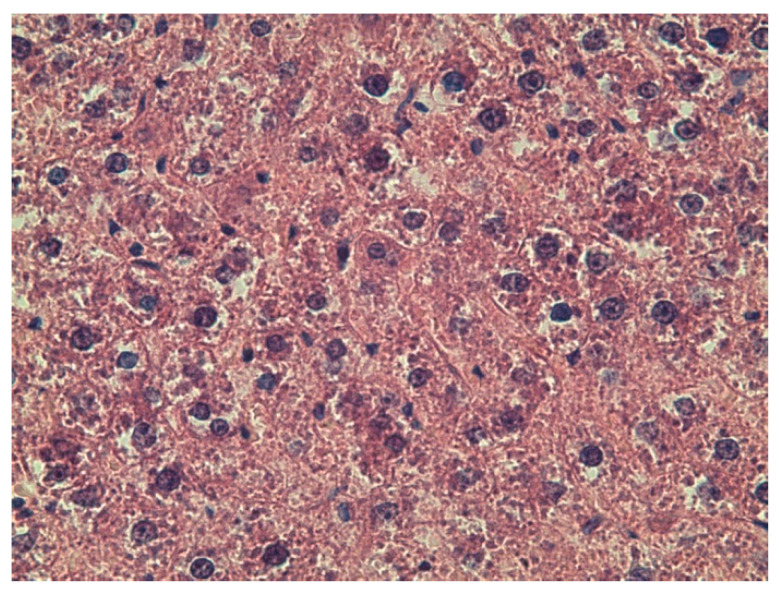 Figure 3
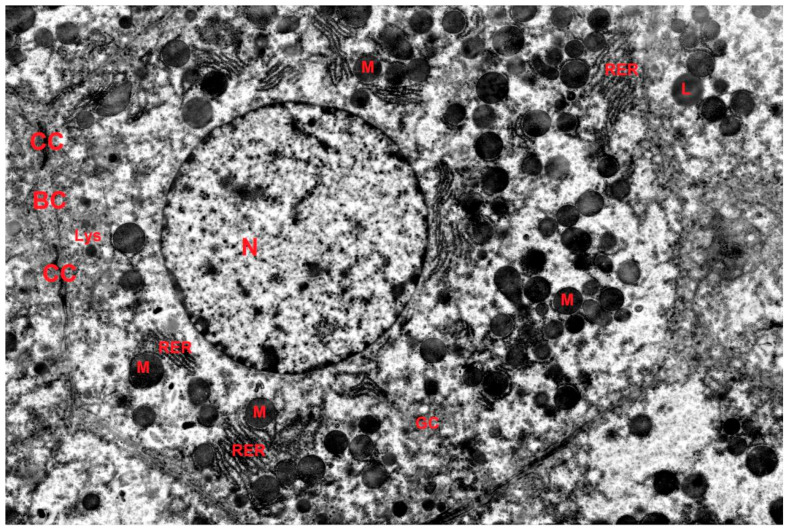 Figure 4
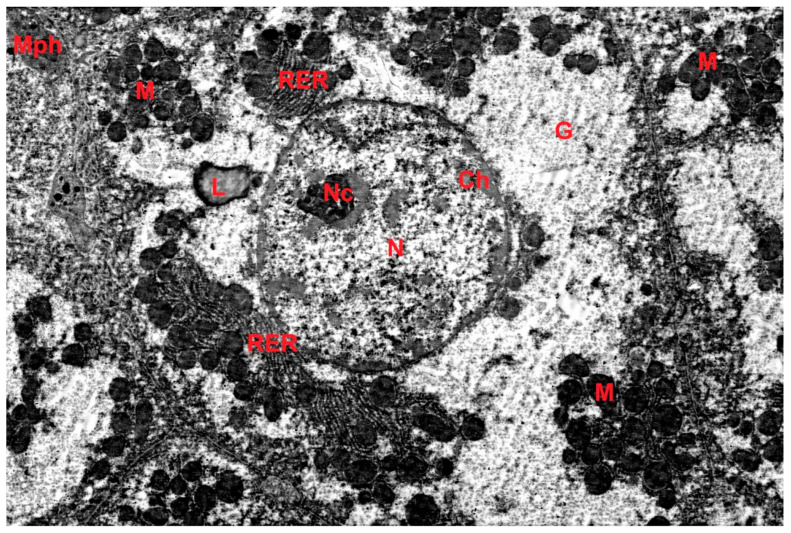 Figure 5
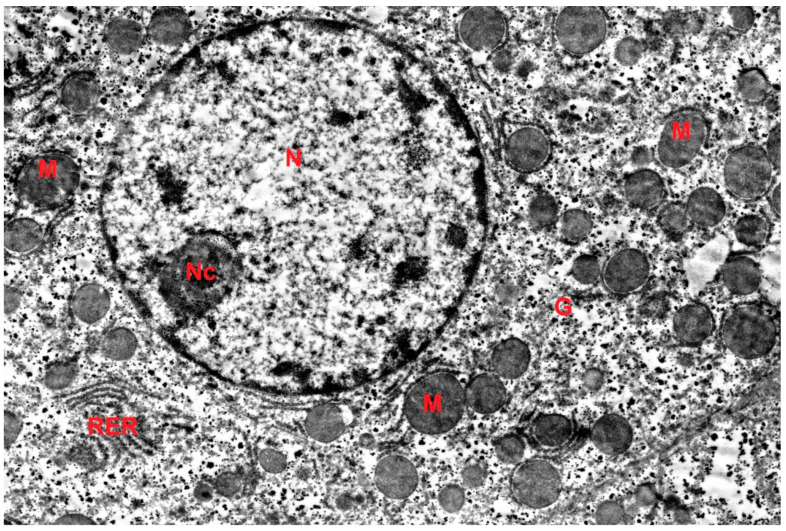 Figure 6
Peer Reviews
No public reviews on file for this paper yet. If you reviewed it on a platform where reviews are public (OpenReview, ICLR, NeurIPS, ICML), you can paste yours below so the community can read it here.
Videos
No videos yet. Explain this paper in a talk, walkthrough, or lecture? Add one.
Taxonomy
TopicsCircadian rhythm and melatonin · Telomeres, Telomerase, and Senescence · Birth, Development, and Health