Bile Acid Metabolism Affects Muscle Regeneration in Aging Skeletal Muscle in a Manner Associated with Regulation of ABCB1 Expression
Xiaoqing Wu, Yanan Wei, Qian Xue, Xia Li, Lihua Deng, Menghan Li, Yulan Liu, Jingtong Wang

TL;DR
This study shows how bile acid metabolism in aging muscle affects muscle regeneration through changes in ABCB1 transporter activity, offering a new target for treating sarcopenia.
Contribution
The study identifies a novel 'bile acid–MMEC–muscle' axis in sarcopenia involving miR-135a-5p and ABCB1 regulation.
Findings
Elevated DCA and LCA levels and reduced TUDCA levels in aging muscle correlate with downregulated ABCB1 expression.
ABCB1 inhibition in MMECs impairs bile acid efflux, promotes inflammation, and harms endothelial health.
miR-135a-5p directly regulates ABCB1 and mediates myoblast dysfunction through bile acid efflux impairment.
Abstract
The role of bile acid metabolism within the skeletal muscle microenvironment in sarcopenia remains unclear. This study investigated bile acid alterations and the function of the ATP Binding Cassette Subfamily B Member 1 (ABCB1) transporter in muscle microvascular endothelial cells (MMECs) during aging. Using a sarcopenic mouse model stratified by muscle density, we found elevated deoxycholic acid (DCA) and lithocholic acid (LCA) levels but reduced tauroursodeoxycholic acid (TUDCA) levels in muscle, correlating with downregulated ABCB1/P-glycoprotein expression. In vitro, inhibition of ABCB1 in MMECs impaired bile acid efflux, promoted inflammation, and compromised endothelial health. Conditioned medium from these MMECs reduced the viability, proliferation, and differentiation of C2C12 myoblasts, downregulated myogenic factors, and increased atrophy markers. Furthermore, we identified…
Genes, proteins, chemicals, diseases, species, mutations and cell lines named across the full text — each resolved to its canonical identifier and authoritative record.
Click any figure to enlarge with its caption.
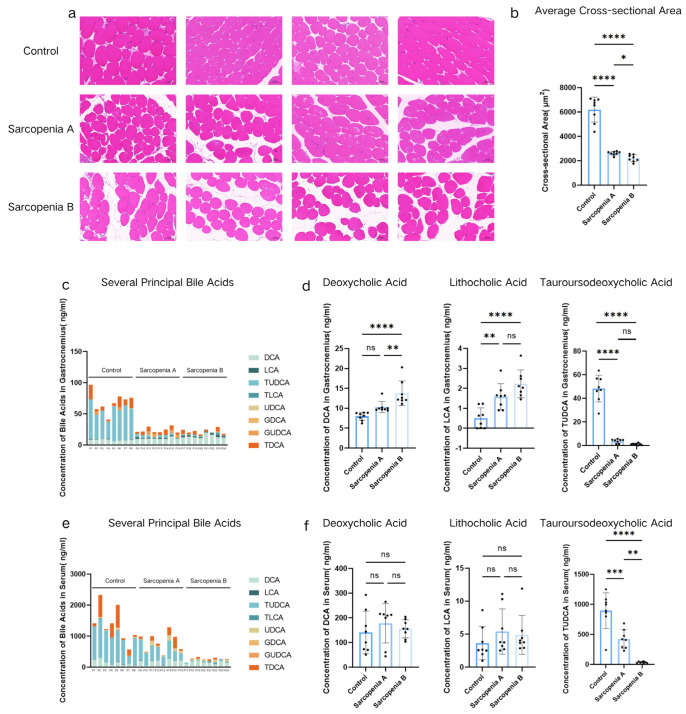 Figure 1
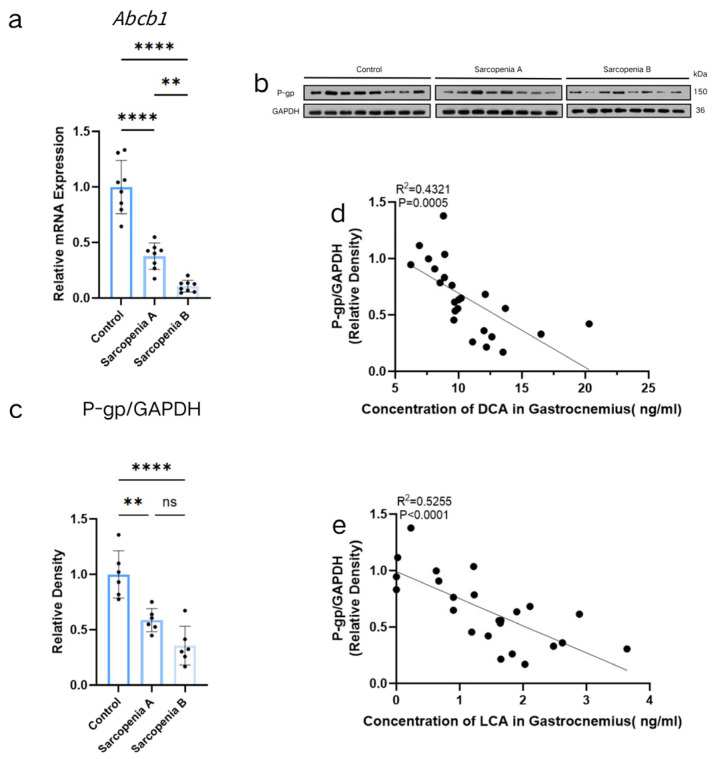 Figure 2
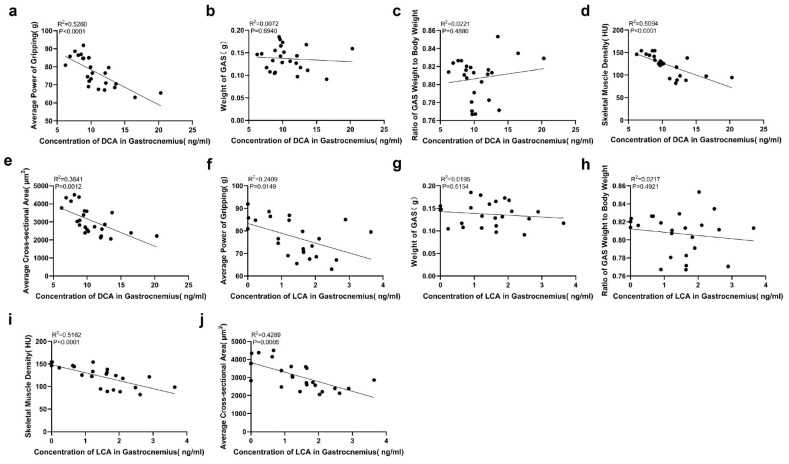 Figure 3
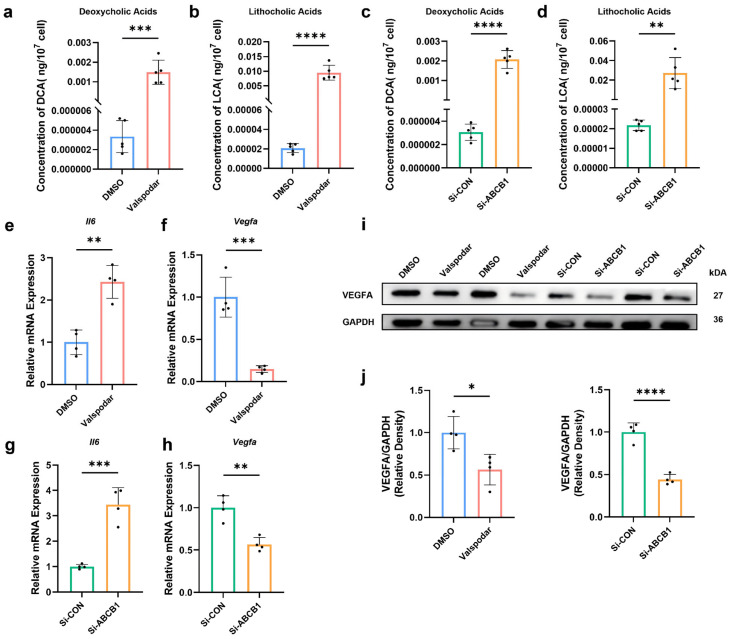 Figure 4
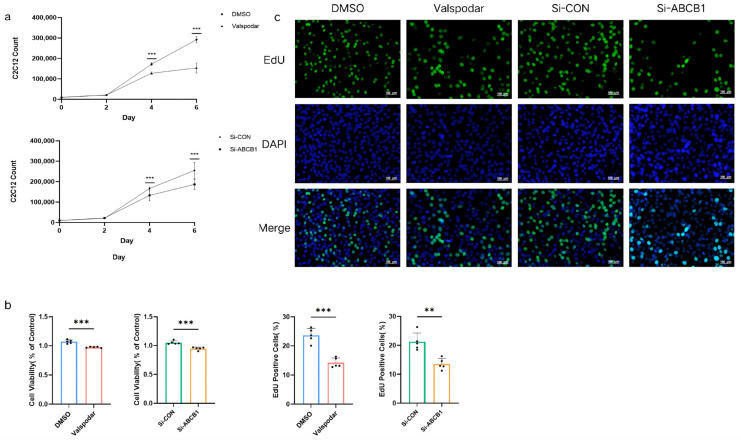 Figure 5
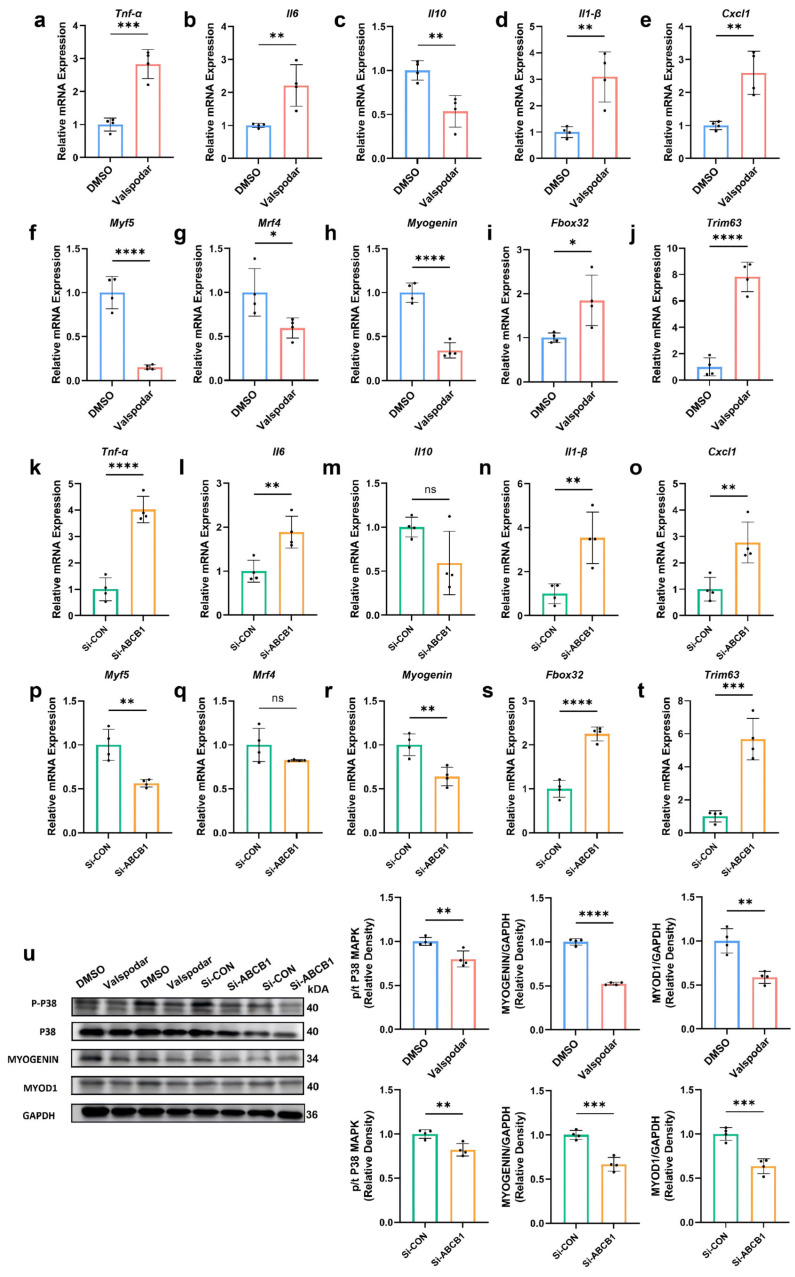 Figure 6
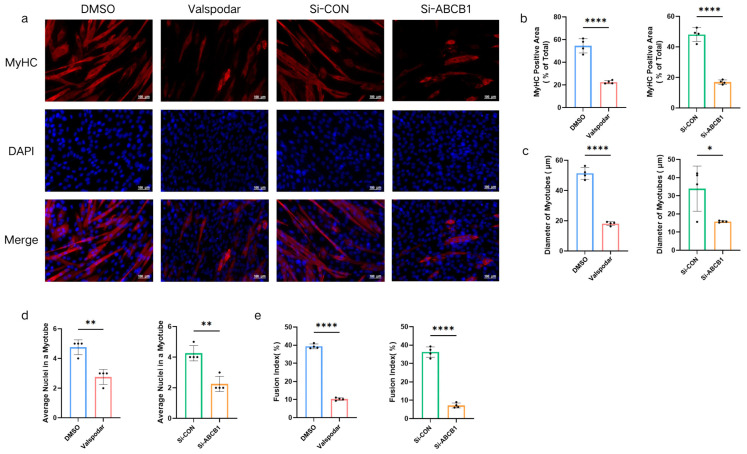 Figure 7
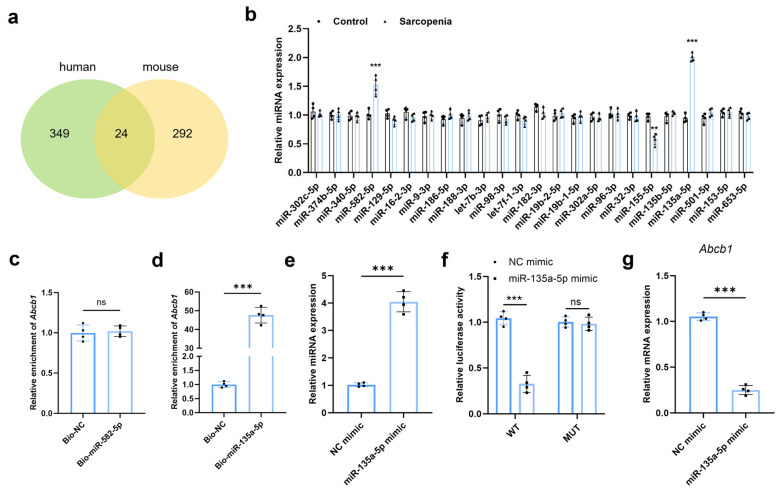 Figure 8
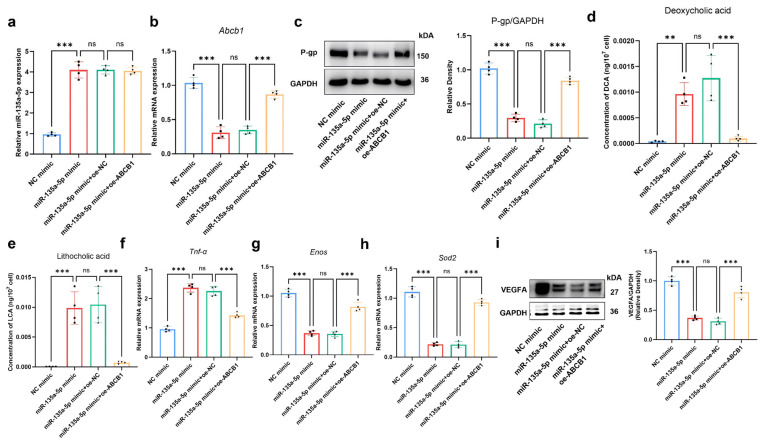 Figure 9
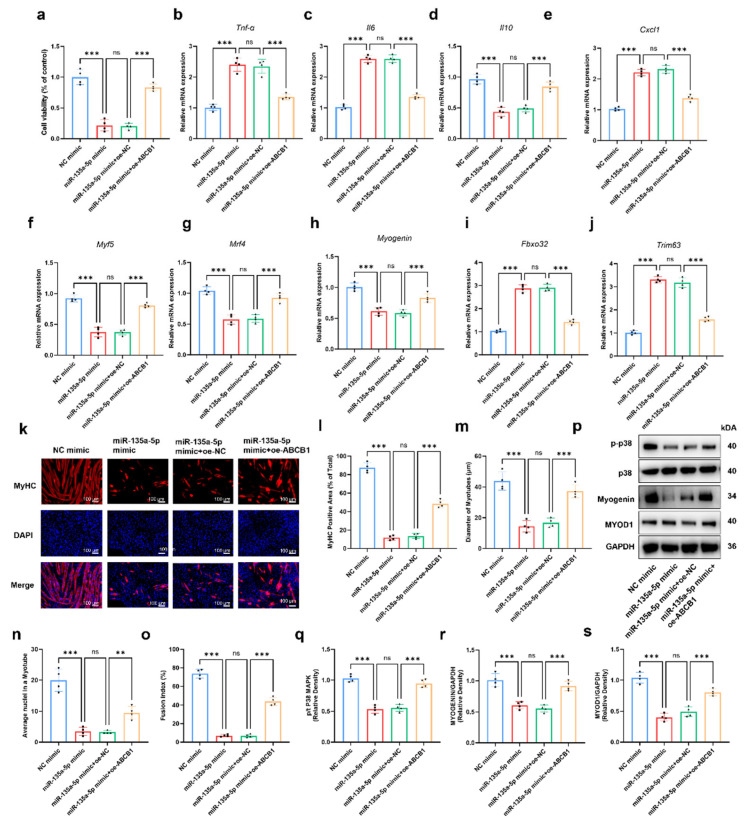 Figure 10
Peer Reviews
No public reviews on file for this paper yet. If you reviewed it on a platform where reviews are public (OpenReview, ICLR, NeurIPS, ICML), you can paste yours below so the community can read it here.
Videos
No videos yet. Explain this paper in a talk, walkthrough, or lecture? Add one.
Taxonomy
TopicsDrug Transport and Resistance Mechanisms · Organ Transplantation Techniques and Outcomes · Clinical Nutrition and Gastroenterology