Exploratory transcriptomic analysis of mouse articular cartilage in response to tissue inhibitor of metalloproteinase 3 identifies inflammation-associated gene expression changes
Manuela Mengozzi, Ben Towler, Jordan Kwabiah, Fawad Razmandeh, Fabio Simoes, Lisa Mullen

TL;DR
This study explores how TIMP-3 affects gene activity in mouse cartilage under different oxygen levels, revealing inflammation-related changes that could impact arthritis treatments.
Contribution
The study reveals TIMP-3's differential gene expression effects under normoxia and hypoxia, highlighting oxygen tension's role in cartilage biology.
Findings
TIMP-3 upregulates inflammation genes like Saa3 and IL-17 pathway genes under normoxia.
Hypoxia downregulates proliferative genes Pbk/Topk and Racgap1 when combined with TIMP-3.
Oxygen tension significantly influences TIMP-3's transcriptional effects in cartilage.
Abstract
Tissue inhibitor of metalloproteinase 3 (TIMP-3) is a broad-spectrum inhibitor of matrix metalloproteinases (MMPs) and ADAM/ADAMTS (a disintegrin and metalloproteinase with thrombospondin motifs) family enzymes that regulate extracellular matrix (ECM) homeostasis. Because these enzymes play key roles in articular cartilage turnover, TIMP-3–mediated inhibition protects against cartilage degradation, a hallmark of osteoarthritis (OA), and has been explored as a therapeutic target. Nonetheless, unexpected detrimental effects of TIMP-3 on bone mass and structure have been reported in transgenic mice overexpressing TIMP-3 in cartilage. Mechanistically, TIMP-3 binds catabolic enzymes and blocks their active sites but also interacts with low-density lipoprotein receptor-related protein 1 (LRP-1) and sulfated proteoglycans in the ECM, processes that regulate its half-life through a balance…
Genes, proteins, chemicals, diseases, species, mutations and cell lines named across the full text — each resolved to its canonical identifier and authoritative record.
Click any figure to enlarge with its caption.
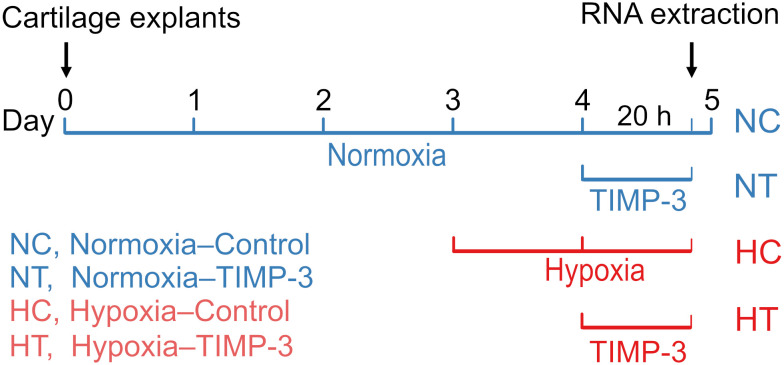 Figure 1
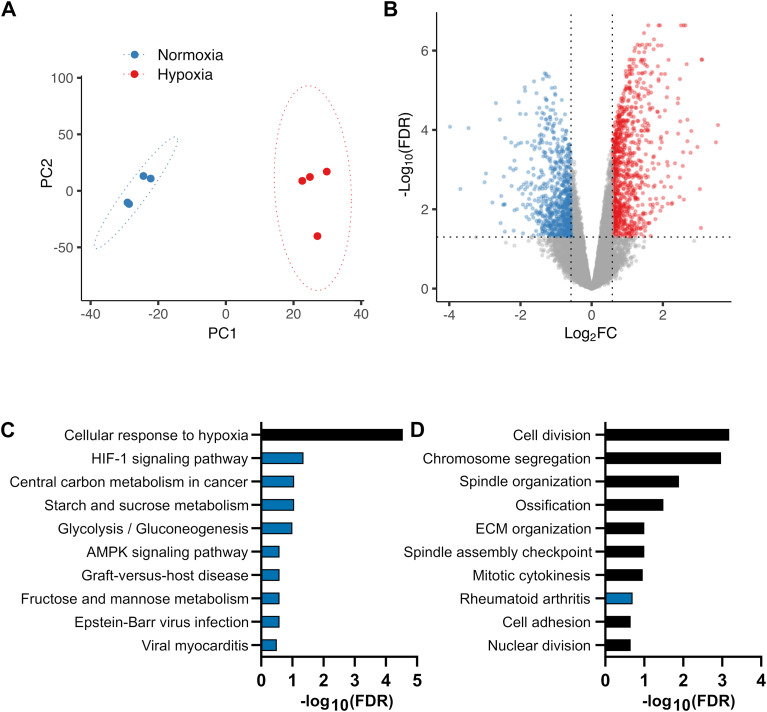 Figure 2
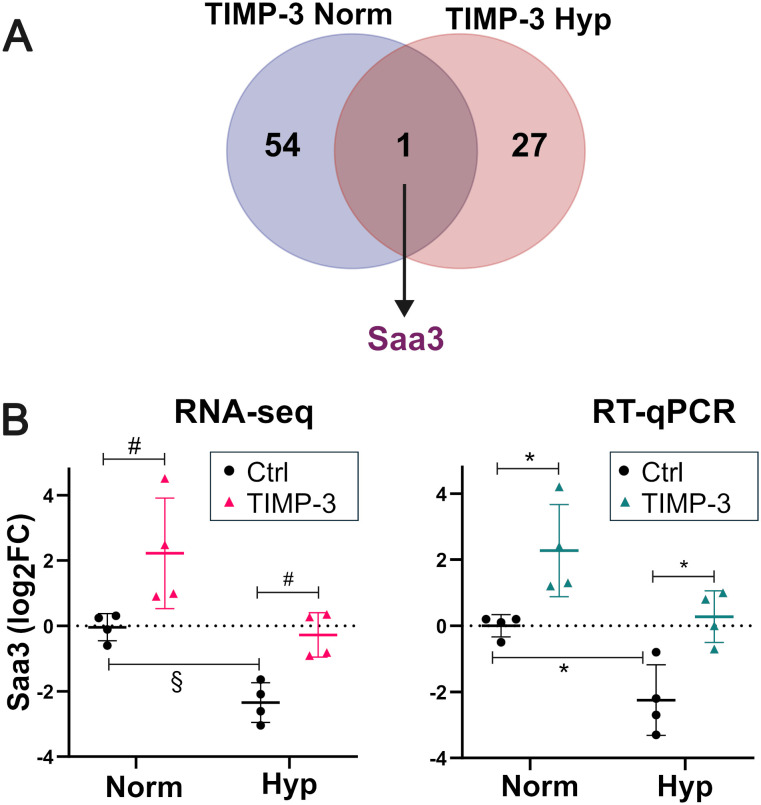 Figure 3
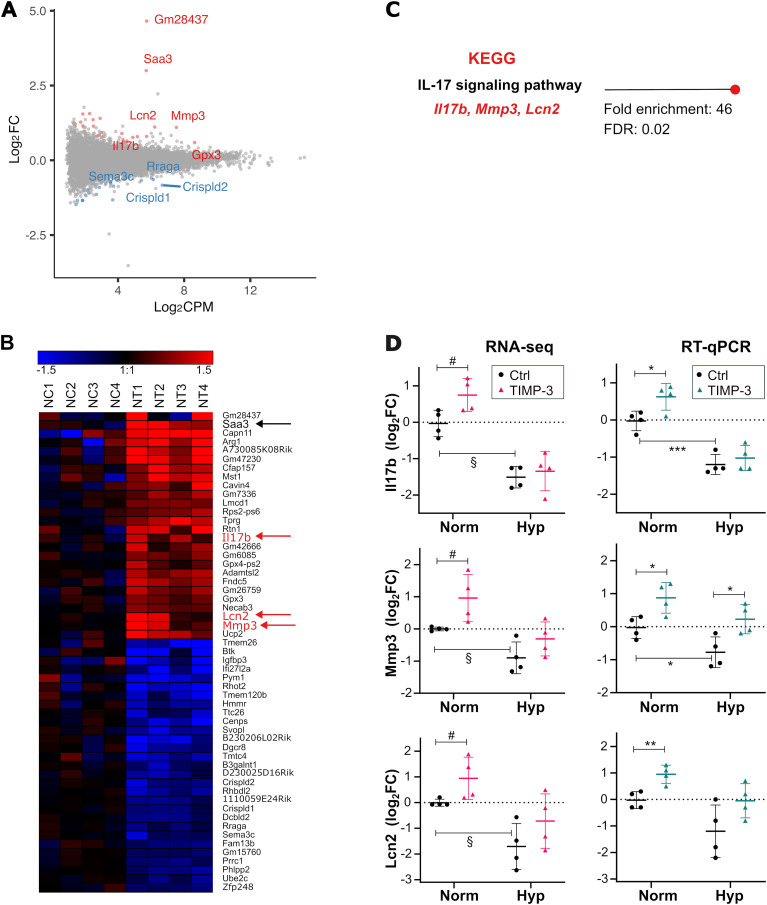 Figure 4
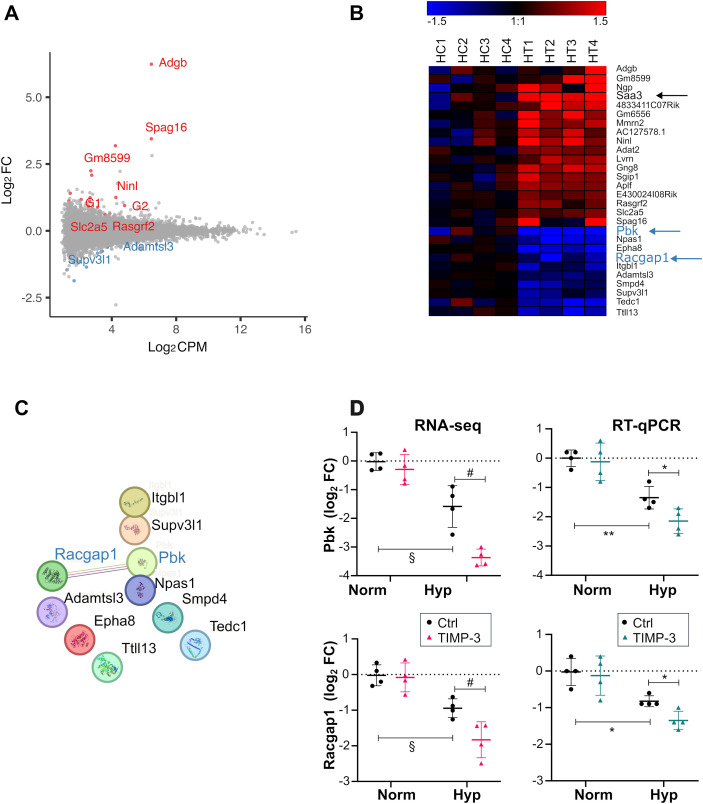 Figure 5
Peer Reviews
No public reviews on file for this paper yet. If you reviewed it on a platform where reviews are public (OpenReview, ICLR, NeurIPS, ICML), you can paste yours below so the community can read it here.
Videos
No videos yet. Explain this paper in a talk, walkthrough, or lecture? Add one.
Taxonomy
TopicsOsteoarthritis Treatment and Mechanisms · Rheumatoid Arthritis Research and Therapies · Protease and Inhibitor Mechanisms