Bioprocessed Black Rice Bran and Balloon Flower Root Cooperatively Regulate IgE, Epithelial Signaling, and Th1/Th2 Balance to Induce Therapeutic Response in a Mouse Model of Atopic Dermatitis
Kyung Hee Lee, Ki Sun Kwon, Woon Sang Hwang, Alan D. Friedman, Wha Young Lee, Jeanman Kim, Sang Jong Lee, Sung Phil Kim, Mendel Friedman

TL;DR
This study shows that a combination of bioprocessed black rice bran and balloon flower root can reduce inflammation and improve symptoms in a mouse model of atopic dermatitis.
Contribution
The novel contribution is the discovery of a synergistic immunomodulatory effect of BRB-F and BFR-F on multiple immune pathways in atopic dermatitis.
Findings
BRB-F and BFR-F reduced IgE production and mast cell degranulation in vitro.
The BRB-F:BFR-F mixture improved skin lesions and reduced serum IgE by up to 87.1% in mice.
The treatment suppressed Th2 cytokines and partially restored Th1 cytokine expression in mice.
Abstract
Atopic dermatitis (AD) is a chronic inflammatory skin disorder characterized by epidermal barrier dysfunction and dysregulated immune responses, particularly an imbalance between T helper type 1 (Th1) and type 2 (Th2) cytokines. Natural products with immunomodulatory activity have attracted increasing attention as potential strategies for regulating allergic inflammation. In this study, we investigated the immunomodulatory effects of bioprocessed black rice bran (BRB-F) and bioprocessed balloon flower root (BFR-F). In vitro assays using human B cells, mast cells, and keratinocytes were conducted to evaluate IgE production, mast cell degranulation, and epithelial inflammatory mediator release. The efficacy of the BRB-F:BFR-F mixture was further evaluated in BALB/c mice with 2,4-dinitrochlorobenzene (DNCB)/Dermatophagoides farinae extract (DFE)-induced AD-like dermatitis. BRB-F and BFR-F…
Genes, proteins, chemicals, diseases, species, mutations and cell lines named across the full text — each resolved to its canonical identifier and authoritative record.
Click any figure to enlarge with its caption.
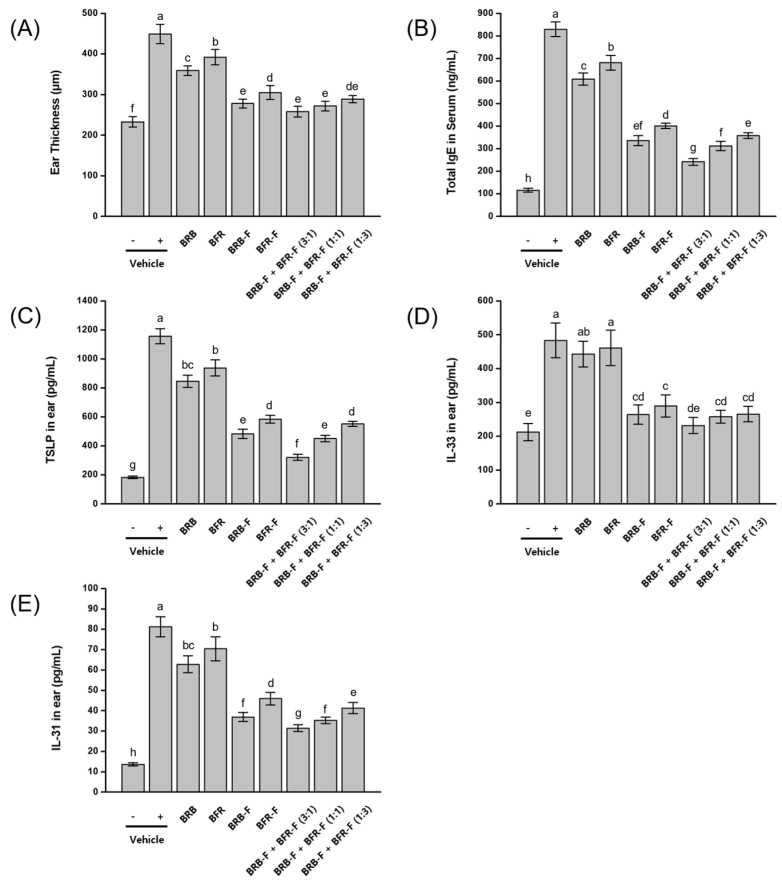 Figure 1
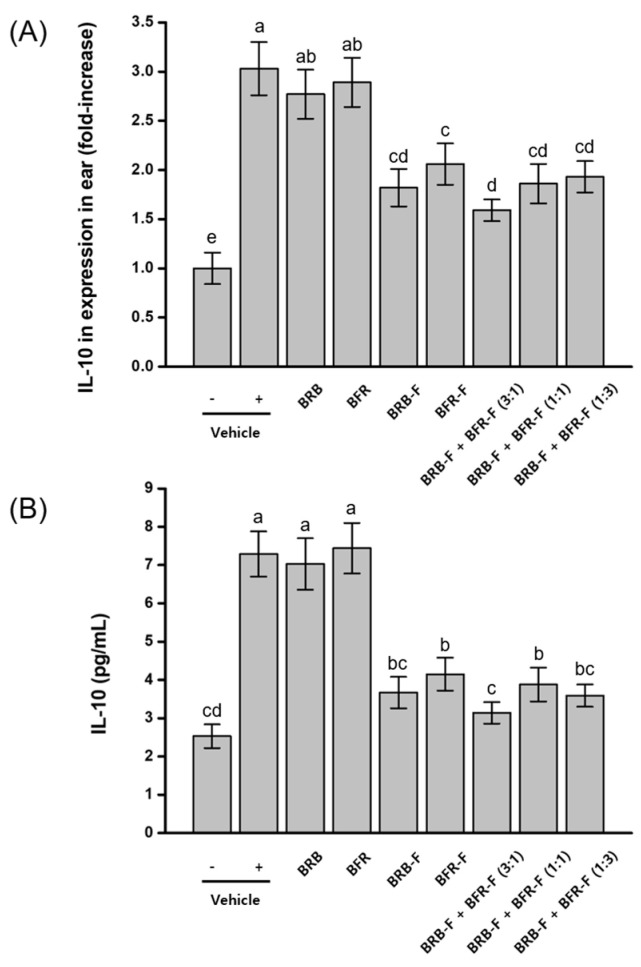 Figure 2
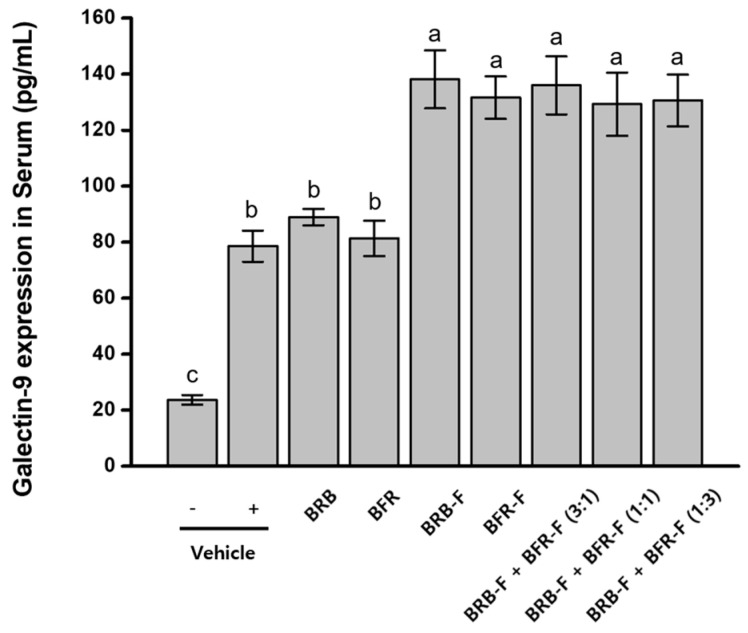 Figure 3
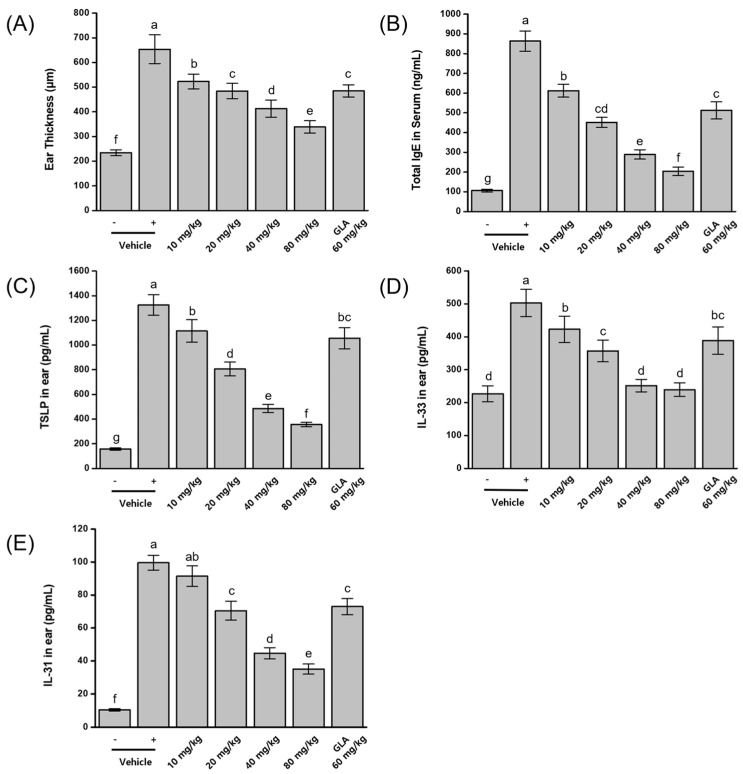 Figure 4
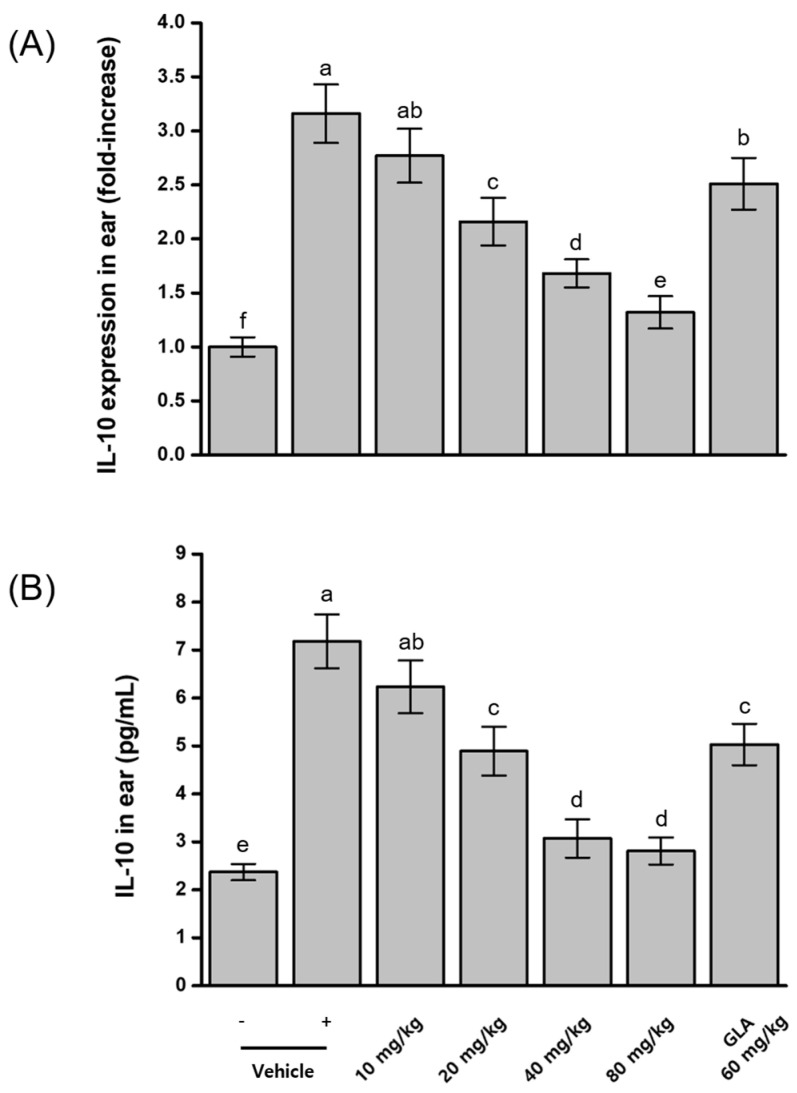 Figure 5
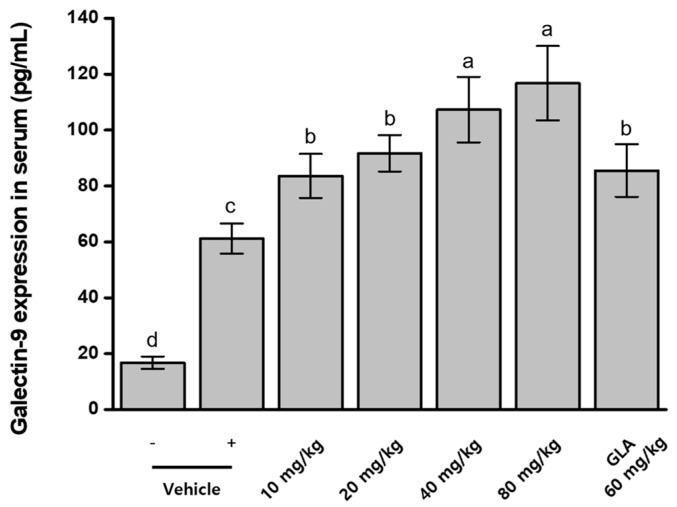 Figure 6
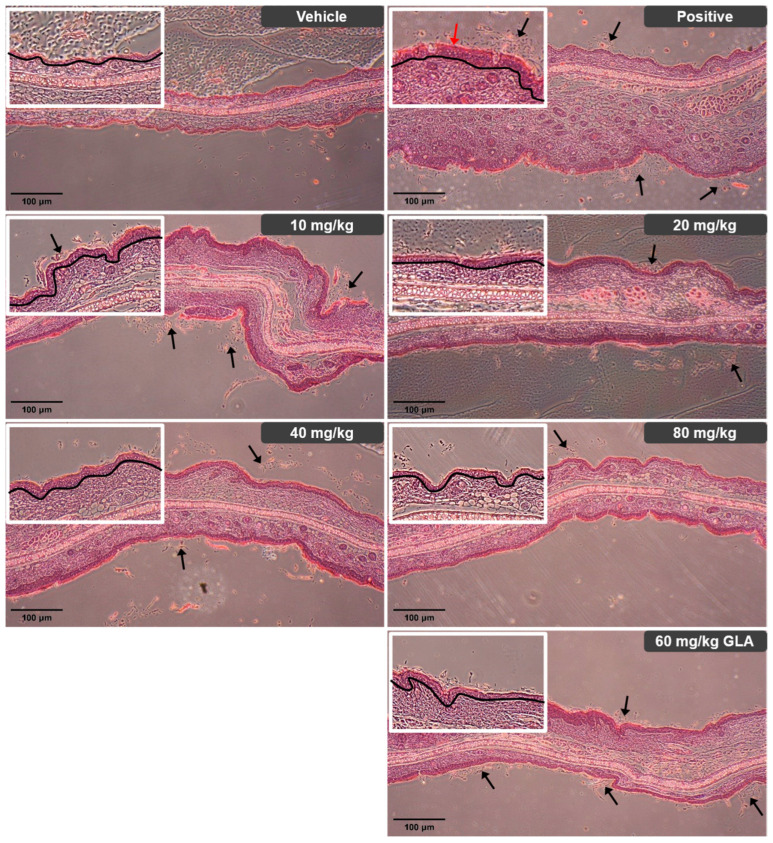 Figure 7
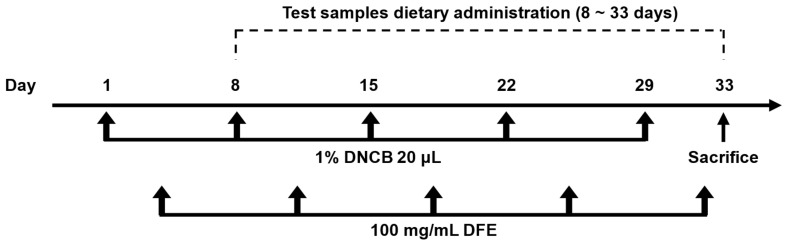 Figure 8
Peer Reviews
No public reviews on file for this paper yet. If you reviewed it on a platform where reviews are public (OpenReview, ICLR, NeurIPS, ICML), you can paste yours below so the community can read it here.
Videos
No videos yet. Explain this paper in a talk, walkthrough, or lecture? Add one.
Taxonomy
TopicsDermatology and Skin Diseases · Mast cells and histamine · Food Allergy and Anaphylaxis Research