Propensity Score Analysis of Second-Line Chemotherapy Outcome in Advanced Biliary Tract Cancer
Kijjakom Thanasombunsukh, Chaiyut Charoentum, Apichat Tantraworasin, Jiraporn Khorana

TL;DR
This study shows that second-line chemotherapy improves survival in patients with advanced biliary tract cancer compared to supportive care alone.
Contribution
The study provides evidence for the survival benefit of second-line chemotherapy in a Thai population with advanced biliary tract cancer.
Findings
Second-line chemotherapy was associated with a 53% reduction in the risk of death compared to best supportive care alone.
The median overall survival was 5.3 months with second-line chemotherapy versus 1.0 months with best supportive care alone.
Restricted mean survival time differences showed significant benefits for second-line chemotherapy at 3, 6, and 12 months.
Abstract
Background/Objectives: Several chemotherapeutic regimens and targeted therapies are currently established as standard second-line treatments for patients with advanced biliary tract cancer (BTC). However, evidence regarding the benefits of treatment after first-line therapy failure remains limited, particularly among Thai populations. This study aimed to explore the efficacy of second-line chemotherapy in patients with advanced BTC. Methods: We conducted a single-institution, retrospective study including patients with locally advanced or metastatic BTC who experienced disease progression following first-line treatment between January 2017 and December 2019. Overall survival (OS) was defined as the primary endpoint. The secondary endpoint was the restricted mean survival time (RMST). To minimize confounding, propensity scores were estimated and applied using inverse probability of…
Genes, proteins, chemicals, diseases, species, mutations and cell lines named across the full text — each resolved to its canonical identifier and authoritative record.
Click any figure to enlarge with its caption.
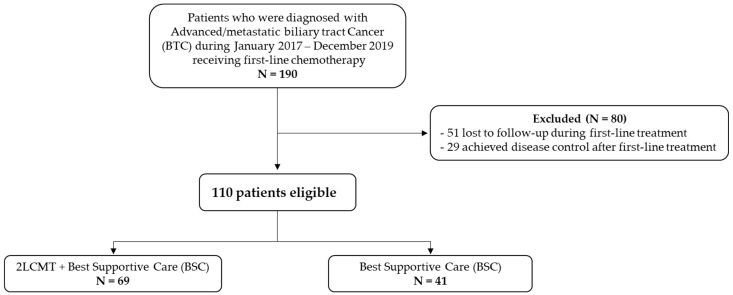 Figure 1
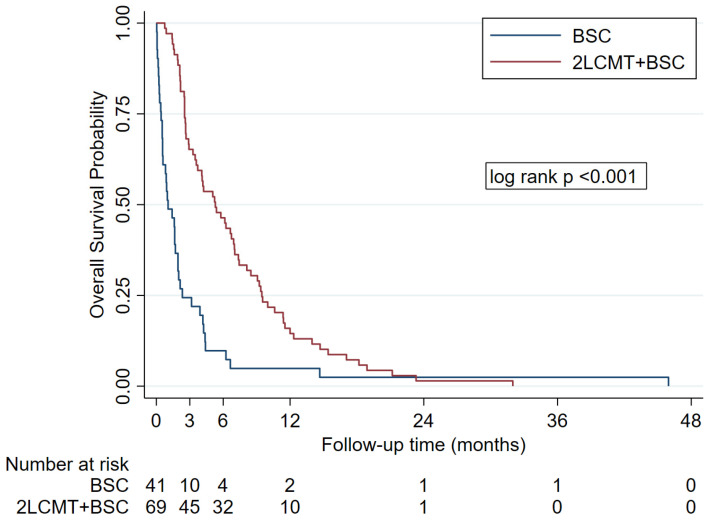 Figure 2
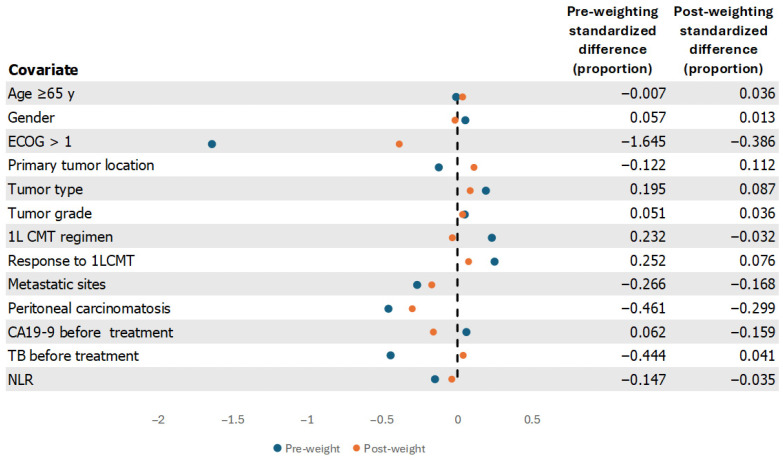 Figure 3
Peer Reviews
No public reviews on file for this paper yet. If you reviewed it on a platform where reviews are public (OpenReview, ICLR, NeurIPS, ICML), you can paste yours below so the community can read it here.
Videos
No videos yet. Explain this paper in a talk, walkthrough, or lecture? Add one.
Taxonomy
TopicsCholangiocarcinoma and Gallbladder Cancer Studies · Gallbladder and Bile Duct Disorders · Pancreatic and Hepatic Oncology Research