Fluoxetine Repurposing Mitigates Alzheimer’s Disease Pathology via the GSK3β–CREB–ADAM10 Axis
Soo-Ho Lee, Yeonghoon Son, Hyosun Jang, Hyun-Yong Kim, Kwang Seok Kim, Hyun-Shik Lee, Hae-June Lee

TL;DR
Fluoxetine, an antidepressant, may help reduce Alzheimer's disease symptoms by targeting specific brain pathways in mice.
Contribution
Fluoxetine's novel therapeutic potential in Alzheimer's via the GSK3β–CREB–ADAM10 pathway is demonstrated in a mouse model.
Findings
Fluoxetine reduced amyloid plaques and inflammation in the brains of 5xFAD mice.
Fluoxetine increased GSK3β phosphorylation, CREB activation, and ADAM10 expression in mice and neuronal cells.
GSK3β inhibition, not CaMKII inhibition, modulated CREB and ADAM10 in SH-SY5Y cells.
Abstract
Alzheimer’s disease (AD) is the most prevalent neurodegenerative disorder in the aging population. Drug repurposing provides a cost-effective strategy to identify novel therapeutics that may mitigate age-associated pathologies. Here, we report the therapeutic potential of fluoxetine, a selective serotonin reuptake inhibitor commonly used as an antidepressant, in alleviating cognitive impairment and AD-like pathology in 5xFAD mice, a transgenic model of familial AD. Chronic fluoxetine administration significantly ameliorated anxiety-like behavior and cognitive deficits in 5xFAD mice, as assessed by open field, Y-maze, and novel object recognition tests. Fluoxetine treatment was associated with reduced amyloid plaque deposition in the hippocampus and cortex, attenuation of microglial activation, and decreased expression of inflammatory cytokines. At the molecular level, fluoxetine…
Genes, proteins, chemicals, diseases, species, mutations and cell lines named across the full text — each resolved to its canonical identifier and authoritative record.
Click any figure to enlarge with its caption.
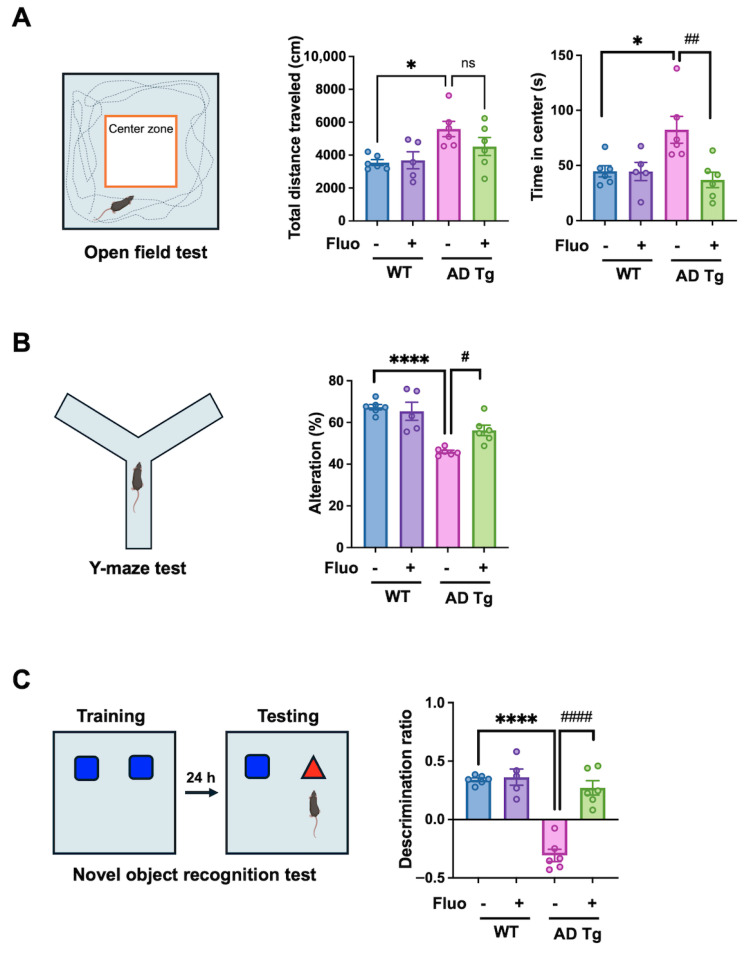 Figure 1
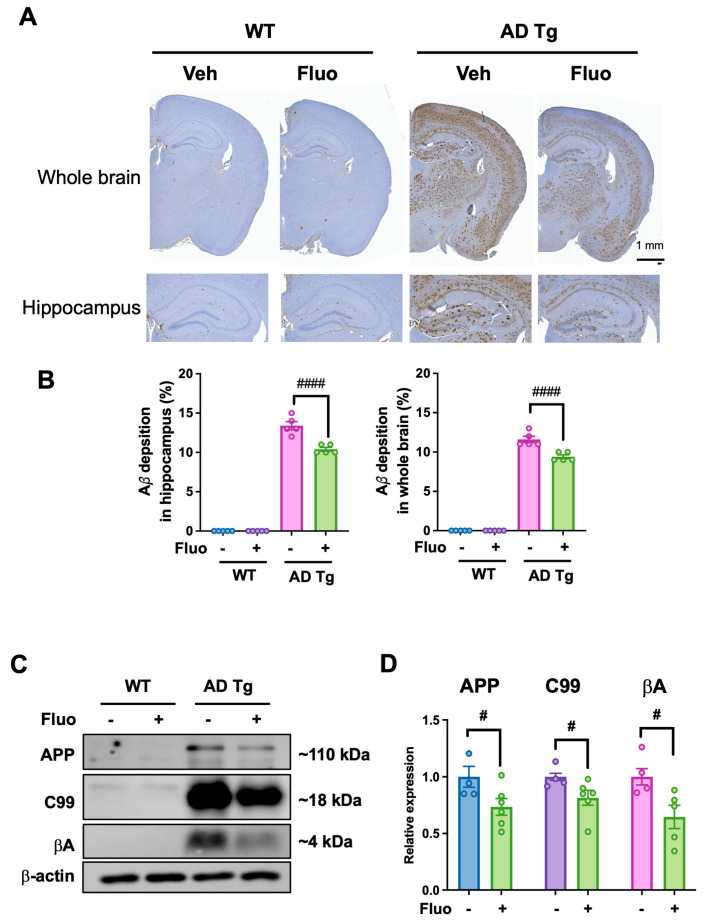 Figure 2
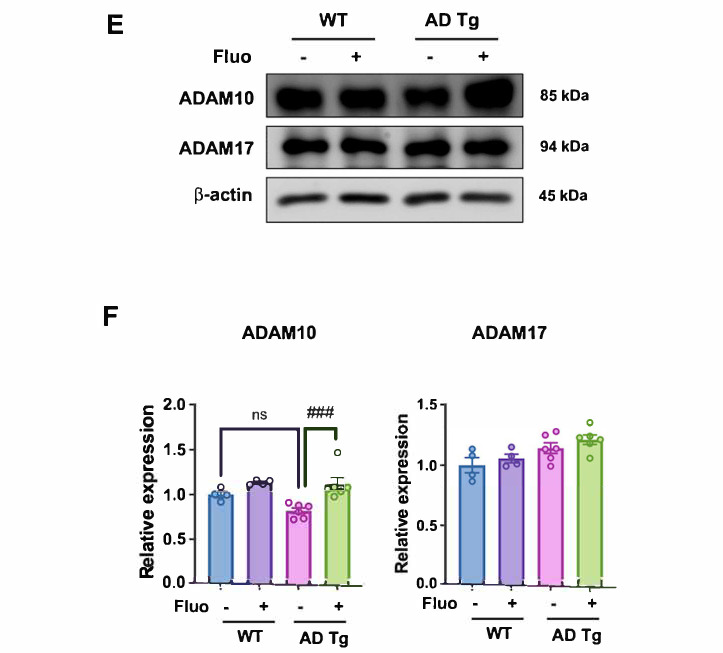 Figure 3
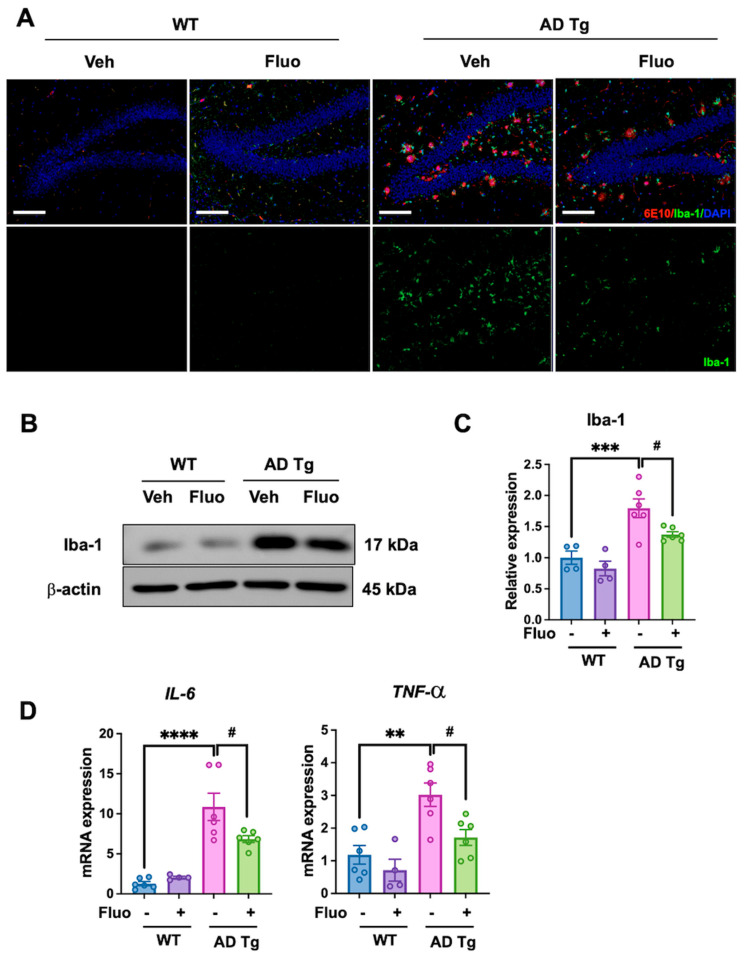 Figure 4
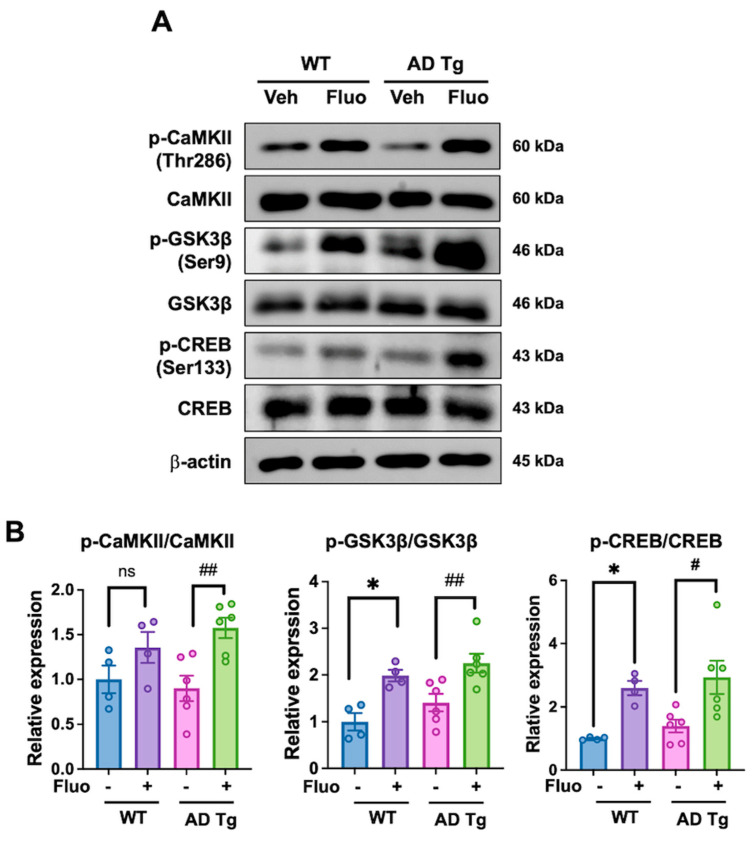 Figure 5
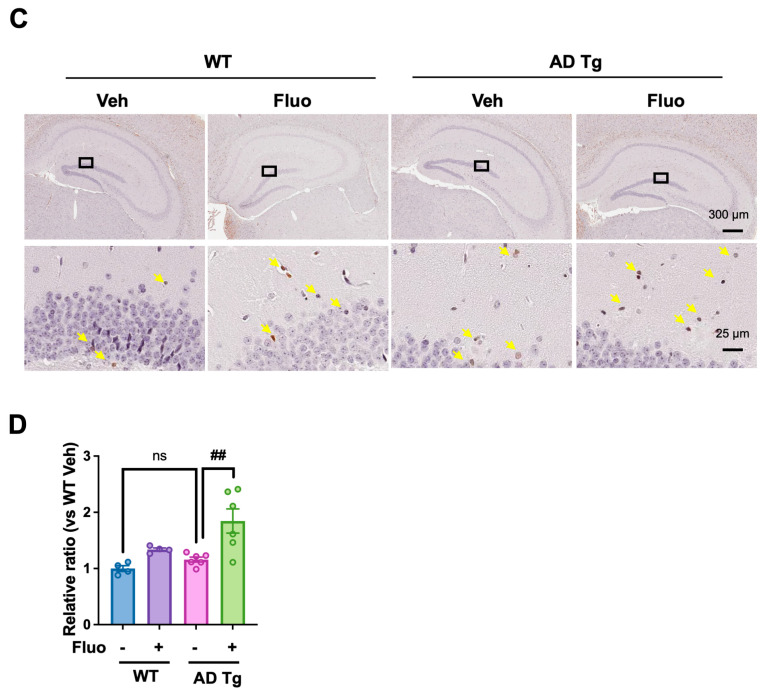 Figure 6
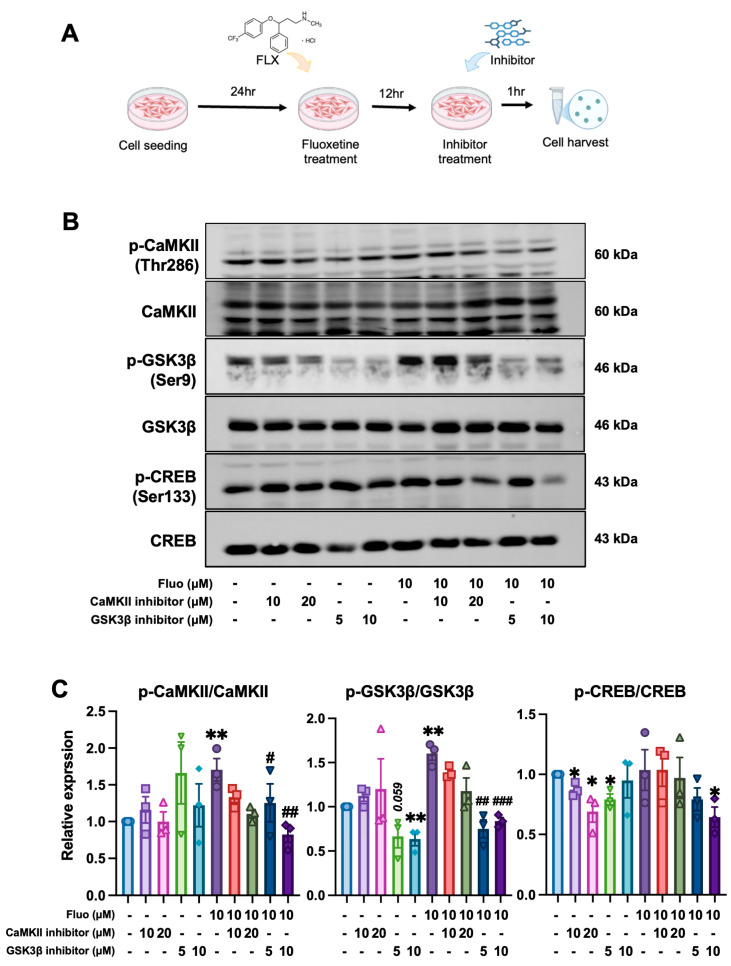 Figure 7
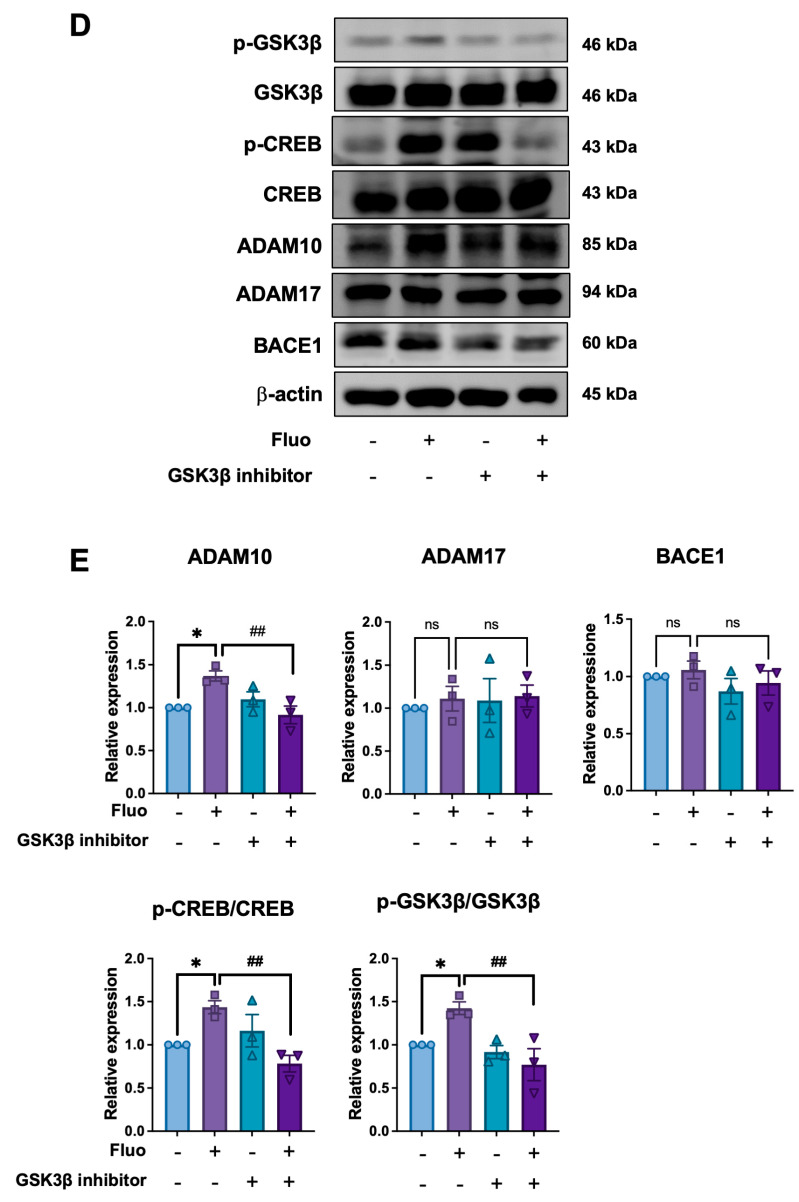 Figure 8
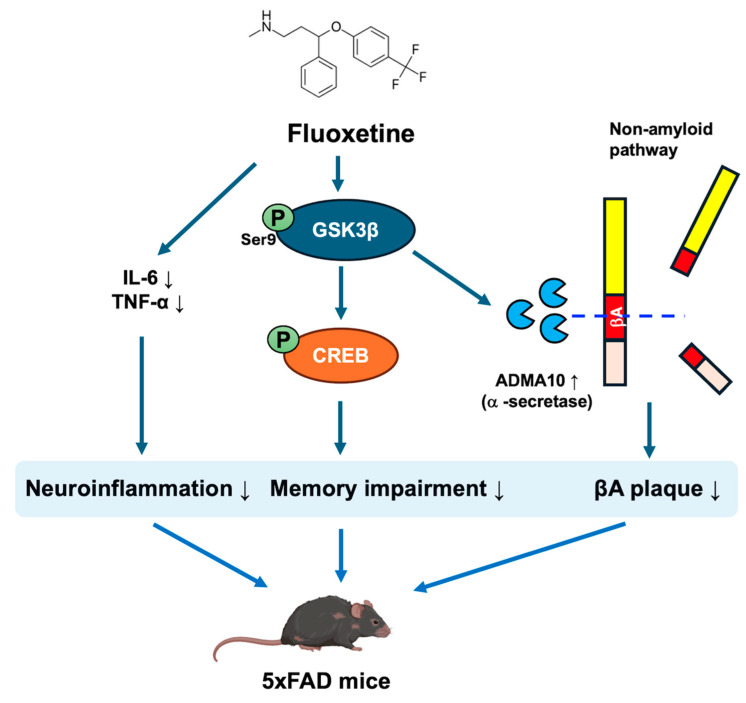 Figure 9
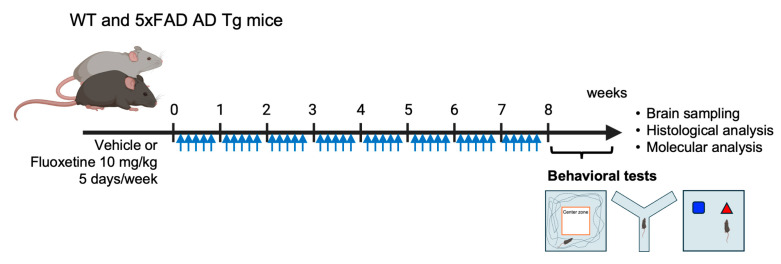 Figure 10
Peer Reviews
No public reviews on file for this paper yet. If you reviewed it on a platform where reviews are public (OpenReview, ICLR, NeurIPS, ICML), you can paste yours below so the community can read it here.
Videos
No videos yet. Explain this paper in a talk, walkthrough, or lecture? Add one.
Taxonomy
TopicsAlzheimer's disease research and treatments · Dementia and Cognitive Impairment Research · Tryptophan and brain disorders