Convergent Evolution of Silk Webbing in Eriophyoid Mites (Eriophyoidea) and Aceria–Cisaberoptus Sympatry on Mango
Philipp E. Chetverikov, Charnie Craemer, Alexey G. Desnitskiy, Nikita S. Kopylov, Andrey T. Kudrjavtzev, Viert D. Nguen, Anna E. Romanovich, Hoat X. Trinh, Andrey E. Vishnyakov, James Amrine

TL;DR
This study explores how different mite species independently evolved silk webbing on mango plants and how some mites may work together to build these webs.
Contribution
The study reveals convergent evolution of silk webbing in distantly related mite lineages and identifies potential mutualism between co-occurring species.
Findings
Silk web production evolved independently in phylogenetically distant eriophyoid mite lineages.
Cisaberoptus kenyae and Aceria aegyptindicae frequently co-occur and likely cooperate in building shared silk webs on mango.
Web-spinning mites on mango are phylogenetically linked to the Cecidophyinae subfamily.
Abstract
Eriophyoid mites are an ancient lineage of highly specialized plant parasites. Despite their minute size, certain species produce large protective silk nests. Using an integrative approach combining field observations, detailed morphology, and molecular data, we investigated web-spinning mites associated with the leaves of Mangifera indica (mango) in Asia, Africa, and North America and Lepisanthes rubiginosa (mertajam) in Vietnam. Our results demonstrate that silk-web production evolved convergently in phylogenetically distant lineages. We also show that on mango, the species Cisaberoptus kenyae and Aceria aegyptindicae frequently co-occur and likely cooperate in spinning shared webs. Finally, we provide evidence for a phylogenetic relationship linking the mango-associated web-spinners to the mite subfamily Cecidophyinae. Several lineages within the Eriophyoidea, an ancient group of…
Genes, proteins, chemicals, diseases, species, mutations and cell lines named across the full text — each resolved to its canonical identifier and authoritative record.
Click any figure to enlarge with its caption.
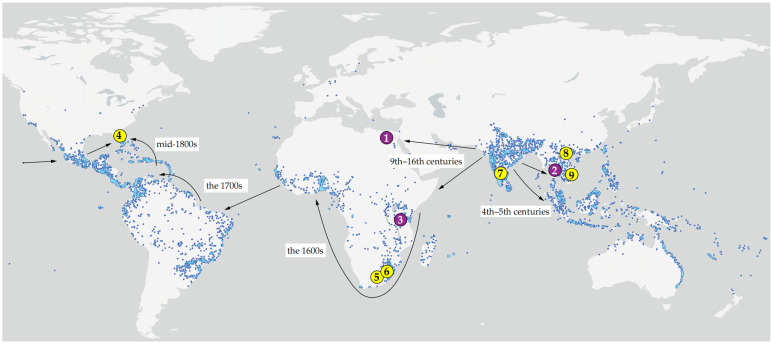 Figure 1
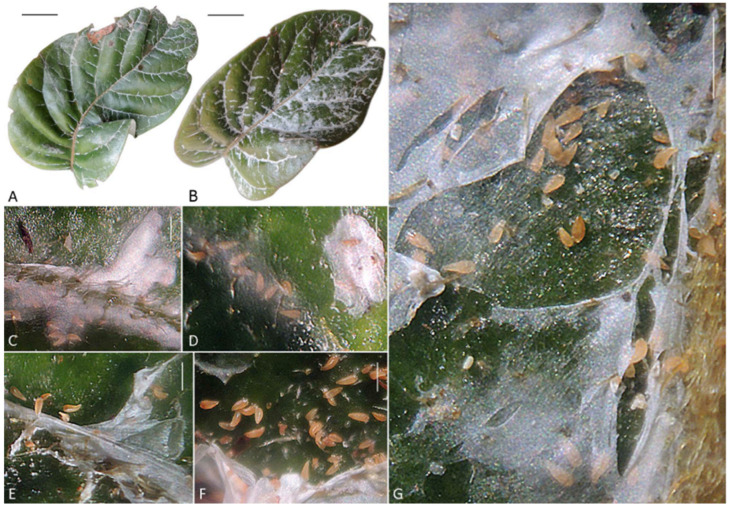 Figure 2
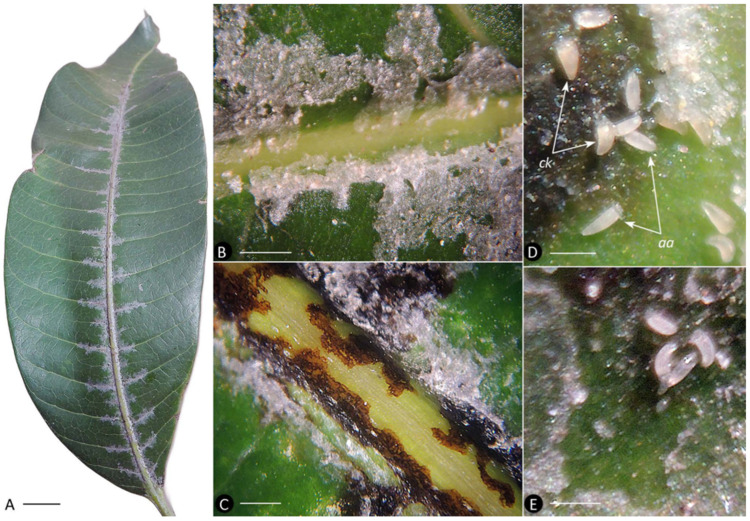 Figure 3
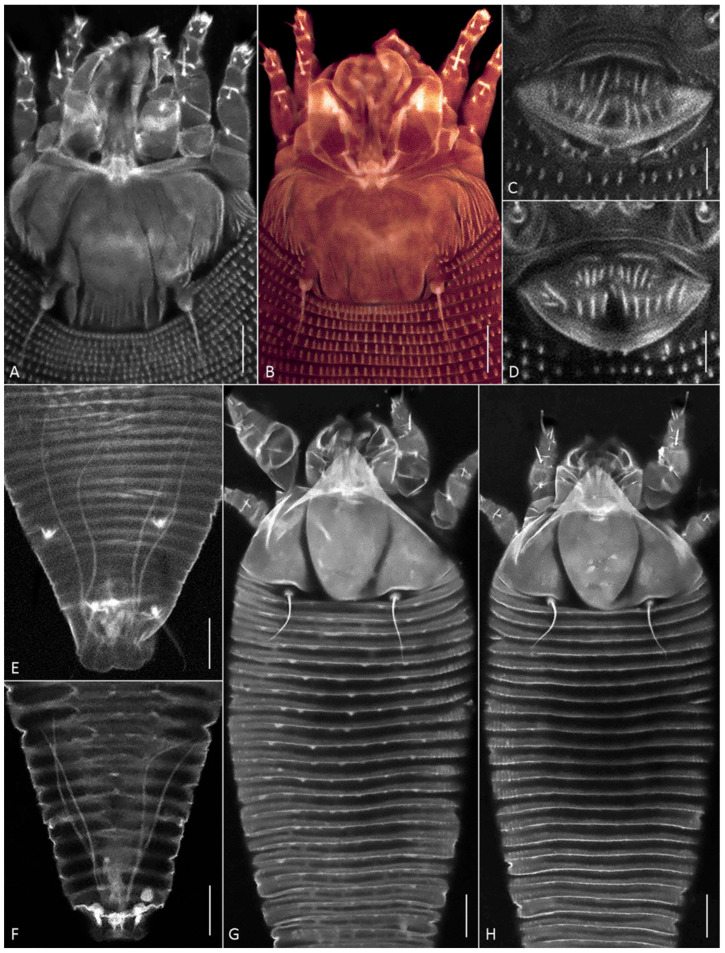 Figure 4
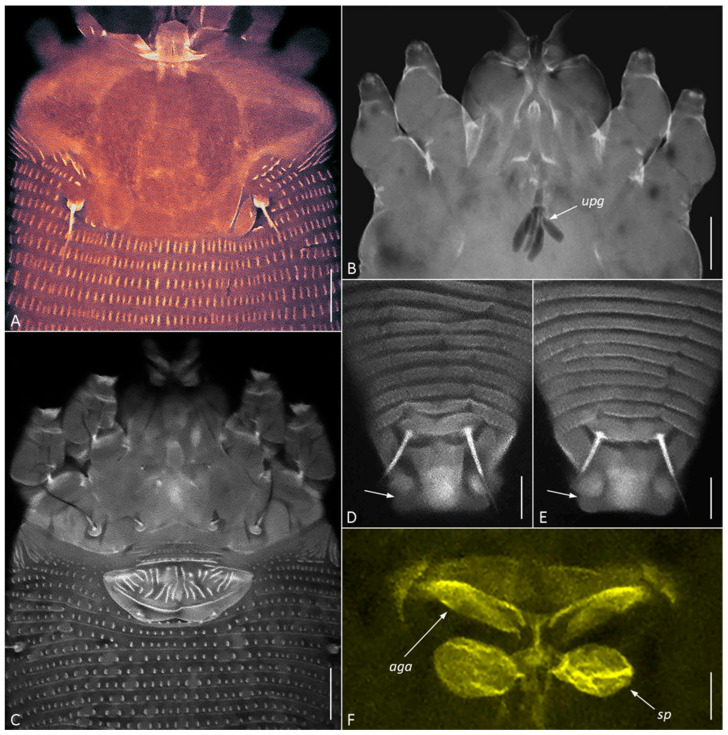 Figure 5
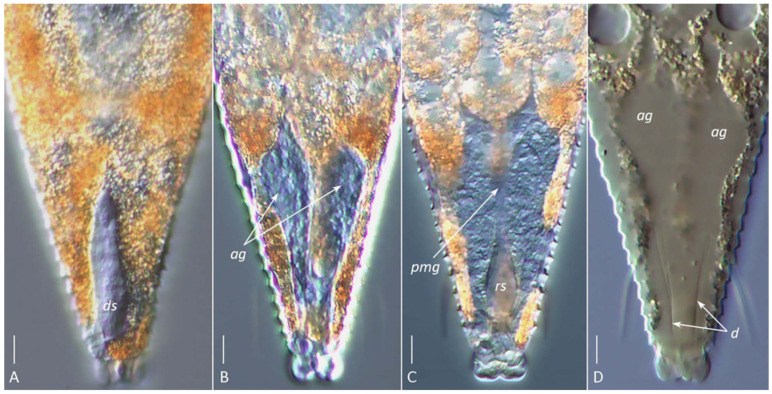 Figure 6
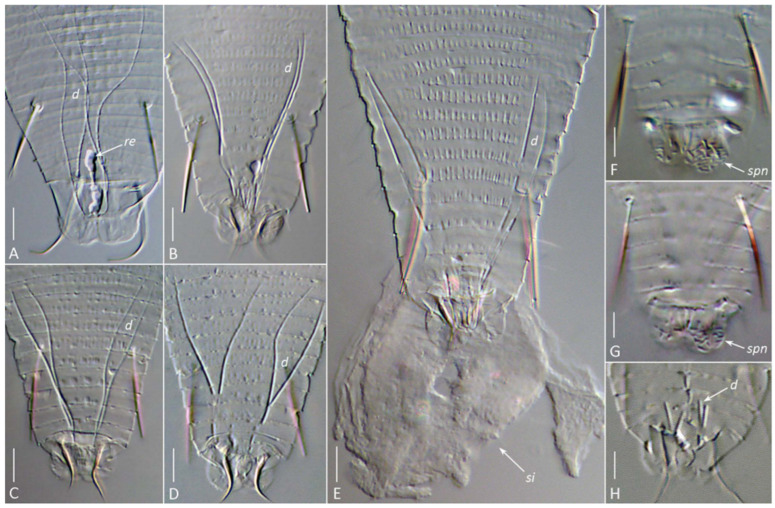 Figure 7
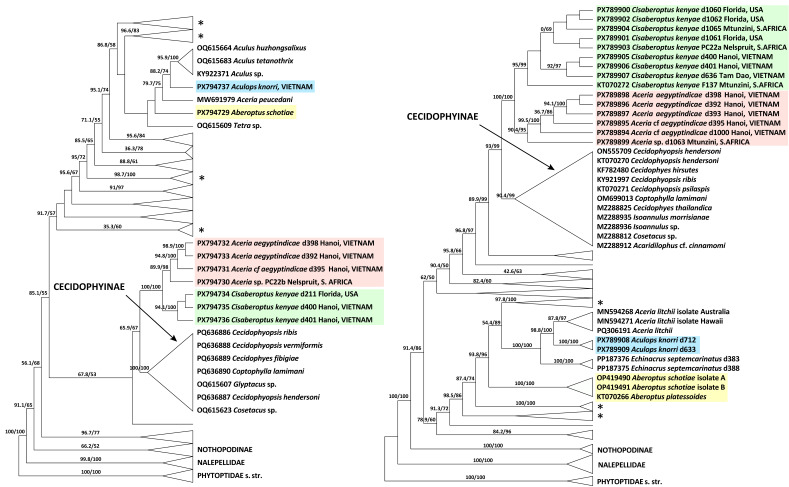 Figure 8
Peer Reviews
No public reviews on file for this paper yet. If you reviewed it on a platform where reviews are public (OpenReview, ICLR, NeurIPS, ICML), you can paste yours below so the community can read it here.
Videos
No videos yet. Explain this paper in a talk, walkthrough, or lecture? Add one.
Taxonomy
TopicsInsect-Plant Interactions and Control · Study of Mite Species · Phytoplasmas and Hemiptera pathogens