Oxidative Stress in Health and Disease: Mechanisms and Therapeutic Perspectives
Shehwaz Anwar, Hajed Obaid A. Alharbi, Ali Yousif Babiker, Arshad Husain Rahmani

TL;DR
This review explores how reactive oxygen species (ROS) act as both essential signaling molecules and harmful agents causing oxidative stress, linking them to various diseases and potential therapeutic strategies.
Contribution
The paper provides an updated and integrated overview of ROS biology and their roles in health and disease, emphasizing precision redox medicine.
Findings
ROS function as essential signaling molecules at physiological levels but cause oxidative stress when deregulated.
Oxidative stress contributes to the pathophysiology of cancer, diabetes, cardiovascular diseases, and neurodegenerative conditions.
Advances in ROS detection technologies support the development of targeted antioxidant-based therapies.
Abstract
Reactive oxygen species (ROS) are inevitable byproducts of aerobic metabolism that exert a dual role in biological systems. At physiological levels, tightly regulated ROS levels function as essential signaling molecules regulating cellular communication, immune defense, metabolic adaptation, and maintenance of tissue homeostasis. However, excessive or deregulated ROS production disrupts redox balance and contributes to oxidative stress, a key factor in the onset and progression of numerous pathogenesis. This review provides an updated and integrated overview of ROS biology, summarizing their major types, cellular and molecular sources, and physiological functions, highlighting their significance in physiological redox signaling and oxidative stress-mediated disease mechanisms. Key molecular pathways involved in ROS-induced cell damage, redox imbalance, and signaling dysregulation are…
Genes, proteins, chemicals, diseases, species, mutations and cell lines named across the full text — each resolved to its canonical identifier and authoritative record.
Click any figure to enlarge with its caption.
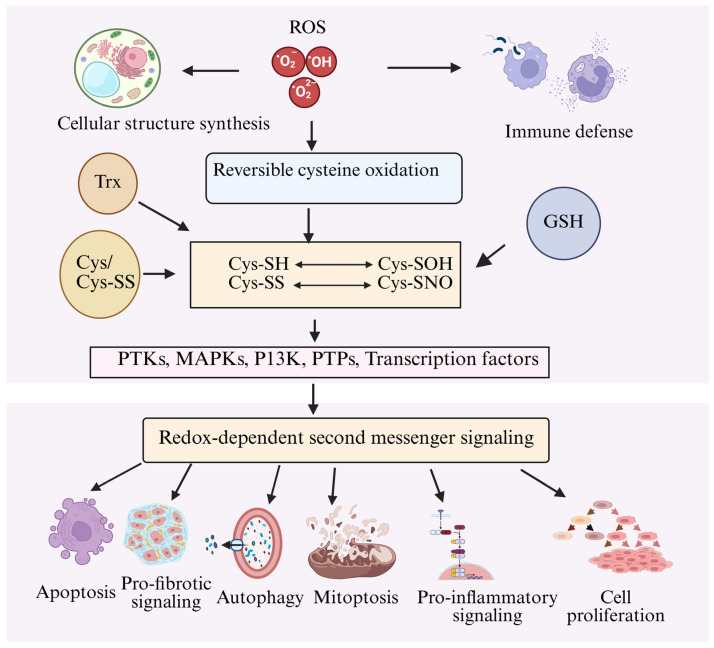 Figure 1
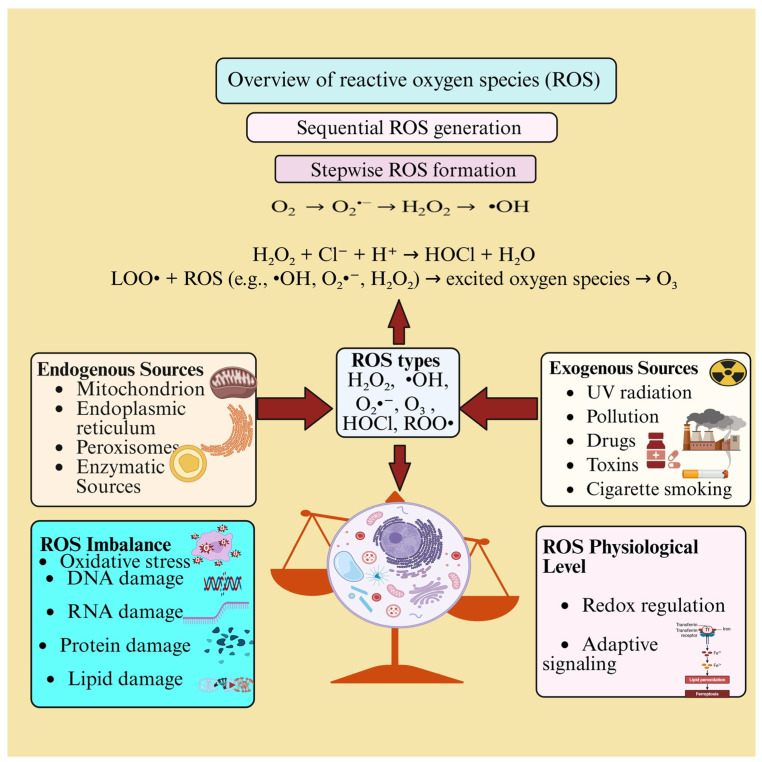 Figure 2
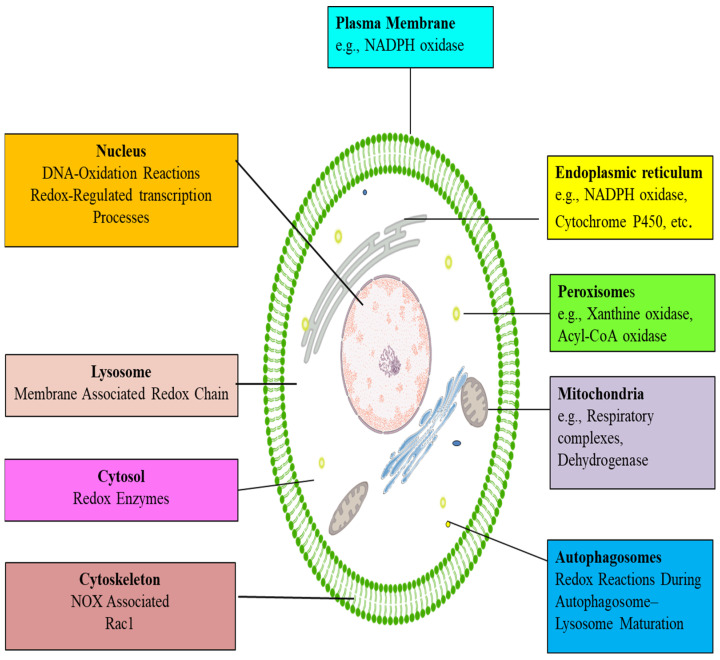 Figure 3
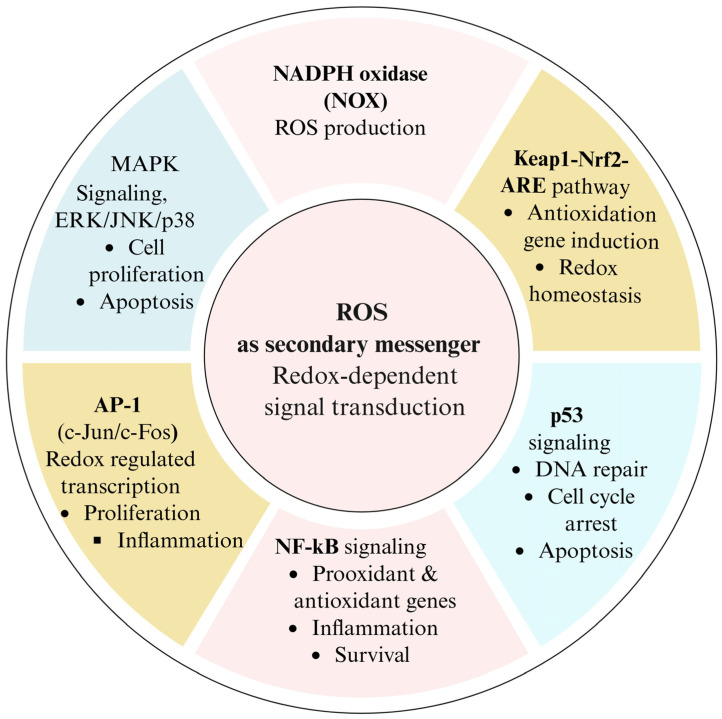 Figure 4
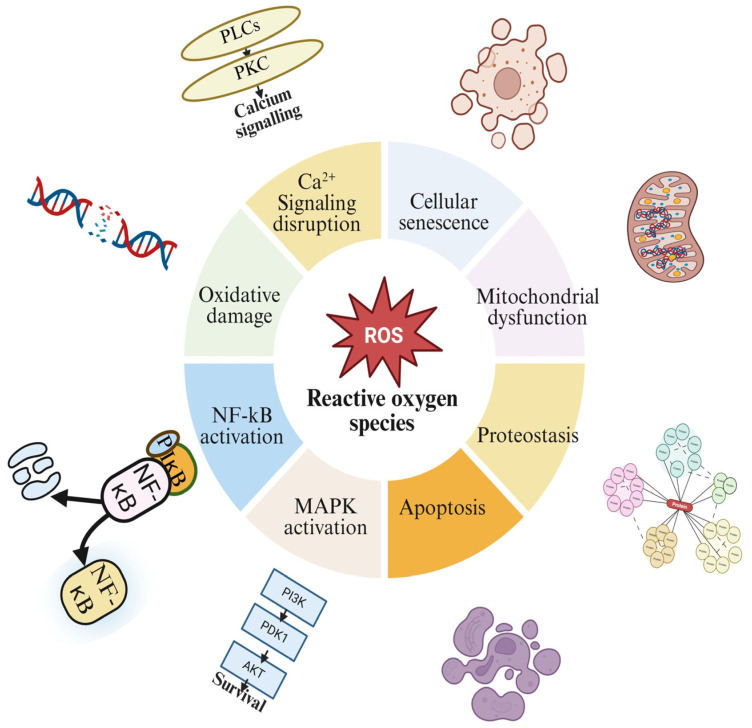 Figure 5
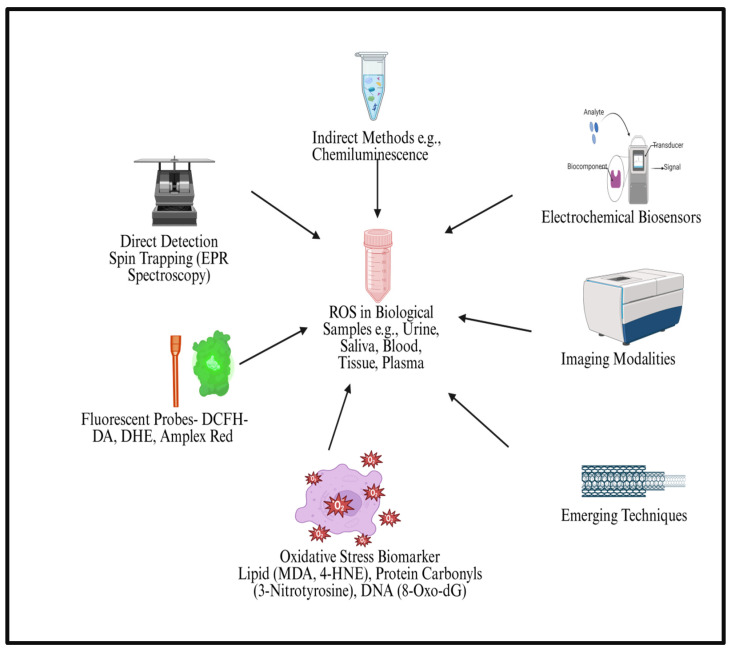 Figure 6
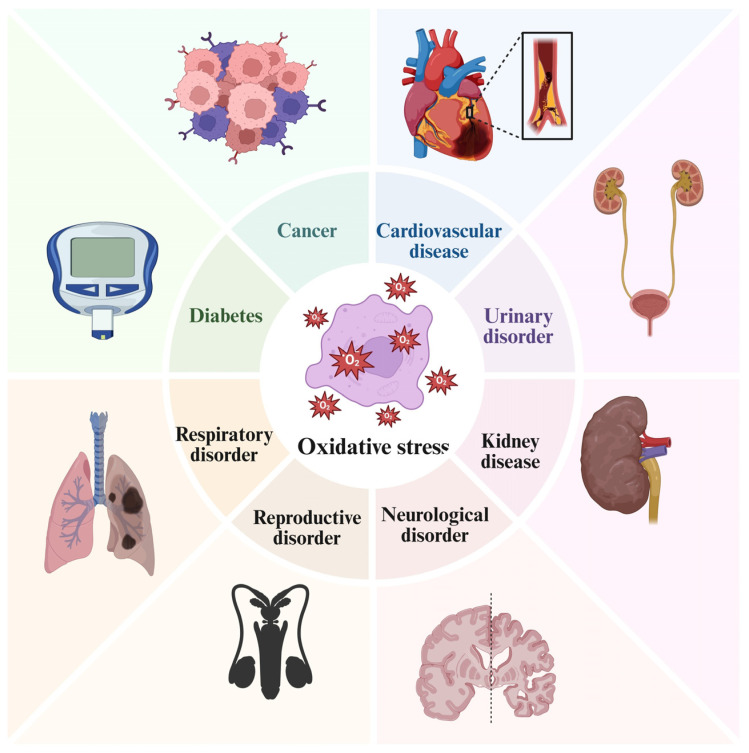 Figure 7
Peer Reviews
No public reviews on file for this paper yet. If you reviewed it on a platform where reviews are public (OpenReview, ICLR, NeurIPS, ICML), you can paste yours below so the community can read it here.
Videos
No videos yet. Explain this paper in a talk, walkthrough, or lecture? Add one.
Taxonomy
TopicsNeutrophil, Myeloperoxidase and Oxidative Mechanisms · Redox biology and oxidative stress · Antioxidant Activity and Oxidative Stress