Chemical Recognition Mechanism of Telenomus remus Preference for Spodoptera frugiperda Eggs Based on Metabolomics with GC-MS
Chunyan Yi, Wenjuan Yu, Mao Wang, Cuicui Zhang, Lei Wang, Tianqin Fan, Yang Yang, Song Chen, Yanping Wang

TL;DR
This study identifies specific chemicals that attract Telenomus remus wasps to Spodoptera frugiperda eggs, helping control this agricultural pest.
Contribution
The study is the first to identify key chemical compounds involved in T. remus host selection behavior.
Findings
T. remus wasps show a stronger preference for S. frugiperda eggs due to specific aldehydes, ketones, and esters.
Trans-1,2-dimethylcyclohexane acts as a universal attractant for Noctuidae host eggs.
2-Heptadecanone enhances preference for S. frugiperda eggs, while 2-hexanol repels the wasps.
Abstract
Telenomus remus is a natural enemy of Spodoptera frugiperda, a major agricultural pest, during its egg stage. To elucidate how it locates and selects host eggs, we investigated its behavioral responses to eggs of different insect species and analyzed the chemical profiles of these eggs. The study found that this wasp shows a stronger preference for the eggs of its natural host, S. frugiperda. Through comparative chemical analysis, we found that the level of specific aldehydes, ketones, esters and other substances was significantly upregulated in the host eggs. Further experiments identified several key compounds: trans-1,2-dimethylcyclohexane, a cycloalkane, exhibited an attractant effect on the wasps and may serve as a universal signal for its recognition of noctuid host eggs; 2-heptadecanone could specifically enhance its preference for the optimal host, the eggs of S. frugiperda. In…
Genes, proteins, chemicals, diseases, species, mutations and cell lines named across the full text — each resolved to its canonical identifier and authoritative record.
Click any figure to enlarge with its caption.
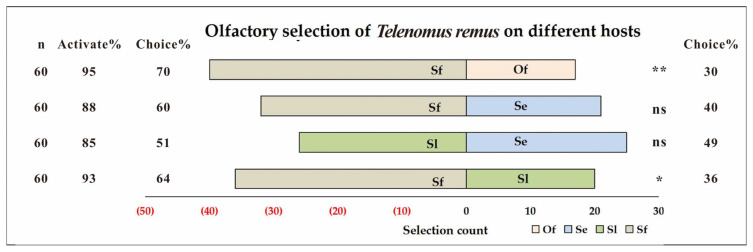 Figure 1
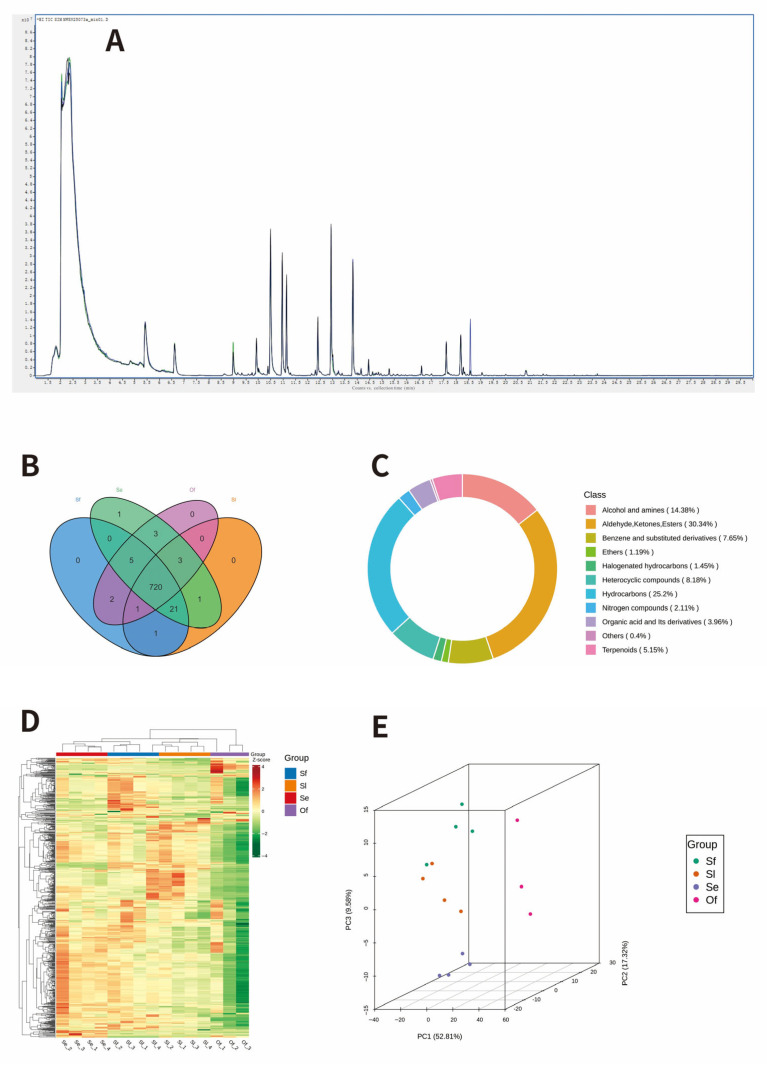 Figure 2
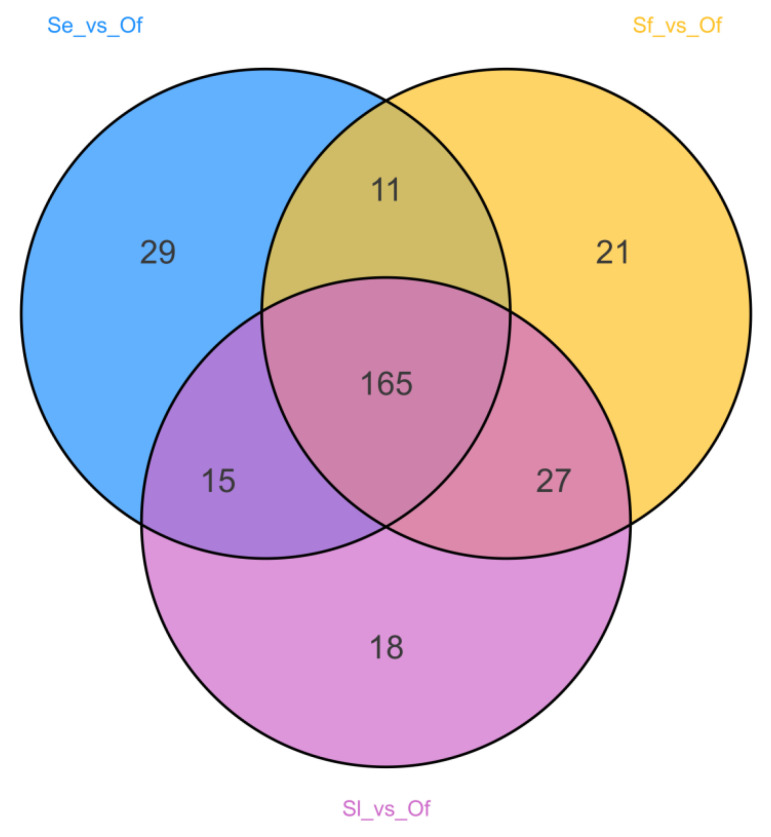 Figure 3
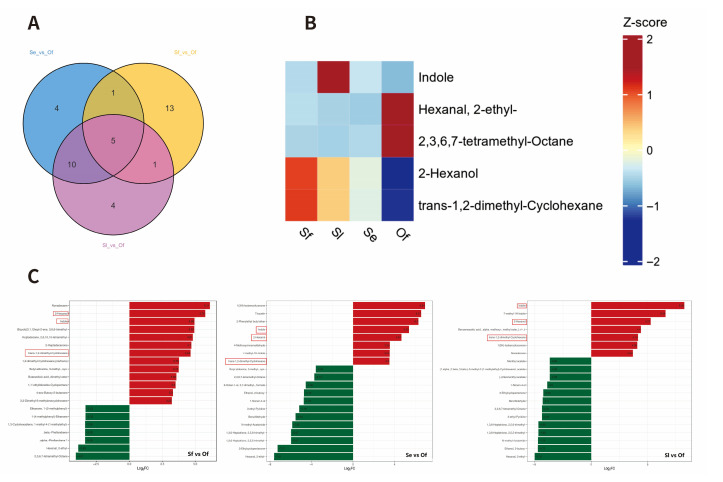 Figure 4
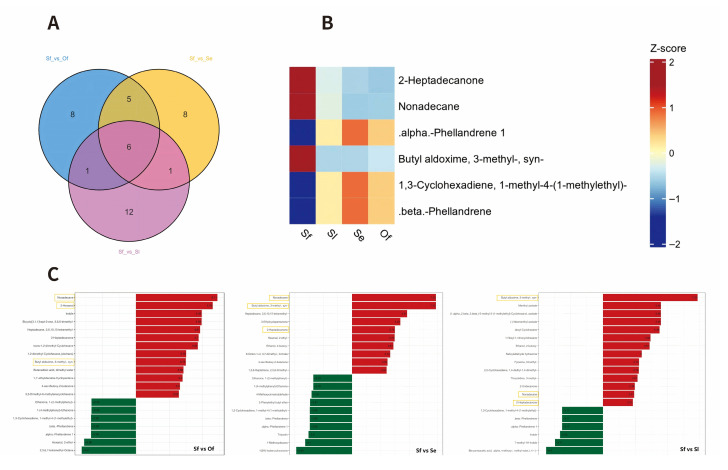 Figure 5
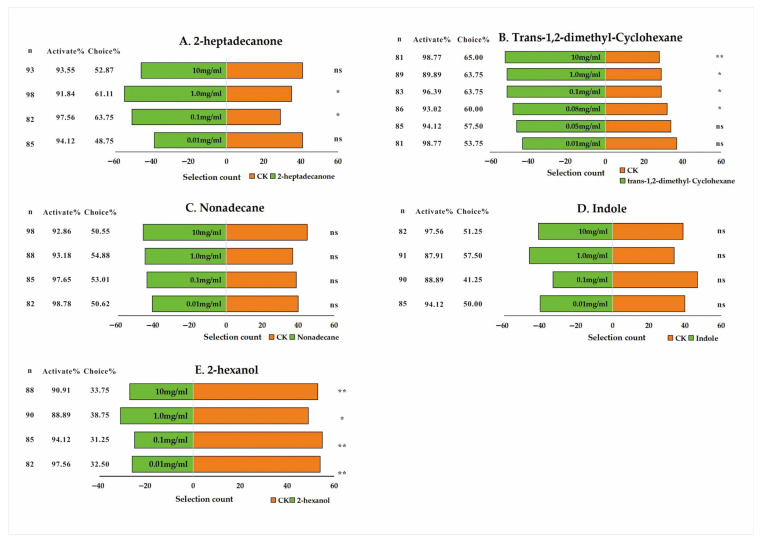 Figure 6
Peer Reviews
No public reviews on file for this paper yet. If you reviewed it on a platform where reviews are public (OpenReview, ICLR, NeurIPS, ICML), you can paste yours below so the community can read it here.
Videos
No videos yet. Explain this paper in a talk, walkthrough, or lecture? Add one.
Taxonomy
TopicsInsect-Plant Interactions and Control · Neurobiology and Insect Physiology Research · Insect Resistance and Genetics