The Art of Domesticating Proteins: How Cancer Cells Adapt to Therapeutic and Environmental Stressors
Slovénie Pyndiah

TL;DR
This paper reviews how cancer cells adapt to stress by regulating proteins through various mechanisms, using new tools like AI to develop better cancer treatments.
Contribution
The paper provides a comprehensive review of how cancer cells dynamically regulate proteins to adapt to stressors, integrating recent advances in AI and chemical biology.
Findings
Cells use post-translational modifications and protein turnover to adapt to stress.
Membraneless organelles help cells respond to environmental and therapeutic stressors.
AI and chemical biology offer new ways to study and manipulate protein regulation in cancer.
Abstract
Cellular survival and adaptability depend on the dynamic regulation of proteins—the central actors of biological systems. Through mechanisms such as post-translational modifications, protein turnover, and the formation of membraneless organelles, cells can sense and respond to a variety of stressors. Recent advances in artificial intelligence and chemical biology have provided powerful tools to study and manipulate these processes, paving the way for novel therapeutic strategies in cancer. This review explores how cells “tame” their proteome in response to stress by coordinating protein synthesis, modification, degradation, and structural organization to maintain functional resilience.
Genes, proteins, chemicals, diseases, species, mutations and cell lines named across the full text — each resolved to its canonical identifier and authoritative record.
Click any figure to enlarge with its caption.
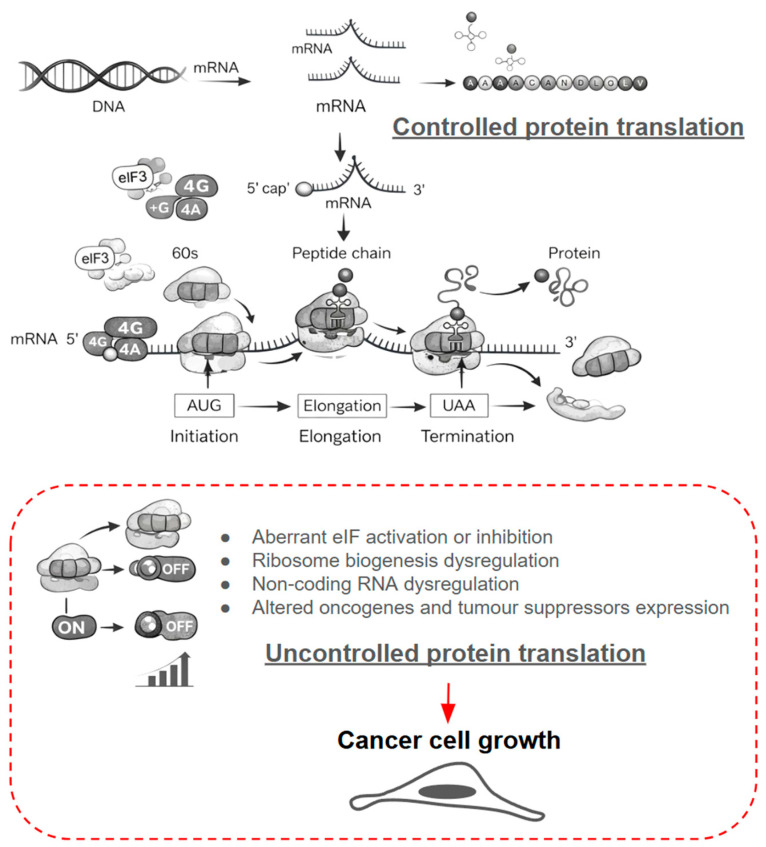 Figure 1
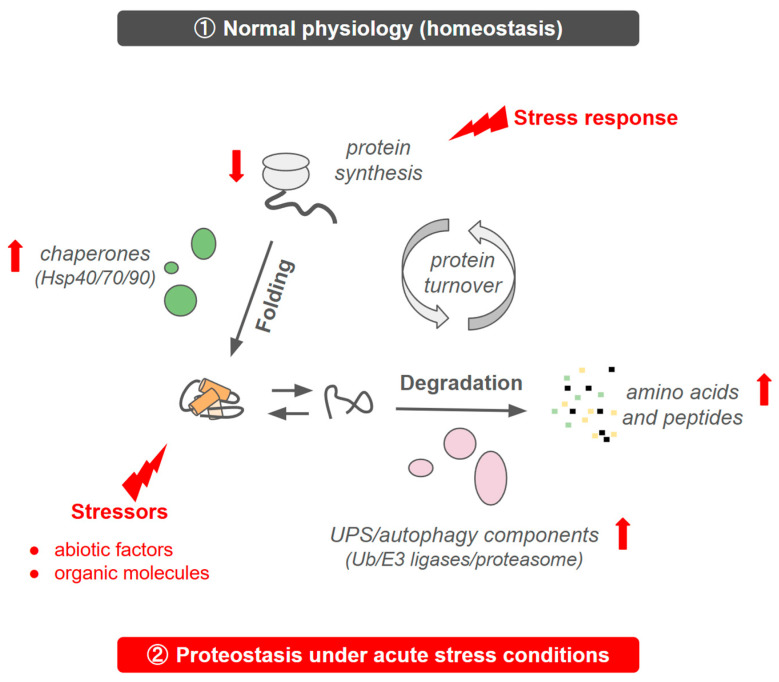 Figure 2
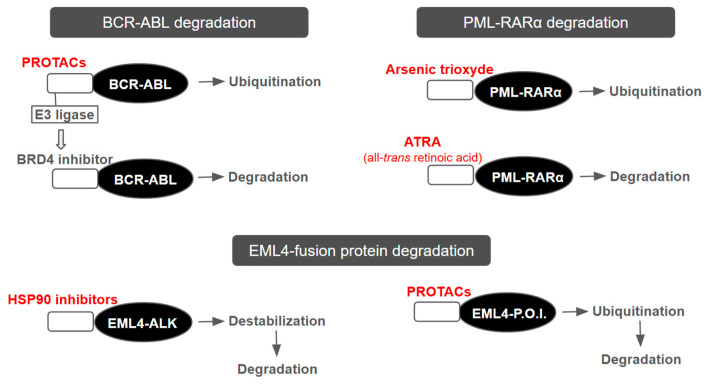 Figure 3
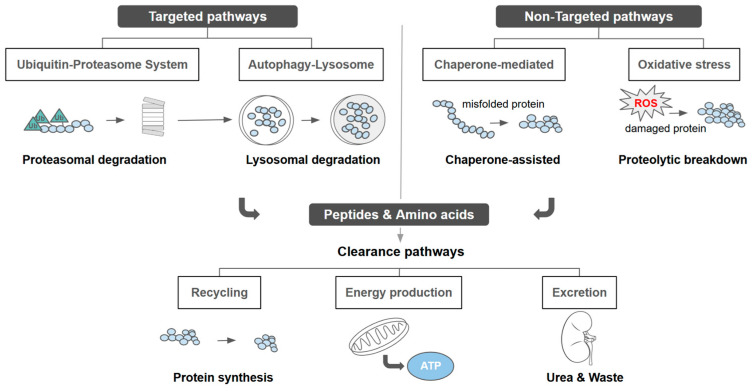 Figure 4
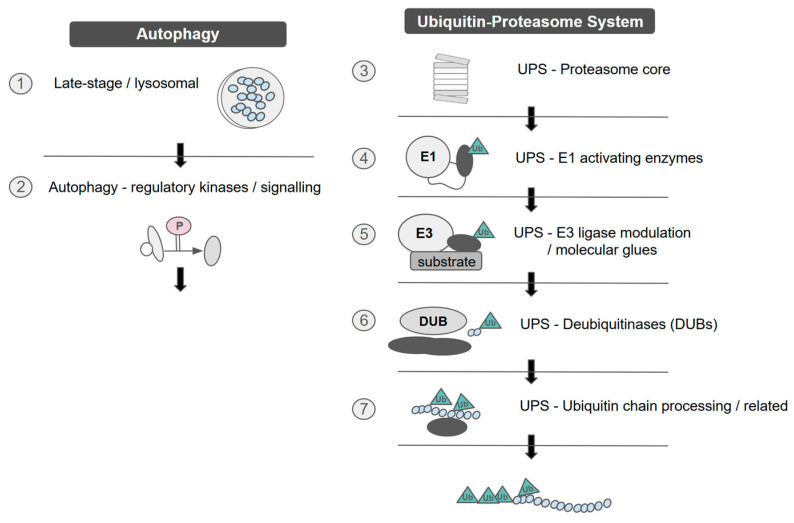 Figure 5
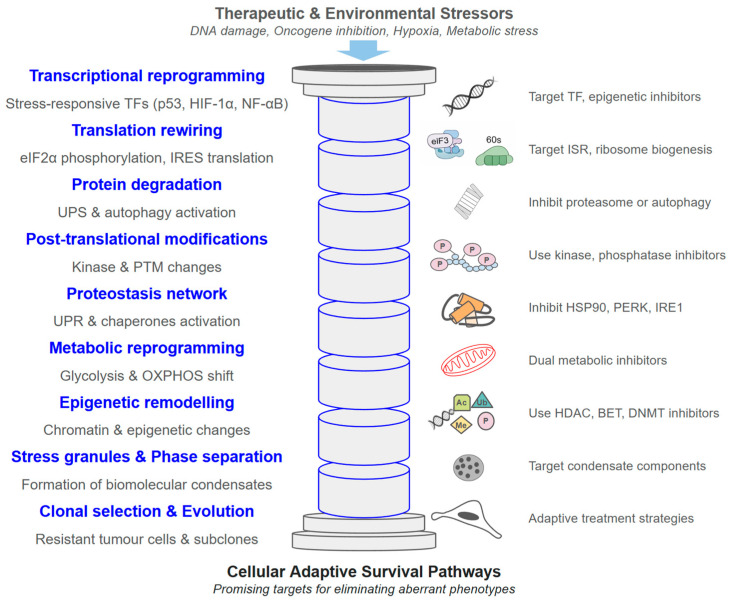 Figure 6
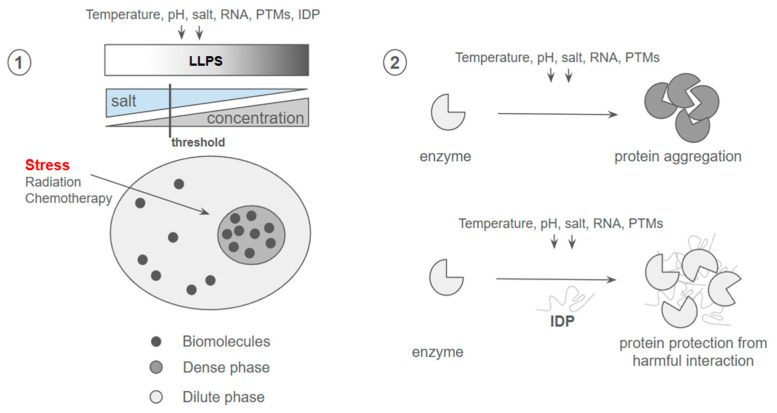 Figure 7
Peer Reviews
No public reviews on file for this paper yet. If you reviewed it on a platform where reviews are public (OpenReview, ICLR, NeurIPS, ICML), you can paste yours below so the community can read it here.
Videos
No videos yet. Explain this paper in a talk, walkthrough, or lecture? Add one.
Taxonomy
TopicsEndoplasmic Reticulum Stress and Disease · Cancer, Hypoxia, and Metabolism · Advanced Proteomics Techniques and Applications