Standardizing Periocular Surface Electromyography: A Scoping Review of Methods and Emerging Applications
Larysa Krajewska-Węglewicz, Ewa Filipiak, Małgorzata Dorobek

TL;DR
This paper reviews methods for measuring muscle activity around the eyes and proposes a framework to standardize these techniques for better research and clinical use.
Contribution
The paper provides the first comprehensive synthesis of periocular sEMG methodologies and proposes a conceptual framework and minimum reporting set for standardization.
Findings
Sixteen studies were identified, revealing significant variability in electrode placement, signal acquisition, and processing.
Three key methodological domains were identified: instrumentation, analytical approaches, and clinical applications.
A conceptual framework and minimum reporting set were proposed to improve transparency and reproducibility.
Abstract
Background: Surface electromyography (sEMG) of periocular muscles is a non-invasive technique used to assess eyelid dynamics and facial neuromuscular function, with applications in ophthalmology, neurology, and rehabilitation. Despite its clinical and research potential, substantial methodological variability—particularly in electrode placement, acquisition parameters, and signal processing—has limited reproducibility and hindered broader clinical translation. A comprehensive synthesis of existing methodologies was therefore needed to support future standardization. Objectives: The review aimed to systematically map current periocular sEMG methodologies, identify sources of methodological heterogeneity, organize findings into structured methodological domains, and develop a conceptual framework along with a minimum reporting set to promote transparency, reproducibility, and…
Click any figure to enlarge with its caption.
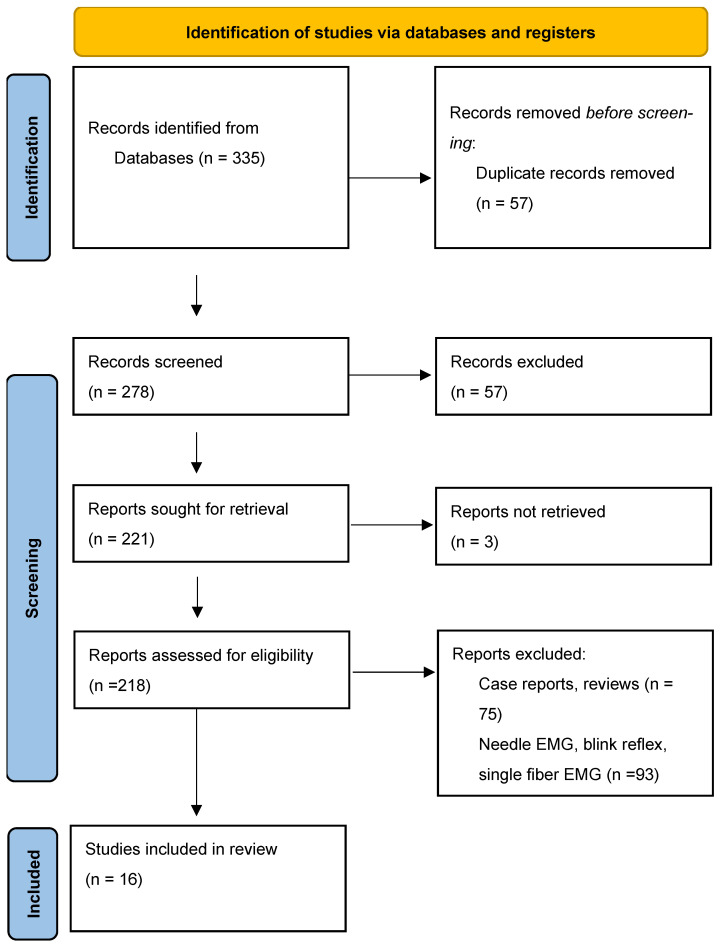 Figure 1
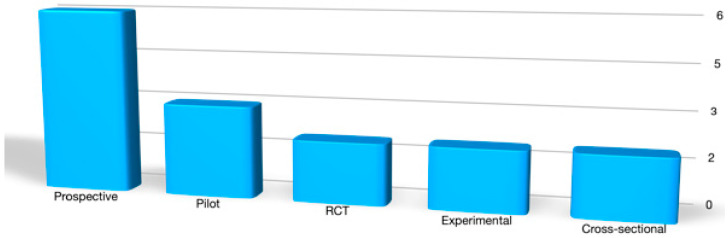 Figure 2
 Figure 3
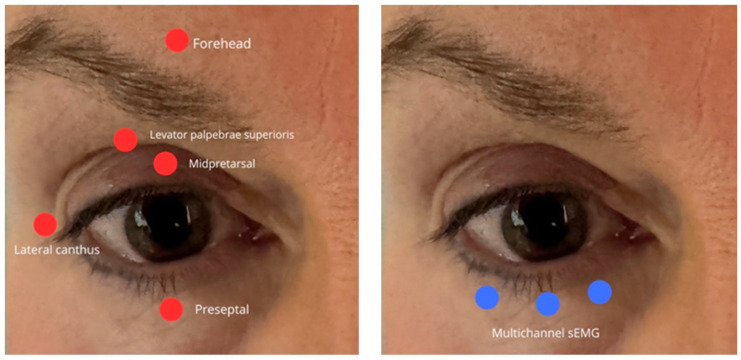 Figure 4
Peer Reviews
No public reviews on file for this paper yet. If you reviewed it on a platform where reviews are public (OpenReview, ICLR, NeurIPS, ICML), you can paste yours below so the community can read it here.
Videos
No videos yet. Explain this paper in a talk, walkthrough, or lecture? Add one.
Taxonomy
TopicsTemporomandibular Joint Disorders · Facial Nerve Paralysis Treatment and Research · Botulinum Toxin and Related Neurological Disorders