Invariant Natural Killer T Cells in Cancer Immunotherapy: Lipid-Based Modulation, Nanotechnology, and Translational Advances
Abdulaziz A. Aloliqi, Abdullah M. Alnuqaydan, Mohammad Alshebremi, Arif Khan, Masood Alam Khan

TL;DR
This paper explores how invariant natural killer T cells can be harnessed for cancer treatment using lipid-based technologies, nanotechnology, and combination therapies to overcome current limitations.
Contribution
The paper highlights novel lipid-engineered nanoparticles and CAR-engineered iNKT cells as innovative strategies to enhance iNKT cell-based cancer immunotherapy.
Findings
Liposomal and polymer-based nano-formulations improve ligand stability and bioavailability for sustained iNKT cell activation.
CAR-engineered iNKT cells show safety and efficacy in early-phase studies by combining antigen-specific targeting with immunomodulatory functions.
Combination therapies with checkpoint inhibitors and chemotherapy enhance iNKT cell activity and counteract tumor suppression.
Abstract
Invariant natural killer T (iNKT) cells are a unique lymphocyte subset that bridge innate and adaptive immunity through recognition of glycolipid antigens presented by CD1d. Upon activation by ligands such as α-galactosylceramide (α-GalCer), iNKT cells rapidly secrete cytokines, including IFN-γ and TNF-α, thereby activating dendritic cells, natural killer (NK) cells, and cytotoxic T lymphocytes (CTLs) to promote antitumor immunity. Despite their therapeutic promise, clinical translation has been limited by rapid α-GalCer clearance, induction of iNKT cell anergy following repeated stimulation, and the immunosuppressive tumor microenvironment (TME). Recent advances in lipid-engineered nanoparticle systems offer solutions to these challenges by improving ligand stability, enhancing antigen-presenting cell targeting, and enabling controlled release that sustains Th1-biased activation while…
Genes, proteins, chemicals, diseases, species, mutations and cell lines named across the full text — each resolved to its canonical identifier and authoritative record.
Click any figure to enlarge with its caption.
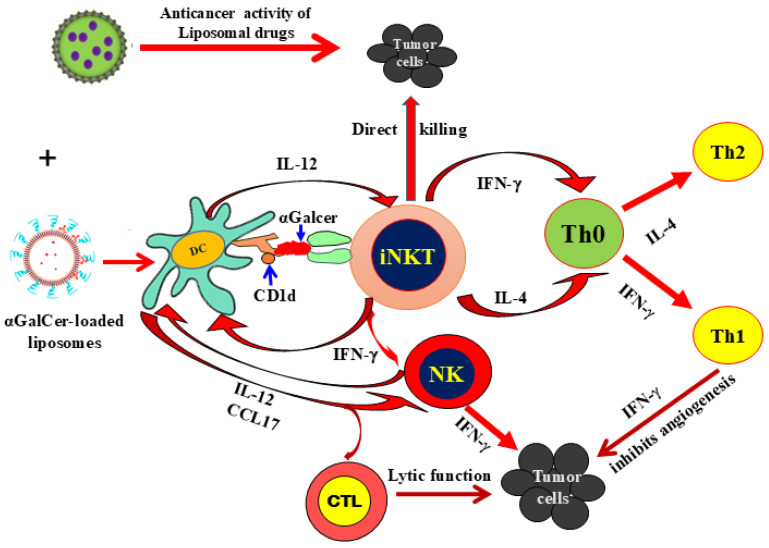 Figure 1
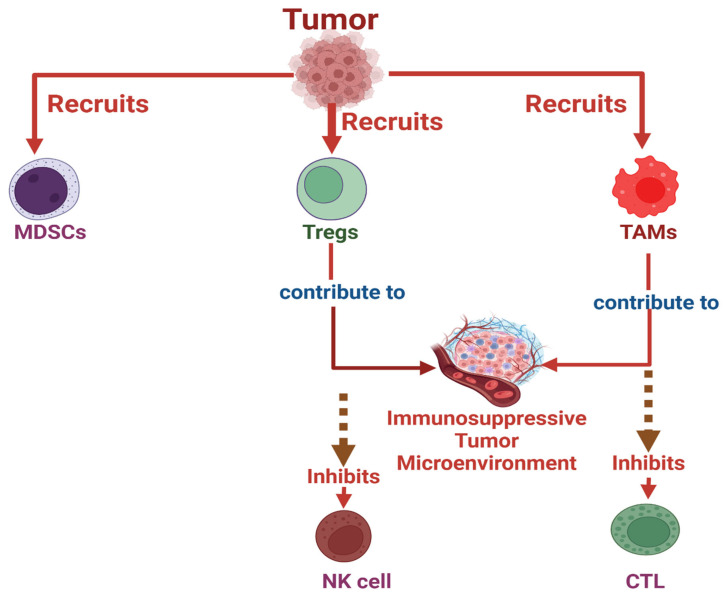 Figure 2
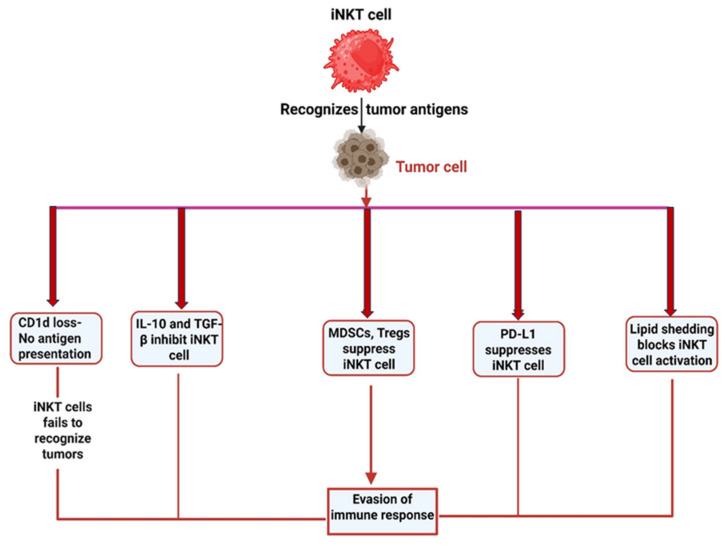 Figure 3
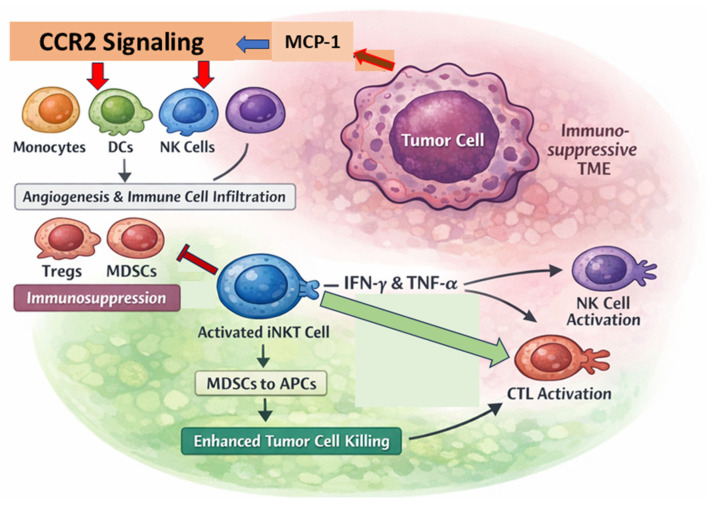 Figure 4
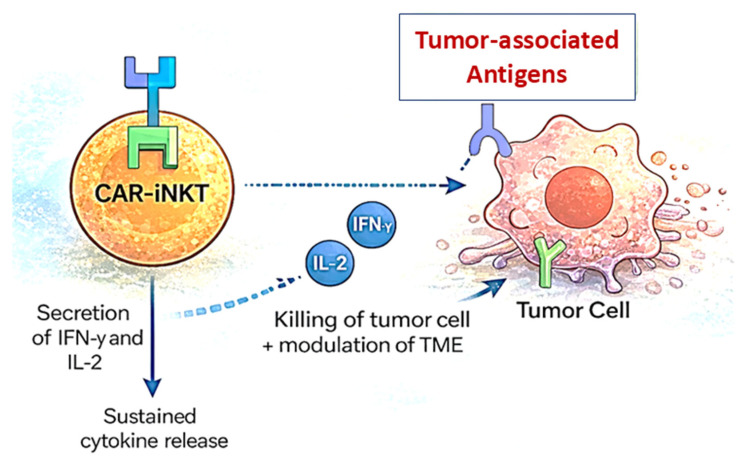 Figure 5
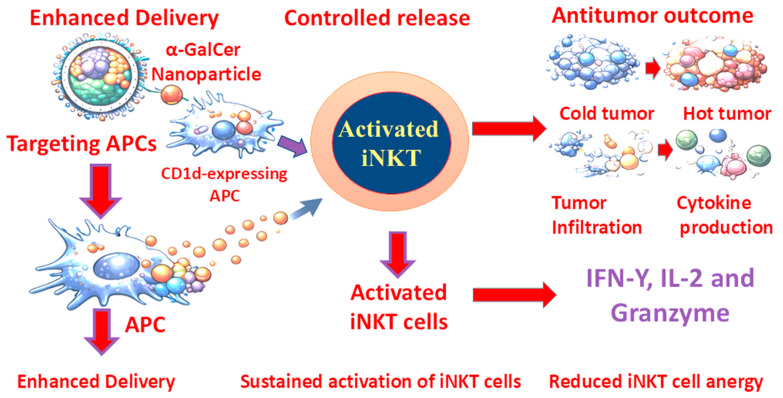 Figure 6
Peer Reviews
No public reviews on file for this paper yet. If you reviewed it on a platform where reviews are public (OpenReview, ICLR, NeurIPS, ICML), you can paste yours below so the community can read it here.
Videos
No videos yet. Explain this paper in a talk, walkthrough, or lecture? Add one.
Taxonomy
TopicsImmune Cell Function and Interaction · CAR-T cell therapy research · Immunotherapy and Immune Responses