Detoxification Metabolic Adaptation of Bombyx mori to Artificial Diet and Functional Study of Key Detoxification Gene BmGSTd2
Lijing Liu, Long He, Xin Tang, Qingyou Xia, Ping Zhao

TL;DR
This study explores how silkworms adapt to artificial diets by identifying a key detoxification gene, GSTd2, which helps them tolerate harmful plant compounds.
Contribution
The study identifies GSTd2 as a critical gene enabling silkworms to adapt to artificial diets through enhanced detoxification.
Findings
Dietary shift to artificial feed enriches detoxification pathways and accumulates flavonoids in silkworm detox organs.
Overexpression of GSTd2 in BmE cells increases tolerance to harmful flavonoids like genistein and daidzin.
Silkworms with GSTd2 overexpression show improved adaptability to artificial diets.
Abstract
This study aims to explore the adaptive mechanisms underlying the silkworm’s (Bombyx mori) transition from a natural mulberry leaf diet to an artificial diet. The results showed that dietary shift induced the accumulation of specific plant-derived compounds (e.g., flavonoids) in key detoxification organs of silkworms—including the fat body, midgut, and Malpighian tubules—while activating multiple detoxification pathways within these tissues. Experimental analysis showed that these compounds, particularly the flavonoids genistein and daidzin, exhibit cytotoxicity and can trigger the transcriptional activation of detoxification-related genes. Among these genes, GSTd2 emerged as a critical mediator: elevated expression of GSTd2 in BmE cells significantly enhanced cellular tolerance to these harmful flavonoids. Furthermore, silkworms with systemic overexpression of GSTd2 displayed markedly…
Genes, proteins, chemicals, diseases, species, mutations and cell lines named across the full text — each resolved to its canonical identifier and authoritative record.
Click any figure to enlarge with its caption.
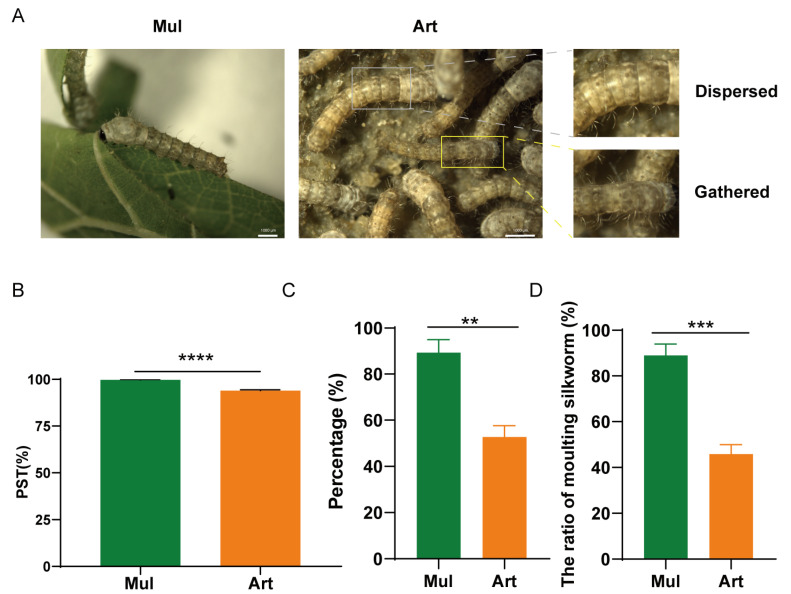 Figure 1
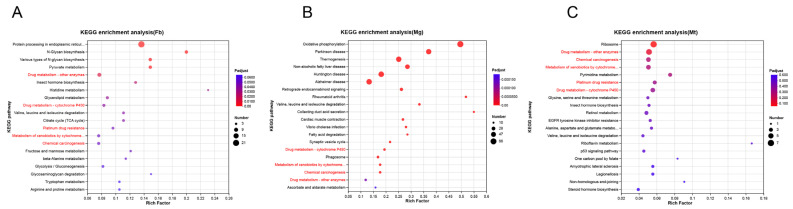 Figure 2
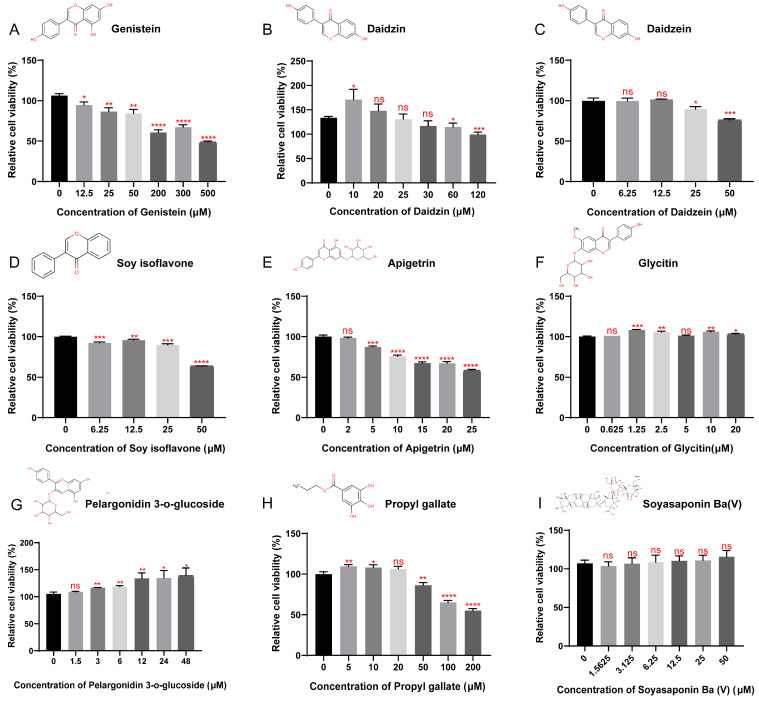 Figure 3
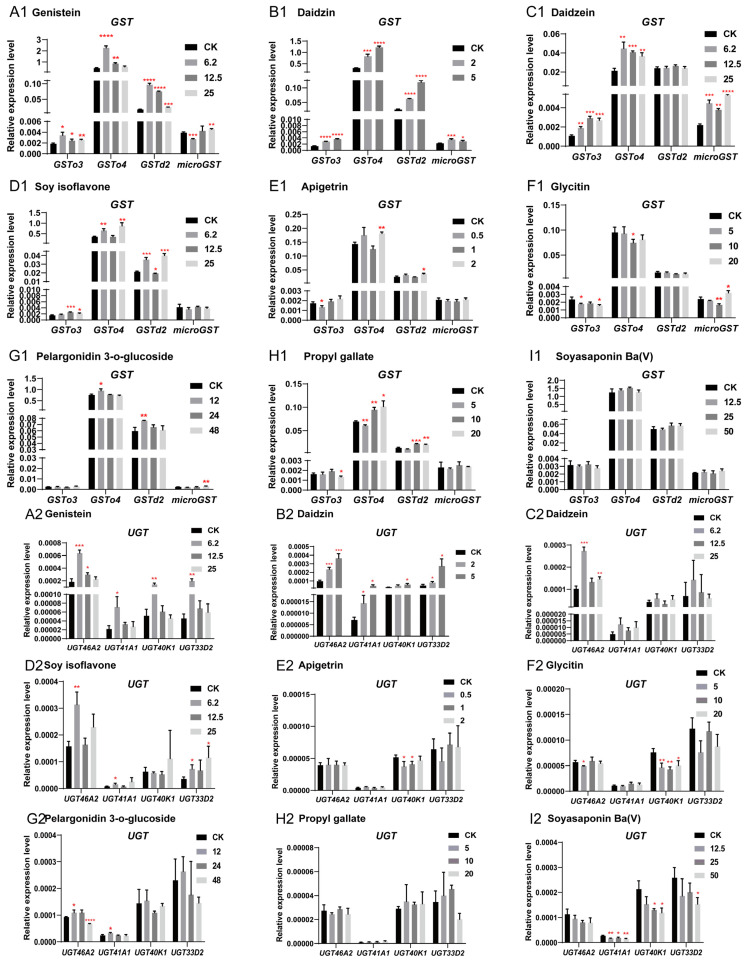 Figure 4
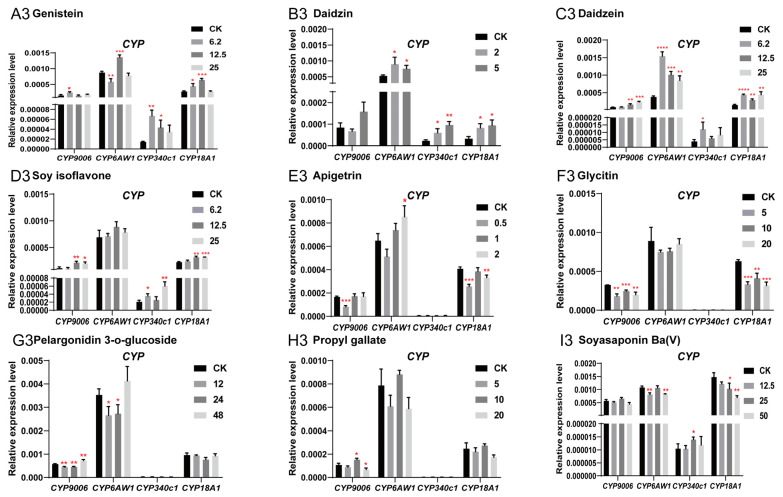 Figure 5
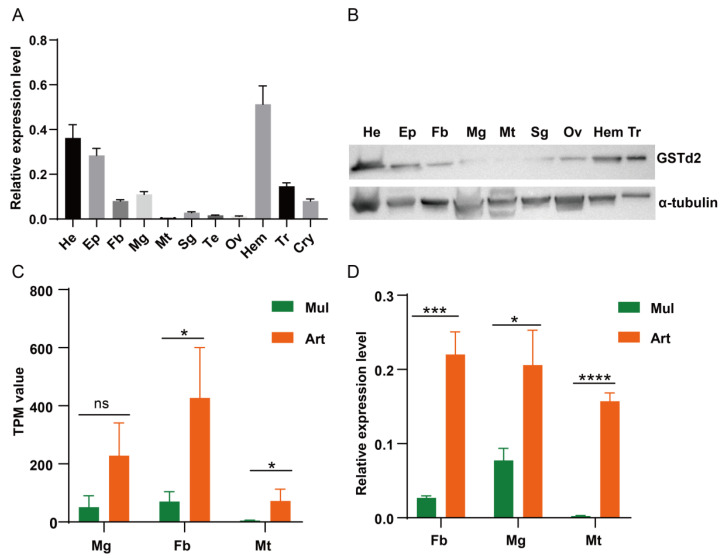 Figure 6
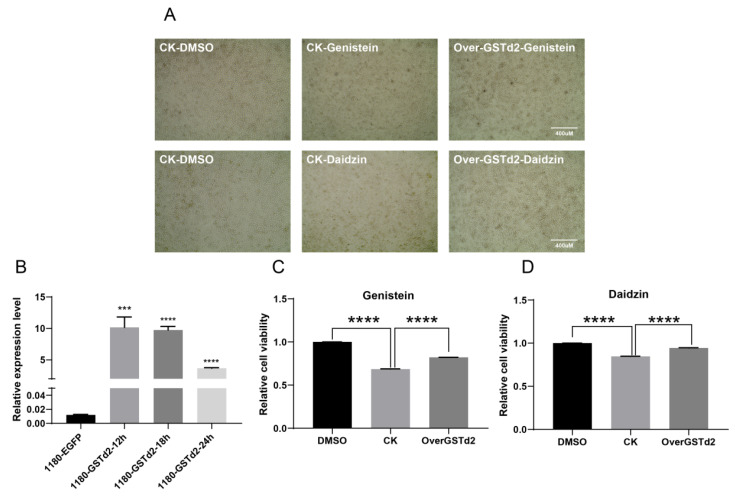 Figure 7
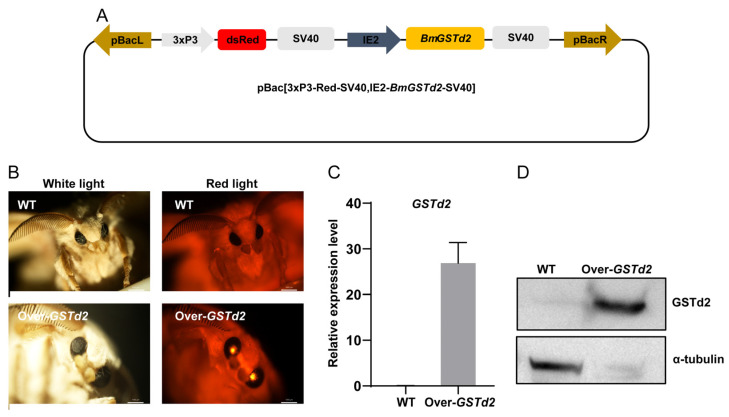 Figure 8
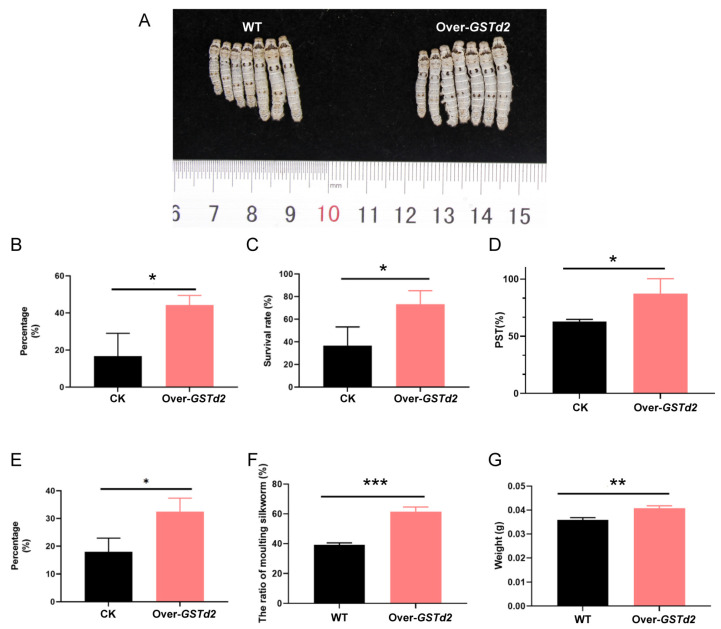 Figure 9
Peer Reviews
No public reviews on file for this paper yet. If you reviewed it on a platform where reviews are public (OpenReview, ICLR, NeurIPS, ICML), you can paste yours below so the community can read it here.
Videos
No videos yet. Explain this paper in a talk, walkthrough, or lecture? Add one.
Taxonomy
TopicsSilk-based biomaterials and applications · Silkworms and Sericulture Research · Neurobiology and Insect Physiology Research