The Contribution of Bayesian Methods in Solving the Paradoxes of Classical Statistical Tests in Biomedical Research
Nicolas Meyer

TL;DR
This paper explains how Bayesian methods can address issues with traditional statistical tests used in biomedical research.
Contribution
The paper introduces Bayesian methods as a solution to the paradoxes and limitations of classical statistical tests.
Findings
Traditional statistical tests and p-values are criticized for being counterintuitive and flawed.
Bayesian methods offer a better interpretation of probability and improved data exploitation in clinical research.
Abstract
Almost all publications in biomedical literature have employed statistical tests, with p-values being considered of particular importance in the assessment of the presence of a link between two variables. However, these tests and p-values have been the subject of considerable criticism. It may appear paradoxical that tools utilised by the scientific community for nearly a century could possess all the flaws attributed to them. This paradox can partially be explained by the counterintuitive nature of p-values and the fact that the test that generates them is the result of a combination of two tests that were developed to answer statistical questions of a very different nature. The respective characteristics of these two tests are essentially unknown to the majority of users of p-values. The aforementioned paradox can be partially explained by the paucity of publications that seek to…
Click any figure to enlarge with its caption.
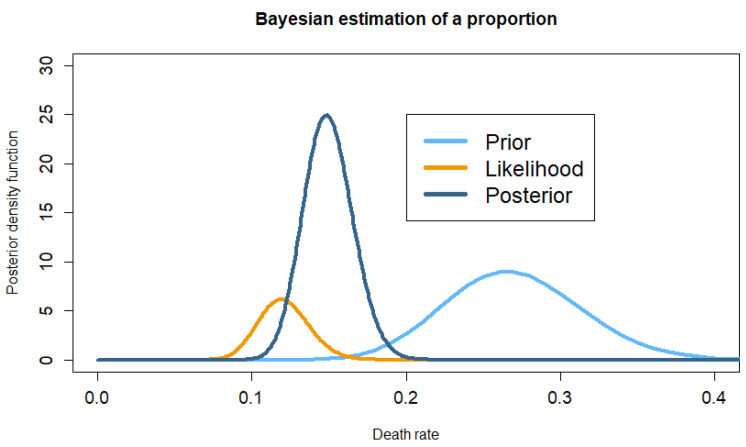 Figure 1
Peer Reviews
No public reviews on file for this paper yet. If you reviewed it on a platform where reviews are public (OpenReview, ICLR, NeurIPS, ICML), you can paste yours below so the community can read it here.
Videos
No videos yet. Explain this paper in a talk, walkthrough, or lecture? Add one.
Taxonomy
TopicsMeta-analysis and systematic reviews · Statistical Methods in Clinical Trials · Statistical Methods and Bayesian Inference