Structure and Substrate Specificity of Human Short-Chain Acyl-CoA Dehydrogenase and Insights into Pathogenicity of Disease-Associated Mutations
Fang Bai, Xinru Li, Kaide Ju, Xijiang Pan, Ye Jin, Zhijing You, Lili Zhang, Zhaoxia Liu, Shuyang Zhang, Xiaodong Luan

TL;DR
This study reveals the structure of SCAD enzyme and explains how mutations cause disease by affecting its function and stability.
Contribution
High-resolution SCAD structures and classification of disease mutations into functional categories with mechanistic insights.
Findings
Cryo-EM structures show SCAD's pre-catalytic geometry and role of Glu392 in hydride transfer.
Nineteen disease mutations are grouped into FAD binding, substrate binding, and folding/stability defects.
Folding-defective mutations like W177R cause aggregation, proteotoxicity, oxidative stress, and apoptosis.
Abstract
Short-chain acyl-CoA dehydrogenase (SCAD) is a critical enzyme in mitochondrial fatty acid β-oxidation, catalyzing the initial dehydrogenation of short-chain acyl-CoAs. Mutations in the ACADS gene cause SCAD deficiency (SCADD), a disorder with remarkably heterogeneous clinical presentation. However, the molecular mechanisms underlying substrate specificity and the pathogenicity of most ACADS variants remain poorly understood. Here, we present high-resolution cryo-EM structures of human SCAD in complex with its physiological substrate butyryl-CoA (C4) and the longer substrate hexanoyl-CoA (C6). The butyryl-CoA-bound structure at 2.1 Å resolution details a pre-catalytic geometry ideal for hydride transfer, with Glu392 positioned as the catalytic base. We systematically characterized nineteen disease-associated mutations, which we classify into three functional categories: those disrupting…
Genes, proteins, chemicals, diseases, species, mutations and cell lines named across the full text — each resolved to its canonical identifier and authoritative record.
Click any figure to enlarge with its caption.
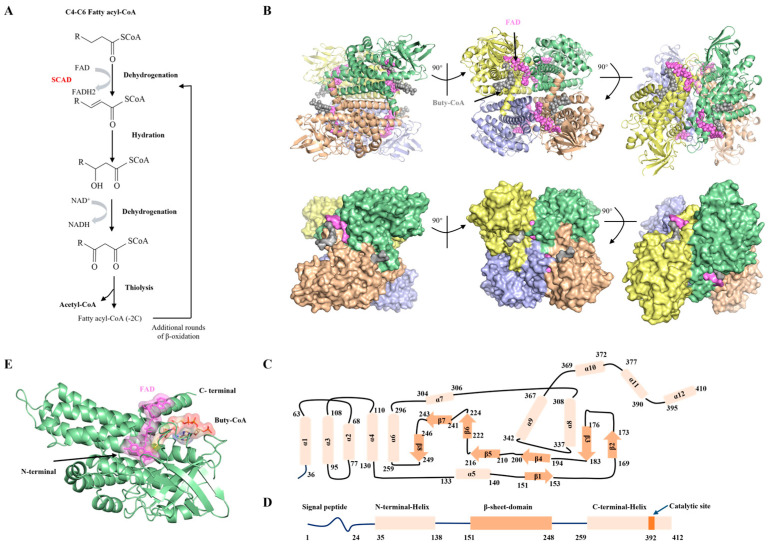 Figure 1
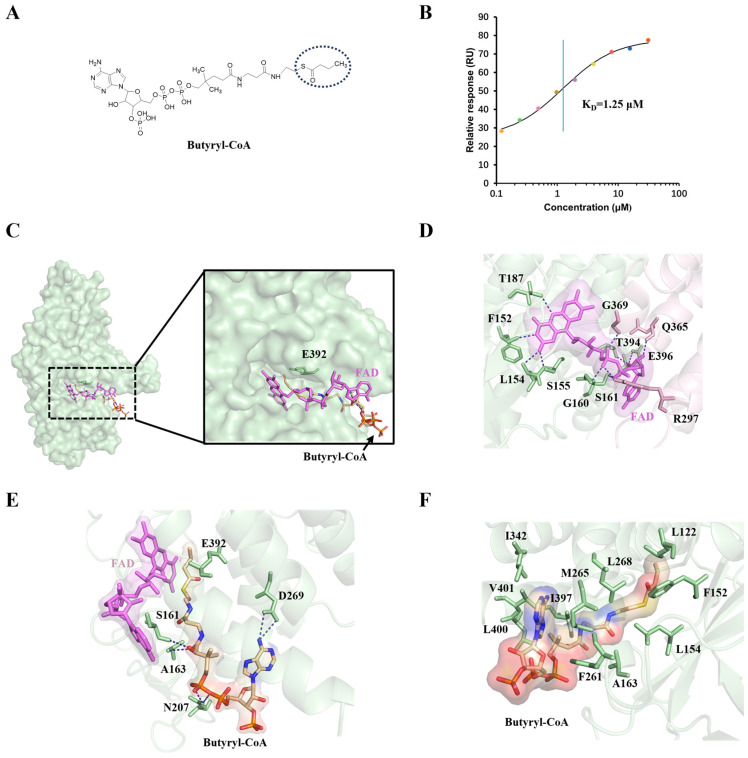 Figure 2
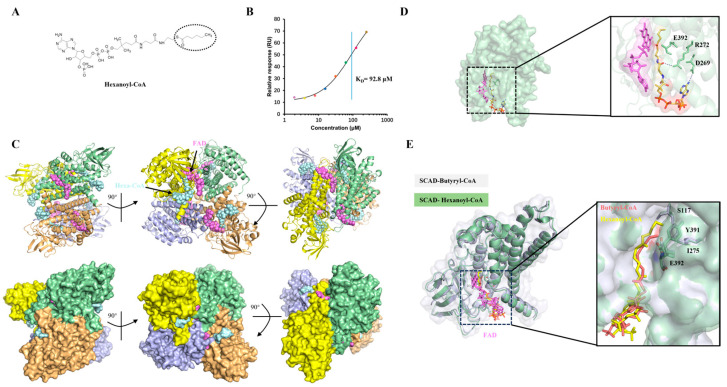 Figure 3
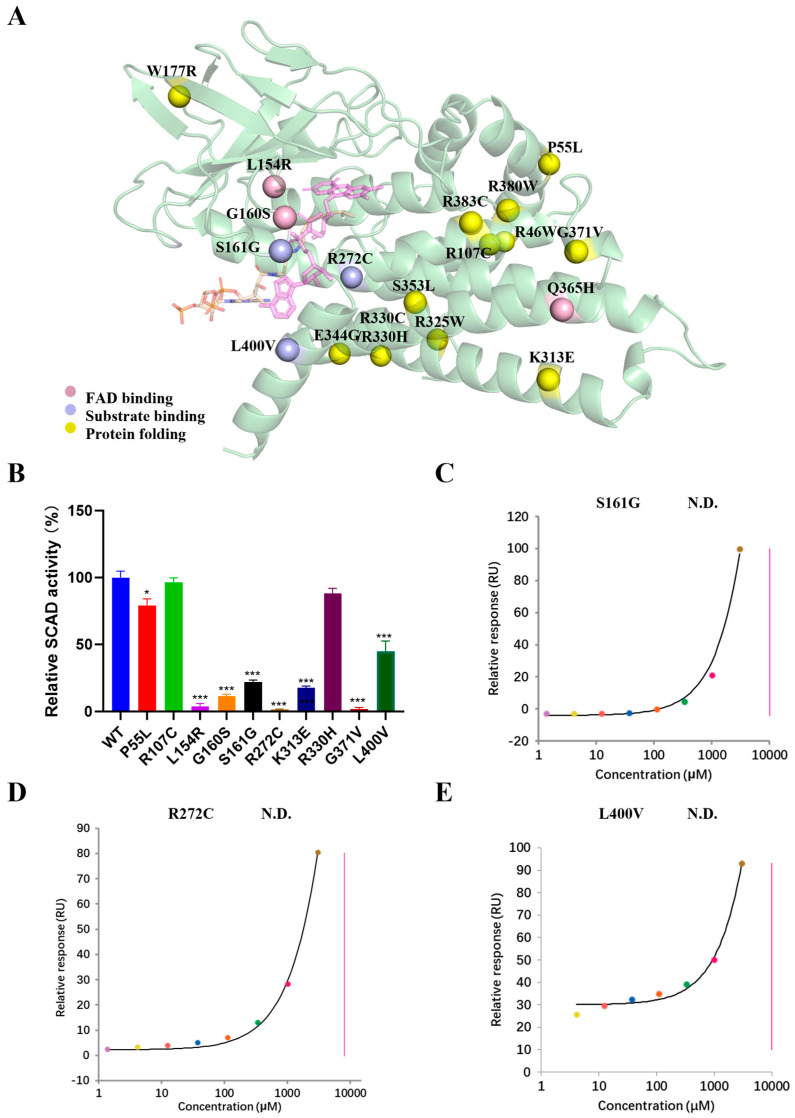 Figure 4
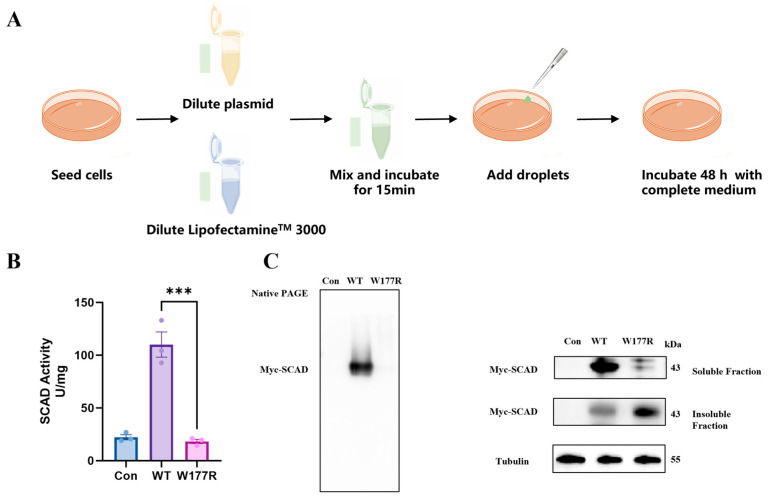 Figure 5
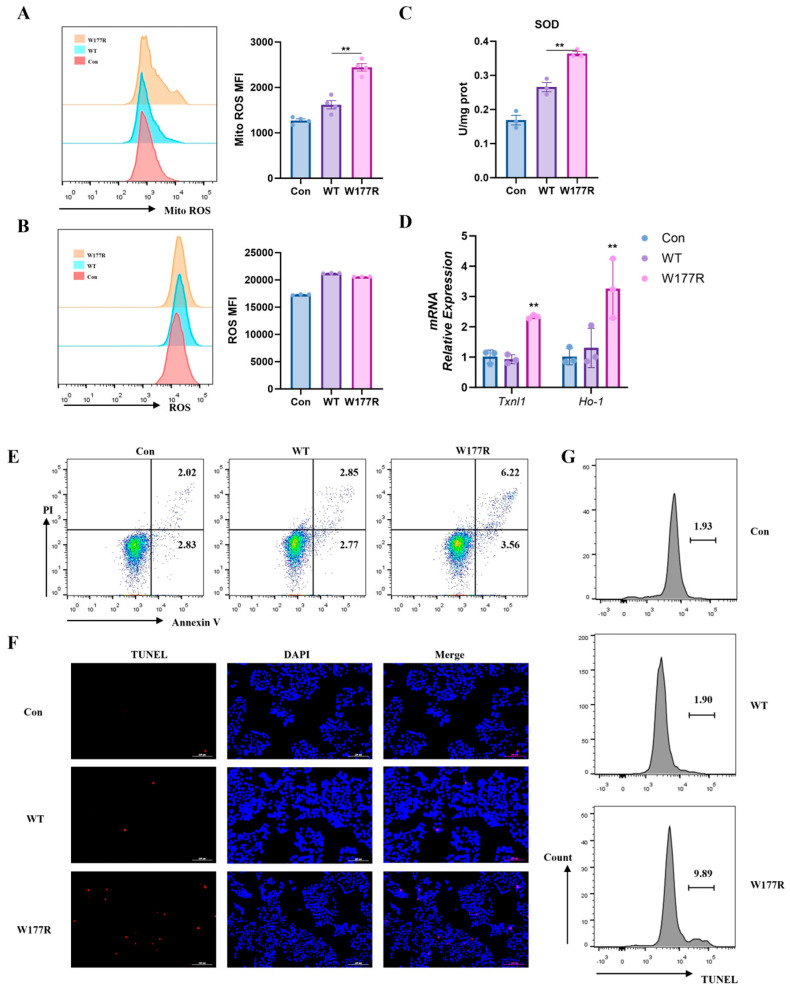 Figure 6
Peer Reviews
No public reviews on file for this paper yet. If you reviewed it on a platform where reviews are public (OpenReview, ICLR, NeurIPS, ICML), you can paste yours below so the community can read it here.
Videos
No videos yet. Explain this paper in a talk, walkthrough, or lecture? Add one.
Taxonomy
TopicsMetabolism and Genetic Disorders · Peroxisome Proliferator-Activated Receptors · Enzyme Structure and Function