Targeting G6PD (Glucose-6-Phosphate Dehydrogenase) as a Biomarker of Therapeutic Vulnerability in Renal Cell Carcinoma
Daniel Pinheiro Ferreira, Ana Carolina Souza Mizael, Julia Victória Bonifácio Cabrieira, Rafaela Viviane Neves Silva, Liliane Silvano Araújo, Crislaine Aparecida Silva, Karen Bento Ribeiro, Adilha Misson Rua Michelleti, Juliana Reis Machado, Régia Caroline Peixoto Lira

TL;DR
This study explores G6PD as a potential biomarker and therapeutic target in kidney cancer, showing its link to tumor aggressiveness and response to treatments.
Contribution
The study identifies G6PD as a novel biomarker and potential therapeutic target in renal cell carcinoma subtypes.
Findings
G6PD mRNA levels are higher in tumors and correlate with shorter survival in ccRCC and pRCC.
G6PDi-1 impairs cancer cell viability, migration, and clonogenic capacity in vitro.
High G6PD expression is associated with resistance to lenvatinib in RCC cell lines.
Abstract
Renal cell carcinoma (RCC) is the most common kidney cancer, with increasing global incidence. Despite advances with VEGF-targeted tyrosine kinase inhibitors (TKIs) and immunotherapies, therapeutic resistance remains frequent, limiting long-term benefits. This highlights the need for potential biomarkers of tumor aggressiveness and therapeutic candidates, such as glucose-6-phosphate dehydrogenase (G6PD), whose altered expression has been associated with several cancers. We evaluated G6PD gene and protein expression in 121 RCC samples through immunohistochemistry and assessed functional role in vitro approaches. 786-O and ACHN cells were treated with the inhibitor G6PDi-1 and the anti-VEGF cabozantinib/lenvatinib. G6PD mRNA levels were higher in tumors than in non-neoplastic tissues, indicating shorter overall survival in clear cell (ccRCC) and papillary (pRCC) subtypes. Immunolabeling…
Genes, proteins, chemicals, diseases, species, mutations and cell lines named across the full text — each resolved to its canonical identifier and authoritative record.
Click any figure to enlarge with its caption.
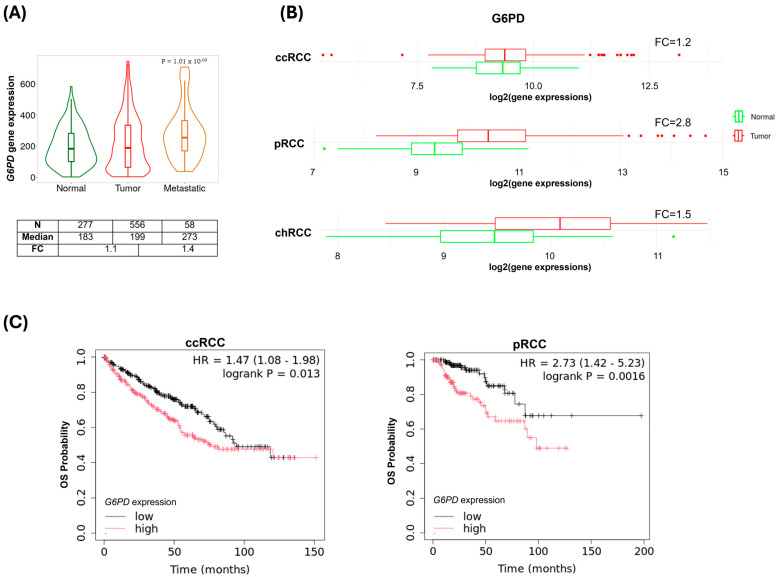 Figure 1
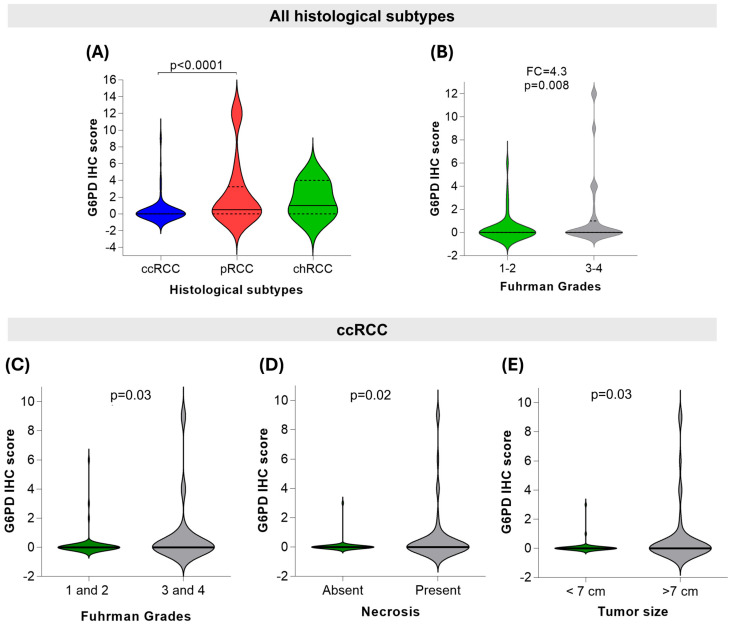 Figure 2
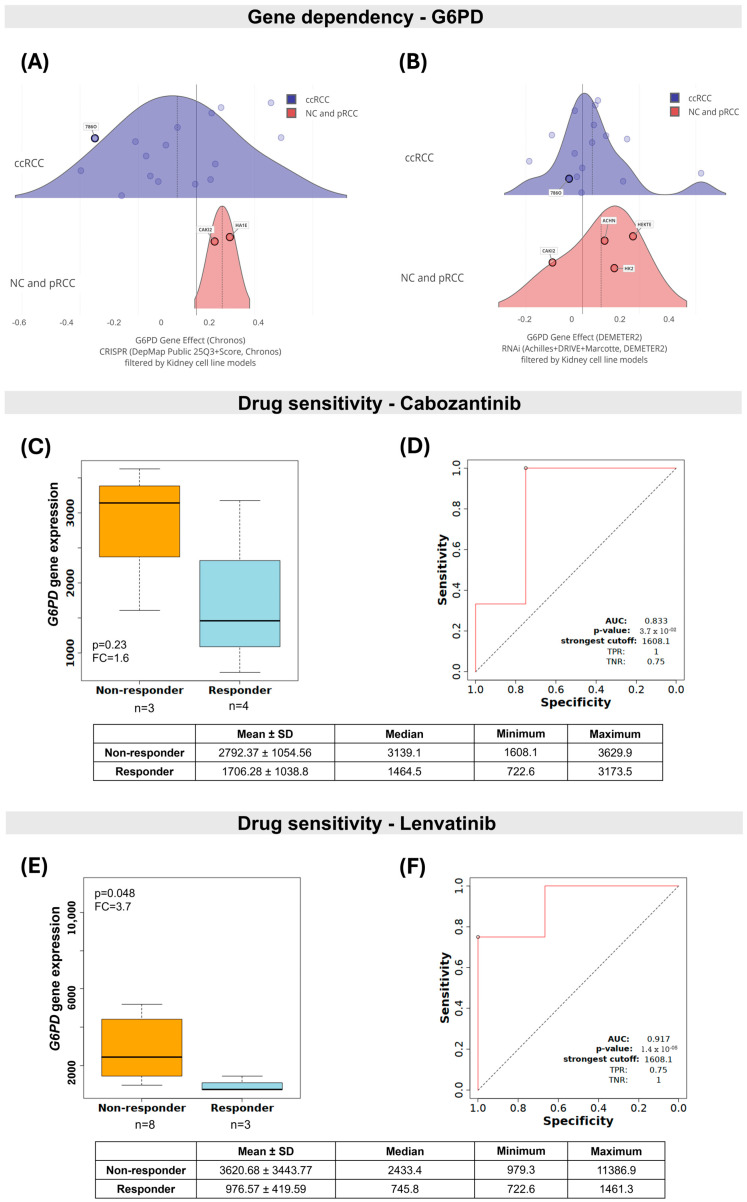 Figure 3
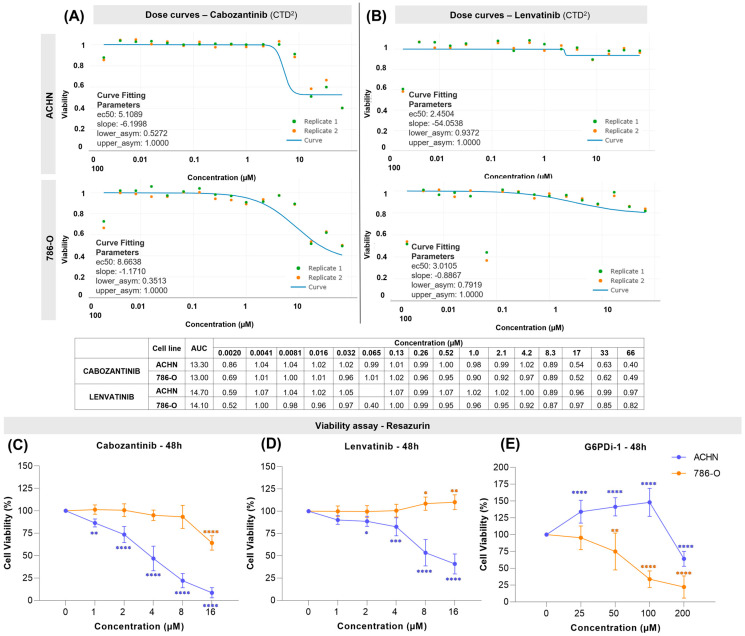 Figure 4
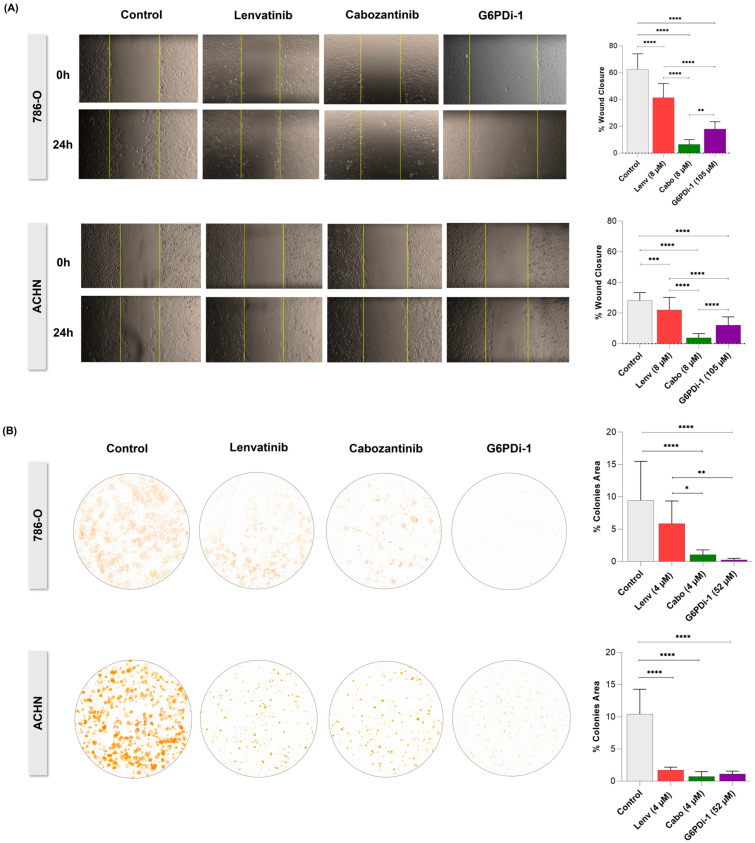 Figure 5
Peer Reviews
No public reviews on file for this paper yet. If you reviewed it on a platform where reviews are public (OpenReview, ICLR, NeurIPS, ICML), you can paste yours below so the community can read it here.
Videos
No videos yet. Explain this paper in a talk, walkthrough, or lecture? Add one.
Taxonomy
TopicsNeonatal Health and Biochemistry · Cancer, Hypoxia, and Metabolism · Neuroblastoma Research and Treatments