Mesangial Cells (MES-SV40) Cultured in High Glucose Produce IL-36α, Which Is Associated with Type 2 Diabetes Mellitus
María Marcela Sánchez-Torres, Cesar G. Pelcastre-Rodríguez, Fernando Gómez-Chávez, Isaí Martínez-Torres, José Martín Murrieta-Coxca, Alma Nelly Diaz-Herreros, Marcelo W. Heredia-Murillo, Juan C. Cancino-Diaz, Mario E. Cancino-Diaz

TL;DR
High glucose conditions cause mesangial cells to produce IL-36α, which may contribute to diabetic nephropathy in type 2 diabetes.
Contribution
This study identifies IL-36α production by mesangial cells in high glucose as a potential mechanism for diabetic nephropathy.
Findings
MES-SV40 cells cultured in high glucose produce IL-36α in a dose-dependent manner.
IL-36α promotes angiogenesis in endothelial cells, potentially initiating diabetic nephropathy.
IL-36R expression in endothelial cells supports the role of IL-36α in this process.
Abstract
The high concentration of the inflammatory cytokine IL-36 in the serum of patients with type 2 diabetes mellitus (T2DM), along with the reduced renal damage observed in IL-36R knockout mice following ischemia–reperfusion-induced acute kidney injury, suggests a significant association between IL-36 activity and diabetic complications such as diabetic nephropathy (DN). It is also known that minor structural alterations in glomerular tissues can lead to changes in blood vessel pressure, potentially contributing to the development of DN, with inflammation acting as a triggering factor. However, further studies are needed to confirm this relationship. In this study, we observed that mesangial (MES-SV40) cells cultured under high-glucose conditions produced IL-36α in a dose-dependent manner. This cytokine production was also detected in mesangial cells from the glomerular tissues of mice with…
Genes, proteins, chemicals, diseases, species, mutations and cell lines named across the full text — each resolved to its canonical identifier and authoritative record.
Click any figure to enlarge with its caption.
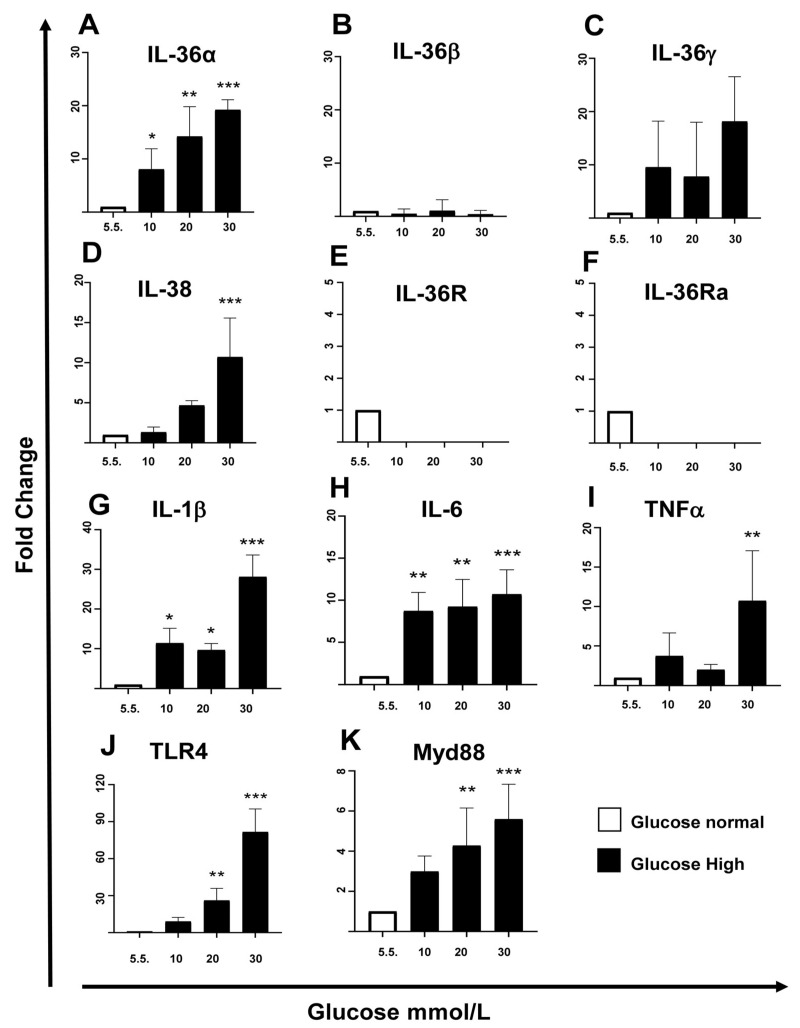 Figure 1
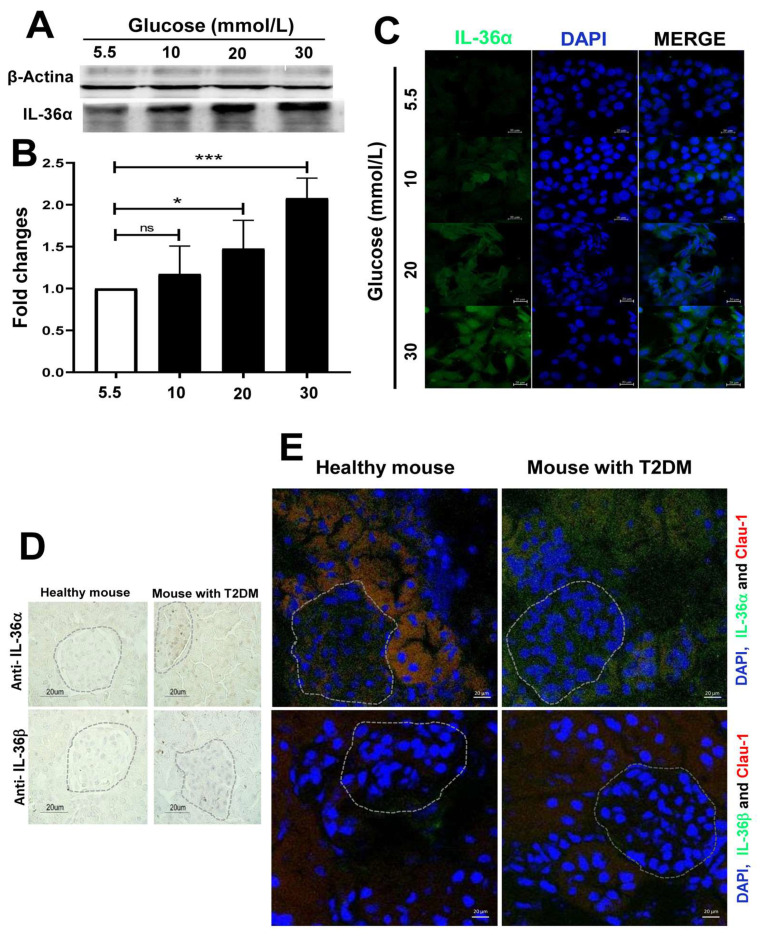 Figure 2
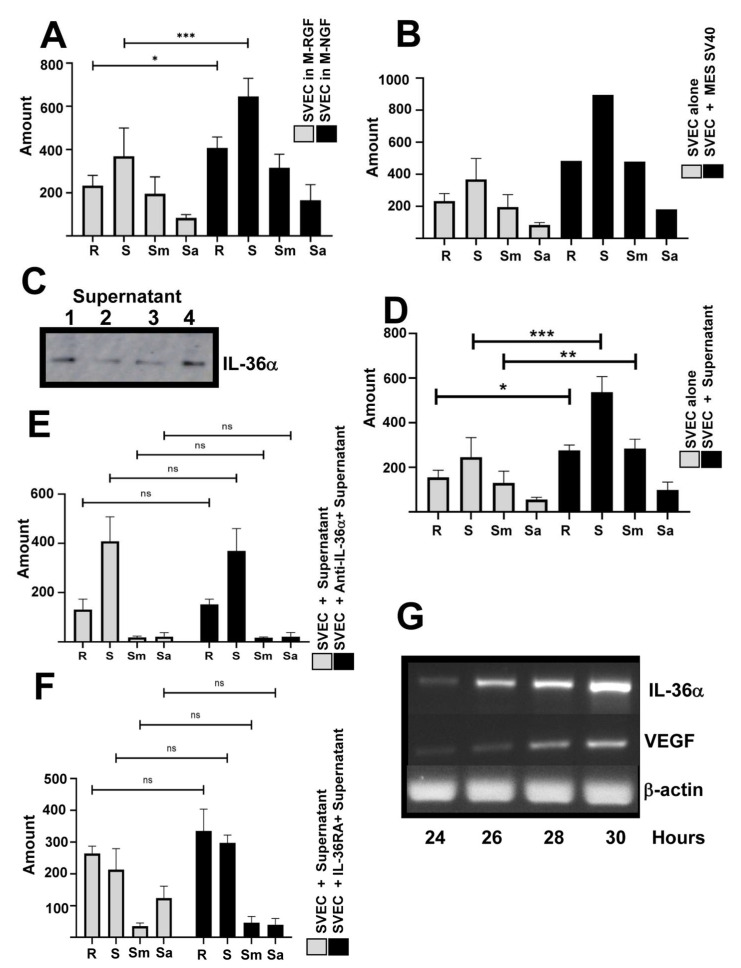 Figure 3
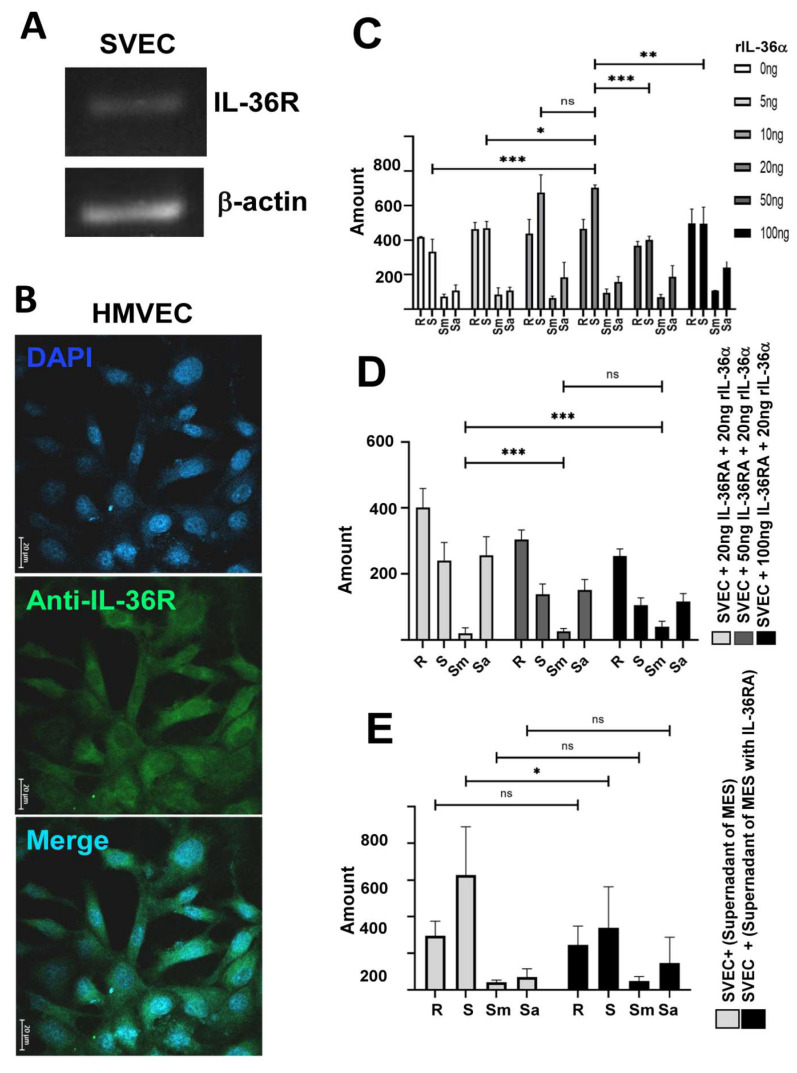 Figure 4
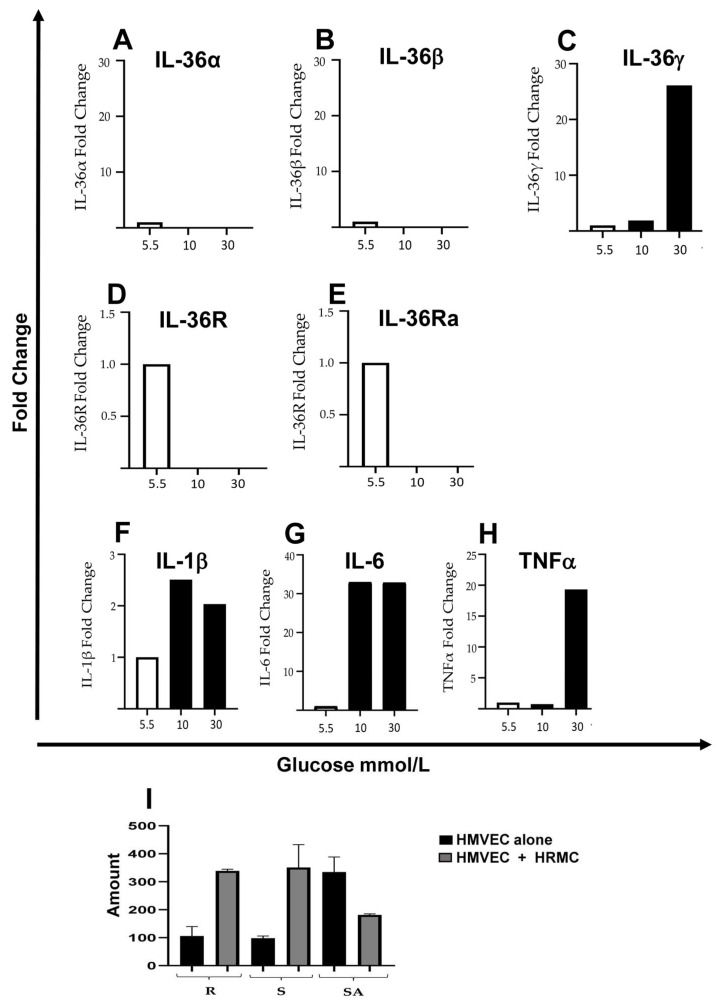 Figure 5
Peer Reviews
No public reviews on file for this paper yet. If you reviewed it on a platform where reviews are public (OpenReview, ICLR, NeurIPS, ICML), you can paste yours below so the community can read it here.
Videos
No videos yet. Explain this paper in a talk, walkthrough, or lecture? Add one.
Taxonomy
TopicsPsoriasis: Treatment and Pathogenesis · Dermatology and Skin Diseases · Immune cells in cancer