Hepialid Moth Diversity in Australia Further Highlighted by Five New Species in the Endemic Genus Abantiades Herrich-Schäffer (Lepidoptera: Hepialidae)
Michael D. Moore, Mark I. Stevens

TL;DR
This paper describes five new species of Hepialid moths in the Australian genus Abantiades and uses DNA barcoding to clarify their taxonomy.
Contribution
The study introduces five new Abantiades species and provides updated DNA barcode data for the genus.
Findings
Five new Abantiades species were identified in Australia using morphological and DNA data.
Antennal structure was found to be a key but historically problematic diagnostic trait in the genus.
DNA barcoding confirmed the distinctiveness of the new species within Abantiades.
Abstract
Hepialidae is an ancient family with some of the largest and heaviest moths known worldwide. They are an iconic species, often referred to as ‘ghost’, ‘swift’ or ‘rain’ moths, and can be found emerging as adults in their thousands after significant rain. The family is well represented in Australia, and we describe five new species in the endemic genus Abantiades. We also further clarify one important taxonomic character for the genus and provide the most up to date DNA ‘barcode’ analysis for all known Abantiades species. We describe five new species of Abantiades from Australia, four from Western Australia (WA) and one from south-east Queensland. Of the four WA species, three are from the Geraldton Sandplains biogeographic region (Abantiades profundus sp. nov., A. kolpodes sp. nov., and A. patella sp. nov.), and the fourth (A. lepusaures sp. nov.) was found in the Eastern Goldfields…
Genes, proteins, chemicals, diseases, species, mutations and cell lines named across the full text — each resolved to its canonical identifier and authoritative record.
Click any figure to enlarge with its caption.
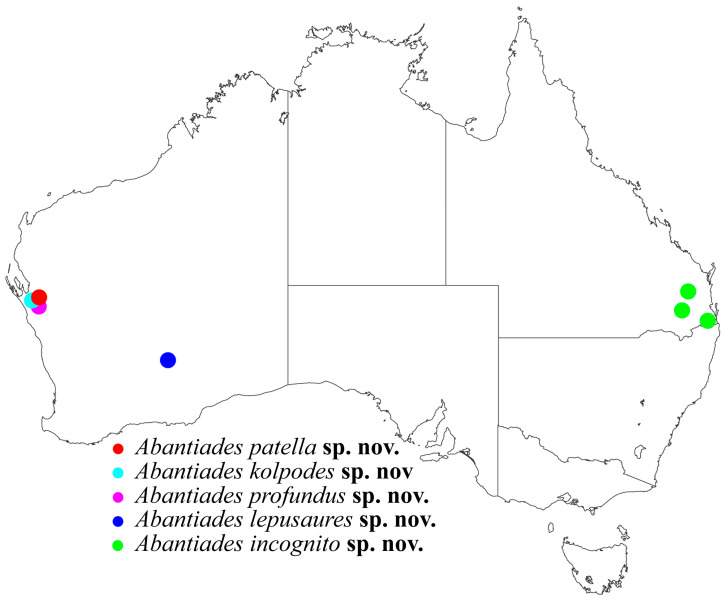 Figure 1
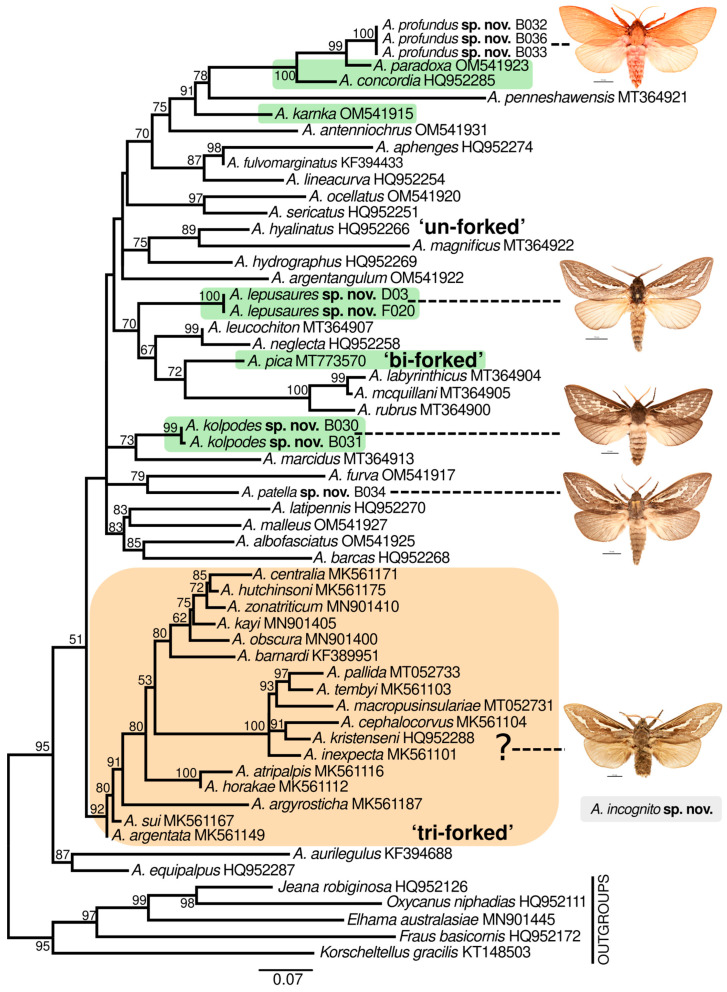 Figure 2
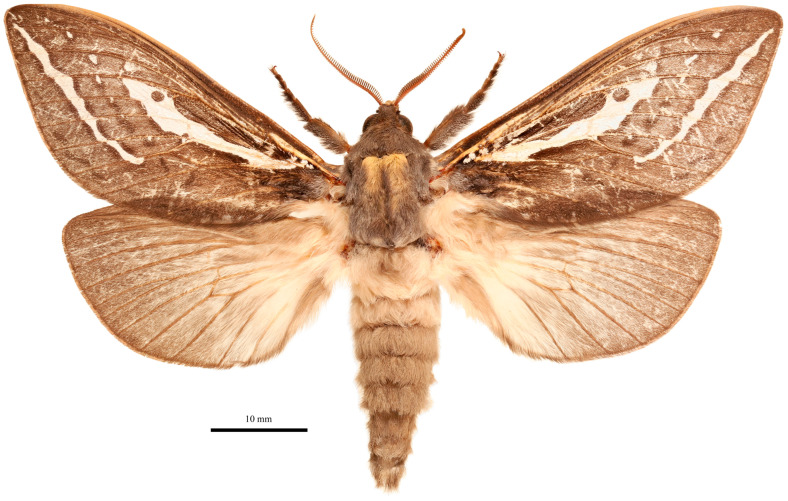 Figure 3
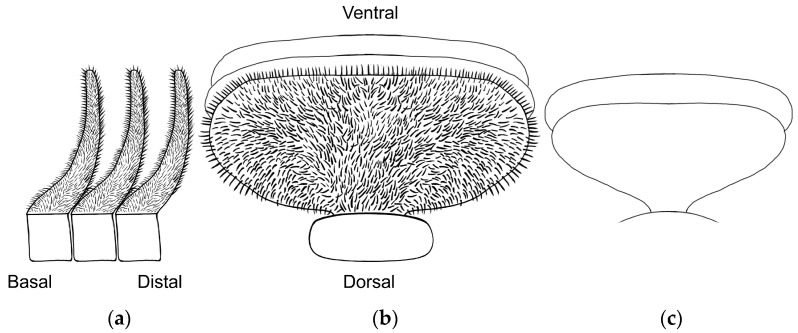 Figure 4
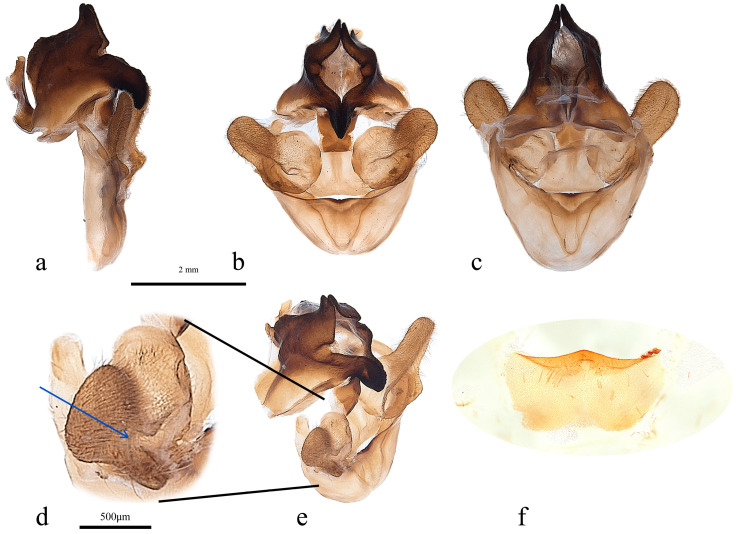 Figure 5
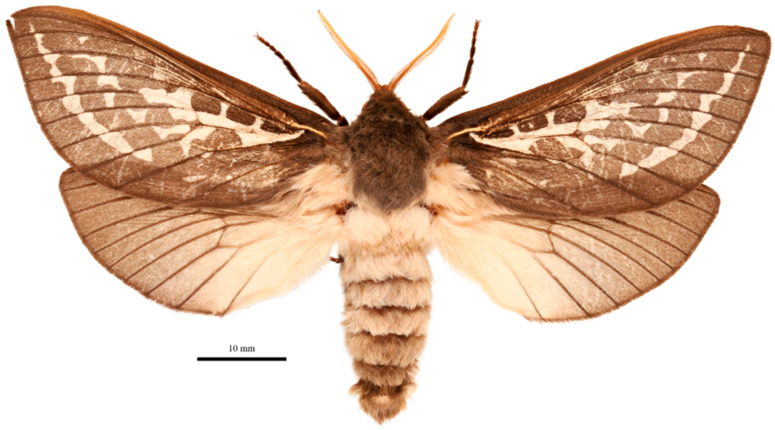 Figure 6
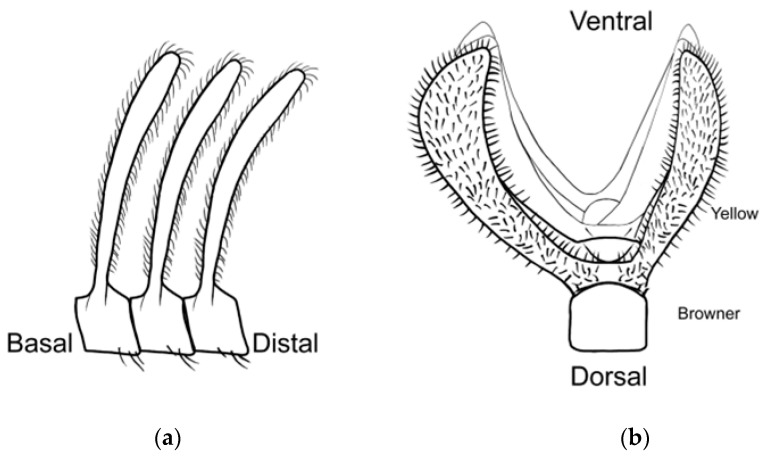 Figure 7
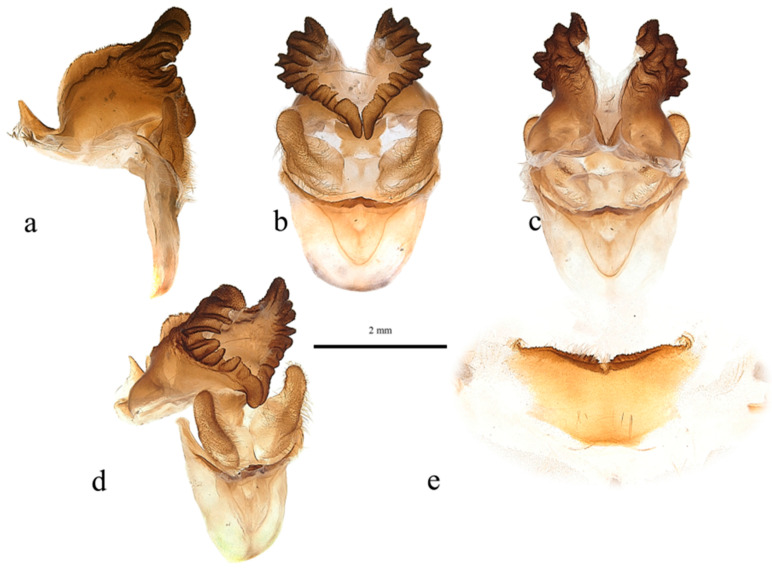 Figure 8
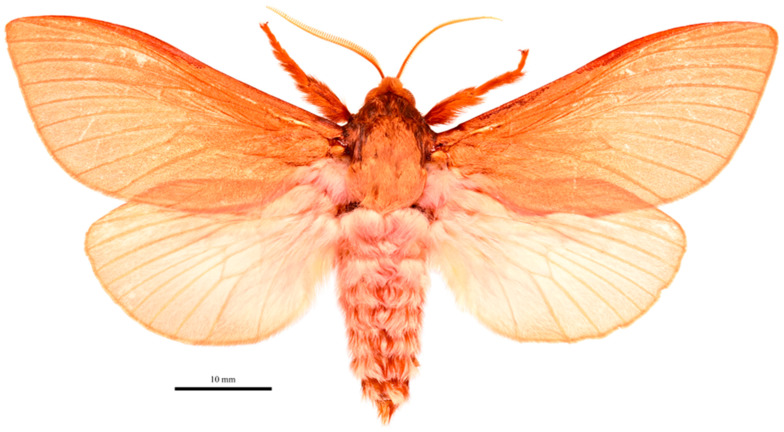 Figure 9
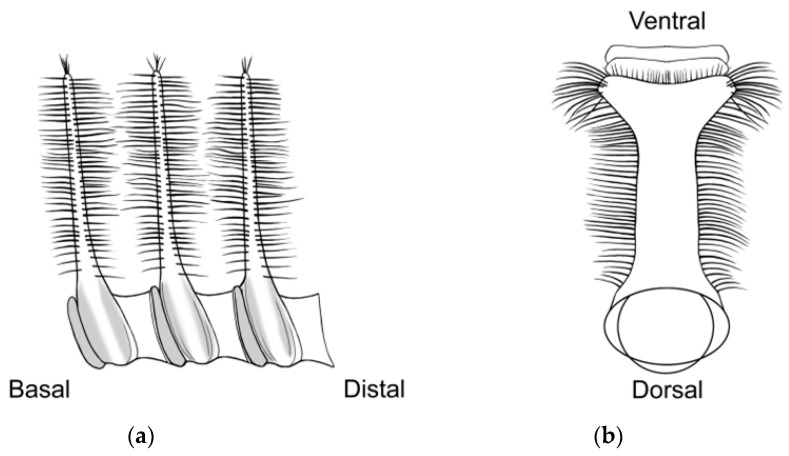 Figure 10
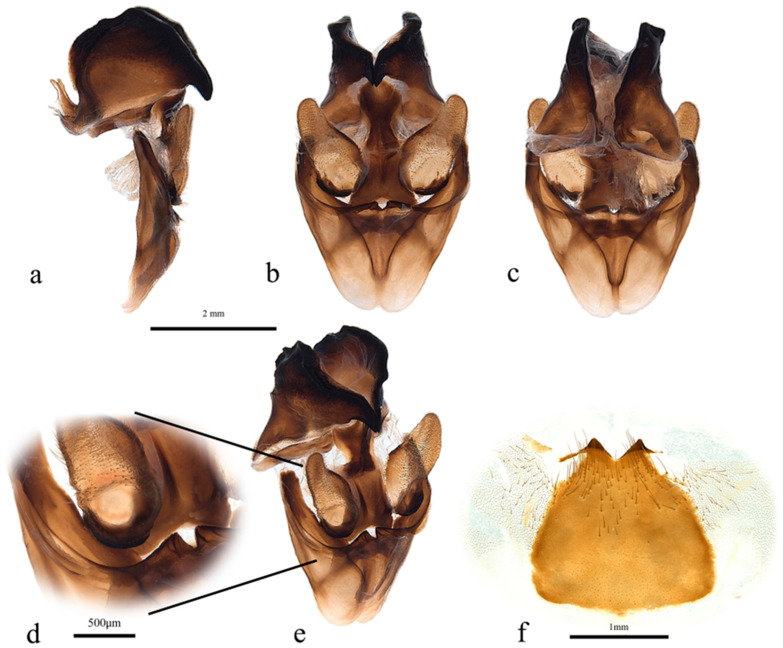 Figure 11
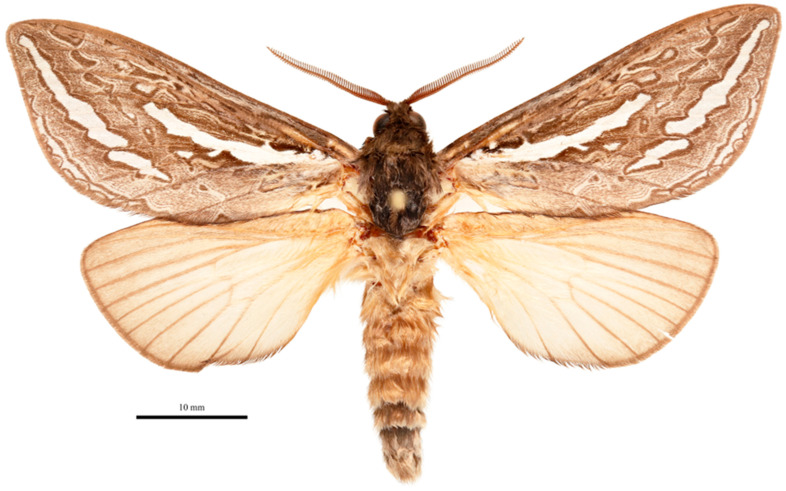 Figure 12
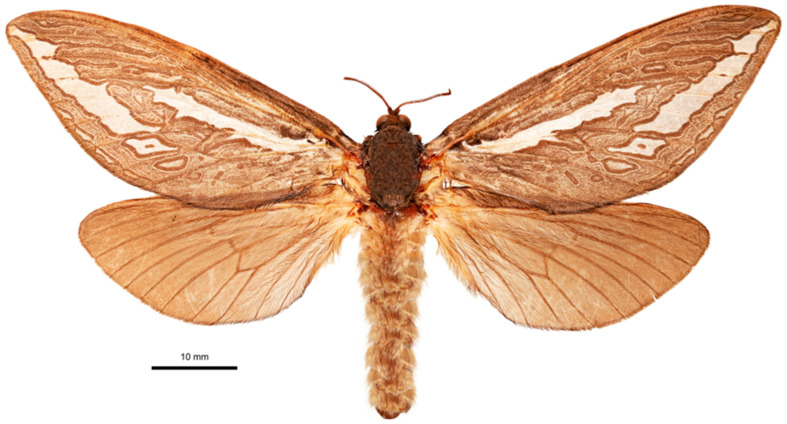 Figure 13
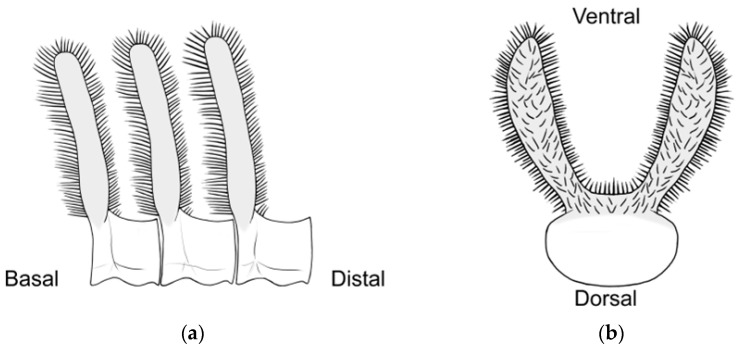 Figure 14
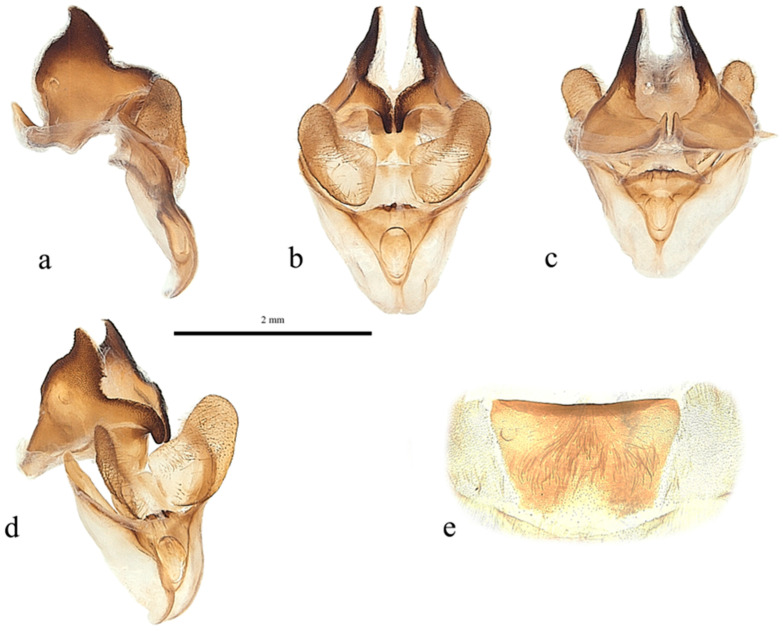 Figure 15
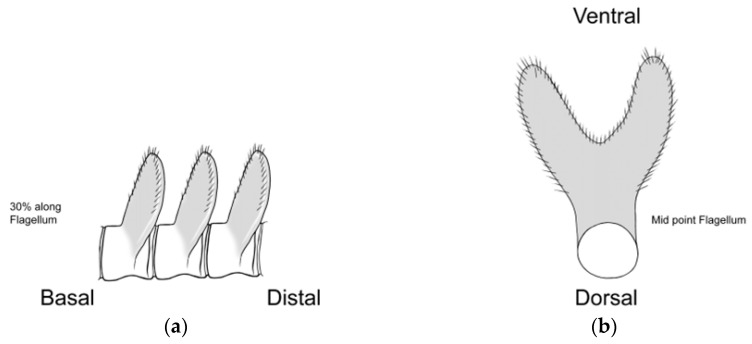 Figure 16
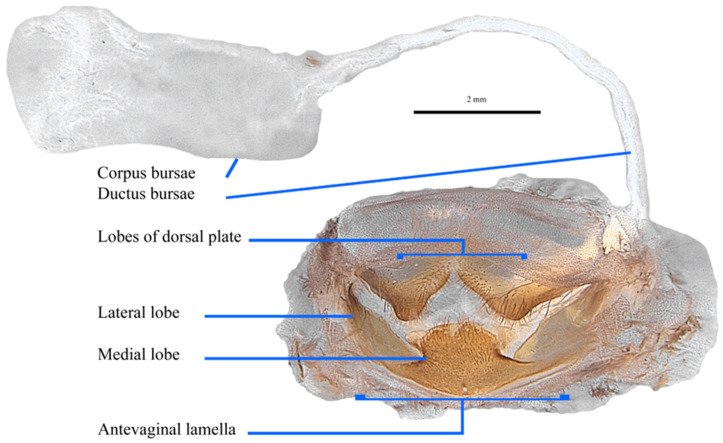 Figure 17
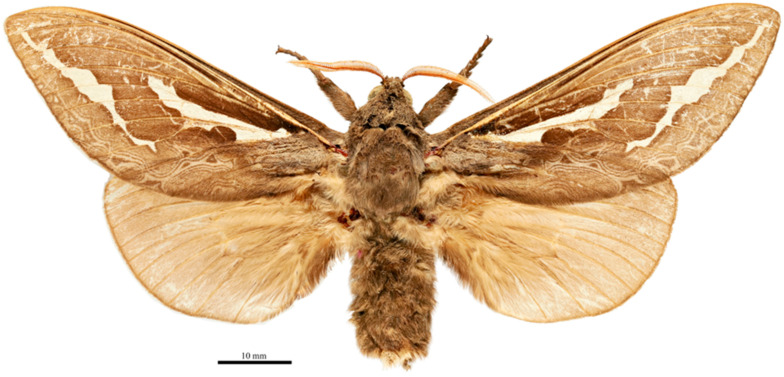 Figure 18
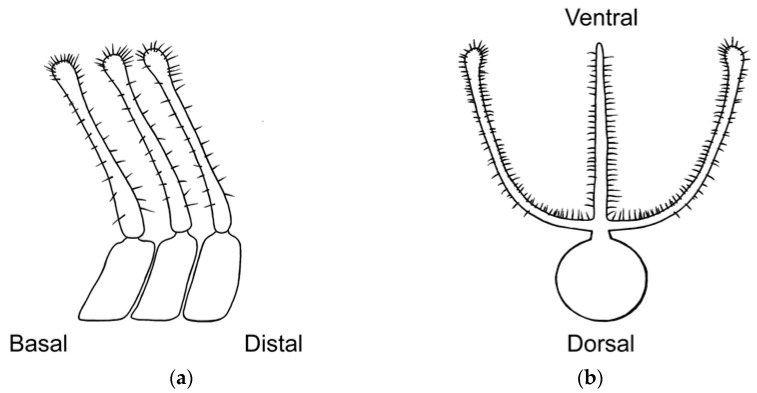 Figure 19
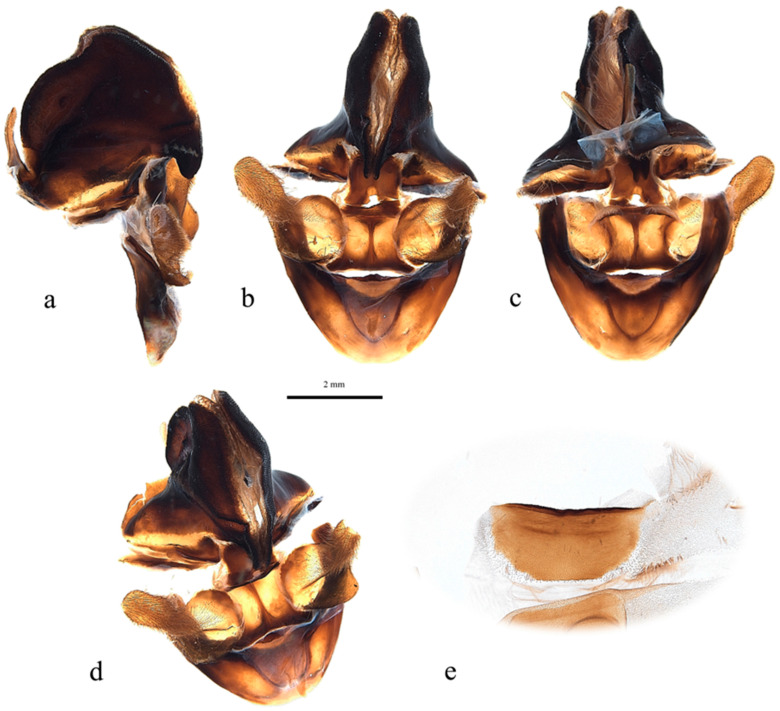 Figure 20
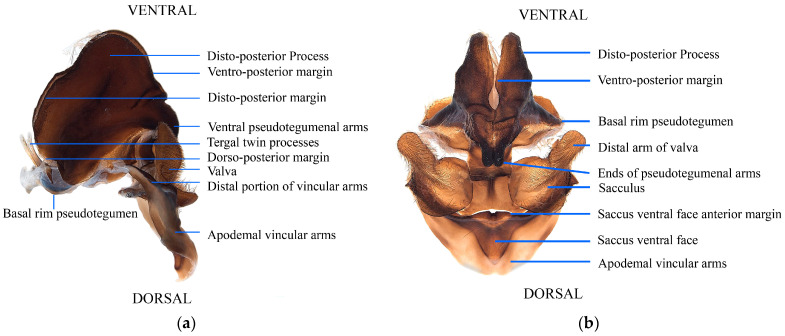 Figure 21
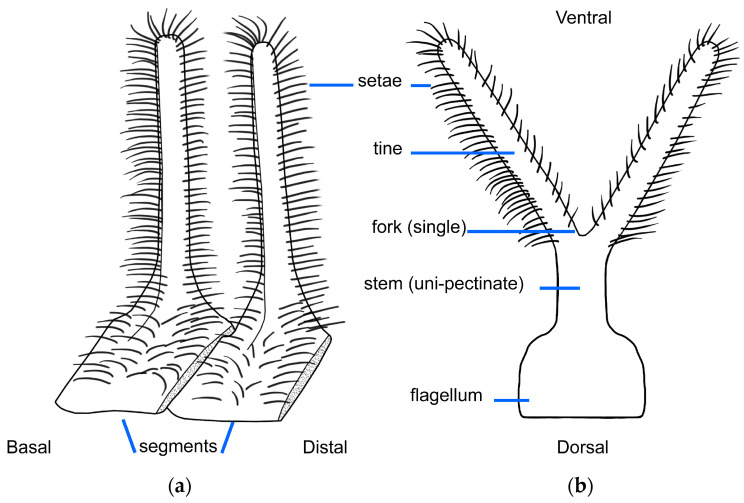 Figure 22
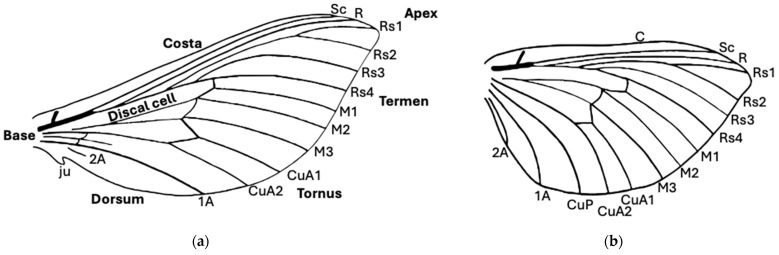 Figure 23
Peer Reviews
No public reviews on file for this paper yet. If you reviewed it on a platform where reviews are public (OpenReview, ICLR, NeurIPS, ICML), you can paste yours below so the community can read it here.
Videos
No videos yet. Explain this paper in a talk, walkthrough, or lecture? Add one.
Taxonomy
TopicsLepidoptera: Biology and Taxonomy · Insect Pheromone Research and Control · Coleoptera: Cerambycidae studies