Temporal Dissociation Between Intravascular Albumin Mass and Transcapillary Escape Dynamics in Sepsis: A Longitudinal Characterization of Albumin Homeostasis Using Routine Laboratory Parameters
Gianni Turcato, Arian Zaboli, Lucia Filippi, Michael Maggi, Alessandra Eugenia Bionda, Fabrizio Lucente, Alberto Caregnato, Daniela Milazzo, Paolo Ferretto, Lorenzo Ghiadoni, Christian J. Wiedermann

TL;DR
The study tracks albumin balance in sepsis patients over time, revealing that albumin leakage and recovery processes are not synchronized, which could help in understanding and managing sepsis.
Contribution
The study introduces a new framework using routine lab data to assess albumin homeostasis in sepsis, showing temporal dissociation between albumin leak and recovery.
Findings
The transcapillary escape rate (TER-like index) peaked early and declined by day 5, showing a decrease in positive escape dynamics.
Net albumin leakage (NAL) was often negative, indicating a persistent intravascular albumin deficit despite reduced escape rates.
A dissociation state (TER-like index ≤ 0 with NAL < 0) increased significantly from day 1 to day 5, highlighting uncoupling between leak and recovery.
Abstract
Background: In sepsis, albumin homeostasis is altered by capillary leak and recovery mechanisms (synthesis and interstitial–lymphatic return), which are difficult to capture clinically. A joint evaluation of ratio-based escape dynamics and mass-based balance may clarify their temporal interplay in sepsis. Methods: In a prospective longitudinal cohort of 389 sepsis patients admitted to an intermediate medical care unit, serial daily sampling (up to five reassessments; 1897 observations) was used to derive: a transcapillary escape rate (TER)-like index from the hourly percent change in the albumin/hemoglobin ratio and net albumin leakage (NAL) from changes in intravascular albumin mass normalized to plasma volume. Indices were analyzed as continuous measures and by sign-defined combined states. Generalized estimating equations (GEE), patient-level slope analyses, and state-transition…
Genes, proteins, chemicals, diseases, species, mutations and cell lines named across the full text — each resolved to its canonical identifier and authoritative record.
Click any figure to enlarge with its caption.
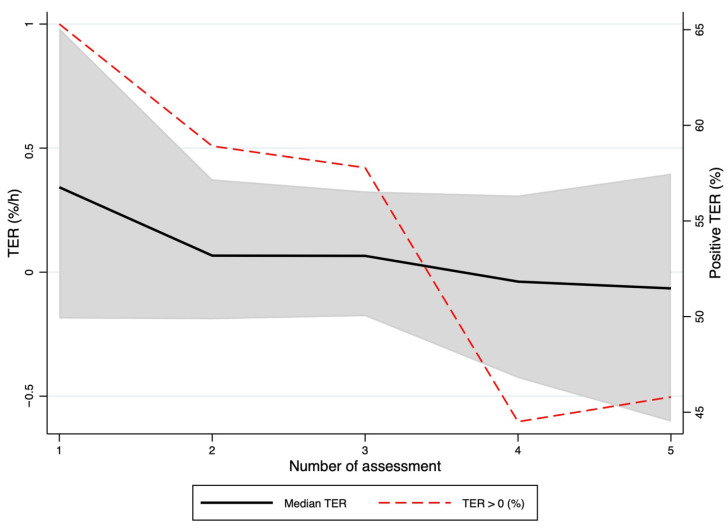 Figure 1
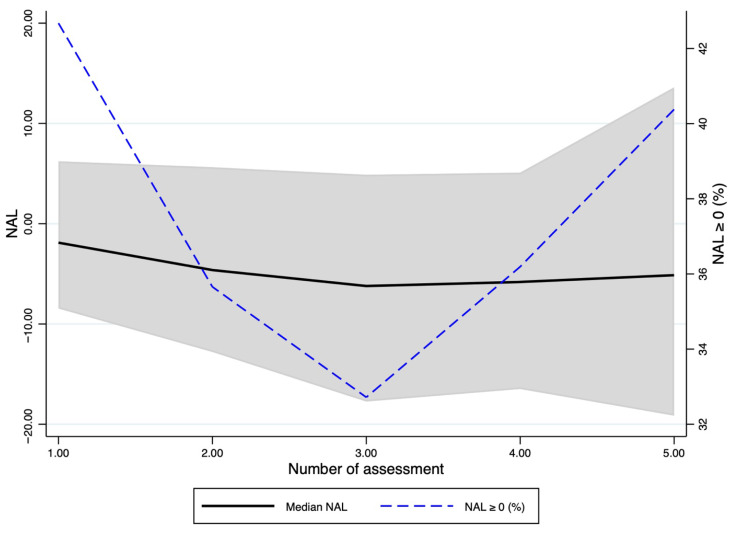 Figure 2
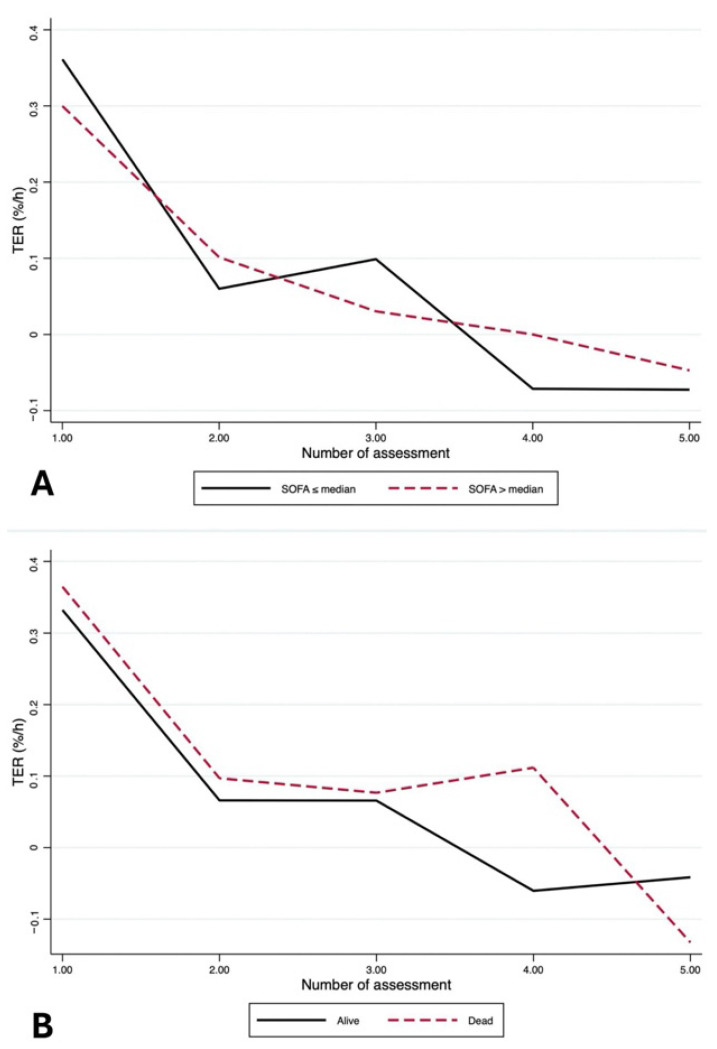 Figure 3
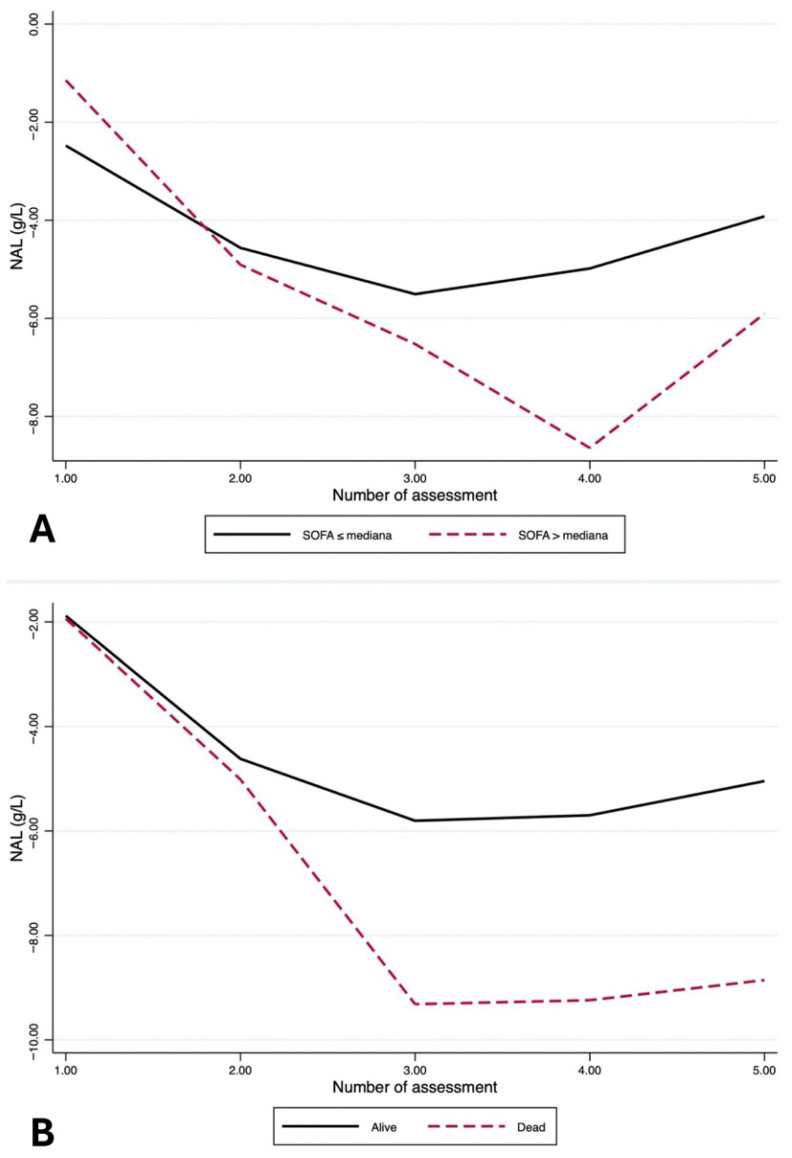 Figure 4
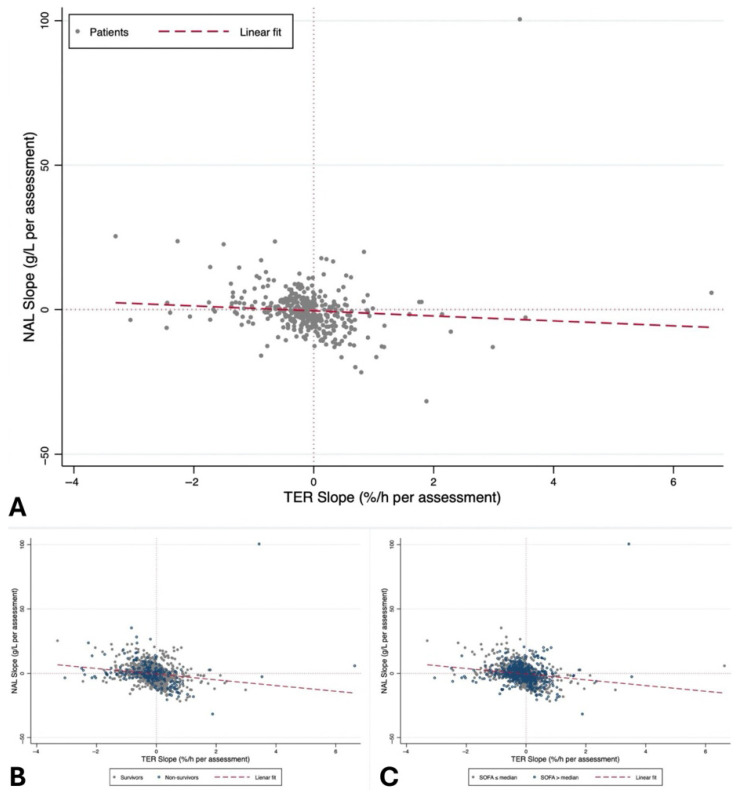 Figure 5
Peer Reviews
No public reviews on file for this paper yet. If you reviewed it on a platform where reviews are public (OpenReview, ICLR, NeurIPS, ICML), you can paste yours below so the community can read it here.
Videos
No videos yet. Explain this paper in a talk, walkthrough, or lecture? Add one.
Taxonomy
TopicsSepsis Diagnosis and Treatment · Trauma, Hemostasis, Coagulopathy, Resuscitation · Hemodynamic Monitoring and Therapy