Functional Characterization of OasiCSP12: A Chemosensory Protein Regulating Olfaction and Phase Change in Oedaleus decorus asiaticus
Shu Xu, Wenchang Duan, Huijuan Shi, Yajing Cai, Yaojie Zheng, Haibin Han, Ling Li, Yanyan Li, Yu Zhang

TL;DR
This study identifies a chemosensory protein, OasiCSP12, in a grassland pest locust that may regulate its behavior and phase changes through chemical signals.
Contribution
The study functionally characterizes OasiCSP12 as a chemosensory protein involved in locust phase regulation and olfaction.
Findings
OasiCSP12 is expressed in a phase- and sex-specific manner, predominantly in the antennae of gregarious adults.
The protein binds to 15 locust body-surface volatiles, including aldehydes like heptanal.
Structural analysis reveals a hydrophobic cavity where Val86 and Leu71 stabilize ligands via van der Waals interactions.
Abstract
Oedaleus decorus asiaticus is a major grassland pest whose outbreaks are driven by density-dependent phase change, a process mediated through chemical communication. This study suggests that a chemosensory protein, OasiCSP12, may participate in this process. OasiCSP12 shows phase- and sex-specific expression, with predominant levels in the antennae of gregarious adults. The protein binds specifically to 15 locust body-surface volatiles, particularly aldehydes such as heptanal. Structural analysis identified a hydrophobic binding cavity where residues Val86 and Leu71 are predicted to stabilize ligands via van der Waals interactions. These findings suggest that OasiCSP12 is a potential molecular component in both chemical perception and phase regulation, offering a possible target for the development of behavior-based, eco-friendly control strategies against locust plagues. The Asian…
Genes, proteins, chemicals, diseases, species, mutations and cell lines named across the full text — each resolved to its canonical identifier and authoritative record.
Click any figure to enlarge with its caption.
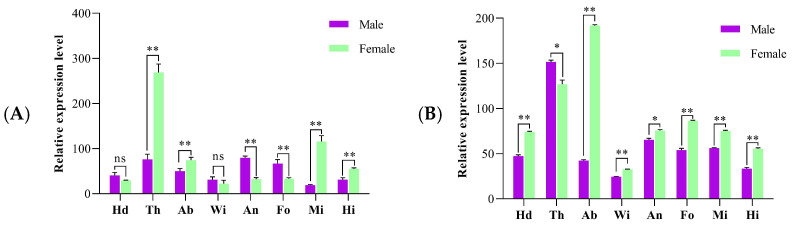 Figure 1
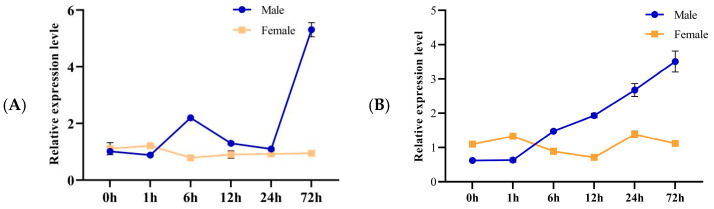 Figure 2
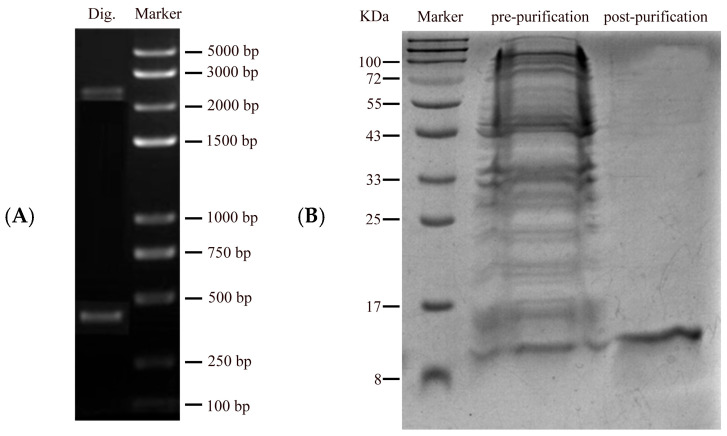 Figure 3
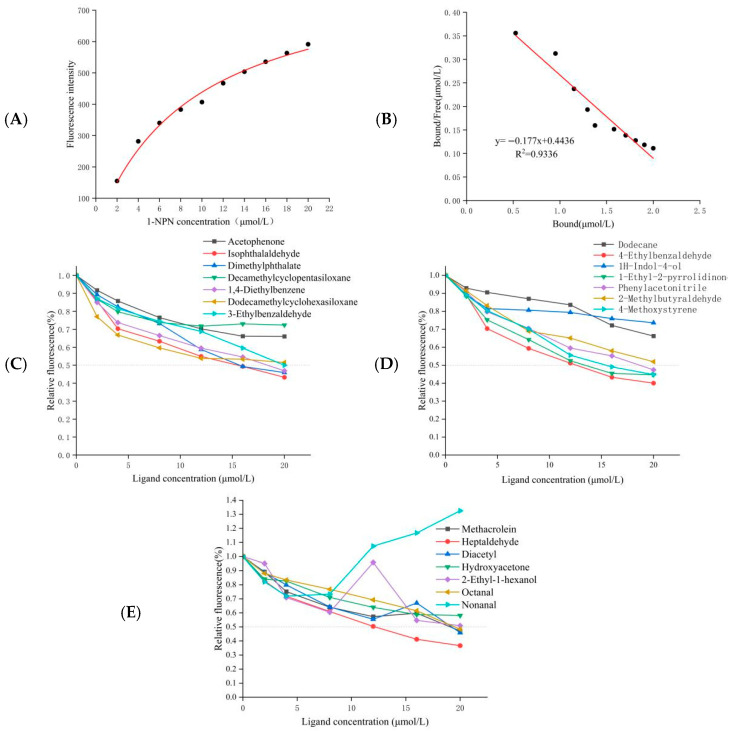 Figure 4
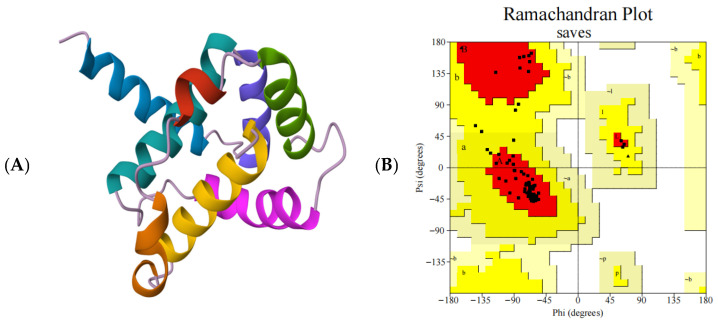 Figure 5
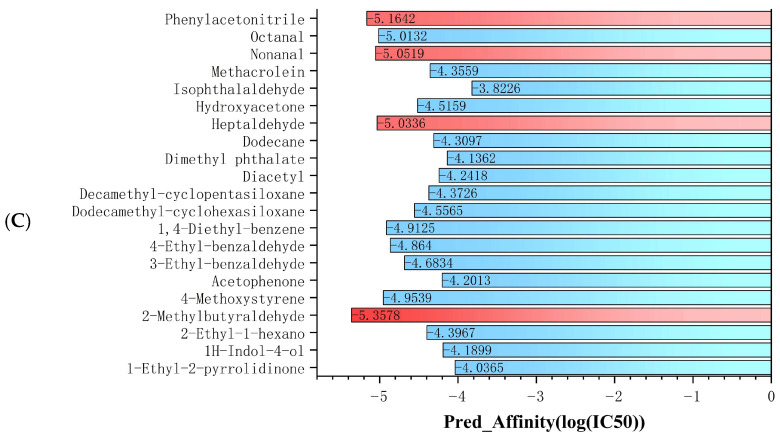 Figure 6
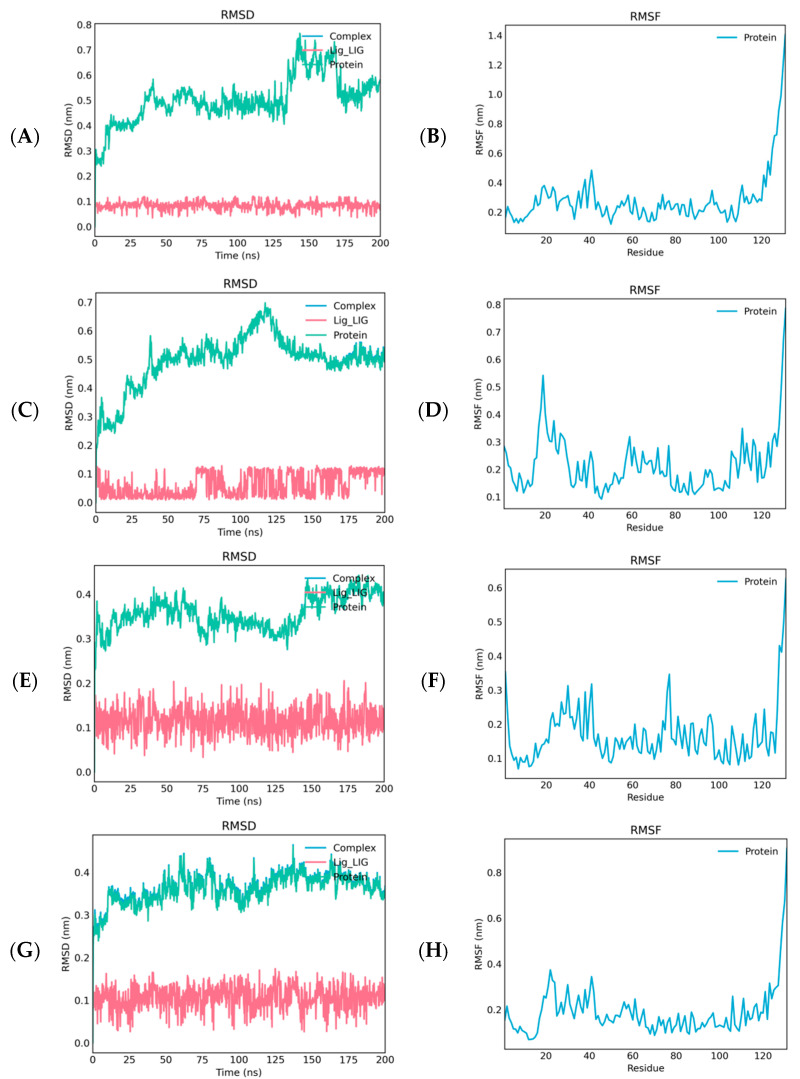 Figure 7
Peer Reviews
No public reviews on file for this paper yet. If you reviewed it on a platform where reviews are public (OpenReview, ICLR, NeurIPS, ICML), you can paste yours below so the community can read it here.
Videos
No videos yet. Explain this paper in a talk, walkthrough, or lecture? Add one.
Taxonomy
TopicsNeurobiology and Insect Physiology Research · Olfactory and Sensory Function Studies · Plant and Biological Electrophysiology Studies