Identification of Potential Candidates with Antimicrobial Activity Against Antibiotic-Resistant Staphylococcus aureus Strains: A Hierarchical Bioinformatics Approach
Aderaldo Viegas da Silva, Kelton Luís Belém dos Santos, Lana Patrícia de Oliveira Barros Pinto de Oliveira, Luciana Sampaio Lima, Francy Mendes Nogueira Cardoso, Marcella Caroline Sampaio Vieira Carvalho, Ryan da Silva Ramos, Jorddy N. Cruz, Njogu Mark Kimani

TL;DR
This study uses bioinformatics to identify 10 potential antimicrobial compounds effective against antibiotic-resistant Staphylococcus aureus.
Contribution
A hierarchical bioinformatics approach was developed to identify new antimicrobial candidates against resistant S. aureus strains.
Findings
10 compounds were identified with potential antimicrobial activity against S. aureus.
The compounds showed favorable pharmacokinetic and toxicological profiles.
Molecular dynamics simulations supported the compounds' stability and activity.
Abstract
Antibiotic resistance among several bacteria is a warning sign that reinforces the need for research to identify new compounds that are effective against resistant strains. In this sense, bioinformatics stands out as an excellent tool for identifying drug candidates by using computational methodologies to detect compounds with potential biological activity. Two pivot compounds (QNZ and 0Y5) with biological activity against Staphylococcus aureus were selected. A virtual screening was performed in the MolPort database with a Tanimoto index of 0.5, resulting in 20,000 compounds, 10,000 compounds for each template. Then, methodologies were applied to calculate pharmacokinetic and toxicological parameters using Discovery Studio software; molecular docking via DockThor; lethal dose via ProTOX; lipophilicity, solubility, and Lipinski parameters via SwissADME; in silico prediction of bacterial…
Genes, proteins, chemicals, diseases, species, mutations and cell lines named across the full text — each resolved to its canonical identifier and authoritative record.
Click any figure to enlarge with its caption.
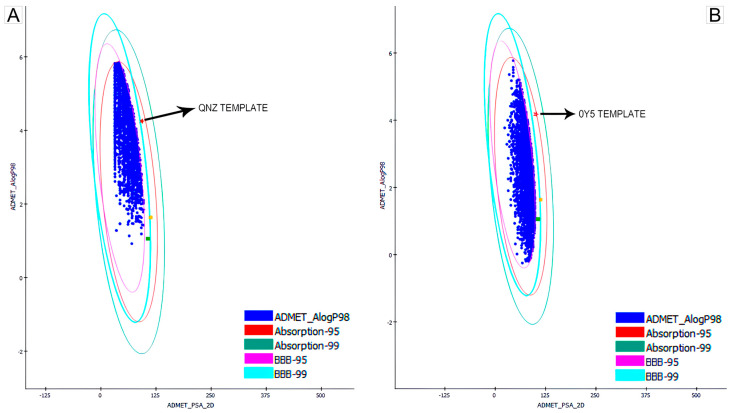 Figure 1
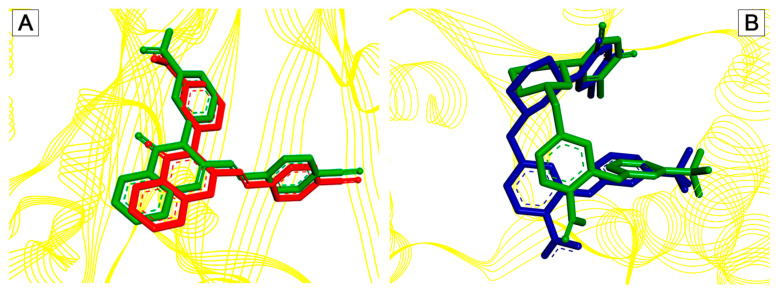 Figure 2
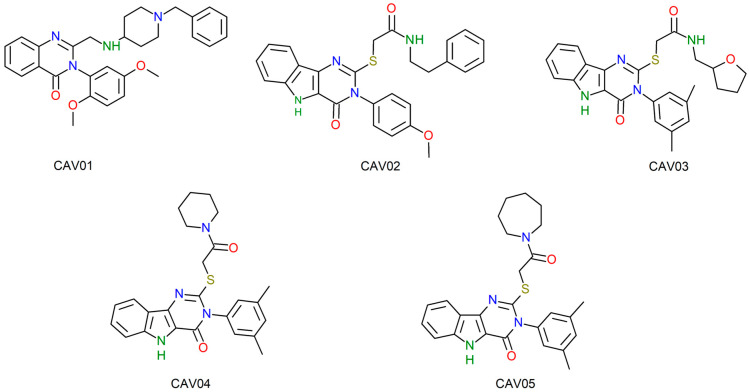 Figure 3
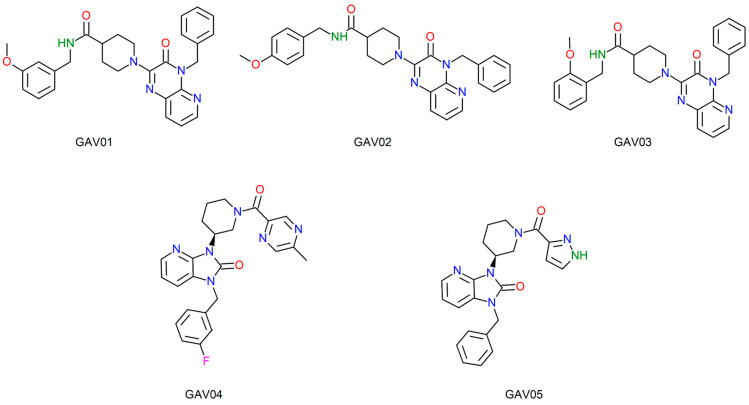 Figure 4
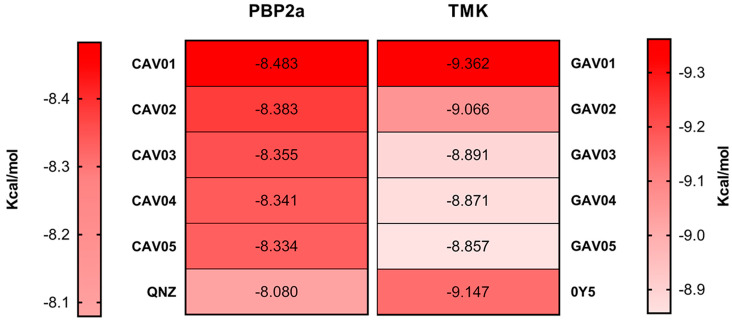 Figure 5
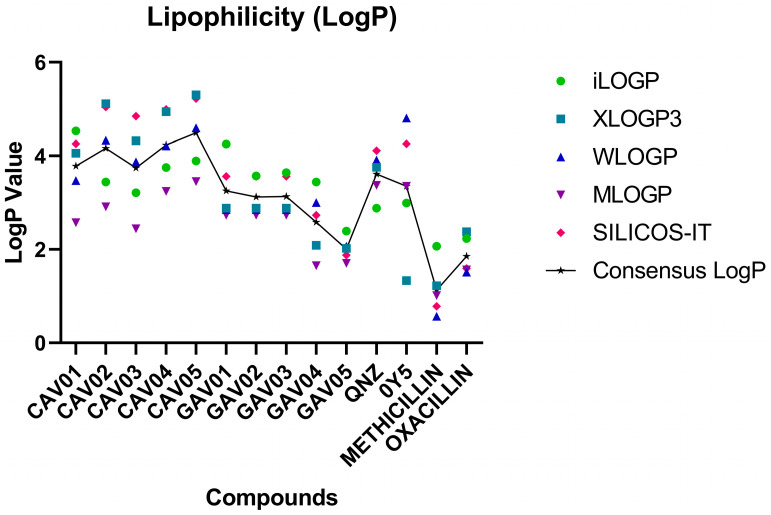 Figure 6
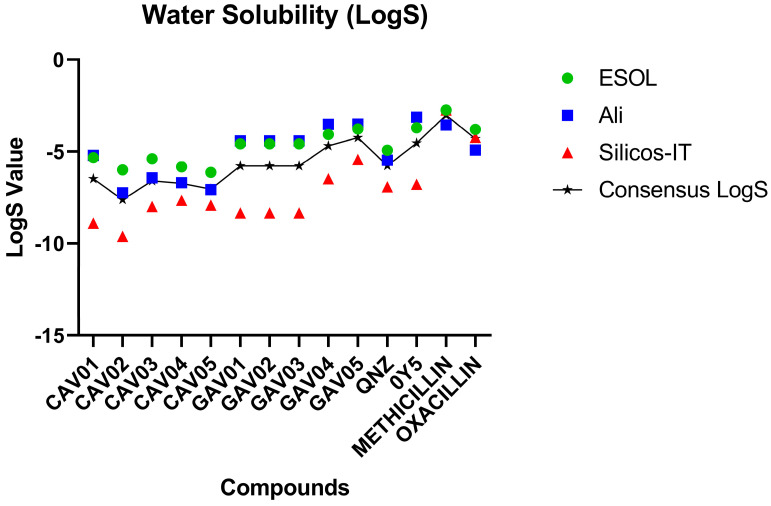 Figure 7
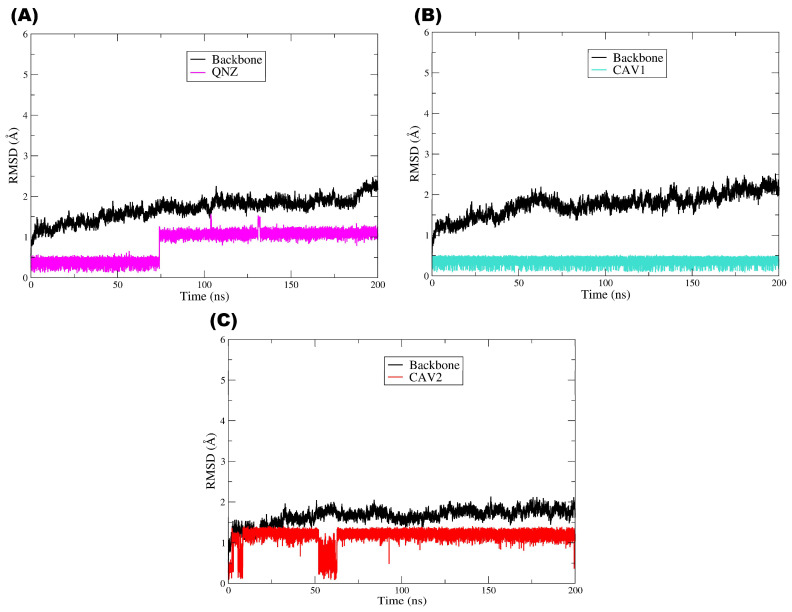 Figure 8
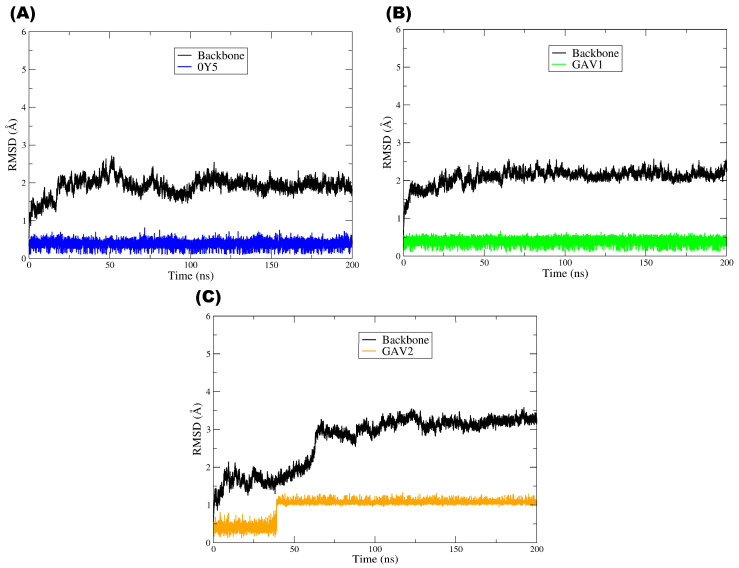 Figure 9
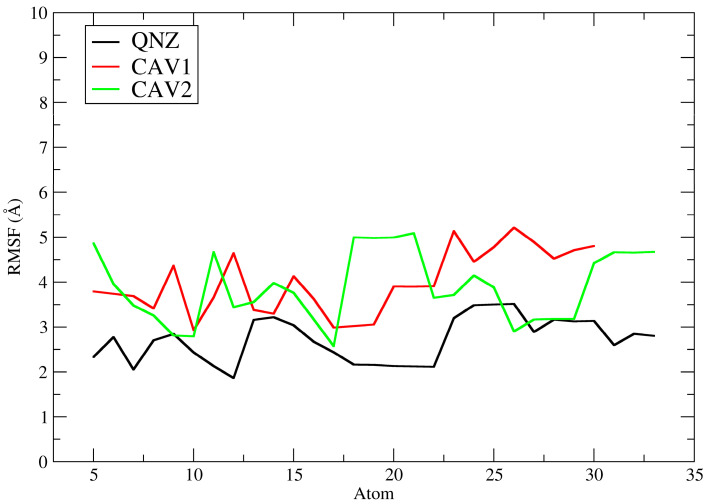 Figure 10
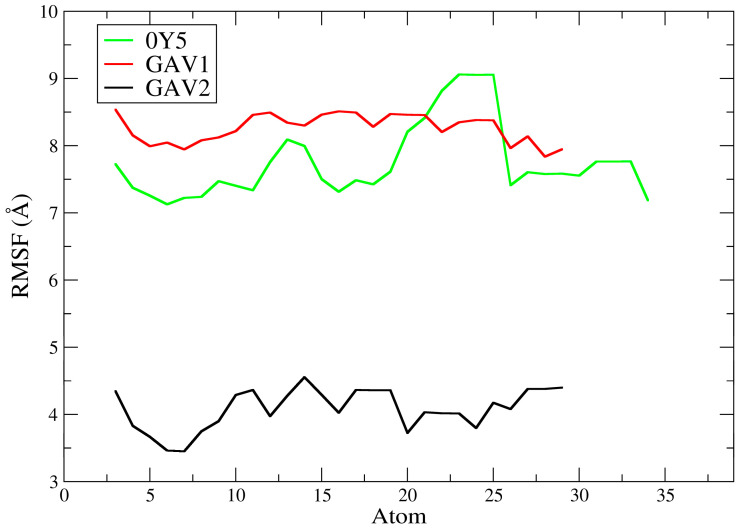 Figure 11
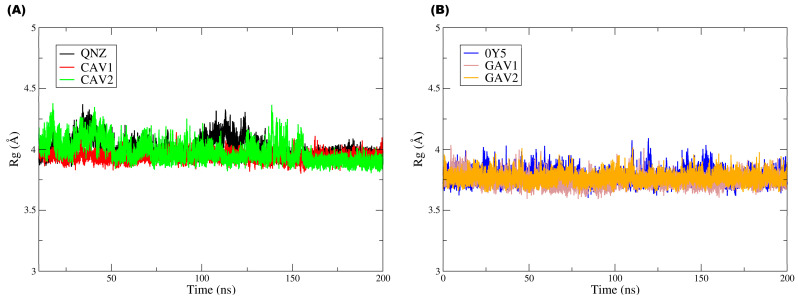 Figure 12
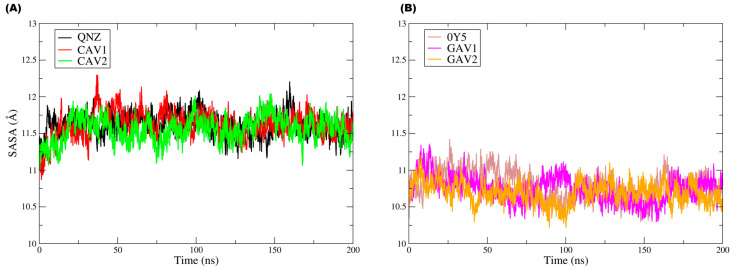 Figure 13
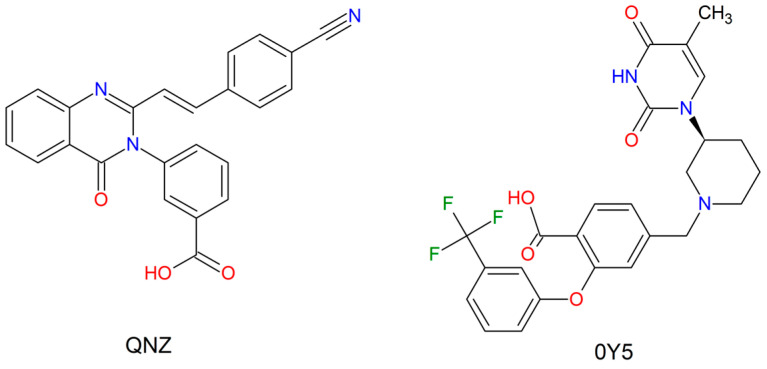 Figure 14
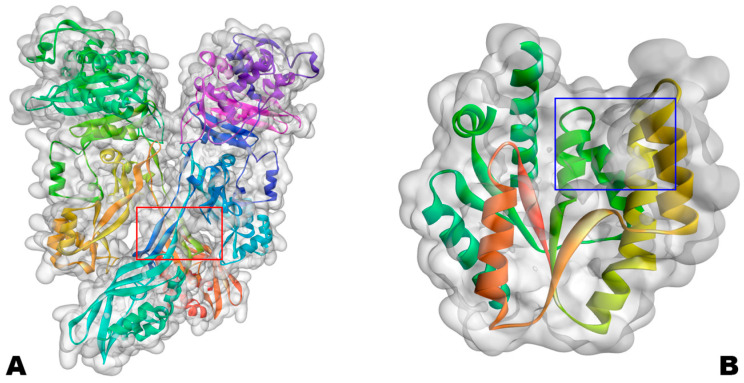 Figure 15
Peer Reviews
No public reviews on file for this paper yet. If you reviewed it on a platform where reviews are public (OpenReview, ICLR, NeurIPS, ICML), you can paste yours below so the community can read it here.
Videos
No videos yet. Explain this paper in a talk, walkthrough, or lecture? Add one.
Taxonomy
TopicsComputational Drug Discovery Methods · Machine Learning in Bioinformatics · vaccines and immunoinformatics approaches