Fimepinostat Promotes Apoptosis and Decreases Cytokine Secretion in NF2-Related Human Schwannoma Cells
Anna Nagel, Ethan W. Hass, Hollie Hayes, Lenna Huelbes, Sofia Oliveira, Haley M. Hardin, Mikhail Marasigan, Eric Nisenbaum, Carly Misztal, Fred F. Telischi, Michael E. Ivan, Xue-Zhong Liu, Olena R. Bracho, Christine T. Dinh, Cristina Fernandez-Valle

TL;DR
Fimepinostat, a drug that inhibits HDAC and PI3K, shows promise in reducing tumor size and promoting cell death in schwannomas related to NF2-related schwannomatosis.
Contribution
The study demonstrates fimepinostat's efficacy in promoting apoptosis and reducing cytokine secretion in NF2-related schwannoma cells.
Findings
Fimepinostat induces p21-dependent cell cycle inhibition and upregulates TRAIL R2 in schwannoma cells.
The drug downregulates TNFR1, YAP, and apoptosis inhibitors, leading to caspase-3-dependent apoptosis.
Fimepinostat reduces cytokine and chemokine secretion caused by merlin loss in schwannoma cells.
Abstract
This study focuses on the action of fimepinostat, a dual histone deacetylase (HDAC)/phosphosphoinositide-3 kinase (PI3K) inhibitor in NF2-related schwannomatosis. Decreased tumor sized in a mouse sciatic nerve allograft model accompanied with mechanistic studies on human model cell lines suggests that HDAC inhibition might be a feasible antitumor therapy in NF2-related schwannomatosis. There is no approved drug therapy for schwannomas associated with NF2-related schwannomatosis (NF2-SWN). Neither life-saving surgical resection or radiation are curative and can compound the debilitating neurological effects of the schwannomas. We previously identified fimepinostat, a dual histone deacetylase (HDAC)/phosphoinositide-3 kinase (PI3K) inhibitor, as a promising drug candidate with pro-apoptotic effects on NF2-related schwannomas. This preclinical study used the pharmaceutical formulation of…
Genes, proteins, chemicals, diseases, species, mutations and cell lines named across the full text — each resolved to its canonical identifier and authoritative record.
Click any figure to enlarge with its caption.
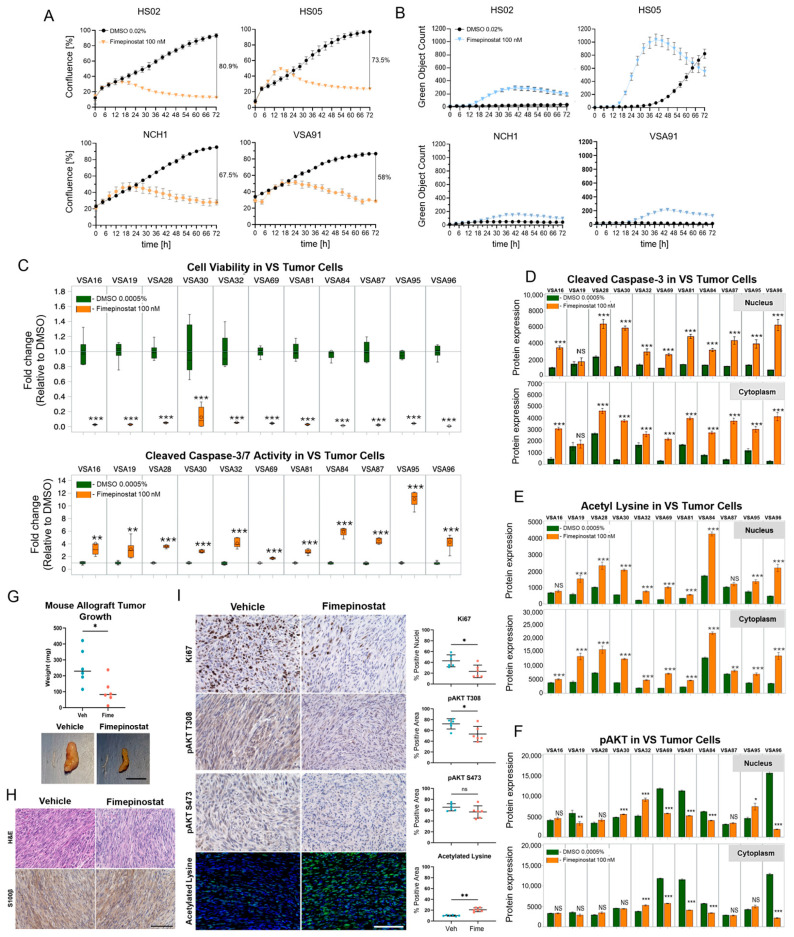 Figure 1
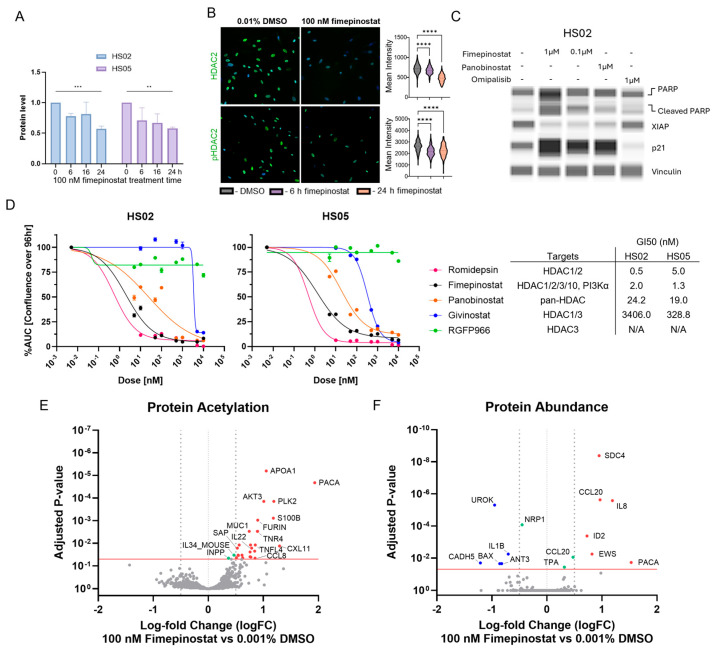 Figure 2
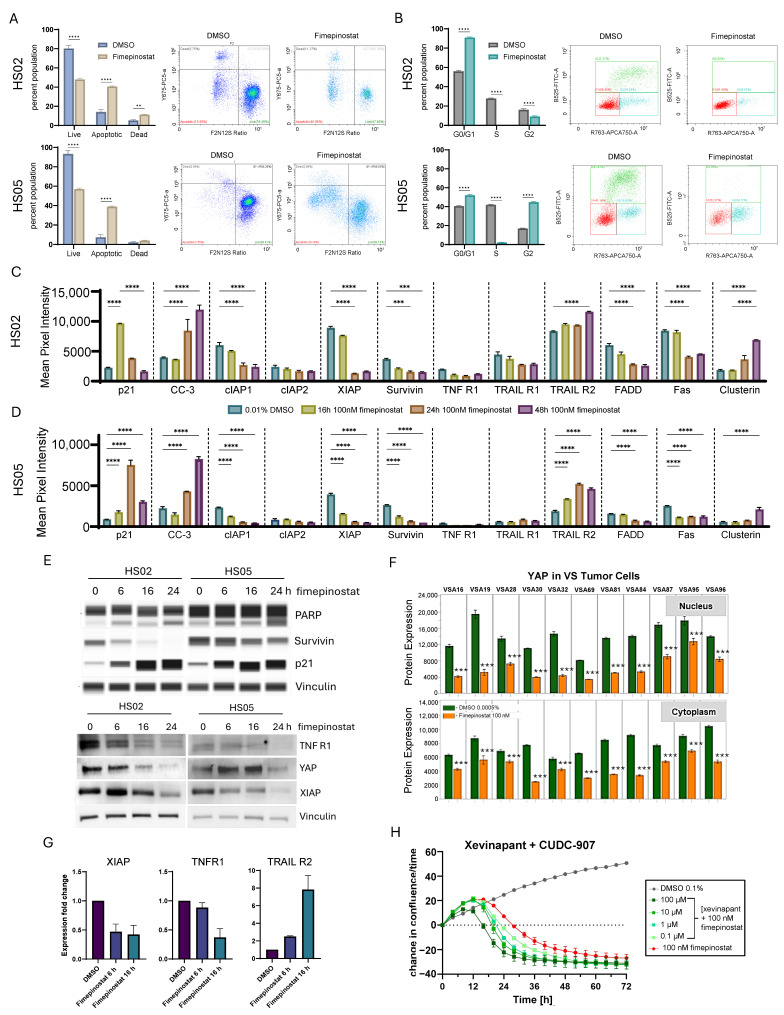 Figure 3
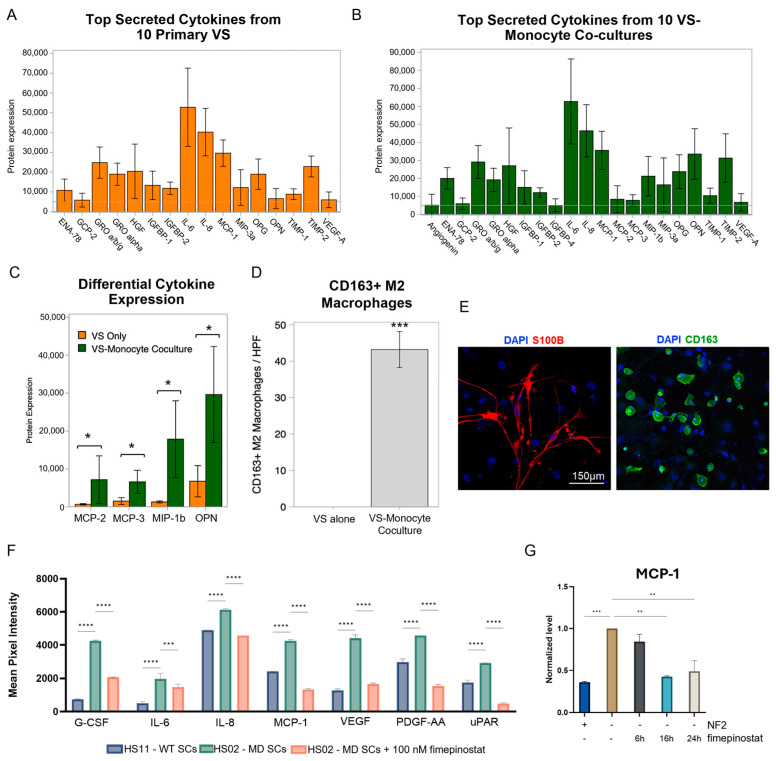 Figure 4
Peer Reviews
No public reviews on file for this paper yet. If you reviewed it on a platform where reviews are public (OpenReview, ICLR, NeurIPS, ICML), you can paste yours below so the community can read it here.
Videos
No videos yet. Explain this paper in a talk, walkthrough, or lecture? Add one.
Taxonomy
TopicsNeurofibromatosis and Schwannoma Cases · Meningioma and schwannoma management · Nerve injury and regeneration