The Use of Positive Psychology in Studies with Healthcare Professionals: Scoping Review and Implications for Professional Support
Wanderlei Abadio de Oliveira

TL;DR
This paper reviews how positive psychology can improve healthcare professionals' well-being, offering insights for better workplace support and policy.
Contribution
The study synthesizes evidence on applying Positive Psychology to healthcare professionals, identifying three key themes for improving their mental health.
Findings
Positive Psychology interventions promote emotional and psychological well-being in healthcare professionals.
Strengthening personal resources and virtues through self-assessment is effective in improving work-related outcomes.
Professional appreciation and a positive organizational climate are critical for supporting healthcare workers.
Abstract
Public health relevance—How does this work relate to a public health issue? Work-related illness among healthcare professionals represents a critical public health issue, as it directly affects the quality, continuity, and safety of care provided to populations.Addressing this issue also requires the consideration of individual-level factors such as personal resources, coping strategies, and psychological strengths. By incorporating these dimensions into research and intervention design, it becomes possible to develop more effective and comprehensive approaches that integrate both systemic and individual determinants of occupational health. Work-related illness among healthcare professionals represents a critical public health issue, as it directly affects the quality, continuity, and safety of care provided to populations. Addressing this issue also requires the consideration of…
Click any figure to enlarge with its caption.
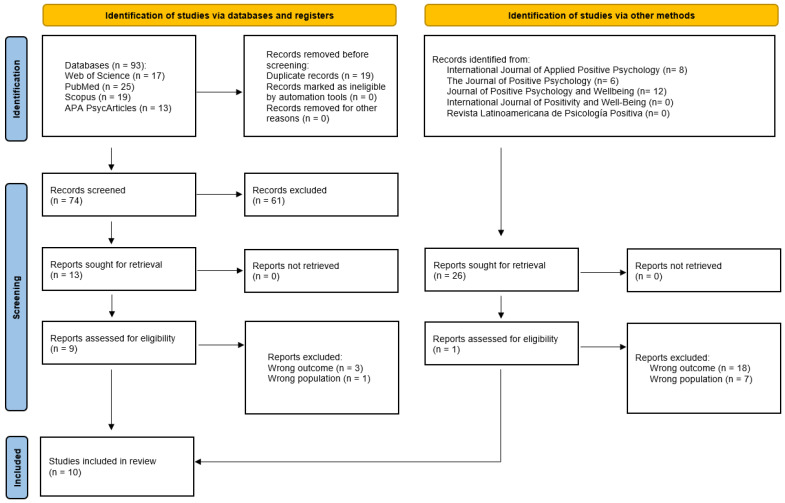 Figure 1
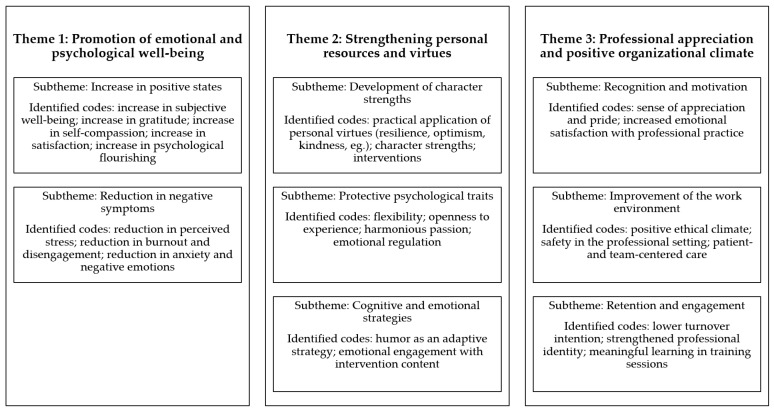 Figure 2
Peer Reviews
No public reviews on file for this paper yet. If you reviewed it on a platform where reviews are public (OpenReview, ICLR, NeurIPS, ICML), you can paste yours below so the community can read it here.
Videos
No videos yet. Explain this paper in a talk, walkthrough, or lecture? Add one.
Taxonomy
TopicsPsychological Well-being and Life Satisfaction · Optimism, Hope, and Well-being · Workplace Spirituality and Leadership
1. Introduction
The healthcare field is recognized as a demanding and multifaceted work environment, where professionals frequently face high physical, emotional, and organizational demands [1]. Psychosocial factors such as long working hours, intense emotional demands, high-risk settings, and insufficient institutional support contribute to increasing the psychological distress experienced by health workers [2,3]. Among these factors, work overload is one of the most frequently explored issues in scientific literature, encompassing high patient care demands, staff shortages, long shifts, emotional pressure related to clinical decision-making, interprofessional tensions, and limited resources [4]. Other barriers reported by healthcare professionals include lack of training, ineffective teamwork, insufficient institutional and governmental support, unclear responsibilities, and social inequalities, among others.
This context shows that working in healthcare impacts not only physical well-being but also has significant consequences on mental health, often leading to increased rates of mental disorders and, notably, burnout syndrome. This has been documented in the literature, although not always extensively or consistently across contexts. For instance, a cross-sectional study involving 959 Italian healthcare workers identified 328 suspected cases of anxiety (34.2%) and 334 cases of depression (34.8%), both unreported or undiagnosed [5]. Such experiences of suffering and extreme exhaustion, often resulting from chronic and excessive work-related stress, are identified as burnout syndrome [6]. This occupational phenomenon has been explored in the literature, although the scope and depth of investigation vary across studies and contexts. For example, in Uganda, burnout rates ranged from 16% to 86%, with an overall average of 57.4% [7]. In Brazil, occupational stress and burnout prevalence are also high [8]. Similar patterns are observed across Europe, where elevated burnout rates among healthcare professionals are consistently reported.
It is important to note that this scenario of illness is not necessarily related to the level of healthcare complexity but rather to the intensity of human interaction and caregiving responsibilities. In fact, inadequate training may exacerbate this condition by making caregiving tasks simultaneously complex and intense, reinforcing the need to consider how these dimensions interact in shaping occupational stress. In other words, health professionals at various levels of care, from primary care to intensive care units, are equally vulnerable to burnout and mental distress. Community health workers (CHWs), for instance, often have limited formal training and maintain strong ties with their local communities [9], making them especially susceptible to job-related stress and burnout syndrome [10]. On the opposite end of the healthcare system, a recent literature review reported burnout prevalence of 50% among intensive care unit nurses [11].
Health issues have direct implications for reduced work capacity [5]. On the other hand, personal characteristics must also be considered to understand how workplace demands and challenges interact with individual resources, either increasing vulnerability to illness or offering potential pathways to well-being and resilience. This perspective highlights that personal attributes may influence how an individual copes with workplace stress. From this standpoint, Positive Psychology was chosen as the theoretical framework for this study, as it offers conceptual and empirical tools to understand and promote individual strengths which are crucial in managing occupational challenges.
1.1. Positive Psychology in Healthcare
Positive psychology emerged as a critical response to the historically predominant focus of psychology on pathologies and negative emotional states. In 2000, the scientific journal American Psychologist published a Special Issue dedicated to this new approach, defining positive psychology as the study of positive emotions, character strengths, and institutions that promote human flourishing [12]. This publication marked the beginning of an academic movement that began to emphasize human potential and the factors that contribute to a meaningful and satisfying life. In terms of definition, it is a field of psychology devoted to the scientific study of the qualities and conditions that support healthy development and human well-being [13]. This area seeks to investigate positive emotions, such as gratitude and hope, personality traits like resilience and optimism, and social contexts that foster human flourishing [12,13].
In practice, positive psychology is applied, for instance, in mental health promotion programs for healthcare professionals, by encouraging the practice of gratitude or the recognition of personal strengths as a way to reduce occupational stress. It can also be seen in schools through activities that strengthen a sense of purpose and positive interpersonal relationships among students. This movement represented a significant advancement by expanding psychology’s scope beyond the treatment of psychological or mental health problems, also focusing on strengthening mental and emotional health, as well as on the more positive aspects of development [12,13,14]. By redirecting scientific attention to personal strengths, virtues, and well-being, positive psychology positions itself as a paradigmatic shift within the field of psychology [14].
Within this theoretical framework, character strengths emerge as a central principle. They are defined as pathways to the major human virtues, including positive personality traits that reflect identity and are capable of producing positive outcomes for both the individual and those around them [15]. In the classical model, these strengths are organized into six universal virtues: wisdom/knowledge (cognitive virtue), courage (emotional virtue), humanity (interpersonal virtue), justice (civic virtue), temperance (protective virtue), and transcendence (spiritual virtue) [16]. Another important concept is mindset, which refers to the underlying beliefs individuals hold about their abilities and influences how they perceive and respond to challenges. Research has already shown that character strengths are associated with life satisfaction, flourishing, subjective and psychological well-being, lower levels of stress, and reduced emotional suffering, among other benefits.
Concurrent to these aspects, it is worth noting that in adulthood, work represents one of the main activities in human development. It is understood as an expenditure of vital energy that occurs when professional demands are met in the workplace. It is important to emphasize that this energy directed toward professional activities is subject to the inherent depletion caused by the tension of demands and the fatigue resulting from the execution of work. Therefore, it is essential that this energy be regularly replenished to ensure the creation of a healthy work environment [17]. According to positive psychology, two underlying processes occur simultaneously in the work context: first, a motivational and energetic process that results in work engagement; second, a process of wear and stress that may lead to burnout [17]. The interaction between job demands and resources thus constitutes the central factor for a deeper understanding of work dynamics and their impact on workers.
1.2. The Present Study
Initially, this review was conceived to identify interventions based on the principles of positive psychology developed for or focused on the treatment of healthcare professionals. However, during preliminary database searches, no results were found. Given this, the study’s objective was revised to synthesize evidence on the use of positive psychology in the care of healthcare professionals. Based on the findings, this study also aims to reflect on implications for promoting the mental health of healthcare workers, considering the identified gap in intervention-based studies.
2. Methods
2.1. Design
The present study followed a scoping review design, an approach recommended for systematically and comprehensively mapping an emergent or heterogeneous body of literature on a given topic. This type of review employs an iterative and rigorous process that is particularly suitable for synthesizing the scope, nature, and gaps in the available knowledge [18]. The methodological design was conducted in accordance with the PRISMA-ScR (Preferred Reporting Items for Systematic Reviews and Meta-Analyses extension for Scoping Reviews) checklist, ensuring transparency, reproducibility, and standardization in the procedures of searching, screening, extracting, and synthesizing data [19]. The PRISMA checklist is included as a Supplementary Material. The review protocol was pre-registered and published on the Open Science Framework (OSF), under the DOI 10.17605/OSF.IO/6UCKE. The Rayyan platform was used to organize and conduct the screening and selection of studies [20]. Ethical approval was not required due to the nature of the study, which did not involve human or animal subjects. Nonetheless, all ethical principles were carefully observed, especially regarding citation, referencing, and appropriate acknowledgment of the authors consulted.
2.2. Research Question
The formulation of the guiding research question was informed by the PICO strategy, which is widely used in evidence-based research to structure questions in a clear, focused, and searchable format [21]. PICO is an acronym that refers to four essential components: Population or Problem (P), Intervention (I), Comparison (C), and Outcome (O). This structure is particularly useful in studies that aim to measure the effects of specific interventions, as it enables researchers to precisely define the central elements that should be considered in the literature searches and in the analysis of findings. Applying this framework to the objective of the present review, the following elements were defined: P = healthcare professionals; I = principles and interventions based on Positive Psychology; C = absence of intervention, traditional interventions, or other approaches (when applicable in the included studies); and O = promotion of well-being, stress reduction, improvement in job satisfaction, or other indicators of mental health and quality of life in occupational settings. Based on this structure, the following guiding question was formulated: What empirical evidence is available on the effects of applying Positive Psychology principles or interventions to support the mental health and well-being of healthcare professionals?
2.3. Eligibility Criteria
Inclusion and exclusion criteria were established to ensure the relevance and theoretical-methodological coherence of the studies selected for this review. The inclusion criteria comprised empirical investigations—regardless of methodological design—that had healthcare professionals as their target population, explicitly applied Positive Psychology principles or interventions, and were conducted in healthcare work environments, such as hospitals, clinics, or primary care units. Additionally, only publications between 2001 and 2025, written in English, Spanish, or Portuguese, were considered. Studies were excluded if they focused exclusively on patients, even if conducted in healthcare contexts; if they were purely theoretical and lacked empirical data; if they addressed general well-being without explicit conceptual grounding in Positive Psychology; or if they described organizational or institutional interventions not conceptually based on Positive Psychology principles.
2.4. Search Strategies
The literature search was conducted across four major international databases with broad coverage in the fields of health sciences and psychology: Web of Science, Scopus, PubMed, and APA PsycArticles. The initial search strategy combined the descriptors “positive psychology” AND “healthcare professionals” OR “health workers” AND “intervention”. However, this formulation yielded an excessive number of irrelevant results, as evidenced in the Web of Science database, which returned 1963 records. Based on a preliminary review of titles and abstracts, it became clear that the search terms—especially the Boolean structure—needed refinement. The strategy was then reformulated as: “positive psychology” AND “healthcare professionals” AND “intervention”, with filters applied for document type (articles) and publication range (2021 to 2025). This time frame was justified by the focus on recent evidence, which aligns with the principles of scoping reviews.
Additionally, targeted searches were conducted in specialized journals in positive psychology, aiming to identify relevant publications that may not be indexed in the aforementioned databases. The journals consulted included the International Journal of Applied Positive Psychology, The Journal of Positive Psychology, Journal of Positive Psychology and Wellbeing, Revista Latinoamericana de Psicología Positiva, and International Journal of Positivity and Well-Being. In all journals, searches were performed using the isolated terms: “healthcare professionals” and “health workers”.
2.5. Screening and Selection of Evidence
All identified results were exported to the Rayyan platform [20]. The initial search across databases retrieved 93 records, while the complementary search yielded 26 articles. Duplicate entries were identified and removed. The screening process was conducted in two stages: first, a reading of titles and abstracts, followed by a full-text review of potentially eligible studies. The search flow and detailed outcomes are presented in Figure 1.
The main reasons for excluding articles were related to failure to meet the inclusion criteria, particularly regarding the target population (e.g., university students or patients instead of healthcare professionals) and outcomes not aligned with the guiding research question. Theoretical studies or those focused on outcomes unrelated to this review’s objectives were also excluded, especially during the full-text screening. Other exclusions involved studies with a distinct scope, focusing on exploratory investigations within the field of positive psychology or on unrelated approaches. In total, 10 articles were selected to comprise the corpus of this review [22,23,24,25,26,27,28,29,30,31].
2.6. Data Extraction
Data were extracted from the included articles using a synoptic chart developed exclusively by the lead researcher for this review. Extracted data included publication reference details, participants, contexts, methods, key results, and conclusions relevant to answering the guiding research question.
2.7. Data Analysis and Presentation
The data were analyzed descriptively and exploratorily. The findings from the reviewed studies are presented in tables, accompanied by a narrative summary that seeks to describe and establish connections between the results, the objective, and the guiding question of the review. The main findings were also examined using thematic analysis principles [32].
In this study, qualitative data analysis was supported by the use of the Requalify tool [33], a generative AI platform designed to assist in thematic coding and synthesis of qualitative research. The tool was employed specifically to enhance the organization and interpretation of thematic categories, without replacing the critical analytical role of the researchers. Its use adhered to current ethical guidelines for GenAI in research, ensuring transparency, accountability, and the preservation of human judgment throughout the interpretive process.
Additionally, a three-level analysis was conducted, titled META-CORE (Meta-level Conceptual, Operational, and Reflective Evaluation). This analytical model has been developed and refined by the author’s research group over the past five years. It was created in response to recurring challenges identified in reviews that do not follow traditional meta-analytic models, such as those commonly used in systematic reviews. It was observed, for instance, that many studies do not clearly distinguish between analytical processes beyond the descriptive level. This lack of definition or failure to report such processes compromises critical and comparative analysis of findings and does not produce a new synthesis of knowledge, which is a core function of literature reviews. Furthermore, the META-CORE guidelines were developed through the execution of several published literature reviews [34,35,36,37], as well as through systematic studies of methodological guidance on various types of review [38,39,40].
In this context, META-CORE proposes an analytical structure consisting of three levels: the conceptual (meta-theoretical) level, which examines the epistemological foundations and theoretical models guiding each study, and also considers bibliometric data such as authors, year of publication, and journal; the operational (meta-methodological) level, which analyzes the coherence between each study’s stated objectives, adopted methodological designs, and the way in which concepts are operationalized; and the reflective-evaluative (meta-synthetic) level, which assesses how results are synthesized, interpreted, and presented, including the articulation of limitations, inferences, and potential contributions to practice. At the meta-synthetic level, a new, evidence-based synthesis is also proposed. This analytical structure is presented in Table 1.
As previously mentioned, this analytical structure was developed within the research group coordinated by the lead researcher. Its inclusion in this article also constitutes an original contribution that may be applied to or examined by other researchers and scholars. Our experience in conducting literature reviews indicates that this analytical model, or way of approaching the data, is practical and effective, especially in contexts where meta-analyses or meta-syntheses are not being conducted. It is also important to highlight that at each level of analysis, a summary or descriptive synthesis should be presented to support a comprehensive and integrative view of the reviewed data.
3. Results
3.1. Meta-Level Conceptual
Ten articles were included in this review [22,23,24,25,26,27,28,29,30,31]. The majority of publications were concentrated in 2023 and 2024 (n = 7). The studies analyzed were conducted in diverse geographical contexts, reflecting different realities of healthcare professionals around the world. One study included ICU professionals from 55 countries across all global regions, offering a broad and comparative perspective on the well-being of these workers [22]. Specific studies were carried out in countries such as India [23,26], Spain [24,25], Malawi [27], Germany [28], Brazil [29], the United States [30], and Thailand [31].
The studies included in the review were published in well-established journals, primarily within the fields of health, psychology, and critical care. Among them, specialized journals such as Intensive and Critical Care Nursing and Intensive Care Medicine Experimental stood out, both focused on practices and evidence in intensive care. Multidisciplinary journals were also represented, such as BMC Health Services Research and the International Journal of Environmental Research and Public Health. In the field of psychology and well-being, studies appeared in journals like Behavioral Sciences, Current Psychology, and the International Journal of Applied Positive Psychology, as well as clinically oriented publications such as Contemporary Clinical Trials Communications and The Online Journal of Issues in Nursing. This variety reflects the diverse approaches through which positive psychology is being applied to support healthcare professionals, even within a relatively small body of reviewed studies.
An analysis of the authors’ professional profiles revealed the truly multidisciplinary nature of the reviewed topic, with contributions primarily emerging from the fields of psychology and health. In total, the ten articles reviewed involved approximately 79 unique authors, after removal of duplicate names. These authors held diverse and advanced qualifications, including doctoral degrees in fields such as nursing, psychology, public health, and methodology. Many of them also occupy prominent roles as professors, researchers, or clinical directors in healthcare institutions.
Table 2 presents the theoretical aspects highlighted in each article included in the review. These data relate to the identification of the theoretical, epistemological, and conceptual foundations of the reviewed articles, aiming to clarify the models that were mobilized and to what extent.
A strong theoretical anchoring in the core pillars of Positive Psychology was identified, with particular emphasis on three main strands: character strengths and personal virtues, positive emotions, and psychological well-being. Nearly all articles incorporated the character strengths model, as evidenced by the use of concepts such as resilience, gratitude, optimism, humor, and motivation [22,23,26,28]. In parallel, the focus on positive emotions [30,31] reflects an emphasis on affective development as a coping resource for occupational challenges and as a means of promoting well-being. At the same time, there is also a noticeable trend toward the practical application of Positive Psychology principles in caring for healthcare professionals [24,25,29]. For instance, one study offered a brief overview of Positive Psychology in general [25], while another conducted a literature review to justify or support the proposed research [26]. One study, in particular, presented a robust review of the literature on gratitude [30].
However, in some cases, theoretical foundations were either weak or lacked clear justification for the selection of constructs explored in the studies. Frequently, there was insufficient explanation as to why one or another aspect of Positive Psychology was chosen, nor was it clear how those variables were expected to connect to the intended outcomes. This issue already constitutes a meta-theoretical gap that future empirical or review studies may address.
3.2. Meta-Level Operational
The reviewed studies can be organized into two major groups based on their primary objectives. The first group comprises articles that aimed to evaluate interventions grounded in the principles of Positive Psychology within healthcare work settings. These studies prioritized practical approaches and were mostly designed as randomized or non-randomized clinical trials. The second group of studies focused on understanding positive psychological constructs and their correlates in occupational health contexts. This group also included one purely qualitative study. These data are presented in Table 3.
The methodological plurality identified allowed for the capture of both outcome measurement (quantitative studies) and the understanding of processes and meanings (qualitative studies). Similar and complementary patterns were also observed, revealing the robustness of the reviewed studies. Notably, several studies employed experimental or quasi-experimental designs focused on interventions, such as randomized clinical trials (e.g., ref. [22,29]), which enabled pre- and post-intervention comparisons and the monitoring of changes over time. Complementarily, other studies adopted cross-sectional or survey-based designs [25,31], using correlations and regression analyses to explore associations between positive variables, well-being, satisfaction, or performance.
It is also worth noting that most studies applied standardized and validated instruments, many of which originate from Positive Psychology or are related to occupational well-being (e.g., Maslach Burnout Inventory, the Flourishing Scale, or gratitude and resilience scales). This consistency supports the integration of results across different contexts. Furthermore, despite methodological differences, some studies converged toward a combined approach using both quantitative measures and qualitative or mixed-method analyses, reinforcing the multimethod nature and potential of research in Positive Psychology.
Although formal methodological quality assessment is not a requirement in scoping reviews [41], the present study opted to adapt key criteria from the AMSTAR 2 tool (A MeaSurement Tool to Assess Systematic Reviews) to ensure greater rigor in analyzing the included studies [42]. The adaptation focused on core elements of methodological clarity, such as the description of Population, Intervention, Comparator, and Outcome (PICO), as well as transparency in the presentation of data collection and analysis procedures. Based on these criteria, all ten reviewed articles were considered to have high methodological quality or non-critical weaknesses with low risk of bias, demonstrating solid research design and reporting.
3.3. Meta-Level Reflective Evaluation
This category includes the main findings reviewed. In this regard, the key results reveal a wide range of effects associated with the application or analysis of Positive Psychology principles in the care of healthcare professionals. Overall, the findings indicate benefits at both the individual and organizational levels. Although the methodologies and specific foci vary across studies, a consistent pattern of positive impacts can be observed, directly aligned with the theoretical pillars of interest in this review. A synthesis of these results is presented in Table 4.
Based on the main findings from the reviewed studies, a coding process and thematic construction were conducted. In this process, the final coding tree consisted of 25 codes and eight subthemes, which were grouped into three overarching central themes. The complete coding tree is presented in Figure 2.
The first theme encompasses findings related to the reduction in stressors and the strengthening of healthcare professionals’ emotional states. Studies reported significant reductions in stress, burnout, anxiety, and negative emotions [23,29,30], along with increases in positive emotions such as gratitude and flourishing [30,31]. Additional evidence highlighted improvements in self-compassion and emotional regulation following contemplative-based interventions [24], and the use of humor as a positive resource to promote well-being and emotional resilience [28].
The second theme brings together studies that explored adaptive personal characteristics as protective factors for mental health. Interventions centered on character strengths were shown to be effective or potentially effective in promoting subjective well-being [23,26], and resilience and optimism emerged as core traits associated with positive outcomes [25,31]. Psychological flexibility and openness to experience were also identified as elements that support emotional adaptation [25], while engagement with practices grounded in virtues and positive emotions contributed to greater well-being and self-care [24].
Finally, the third theme concerns changes observed in the work environment and interpersonal relationships. Applications of Positive Psychology principles or related interventions that promoted professional recognition and the strengthening of workers’ identities led to increases in sense of purpose, pride, and collective well-being [22,27]. A positive impact on organizational climate was also observed, including higher perceptions of safety, ethical climate, and patient- and family-centered care [22]. In addition, humor was highlighted as a tool for strengthening team cohesion and promoting engagement [28].
3.4. New Synthesis and Implications for the Field of Health Promotion
The results allowed for the identification of new elements that reinforce and expand existing models of mental health promotion among healthcare professionals. Although not all studies demonstrated statistically significant effects in their quantitative outcomes, the qualitative data revealed meaningful changes in participants’ subjective experience, such as increased positive emotions, self-esteem, and sense of purpose. The analytical axes also provide a comprehensive overview of the dimensions that should be considered in care and prevention strategies. By articulating affective, cognitive, relational, and contextual elements, the reviewed studies support the relevance of interventions that go beyond symptom mitigation, aiming instead to foster healthier, more humane, and sustainable work environments. Thus, the evidence points to an expanded perspective on health promotion, aligned with the principles of Positive Psychology and collective health, in which the care of healthcare workers is understood as a strategic component for strengthening health systems.
4. Discussion
This study gathered up-to-date evidence on the effects of applying Positive Psychology principles or interventions in supporting the mental health and well-being of healthcare professionals. The three themes identified, which synthesize the main findings, demonstrate how the use of Positive Psychology principles can be beneficial in promoting emotional well-being, strengthening personal resources, and positively transforming the work environment. These principles contribute to reducing occupational stressors and to creating healthier, more motivating, and welcoming contexts. Moreover, the findings suggest that strengthening virtues such as gratitude, resilience, and optimism/humor may play a protective role against the negative impacts of intense and emotionally demanding work in healthcare, while also fostering greater engagement, retention, and sense of purpose in professional practice.
Given these results, an important area for further discussion concerns how to maintain the positive gains or the development of positive skills (such as increased subjective well-being, gratitude, or self-compassion) over time, and how to integrate them sustainably into daily routines amid mental distress and work overload in health professions. This points to a movement toward incorporating character strengths into professional contexts [15]. Thus, strengthening emotional and psychological well-being not only benefits professionals individually but also reinforce the role of healthcare workers as models of positive behavior in challenging settings [17]. This expands the notion of care to include not only technical competencies but also emotional and relational resources, grounded in self-awareness and emotional self-regulation.
Given this discussion, the question of how to sustain positive psychological skills over time becomes central, especially in demanding healthcare environments marked by emotional overload and chronic stress. Positive psychology, as the science of optimal functioning, offers conceptual tools to understand how these inner resources can be cultivated and maintained as part of everyday professional life. Rather than viewing well-being as a temporary outcome of isolated interventions, this perspective emphasizes its integration into the fabric of professional identity and organizational culture. Strengthening character strengths in this way not only enhances personal resilience but also transforms the quality of interpersonal relationships and teamwork, supporting healthcare professionals in becoming more emotionally attuned, reflective, and capable of self-regulation. This redefinition of care includes not only technical expertise but also emotional presence, empathy, and the ability to create spaces of psychological safety.
At the same time, the development of adaptive traits and character strengths—such as resilience, optimism, kindness, psychological flexibility, and openness to experience—appears to function as a protective factor against occupational suffering. These traits also have the potential to enhance engagement and professional satisfaction. For example, studies with healthcare professionals have shown that higher levels of resilience are associated with lower perceived stress, reduced fatigue, and greater job satisfaction, acting as a buffer against work-related demands [43]. Another study found that psychological flexibility mediated the relationship between resilience and academic burnout, suggesting that cultivating this trait could amplify the protective effect of resilience [44].
While many of these outcomes focus on the individual, it was also observed that the application of Positive Psychology principles has the potential to transform relationships and institutional practices, thereby promoting healthier work environments. Studies in organizational contexts show that Positive Psychology–oriented interventions, which promote the conscious use of such personal resources, not only enhance individual well-being but also lead to changes in relationships and practices within institutions, fostering more productive and supportive workplaces [45]. However, these findings should be interpreted with caution, and future studies should aim to evaluate organizational outcomes objectively and longitudinally, assessing the broader impact of changes informed by Positive Psychology.
The findings of this review still reveal a persistent underutilization of Positive Psychology as a proactive support framework for healthcare workers, despite growing evidence that interventions based on positive psychological principles can improve well-being and reduce burnout symptoms. Systematic reviews have shown that Positive Psychology Interventions (PPIs) delivered in workplace settings can lead to measurable improvements in psychological well-being, reductions in stress and burnout, and increases in resilience and job satisfaction among healthcare professionals [46,47]. Moreover, randomized studies indicate that online positive psychology programs can significantly decrease depression, anxiety, stress, and emotional exhaustion among clinicians, while enhancing life satisfaction [48]. These results suggest that public health strategies should shift from predominantly reactive stress-treatment interventions to integrated training models that build positive psychological resources before and during professional practice, enhancing both individual adaptability and systemic resilience.
It seems that practical measures to improve the effectiveness and humanization of care for healthcare professionals also involve the “depathologization” of strategies for coping with occupational stress. Rather than treating symptoms of distress only after they have manifested, the proposal is to redefine the focus: shifting from a model centered on correcting individual shortcomings to a preventive approach that acknowledges the emotional challenges of healthcare work as a structural reality. In this sense, this article argues that Positive Psychology can serve as a conceptual foundation to broaden the role of healthcare teams, integrating the promotion of well-being, resilience, and emotional self-regulation as essential components of everyday professional care.
All the reviewed studies also contribute to reflections on health promotion strategies for healthcare professionals, which must consider both the subjective and structural dimensions of work, recognizing professionals as active agents and legitimate recipients of care. For instance, a study involving newly graduated health and social care professionals found that supportive work conditions, autonomy, and positive internal experience (organizational structure) were strongly correlated with health-promoting resources (subjective dimension), suggesting that coordinated action between individuals and institutions is essential to promote sustainable well-being [49]. While this represents an initial discussion, it opens paths for further studies to explore health promotion and its guiding principles in alignment with Positive Psychology and its potential applications in interventions targeting healthcare professionals.
In terms of public policy impact, for example, the use of positive psychology to promote healthcare professionals’ well-being reveals potential not only for individual-level interventions but also for guiding structural decisions and institutional policies. The emphasis on personal resources, coping strategies, and a positive organizational climate, as identified in the scoping review, broadens the traditional scope of occupational health policies, which often focus on reactive responses to stress. This broader view aligns with the notion of positive sustainability, which proposes the integration of subjective well-being and positive values into long-term strategies for public policy planning. As argued by Tal and Kerret [50], a direct and proactive approach grounded in positive psychological principles can be applied to shape sustainable public policies. Similarly, in the field of occupational health, one can envision policies that not only prevent illness but also foster institutional environments that promote psychological flourishing, professional recognition, and the development of personal strengths. This perspective contributes to more integrated, sustainable policies that reinforce systemic care capacity.
5. Conclusions
This study synthesized evidence on the use of Positive Psychology in supporting healthcare professionals. It also offered reflections on the implications for promoting the mental health of professionals in the healthcare sector, particularly in light of the identified gap regarding the lack of intervention-based studies. In addition to the synthesized findings, a notable contribution of this study is the detailed presentation of the META-CORE model, which was applied to organize and analyze the reviewed data. The main findings underscore the importance of shifting from reactive stress treatment to proactive models of training that promote healthcare workers’ psychological well-being. Despite its demonstrated benefits, Positive Psychology remains underused in occupational health strategies. However, two main limitations of this review must be acknowledged. First, the methodological heterogeneity among the studies hinders direct comparison of findings and prevents the application of more complex analyses. Second, although all studies are aligned with the principles of Positive Psychology, many do not clearly describe the theoretical foundations underlying their interventions or methodological approaches, which limits understanding of how core concepts were operationalized. Further research is suggested to address or mitigate these limitations. At the same time, new intervention studies grounded in Positive Psychology are recommended to promote the mental health or professional support of healthcare professionals.
The reference list from the paper itself. Each links out to its DOI / PubMed record.
- 1Koinis A. Giannou V. Drantaki V. Angelaina S. Stratou E. Saridi M. The impact of healthcare workers job environment on their mental-emotional health. Coping strategies: The case of a local general hospital Health Psychol. Res.20153198410.4081/hpr.2015.198426973958 PMC 4768542 · doi ↗ · pubmed ↗
- 2PeräS. Hellman T. Molin F. Svartengren M. Development work in healthcare: What supportive and deterrent factors do employees working in a hospital department experience in an improved work environment?Int. J. Environ. Res. Public Health 202118839410.3390/ijerph 1816839434444145 PMC 8394554 · doi ↗ · pubmed ↗
- 3Ribeiro I.A.P. Rocha D.M. Oliveira A.L.C.B. Ribeiro A.A.A. Guimarães M.R. Fernandes M.A. Pillon S.C. Occupational stress and mental health of healthcare workers in the COVID-19 setting: An integrative review Rev. Eletrônica Enferm.2022247078310.5216/ree.v 24.70783 · doi ↗
- 4Endalamaw A. Khatri R.B. Erku D. Zewdie A. Wolka E. Nigatu F. Assefa Y. Barriers and strategies for primary health care workforce development: Synthesis of evidence BMC Prim. Care 2024259910.1186/s 12875-024-02336-138539068 PMC 10967164 · doi ↗ · pubmed ↗
- 5Magnavita N. Meraglia I. RiccòM. Anxiety and depression in healthcare workers are associated with work stress and poor work ability AIMS Public Health 2024111223124610.3934/publichealth.202406339802561 PMC 11717537 · doi ↗ · pubmed ↗
- 6Bayes A. Tavella G. Parker G. The biology of burnout: Causes and consequences World J. Biol. Psychiatry 20212268669810.1080/15622975.2021.190771333783308 · doi ↗ · pubmed ↗
- 7Batanda I. Prevalence of burnout among healthcare professionals: A survey at Fort Portal Regional Referral Hospitalnpj Ment. Health Res.202431610.1038/s 44184-024-00061-238710834 PMC 11074248 · doi ↗ · pubmed ↗
- 8Balbinot M.A. Bordignon M. Strategies for management of stress and burnout among healthcare professionals in Brazil Rev. Bras. Med. Trab.20232048749710.47626/1679-4435-2022-65336793460 PMC 9904830 · doi ↗ · pubmed ↗