Simuliids (Diptera: Simuliidae) from Eastern Andalusia (Spain): Update and New Contributions
David López-Peña, Matúš Kúdela, Tatiana Kúdelová, Antonio Ricarte, José Vicente Falcó-Garí

TL;DR
This study updates the list of blackfly species in Eastern Andalusia, Spain, and reports three new species in Granada, enhancing understanding of their biodiversity and altitudinal distribution.
Contribution
The study reports three new blackfly species in Granada and expands the altitudinal ranges of existing species in the region.
Findings
Three new blackfly species were recorded in Granada: Simulium brevidens, Simulium quasidecolletum, and Simulium trifasciatum.
The altitudinal ranges of Simulium equinum, Simulium lineatum, and Simulium urbanum were extended.
The region's blackfly diversity is richer than previously recognized, with the species count increasing from 25 to 28.
Abstract
Blackflies (Diptera: Simuliidae) represent an ecologically and medically significant family of hematophagous insects. The present study aims to enhance understanding of blackfly biodiversity in the mountainous regions of Almería, Granada, and Jaén, South-eastern Spain, with particular emphasis on species diversity and altitudinal distribution patterns. Researchers examined and sampled 24 stream sites and identified blackfly larvae and pupae using morphological features. Consequently, the list of species known from the region has been updated, registering 16 species in this study and discovering three species not previously recorded for Granada, —Simulium brevidens Rubtsov, 1956, Simulium quasidecolletum Crosskey, 1988, and Simulium trifasciatum Curtis, 1839, —thus increasing the total number of known species for the three provinces from 25 to 28. The majority of blackfly species were…
Genes, proteins, chemicals, diseases, species, mutations and cell lines named across the full text — each resolved to its canonical identifier and authoritative record.
Click any figure to enlarge with its caption.
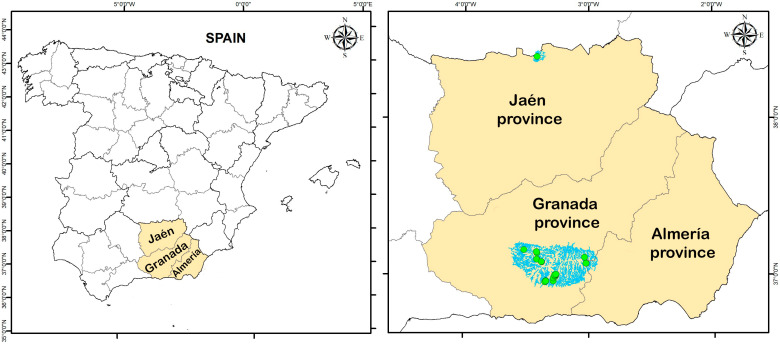 Figure 1
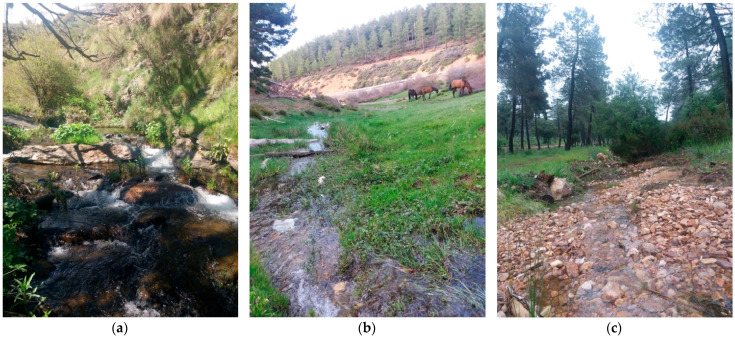 Figure 2
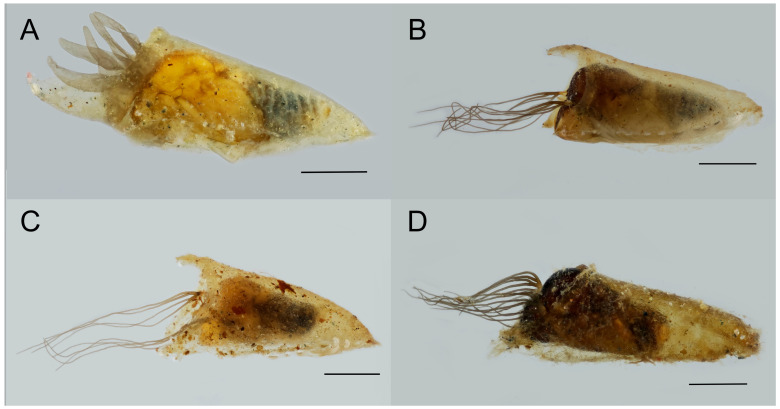 Figure 3
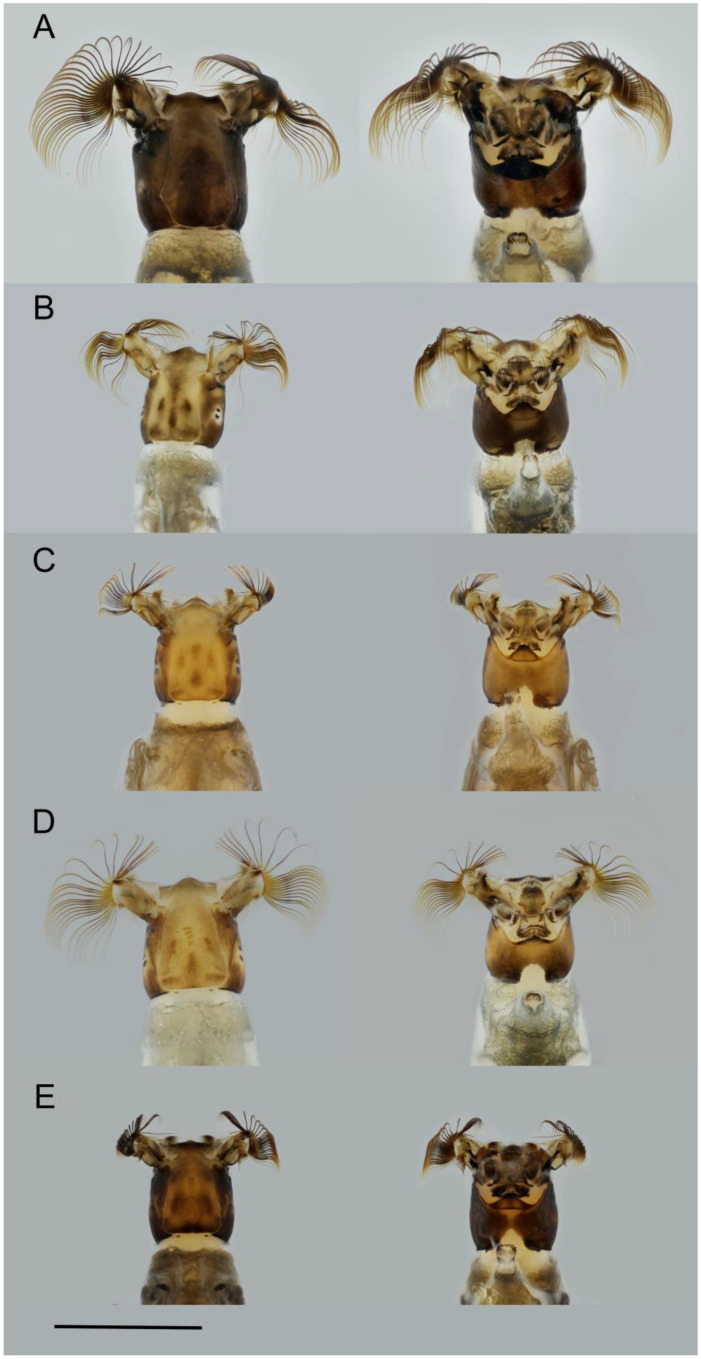 Figure 4
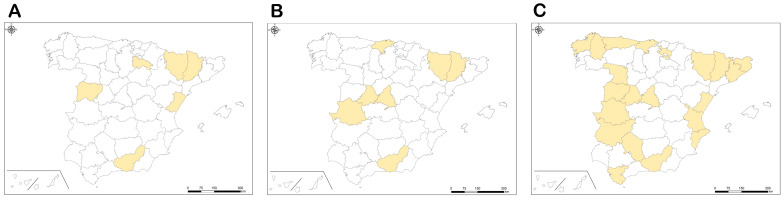 Figure 5
- —Ministry of Education, Science, Research and Sport
- —Slovak Academic Information Agency
- —Ministry of Education of the Slovak Republic
Peer Reviews
No public reviews on file for this paper yet. If you reviewed it on a platform where reviews are public (OpenReview, ICLR, NeurIPS, ICML), you can paste yours below so the community can read it here.
Videos
No videos yet. Explain this paper in a talk, walkthrough, or lecture? Add one.
Taxonomy
TopicsFreshwater macroinvertebrate diversity and ecology · Diptera species taxonomy and behavior · Mollusks and Parasites Studies
1. Introduction
Blackflies are known mainly as hematophagous insects, as females of the vast majority of blackfly species feed on the blood of vertebrates. Although only a small proportion of blackfly species are known to transmit parasitic diseases, they are responsible for the transmission of human onchocerciasis (river blindness), which causes severe itching, disfiguring skin lesions, and visual impairment [1]. In addition, blackflies transmit animal onchocerciasis and avian leucocytozoonosis, diseases that can result in substantial economic losses in animal production. Therefore, blackflies are among the most important vectors of parasitic diseases [2]. However, even if blackflies do not transmit pathogens, they are capable of causing serious health and economic damage through their attacks and bites. For example, in livestock, there are known cases of animal deaths, changes in behaviour, or reductions in meat or milk production [2].
In contrast, blackfly larvae play a key role in aquatic ecosystems as filter feeders. By ingesting suspended organic and inorganic particles from the water column, the larvae metabolise this material and excrete it as faecal pellets, thereby transforming fine particulate matter into bioavailable resources for other invertebrate and vertebrate organisms [3].
Therefore, a thorough understanding of blackfly diversity and distribution is essential for advancing research and for effective public health and pest management strategies. Recently, Spain has been one of the European countries where problems with blackflies attacking humans and livestock occur relatively frequently. The high-altitude mountain ranges of Andalusia, such as the Sierra de Los Filabres, Sierra Nevada, and Sierra de Cazorla and Segura, located in the provinces of Almería, Granada, and Jaén, respectively, provided refuge for various species typical of mountain habitats and have allowed their presence until today. The interest of this area is due to its great diversity of habitats and altitudinal breadth that could have acted as a local glacial refuge during the last Ice Age, which took place 20,000 years ago [4,5].
The study of blackflies (Diptera: Simuliidae) in Andalusia, Southern Spain, has been conducted by several national and external worldwide experts throughout history [6,7,8,9,10,11,12,13,14,15]. Their outstanding performances have contributed significantly to both the knowledge of the species diversity of this group of dipterans and their geographical distribution in this region of the world. For all these reasons, and to contribute to the knowledge of blackflies from Spain, the main aim of the present study has been to delve into the species diversity of simuliids from the mountainous regions of the aforementioned provinces and obtain insights about their distribution and altitudinal ranges, emphasising the detection of blood-feeding species and their characteristic geographical distributions.
2. Materials and Methods
2.1. Area of Study and Sampling Stations
During May 2015 and 2018, 24 sampling stations from South-eastern Spain were studied (Figure 1). From these sampling points, two were located in the province of Almería, 21 in Granada province, and one in Jaén province. Data regarding the prospective breeding sites are depicted in Table 1, and the diversity of sampled habitats are shown in Figure 2.
2.2. Sample Collection
The potential blackfly breeding sites were thoroughly examined in search of aquatic stages of these dipterans. With this purpose, all types of substrates from lotic water bodies, on which blackfly larvae and pupae tend to adhere, were thoroughly reviewed. Pebbles, stones, rocks, mosses, macrophytes, stalks and leaves of helophytes, bushes and trees in direct contact with the flow of water, as well as fallen tree branches, leaves, or plastic and metal waste, were revised. When detected, larvae and pupae were carefully detached from them with tweezers. Pupae and some larvae were stored in 96.3% of ethanol, while the other part of larvae, especially early younger individuals of the last instar, were stored in modified Carnoy’s solution (ethanol and acetic acid, 3:1); this solution was replaced a minimum of three times subsequently to maintain the purity of the solution.
2.3. Sample Processing and Specimen Identification
Once in the laboratory, the collected samples were stored in a refrigerator at a temperature of −22 °C. The processing of the specimens included cleaning the useful identification structures of mud, sand, and other substances that made the morphologically-based identification of larvae and pupae difficult. For more information about the employed sampling and identification methodology, as well as the stereoscopic microscopes used, see [6] (pp. 16,18). The larvae and pupae of blackflies were identified following several identification keys [7,8,9,10,11]. Afterwards, the identified specimens were stored again in the freezer at the Department of Zoology, Faculty of Natural Sciences of Comenius University, Bratislava.
2.4. Figure Design and Creation
Photographs of larvae and pupae were taken with a ZEISS Axio Zoom.V16 microscope (Carl Zeiss AG, Oberkochen, Germany) and a Canon EOS 5D camera (Canon, Tokyo, Japan). The images were focus-stacked using Zerene Stacker 1.04. The Geographic Information System (GIS) software ArcMapTM 10.5 of ESRI’s ArcGIS^®^ (Redlands, CA, USA) [12] has been employed to design and generate both the location figure of the study area (Figure 1 and Figures S1–S4) and the updated provincial distribution maps of the species reported for the first time in the researched region.
3. Results
3.1. Identified Species from the Study Area
A total of 2731 specimens belonging to 15 nominal and one formally unnamed species (Table 2), four species-groups (equinum, ornatum, variegatum and vernum), three subgenera (Eusimulium Roubaud, 1906; Nevermannia Enderlein, 1921; Simulium Latreille, 1802), and two genera (Prosimulium Roubaud, 1906 and Simulium Latreille, 1802) were collected from 24 sampling sites of the study area, of which 1917 are immature larvae, 508 mature larvae of 15 species, and 306 pupae of nine species. As for immature larvae, if some could be clearly identified to a species level, they are included further in the overview of identified species. Most of the immature larvae, however, could be identified only as belonging to the level of subgenus. Five of the identified species are considered species complexes; they are indicated in Table 2 as s.l. Morphological features of some of the identified species are shown in Figure 3 (pupae) and Figure 4 (larvae).
The most abundant species have been S. variegatum and S. cryophilum with 1014 and 232 specimens recorded, respectively, followed by P. latimucro with 135 individuals, and by S. equinum with 42 specimens. By provinces, Granada has reported the highest number of species since the majority of the sample stations are distributed there. The 16 species have been collected from the lotic waters of this region; among them, three are first records from the province of Granada: S. brevidens, S. quasidecolletum, and S. trifasciatum. Likewise, from the province of Jaén, three species have been reported: S. ornatum, S. petricolum, and S. rubzovianum, with S. petricolum being the most abundant species (19 specimens). Finally, one species, —S. cryophilum, —has been reported from the province of Almería.
An overview of the recorded species and the abundance of their larvae and pupae is summarised in Table 2.
3.2. Taxonomic Classification of Simuliids from the Provinces of Almería, Granada and Jaén
The relevance of this study lies in its contribution of three previously undocumented records across the provinces of Almería, Granada, and Jaén: S. brevidens, S. quasidecolletum, and S. trifasciatum. Consequently, the understanding of Simuliidae within this Spanish region has been enriched, offering updated insights into its taxonomic classification, composed of the presence of 28 species. It is noteworthy that, for each species, the capitalised letters (A, G, and J) denote the provinces mentioned in the referenced literature, while (A’, G’, and J’) indicate the provinces from which the species were collected in this study. The updated blackfly species checklist is as follows:
Order Diptera Linnaeus, 1758
-
Infraorder Culicomorpha Hennig, 1948
-
Superfamily Simulioidea Newman, 1834
-
Family Simuliidae Newman, 1834
-
Subfamily Parasimuliinae Smart, 1945
-
Genus Prosimulium Roubaud, 1906
-
hirtipes species-group
-
Prosimulium latimucro (Enderlein, 1925)—A, G, G’, J Genus Metacnephia Crosskey, 1969
-
Metacnephia blanci (Grenier & Theodorides, 1953)—J
-
Metacnephia nuragica Rivosecchi, Raastad & Contini, 1975—A Genus Simulium Latreille, 1802Subgenus Eusimulium Roubaud, 1906
-
Simulium (Eusimulium) mellah Giudicelli & Bouzidi, 2000—A
-
Simulium (Eusimulium) petricolum (Rivosecchi, 1963)—A, G, G’, J, J’
-
Simulium (Eusimulium) rubzovianum (Sherban, 1961)—A, G, G’, J, J’ Subgenus Nevermannia Enderlein, 1921
-
ruficorne species-group
-
Simulium (Nevermannia) angustitarse (Lundström, 1911)—G, J
-
Simulium (Nevermannia) ruficorne Macquart, 1838—A, J vernum species-group
-
Simulium (Nevermannia) armoricanum Doby & David, 1961—G
-
Simulium (Nevermannia) brevidens (Rubtsov, 1956)—G’
-
Simulium (Nevermannia) carthusiense Grenier & Dorier, 1959—G, G’
-
Simulium (Nevermannia) cryophilum (Rubtsov, 1959)—A, A’, G, G’, J
-
Simulium (Nevermannia) quasidecolletum Crosskey, 1988—G’
-
Simulium (Nevermannia) urbanum Davies, 1966—G, G’
-
Simulium (Nevermannia) vernum Macquart, 1826—A, J Subgenus Simulium Latreille, 1802
-
bezzii species-group
-
Simulium (Simulium) bezzi (Corti, 1914)—A, G, J ornatum species-group
-
Simulium (Simulium) intermedium Roubaud, 1906—A, G, G’, J
-
Simulium (Simulium) ornatum Meigen, 1818—G, G’, J, J’
-
Simulium (Simulium) trifasciatum Curtis, 1839—G’ variegatum species-group
-
Simulium (Simulium) argyreatum Meigen, 1838—G, J
-
Simulium (Simulium) sp. aff. maximum—G’
-
Simulium (Simulium) variegatum Meigen, 1818—A, G, G’, J
-
Simulium (Simulium) xanthinum Edwards, 1933—J Subgenus Trichodagmia Enderlein, 1934
-
albellum species-group
-
Simulium (Trichodagmia) galloprovinciale Giudicelli, 1963—J Subgenus Wilhelmia Enderlein, 1921
-
equinum species-group
-
Simulium (Wilhelmia) equinum (Linnaeus, 1758)—G, G’, J
-
Simulium (Wilhelmia) lineatum (Meigen, 1804)—G, G’, J
-
Simulium (Wilhelmia) pseudequinum Séguy, 1921—A, G, G’, J
-
Simulium (Wilhelmia) sergenti Edwards, 1923—G, J
3.3. Chorological Information on the Studied Areas and Bibliographic Reports
Below, for each identified species, the geographical coordinates in longitude/latitude are provided, together with the date of collection, locality, province, and altitude in m a.s.l. (metres above sea level), and the number of specimens of each stage of development collected (immature larvae, mature larvae, pupae, and adult).
Prosimulium latimucro (Enderlein, 1925)
Examined material: −3.37468 (longitude)/37.08658 (latitude), 21 May 2015, Sierra Nevada (Monachil district), Granada, 2518 m, three immature larvae, four mature larvae. −3.26496/36.99357, 24 May 2015, Trevélez, Granada, 1454 m, nine immature larvae. −3.03175/37.11666, 26 May 2018, Ferreira, Granada, 2018 m, 19 mature larvae, 98 pupae. −3.27998/36.98380, 25 May 2018, Los Caballeros, Granada, 1466 m, two pupae.
Previous records: Almería [13]; Granada, specimens identified by [14,15] as P. hirtipes were considered by [16,17] as P. latimucro, [13,16,17,18], specimens identified by [19] as Prosimulium sp. by [16,17], specimens identified by [18] as P. rufipes were considered as P. latimucro by [16,17]; Jaén [13,16].
Metacnephia blanci (Grenier & Theodorides, 1953)
Previous records: Jaén [16].
Metacnephia nuragica (Rivosecchi, Raastad & Contini, 1975)
Previous records: Almería, some specimens recorded as Cnephia sp. by [18] later were considered to be M. nuragica by [16].
Simulium (Eusimulium) mellah Giudicelli & Bouzidi, 2000
Previous records: Almería [20].
Simulium (Eusimulium) petricolum (Rivosecchi, 1963)
Examined material: −3.34783/36.95813, 23 May 2015, Capileira, Granada, 1704 m, 12 mature larvae. −3.41650/38.39656, 27 May 2018, Aldeaquemada, Jaén, 918 m, 12 mature larvae.
Previous records: Almería [13,16,20,21]; Granada, specimens identified as S. aureum s.l. by [19] were considered as S. petricolum by [16], specimens identified as S. aureum by [14] later were considered as S. petricolum by [16,17]; Jaén [13,16,22,23].
Simulium (Eusimulium) rubzovianum (Sherban, 1961)
Examined material: −3.34783/36.95813, 23 May 2015, Capileira, Granada, 1704 m, 17 mature larvae. −3.41650/38.39656, 27 May 2018, Aldeaquemada, Jaén, 918 m, 14 mature larvae.
Previous records: Almería, specimens reported by [16,21] as Simulium (Eusimulium) velutinum (Santos Abreu, 1922) are currently accepted to be S. rubzvbianum since according to [24] all the records of S. velutinum from mainland Spain must be considered as a synonymy of S. rubzobianum [20,25]; Granada, specimens identified as S. aureum s.l. by [19] were considered as S. velutinum by [6,16] which is currently accepted to be S. rubzobianum, the same interpretation is applicable to specimens reported by [16] as S. velutinum; Jaén, several specimens identified as S. aureum s.l. by [19] later on were considered to be S. velutinum by [16,17] which currently must be referred to as S. rubzovianum for being a record of mainland Spain, the same occurs with the samples reported by [16] as S. velutinum, identical circumstance is applicable to the specimens recorded by [22] as S. velutinum whose authors in 2020 reported it as S. rubzovianum. In the same manner, the specimens identified by [19] as S. rubzovianum? and later considered by [16,17] as S. velutinum now must be considered again as S. rubzovianum for the reason previously mentioned [23,26].
Simulium (Nevermannia) angustitarse (Lundström, 1911)
Previous records: Granada [16]; Jaén [16].
Simulium (Nevermannia) ruficorne Macquart, 1838
Previous records: Almería [16]; Jaén [16,19].
Simulium (Nevermannia) armoricanum (Doby & David, 1961)
Previous records: Granada, some specimens reported as Simulium latipes (Meigen, 1804) by [18] later on were considered to be S. armoricanum by [16] and by [13,16,17].
Simulium (Nevermannia) brevidens (Rubtsov, 1956)
Examined material: −3.41183/37.10407, 21 May 2015, Sierra Nevada (Monachil district), 2099 m, one mature larva.
Simulium (Nevermannia) carthusiense Grenier & Dorier, 1959
Examined material: −3.37531/37.08665, 21 May 2015, Sierra Nevada (Monachil district), 2506 m, 10 mature larvae, one pupa. −3.37468/37.08658, 21 May 2015, Sierra Nevada (Monachil district), 2518 m, one immature larva, three mature larvae, one pupa. −3.41183/37.10407, 21 May 2015, Sierra Nevada (Monachil district), 2099 m, three pupae.
Previous records: Granada, some specimens identified as S. latipes by [18] were considered to be S. carthusiense by [16] and by [17], in the same way, specimens identified by [14] as Simulium sp. were considered to be S. carthusiense by [15] and later reaffirmed by [8,13,16,17,19,27,28].
Simulium (Nevermannia) cryophilum (Rubtsov, 1959)
Examined material: −3.41259/37.10434, 21 May 2015, Sierra Nevada (Monachil district), 2087 m, 14 mature larvae, one pupa. −3.41183/37.10407, 21 May 2015, Sierra Nevada (Monachil district), 2099 m, four mature larvae. −3.33974/36.96539, 23 May 2015, 1989 m, 21 immature larvae, four pupae. −3.25909/37.00597, 24 May 2015, Trevélez, Granada, 1492 m, six immature larvae, seven mature larvae. −3.27998/36.98380, 25 May 2018, Los Caballeros, Granada, 1466 m, 23 mature larvae, five pupae. −3.28179/36.96487, 25 May 2018, Dúrcal, Granada, 1467 m, two mature larvae, one pupa. −3.03175/37.11666, 26 May 2018, Ferreira, Granada, 2018 m, 53 mature larvae, six pupae. −3.01915/37.07705, 26 May 2018, Bayárcal, Almería, 1713 m, 12 immature larvae, 39 mature larvae, 25 pupae. −3.02040/37.07666, 26 May 2018, Bayárcal, Almería, 1703 m, three immature larvae, six mature larvae.
Previous records: Almería [13,16]; Granada, specimens identified as S. latipes by [14] and by [15] were considered to be S. cryophylum by [16] and by [13,16,17,28]; Jaén [13,16,22,23].
Simulium (Nevermannia) quasidecolletum Crosskey, 1988
Examined material: −3.37531/37.08665, 21 May 2015, Sierra Nevada (Monachil district), 2506 m, nine mature larvae. −3.41259/37.10434, 21 May 2015, Sierra Nevada (Monachil district), 2087 m, one mature larva. −3.41183/37.10407, 21 May 2015, Sierra Nevada (Monachil district), 2099 m, one mature larva.
Simulium (Nevermannia) urbanum Davies, 1966
Authors’ material: −3.03175/37.11666, 26 May 2018, Ferreira, Granada, 2018 m, three pupae.
Previous records: Granada [28].
Simulium (Nevermannia) vernum Macquart, 1826
Previous records: Almería [13]; Jaén [13].
Simulium (Simulium) bezzi (Corti, 1914)
Previous records: Granada [13,16,18]; Jaén [16,22,23].
Simulium (Simulium) intermedium Roubaud, 1906
Examined material: −3.28179/36.96487, 25 May 2018, Dúrcal, Granada, 1467 m, two mature larvae.
Previous records: Almería [6,16]; Granada, some specimens identified as S. reptans by [29] were considered to be S. intermedium by [16], in like manner some specimens identified as S. ornatum by [18] were considered by [16] as S. intermedium, [13,16,17,19]; Jaén [13,16,17,19,22,23].
Simulium (Simulium) ornatum Meigen, 1818
Examined material: −3.33984/36.9654, 23 May 2015, Capileira, Granada, 1987 m, one pupa. −3.28179/36.96487, 25 May 2018, Dúrcal, Granada, 1467 m, two mature larvae. −3.41650/38.39656, 27 May 2018, Aldeaquemada, Jaén, 918 m, one mature larva.
Previous records: Granada [13,16,18,19,30,31]; Jaén [13,16,19,22,23,30,31].
Simulium (Simulium) trifasciatum Curtis, 1839
Examined material: −3.28179/36.96487, 25 May 2018, Dúrcal, Granada, 1467 m, three mature larvae.
Simulium (Simulium) argyreatum Meigen, 1838
Previous records: Granada [32]; Jaén [22,23].
Simulium (Simulium) sp. aff. maximum
Examined material: −3.41259/37.10434, 21 May 2015, Sierra Nevada (Monachil district), 2087 m, two mature larvae, one pupa. −3.41183/37.10407, 21 May 2015, Sierra Nevada (Monachil district), 2099 m, three immature larvae. −3.37531/37.08665, 21 May 2015, Sierra Nevada (Monachil district), 2506 m, one pupa. −3.37468/37.08658, 21 May 2015, Sierra Nevada (Monachil district), 2518 m, one mature larva. −3.26252/37.00456, 24 May 2015, Trevélez, Granada, 1570 m, five immature larvae, two mature larvae.
Previous records: Granada [33]
Note: This taxon was formally not described, and is similar but not identical to the species Simulium monticola Friederichs, 1920, and Simulium maximum (Knoz, 1963). Old records of these species from Andalusia need to be reviewed [33].
Simulium (Simulium) monticola Friederichs, 1920
Previous records: Granada, several specimens identified as S. maximum (Knoz, 1961) by [13] later were considered to be S. monticola by [16] and by [17], in a similar way several specimens identified as S. variegatum by [10] subsequently were considered to be S. monticola by [14,15,16,18,27,34]; Jaén [16].
Simulium (Simulium) variegatum Meigen, 1818
Examined material: −3.41164/37.14343, 22 May 2015, Güejar Sierra, Granada, 1087 m, 212 immature larvae, 110 mature larvae, 113 pupae. −3.41486/37.15063, 22 May 2015, Güejar Sierra, Granada, 1051 m, 350 immature larvae, 27 mature larvae, seven pupae. −3.33984/36.96540, 23 May 2015, Capileira, Granada, 1987 m, 13 mature larvae. −3.33974/36.96539, 23 May 2015, Capileira, Granada, 1989 m, one immature larva, four mature larvae. −3.25863/37.00696, 24 May 2015, Trevélez, Granada, 1457 m, 145 immature larvae, 29 mature larvae. −3.27998/36.98380, 25 May 2018, Los Caballeros, Granada, 1466 m, three mature larvae.
Previous records: Almería [16]; Granada, some specimens reported as S. monticola and as S. ornatum by [18] later were considered as S. variegatum by [13,14,16,18,19]; Jaén [16].
Simulium (Simulium) xanthinum Edwards, 1933
Previous records: Jaén [16,17,22,23,35].
Simulium (Trichodagmia) galloprovinciale Giudicelli, 1963
Previous records: Jaén [8,16,36].
Simulium (Wilhelmia) equinum (Linnaeus, 1758)
Examined material: −3.51611/37.16387, 22 May 2015, Pinos Genil, Granada, 779 m, eight immature larvae, 17 mature larvae, 17 pupae.
Previous records: Granada [16,19]; Jaén [16].
Simulium (Wilhelmia) lineatum (Meigen, 1804)
Examined material: −3.51611/37.16387, 22 May 2015, Pinos Genil, Granada, 779 m, 15 mature larvae.
Previous records: Granada [16,18]; Jaén [16,19].
Simulium (Wilhelmia) pseudequinum Séguy, 1921
Examined material: −3.51611/37.16387, 22 May 2015, Pinos Genil, Granada, 779 m, three mature larvae.
Previous records: Almería, the specimens identified by [18] as S. lineatum were considered as S. pseudequinum by [16,19]; Granada, some specimens recorded as S. lineatum by [18] afterwards were considered to be S. pseudequinum by [16,18,19]; Jaén [16,19,22,23].
Simulium (Wilhelmia) sergenti Edwards, 1923
Previous records: Granada, some specimens registered as S. pseudequinum by [10] later were considered to be S. sergenti by [16] and by [16,17]; Jaén [16,19].
Other identifications reported: Granada, the specimens reported as Simulium (Schoenbaueria) sp. by [18] were considered as Simulium (Rubzovia) sp. by [16] after ruling out that it is Simulium (Rubzovia) lamachi Doby & David, 1960, because the coloration of the antenna does not match the description of the species. Simulium (Nevermannia) sp. near S. cryophilum [16], specimens reported as Simulium (Byssodon) maculatum (Meigen, 1804) by [30] and by [31] were considered by [16] as misidentifications since the adult stage was very difficult to identify reliably in Strobl’s time and, as a result, the name maculatum (Meigen) was erroneously applied to S. equinum and related species of the subgenus Wilhelmia; therefore, and according to P. H. Adler, those specimens should be considered as Simulium (Wilhelmia) spp.; Jaén, specimens recorded as S. maculatum by [30] and by [31] were considered by [16] as misidentifications, which should be considered as Simulium (Wilhelmia) spp., according to P. H. Adler and Simulium (Nevermannia) sp. [16].
3.4. Altitudinal Ranges and Distribution Maps of the Species First Recorded from the Provinces of Granada and Jaén
Among the species recorded from the province of Granada for the first time, S. quasidecolletum exhibited a relatively narrow altitudinal range of 419 m, occurring between 2087 and 2506 m. The other two species were recorded only at one collection site—S. trifasciatum at 1467 m and S. brevidens at 2099 m. An overview of the altitudinal ranges in which the species were found is summarised in Table 3.
In relation to the species first recorded from the province of Granada (S. brevidens, S. quasidecolletum, and S. trifasciatum), these records have allowed an increase in their known distribution [37]. As a result, the provincial distribution maps of those species have been updated (Figure 5).
4. Discussion
4.1. Altitudinal Records
The altitudinal distribution patterns vary greatly among blackfly species. Among the 28 blackfly species recorded from Eastern Andalusia, the narrowest elevation range had S. ruficorne in Jaén (50 m), followed by S. cryophilum in Almería (97 m), and S. urbanum in Granada (182 m). In contrast, other species show exceptionally broader altitudinal distributions. These include S. petricolum in Almería, spanning 1557 m; S. rubzovianum in Granada, ranging from sea level to 3000 m; S. intermedium in Jaén, covering a 1350 m range.
Blackfly species recorded in the present study were found mostly within the previously known altitudinal ranges. Only in the case of S. lineatum and S. equinum were specimens recorded from higher elevations (779 m), and in the case of S. urbanum, were pupae recorded from a lower elevation (2018 m) than previously. The species S. quasidecolletum, which was recorded for the first time in Andalusia, had a relatively narrow altitudinal range (419 m). The other two newly recorded species—S. brevidens and S. trifasciatum—were found only at one collection site.
In the province of Almería, the altitudinal distribution of S. cryophilum ranges from 1703 to 1800 m, and it has increased by 97 m [13]. Regarding the altitudinal distributions of the rest of the species reported from the bibliography, four species were reported from one sampling station, such as S. ruficorne at <100 m [16], S. bezzii at 750 m [16], and P. latimucro and S. vernum, which were recorded at 1800 m [13]. In addition, seven species were reported from different altitudes. For example, the species with the lowest altitudinal ranges are S. mellah with 225 m, which goes from 243 to 468 [20]; S. variegatum with 250 m, with a range varying between 500 and 750 m [16]; M. nuragica [16,18] and S. pseudequinum [20], both of them with 300 m, whose ranges fluctuate between 200 and 500 m. Likewise, two species display an intermediate altitudinal range: S. intermedium with 507 m, which goes from 243 [20] to 750 m [16], and S. rubzovianum with 650 m, which fluctuates between <100 and 750 m [16]. The species with the widest altitudinal range is S. petricolum with 1557 m, which ranges from 243 [20] to 1800 m [13].
With respect to the province of Granada, the elevations at which seven species were collected do not modify their altitudinal ranges. Therefore, the updated altitudinal distribution of S. carthusiense fluctuates between 1600 [11,14] and 3000 m [13], although in this study, it has been found between 2099 and 2518 m in Sierra Nevada (Monachil district) (1, 2, 3); in the case of S. cryophilum, it varies between 660 [13] and 2750 m [14], since in the present study, it was collected between 1466 and 2099 m in Capileira (3), Dúrcal, Ferreira, Los Caballeros, Sierra Nevada (Monachil district) (2, 4) and Trevélez (3); S. equinum ranges from 500 [16] to 800 m [19], since we captured it at 779 m in Pinos Genil; S. intermedium from 0 [18] to 2000 m [13] since we sampled it at 1467 m in Dúrcal, S. ornatum from 0 to 2500 m [18], even though we collected it between 1467 and 1987 m in Capileira (2) and Dúrcal; S. variegatum from 500 [16] to 2200 m [18], though it was found by us between 1051 and 1989 m in Capileira (2, 3), Güejar Sierra (2, 3), Los Caballeros and Trevélez (6). The species with the widest altitudinal range is S. rubzovianum, from 0 [16] to 3000 m [19], in spite of the fact that we discovered this species at 1704 m in Capileira (1). However, the elevations at which the other six species were sampled do increase their altitudinal ranges. Secondly, the reports of P. latimucro between 1600 [18] and 3050 m [19] have been amplified by 146 m after its capture at 1454 m from a nameless ravine in Trevélez (1), thus the updated altitudinal range varies between 1454 and 3050 m. The species S. pseudequinum, reported from 0 to 600 [18], has increased its range by 179 m after its collection at 779 m in the Pinos Genil sampling station from the river de Aguas Blancas, so the current altitudinal range varies between 0 and 779 m. The species S. urbanum was reported at 2200 m, and in this study, it was found at 2018 m in the Fereira sampling station in ravine Maja Caco, configuring its altitudinal distribution between 2018 and 2200 m, which means that the altitudinal range includes a variation of 182 m. As for S. lineatum, which was reported from <100 to 500 [16], its updated altitudinal range goes from <100 to 779 as a consequence of its collection in Pinos Genil. Eventually, the report of S. petricolum between 600 [16] and 1050 m [14] has been increased by 654 m after its discovery at 1704 m in Capileira (1) from ravine de Tejar, so currently it ranges from 600 to 1704 m. The presence of the species S. argyreatum has been reported by providing the data regarding the altitude at which the specimens were collected [32]. A part from this, the altitudinal range of the other four species recorded from this province are S. angustitarse with 250 m of variation and an altitudinal range that fluctuates between 900 and 1150 m [16], S. armoricanum with a oscillation of 400 m and an altitudinal range that goes from 2000 [13] to 2400 m [18], followed by S. sergenti with altitude amplitude of 450 m and an altitudinal distribution that ranges from 300 to 750 m [16], and finally S. bezzii with 1200 m of variation and an altitudinal distribution that ranges from 300 [18] to 1500 m [13].
With regards to the province of Jaén, the species S. ornatum, S. petricolum and S. rubzovianum collected at 918 m from the stream del Chortal in Aldeaquemada’s sampling station do not change their altitudinal ranges reported in the bibliography. Therefore, they range from 570 [16] to 1600 m [13] in the case of the first species, from 1200 [16] to 1600 m [13] in the second species, and from 200 [19] to 1350 m [16] in the last one. According to the bibliography, from the other 16 species reported from this province, the altitude data of one of them is provided by one of the authors but not by the other; in this way, only the available data is provided for S. bezzii, which was collected at 600 m [16], while in [22,23] this information was not provided. With respect to S. vernum, this species was only reported from a single sampling site at 1600 m [13]. Subsequently, the altitudinal ranges of the other 14 species are provided ordered from smallest to largest amplitude—the altitudinal distribution of S. monticola and S. ruficorne covers the smallest width with 50 m, and their altitudinal ranges are 1250–1300 m [16] and 200–250 m [19], respectively: S. angustitarse: 580–700 m [16], S. lineatum: 480–650 m [16], S. equinum: 500–700 m [16], S. sergenti: 200–500 m [16,19], P. latimucro: 1200–1700 m [13,16], S. galloprovinciale: 730–1300 m [16,35], S. pseudequinum: 200–800 m [16,19], S. variegatum: 600–1300 m [16], M. blanci: 480–1300 m [16], S. xanthinum: 600–1450 m [16,35], and S. cryophilum: 700–1600 m [13,16]. The species with the widest altitudinal range is S. intermedium, with 1350 m and an altitudinal distribution that ranges between 250 [19] and 1600 m [13]. In the case of the species S. argyreatum, as it happened in the province of Granada, its presence was reported, but again, without providing the data of the altitude at which the specimens were found [17,22], so information in this regard is not supplied.
Table 3 shows the minimum and maximum altitude ranges of the 16 species identified in this study, and the minimum and maximum altitude data for these species from previous studies.
4.2. Species Adapted to Cold Waters and High Altitudes
Another notable aspect of the Spanish simuliid fauna is the presence of several species that can be considered relics of the Ice Age, since they are typically stenothermic (adapted to cold water) and are practically isolated in high-altitude mountain refugia such as the Pyrenees, Sierra Nevada or the Central System. That can be the case of P. latimucro, S. cryophilum or S. sp. aff. Maximum, among others. These species are primarily concentrated in specific mountain systems that acted as refugia during the post-glacial warming of the Holocene. High-altitude streams still support relict populations of cold-adapted species. For instance, the species S. cryophilum, a cold-water specialist often found in fast-flowing mountain streams of high-altitude regions, has been recorded at elevations ranging from 1600 to 2200 m in southern Spain (Jaén, Almería, and Granada; Sierra Nevada) and between 1700 and 2000 m in central and northern mountain systems, including the Central System and the Pyrenees (Madrid, Gerona, Huesca, and Lérida) [6,13,16,33,34]. The species P. latimucro, characterised by its preference for cold waters and high altitudes, has also been recorded across major Spanish mountain ranges, including the Sierra Nevada, the Central System, and the Pyrenees, at elevations from 1450 to over 3000 m [6,13,14,16,18,19,26].
4.3. Simuliid Species Diversity of This Study Area and Other Regions of Spain
Concerning species diversity in mountain and high mountain aquatic habitats, research carried out over time in different regions of Spain by experts in the study of Diptera of the Simuliidae family allows us to observe certain trends and differences. Although these studies are not directly comparable due to the methodology used, the objective pursued, the number of sampling stations studied, the sampling effort, etc., they nevertheless indicate the approximate species richness in study areas that share the characteristic of having their lotic environments located in high mountain habitats. For example, in the present study, a total of 16 species have been identified in high regions of the province of Granada: four in Jaén, and one in Almería, while in mountainous areas of Catalonia, nine species were reported [13], and in Madrid, 16 species [6], and 15 species in Aragon [13]. Compared to the other mountain or lowland regions of Spain, the biodiversity of blackflies in Eastern Andalusia is high. For example, studies from the Cidacos River Basin [38], Yeguas River [39], Ter River [40], Mijares River [41], and the Serpis River [42] revealed 12–14 species of blackflies. Only in the Júcar River basin were 16 species recorded [43], and in the Pas River basin, 21 species were recorded [44]. Therefore, only studies of extensive areas, such as the Tormes River basin, provide a higher number of species [45].
4.4. Haematophagous Species
Of the 16 species identified in the samples taken for this study, six (S. equinum, S. intermedium, S. lineatum, S. ornatum, S. pseudequinum and S. variegatum) stand out for their blood-feeding habits and, therefore, have a significant impact on veterinary medicine, agriculture, tourism and public health due to their annoying bites, the allergic reactions they cause and even diseases caused by the transmission of pathogens such as viruses, protozoa and nematodes. In addition, some of these species have a wide feeding spectrum, while others have a slightly limited range of hosts. For example, some tend to feed on mammalian species, while others tend to obtain their food from the blood of mammals and birds. In the case at hand, these species would be of veterinary, health and economic interest in the areas sampled in the province of Granada, as all of them have been collected in this region. Only the species S. ornatum and S. petricolum could also be of some concern in the province of Jaén, where they have also been found.
The females of the species S. argyreatum and S. variegatum bite various farm animals; those of S. equinum show a preference for equines as their primary host and may also bite bovids, but display tropism for humans too; females of S. intermedium usually bite cattle and horses, as well as humans; S. lineatum is biting various mammals and it has also been reported that it sucks human blood [46]; S. ornatum, although it prefers bovids, can feed on horses, pigs and humans; and females of S. pseudequinum are able to bite cattle, horses and Suidae [47]. In like manner, S. petricolum exhibits a preference for avian hosts [24]. In addition to it, in the bibliography consulted, in the area studied, the presence of the species S. bezzii was cited, which has been described as an indiscriminate mammalophilic species that can behave as a vector of the myxomatosis virus [48].
Although the extensive livestock farming of cattle, goats, sheep, horses and pigs is in significant decline in Spain, the presence of populations of these species can cause a certain degree of nuisance to both wild and farm animals and domestic animals due to the occasional and seasonal bites they may inflict. Furthermore, as a result of these bites in sensitive areas such as the ears, nostrils, lower abdomen and udders, the repeated accumulation of these bites in search of their necessary intake of blood can condition their feeding, reproduction and production behaviour, causing them nervousness and even affecting their body metabolism. Although it seems that these negative consequences could have a remarkably low or almost imperceptible incidence and impact given the limited distribution of the following species, which in some cases have only been found at one sampling point, as is the case with S. equinum, S. peseudequinum, S. intermedium and S. lineatum, this results rather from the distribution of our sampling points, which were concentrated on smaller streams at higher altitudes. In addition, the larger streams and rivers that these species prefer can produce significantly larger numbers of adults, the impact of which can affect a wider area around the breeding sites. Other species could pose a slightly greater threat due to their somewhat wider distribution, as they have been found at three sampling stations in this study, such as S. ornatum. From this point of view, the species that could cause the greatest degree of disturbance would be S. variegatum, which has been collected at six sampling stations and is the species with the highest population in each of these sampling stations. Finally, the species that could affect avian hosts are S. petricolum and S. rubzovianum. At all events, lengthy research would be required, using the appropriate methodology to study their bioecology and population patterns throughout the year in order to gain an in-depth understanding of the scope of these blood-feeding species.
5. Conclusions
Our findings contribute to a better understanding of the blackfly species diversity in Eastern Andalusia (South-eastern Spain) as well as their altitudinal distribution patterns. This study presents an updated simuliid checklist of the areas of investigation, along with the updated altitudinal range of each species reported from the bibliography and this research. As a result, three species have been recorded for the first time from the province of Granada. A total of 28 species are reported from the three studied provinces, and 16 of them from the present study. The species with the narrowest altitudinal range was S. urbanum, followed by S. equinum and S. quasidecolletum. The widest altitudinal ranges were recorded in S. variegatum, S. cryophilum and S. ornatum. Compared to the published data, the altitudinal ranges were updated for species S. lineatum, S. pseudequinum, and S. urbanum. Future taxonomical work on the studied species using an integrated morphological, molecular and cytotaxonomic approach is expected, with the aim of verifying the morphological identifications as well as the presence of possible cryptic species.
The reference list from the paper itself. Each links out to its DOI / PubMed record.
- 1World Health Organization (WHO) Onchocerciasis Available online: https://www.who.int/news-room/fact-sheets/detail/onchocerciasis(accessed on 30 December 2025)
- 2Adler P.H. Mc Creadie J.W. Blackflies (Simuliidae). Chapter 14Medical and Veterinary Entomology 3rd ed. Mullen G.R. Durden L.A. Elsevier San Diego, CA, USA 2019237256
- 3Wallace J.B. Webster J.R. Woodall W.R. The role of filter feeders in flowing waters Arch. Hydrobiol.197779506532
- 4Kúdela M. KúdelováT. BujačkováB. LužákováI. Krčmárik S. DNA barcoding, identification, and taxonomy of blackflies in Europe Abstracts-Session 05, Blackflies in Europe: Where Are We, Where Do We Go? Proceedings of the Xth International EMCA Conference, New Insights into Mosquito and Blackfly Control, Vienna, Austria, 3–7 October 2021 JEMCA Sydney, Australia 2021 Volume 39S 30
- 5Kúdela M. Jedlička L. KúdelováT. Distributions and taxonomy of European black flies (Diptera: Simuliidae)Proceedings of the IX International Simuliidae Symposium Chefchaouen, Morocco 19–22 September 2022
- 6López-Peña D. Kúdela M. KúdelováT. Falcó-GaríJ.V. Simuliids (Diptera: Simuliidae) from the Madrid Region (Spain): Update and new contributions Cuad. Biodivers.202466152710.14198/cdbio.26427 · doi ↗
- 7Knoz J. To identification of Czechoslovakian Black-Flies (Diptera, Simuliidae)Folia Fac. Sci. Nat. Univ. Purkynianae Brun. Biol. 219656154
- 8González Peña G. Claves para la identificación de las larvas y pupas de los simúlidos (Diptera) de la Península Ibérica Claves Para la Identificación de la Flora y Fauna de las Aguas Continentales de la Península Ibérica of Asociación Española de Limnología Prat N. Universitat de Barcelona Barcelona, Spain 1997 Volume 677p