Comparative Microbiome Profiles of Korean Fermented Foods Based on Production Type and Additive Use
Huyong Lee, Woori Na, Cheongmin Sohn

TL;DR
This study compares the microbial communities in traditional and commercial Korean fermented foods, showing how production methods affect diversity and fermentation.
Contribution
The study provides a comparative analysis of microbial profiles in Korean fermented foods based on production type and additives.
Findings
Traditionally produced cabbage kimchi showed higher microbial diversity and initial dominance of Weissella and Leuconostoc.
Commercially produced kimchi had simplified communities dominated by lactic acid bacteria and faster acidification.
Soy-based products showed complex microbial communities in traditional production, while commercial versions were yeast-dominant.
Abstract
Fermented foods are produced through controlled microbial activity and are valued for their extended shelf life, sensory attributes, and potential health benefits. This study examined the effects of production methods on microbial ecology by comparing microbial community structure, Shannon diversity, and pH changes in traditional and commercially produced Korean fermented foods. Cabbage and radish kimchi were fermented for four weeks to assess microbial succession and physicochemical changes, and additional fermented foods, including soy sauce, soybean paste, pepper paste, fruit vinegar, yogurt, and aged kimchi, were compared according to production method. Microbial communities were analyzed using amplicon sequencing targeting the V3–V4 regions of the bacterial 16S rRNA gene and the fungal internal transcribed spacer (ITS) region. Traditionally produced cabbage kimchi exhibited high…
Genes, proteins, chemicals, diseases, species, mutations and cell lines named across the full text — each resolved to its canonical identifier and authoritative record.
Click any figure to enlarge with its caption.
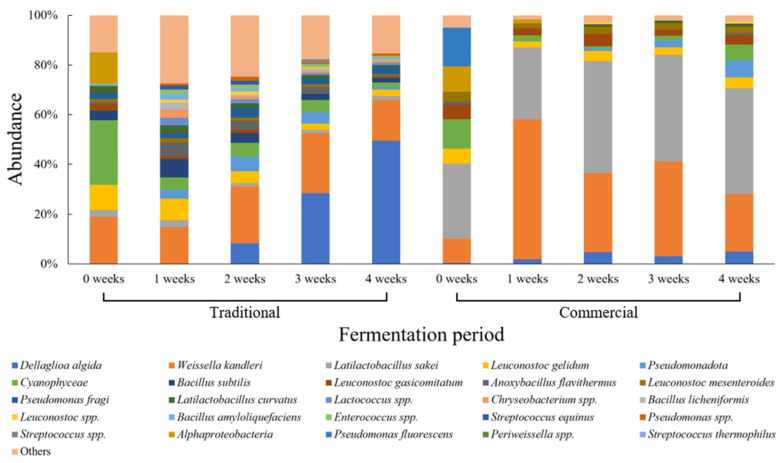 Figure 1
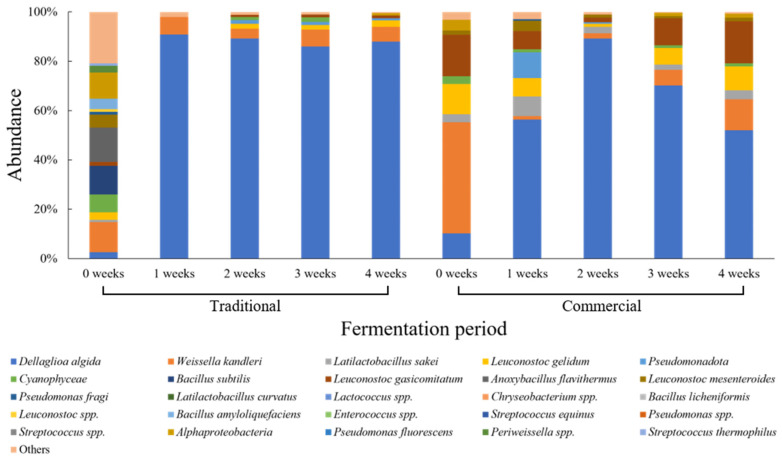 Figure 2
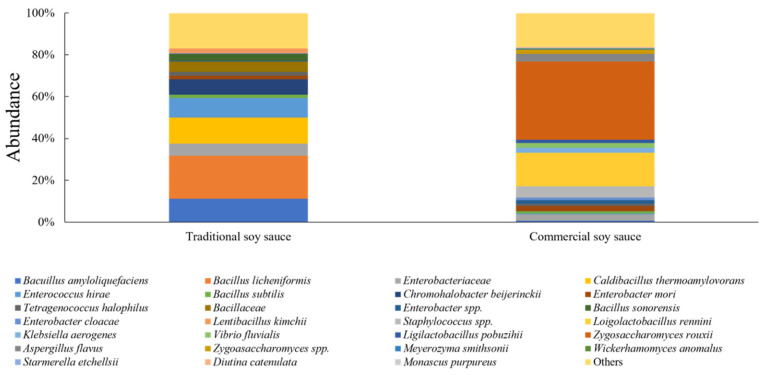 Figure 3
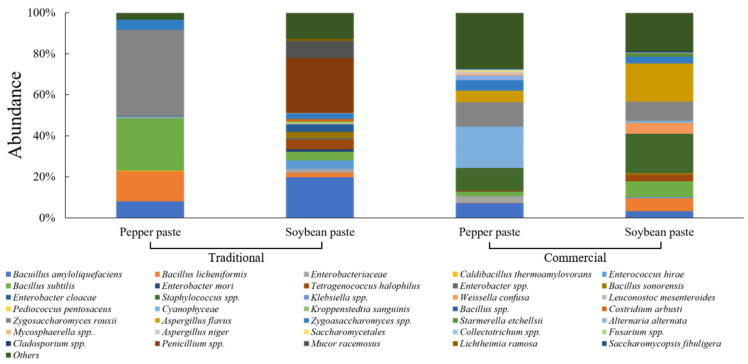 Figure 4
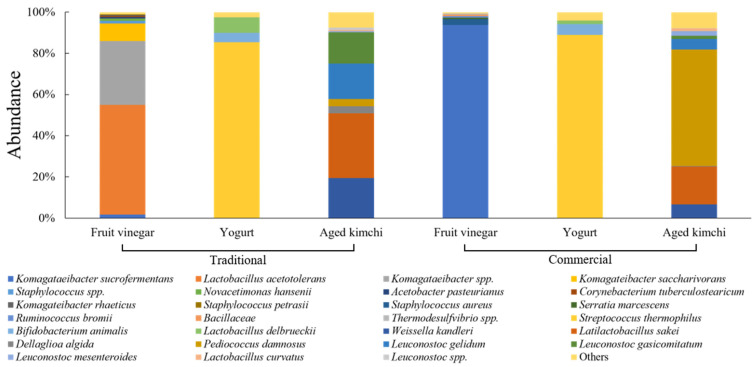 Figure 5
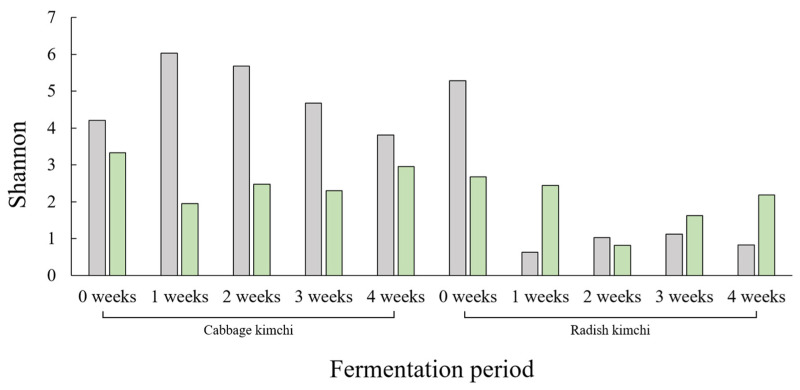 Figure 6
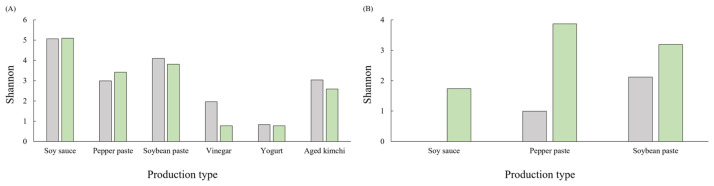 Figure 7
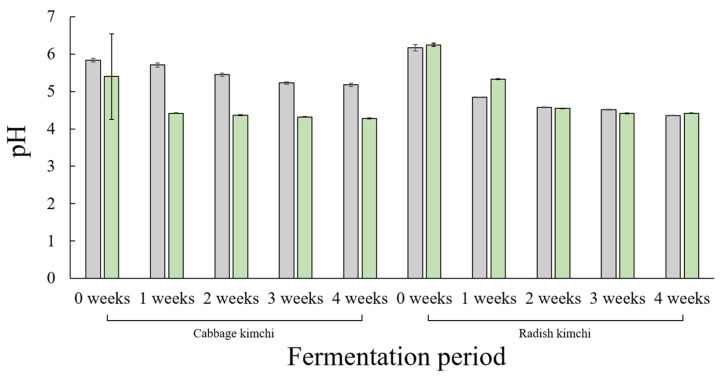 Figure 8
Peer Reviews
No public reviews on file for this paper yet. If you reviewed it on a platform where reviews are public (OpenReview, ICLR, NeurIPS, ICML), you can paste yours below so the community can read it here.
Videos
No videos yet. Explain this paper in a talk, walkthrough, or lecture? Add one.
Taxonomy
TopicsProbiotics and Fermented Foods · Fermentation and Sensory Analysis · Polyamine Metabolism and Applications