Efficacy of Lenvatinib as Second-Line Therapy After Atezolizumab Plus Bevacizumab for Hepatocellular Carcinoma
Daichi Takizawa, Hirotaka Arai, Mitsuhiko Shibasaki, Yuki Tamura, Satoru Kakizaki, Takeshi Hatanaka, Atsushi Naganuma, Takashi Ueno, Toru Fukuchi, Masashi Namikawa, Satoshi Takakusagi, Shuichi Saito, Takayoshi Suga, Hiroki Tojima, Yuichi Yamazaki, Toshio Uraoka

TL;DR
Lenvatinib improves survival when used as second-line therapy after atezolizumab plus bevacizumab for advanced liver cancer.
Contribution
This study provides evidence for lenvatinib's efficacy and identifies factors influencing outcomes after first-line immunotherapy failure.
Findings
Lenvatinib as second-line therapy significantly improved median overall survival compared to no lenvatinib.
Preserved hepatic reserve and a total lenvatinib dose of 400 mg or more were associated with better outcomes.
The survival benefit of lenvatinib remained significant after adjusting for treatment selection bias.
Abstract
Atezolizumab plus bevacizumab is used as first-line treatment for advanced hepatocellular carcinoma, but evidence regarding subsequent second-line therapy remains insufficient. This multicenter collaborative study retrospectively examined cases treated with lenvatinib as second-line therapy. Results showed that patients receiving lenvatinib had improved survival compared with those who did not receive it. Additionally, factors contributing to prognosis in patients receiving lenvatinib as second-line therapy included hepatic reserve before first-line treatment and a total lenvatinib dose of 400 mg or more. Maintaining hepatic reserve through appropriate dose management was considered important. These findings provide clinically useful information regarding the feasibility of sequential systemic therapy following atezolizumab plus bevacizumab treatment and highlight factors associated…
Genes, proteins, chemicals, diseases, species, mutations and cell lines named across the full text — each resolved to its canonical identifier and authoritative record.
Click any figure to enlarge with its caption.
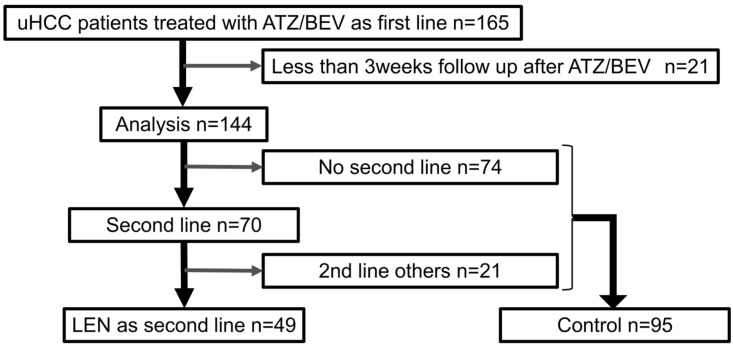 Figure 1
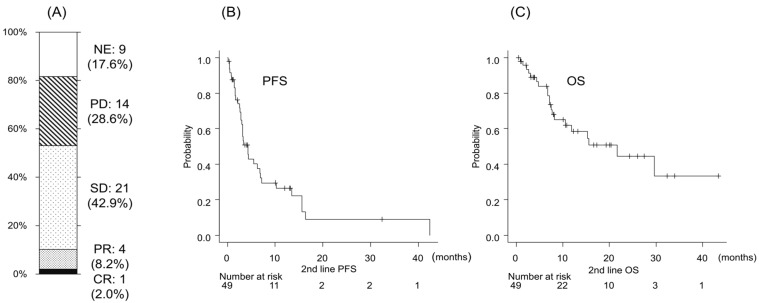 Figure 2
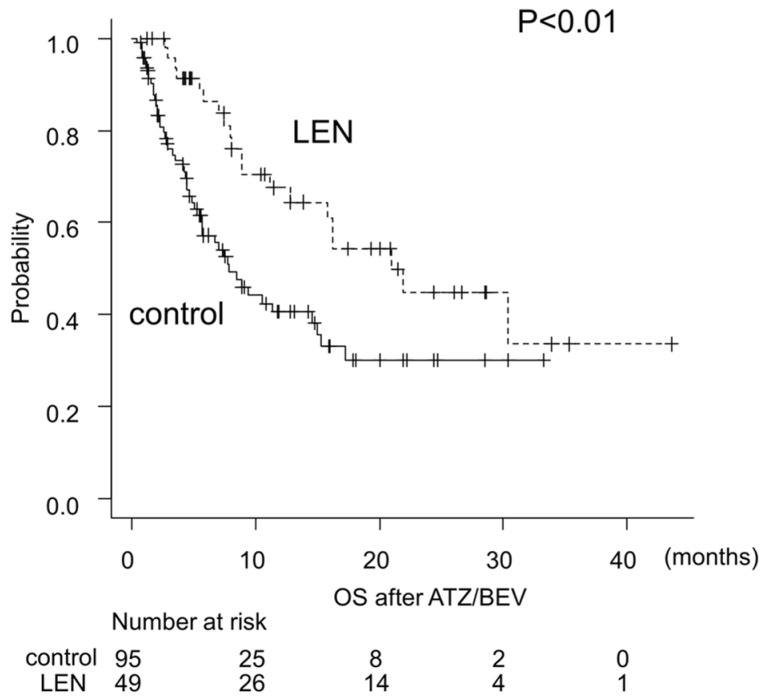 Figure 3
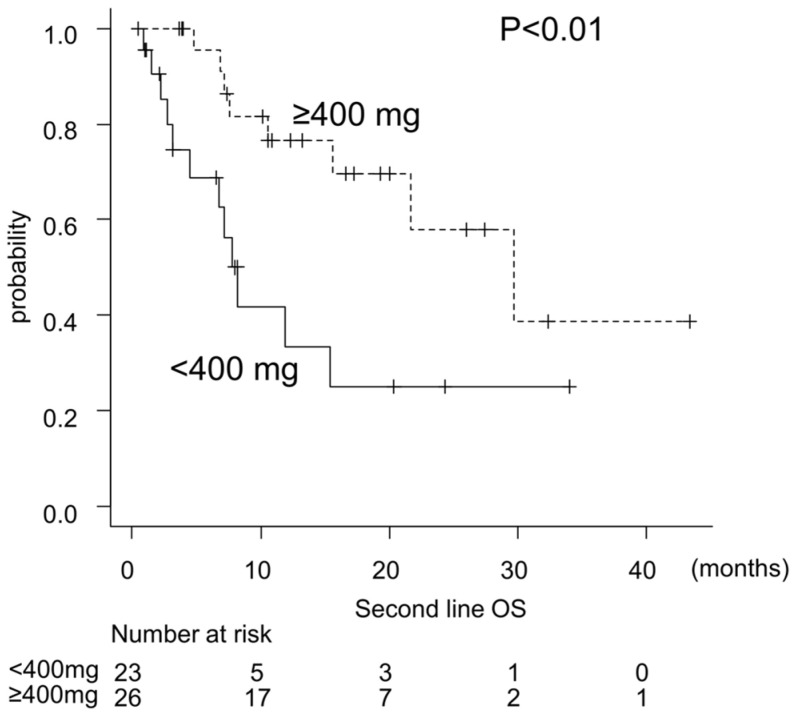 Figure 4
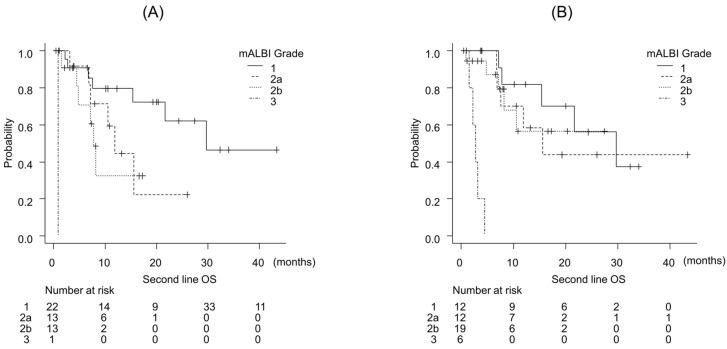 Figure 5
Peer Reviews
No public reviews on file for this paper yet. If you reviewed it on a platform where reviews are public (OpenReview, ICLR, NeurIPS, ICML), you can paste yours below so the community can read it here.
Videos
No videos yet. Explain this paper in a talk, walkthrough, or lecture? Add one.
Taxonomy
TopicsHepatocellular Carcinoma Treatment and Prognosis · Cholangiocarcinoma and Gallbladder Cancer Studies · Liver physiology and pathology