The Emerging Role of Transcription-Associated Cyclin-Dependent Kinases in Gastrointestinal Tumors
Dipti Athavale, David Pulipati, Curt Balch, Junsong Zhao, Yanting Zhang, Xiaodan Yao, Shumei Song

TL;DR
This review explores how transcription-associated cyclin-dependent kinases (tCDKs) contribute to gastrointestinal cancers and discusses potential therapies targeting them.
Contribution
The paper provides a comprehensive overview of tCDKs' roles in gastrointestinal tumors and evaluates emerging therapeutic strategies.
Findings
tCDKs are overexpressed in gastrointestinal tumor tissues and contribute to transcriptional addiction in cancer cells.
Targeting tCDKs with inhibitors or degraders shows therapeutic potential in preclinical and clinical studies.
tCDKs regulate super enhancer regions, which are linked to cancer cell proliferation and survival.
Abstract
Transcription-associated cyclin-dependent kinases (tCDKs) play critical roles in regulating RNA polymerase II activity and gene transcription. Many cancers, including gastrointestinal (GI) tumors, become unusually dependent on enhanced-transcriptional activity (“transcriptional addiction”) that promotes cancer cell proliferation, survival, and aggressiveness. This review summarizes the cancer-specific functions and clinical relevance of tCDKs (including CDK7, CDK8, CDK9, CDK10, CDK11, CDK12, CDK13, and CDK19), with a particular focus on GI tumors (esophageal, gastric, pancreatic, and hepatobiliary cancers). We further summarize preclinical studies and clinical trials evaluating therapeutic strategies targeting tCDKs, including small-molecule inhibitors, degraders, and genetic approaches, in GI tumors. Finally, we highlight key knowledge gaps and challenges in targeting tCDKs and suggest…
Genes, proteins, chemicals, diseases, species, mutations and cell lines named across the full text — each resolved to its canonical identifier and authoritative record.
Click any figure to enlarge with its caption.
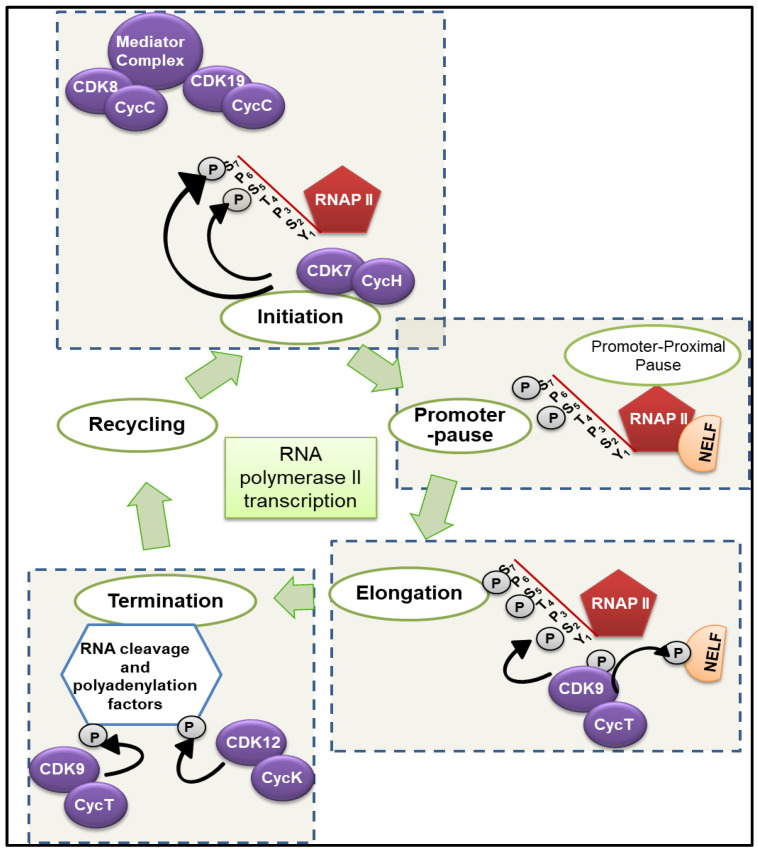 Figure 1
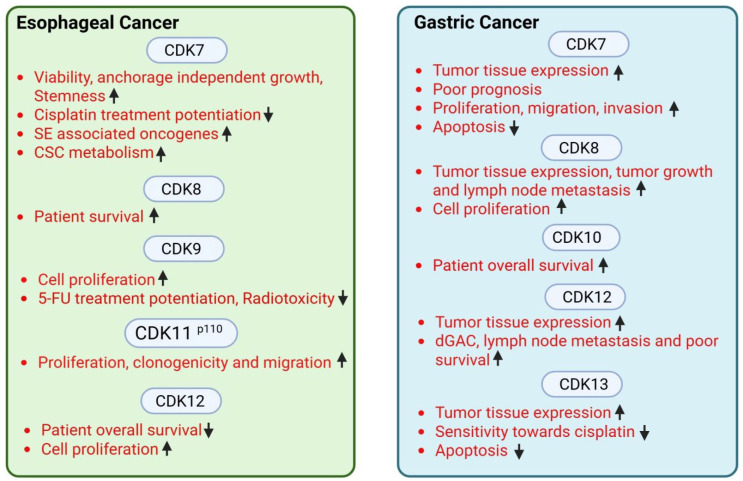 Figure 2
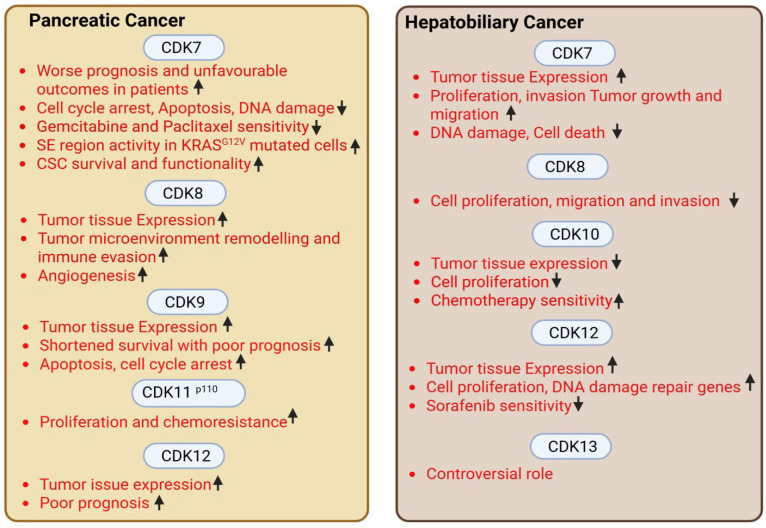 Figure 3
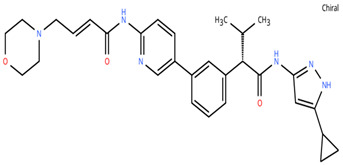 Figure 4
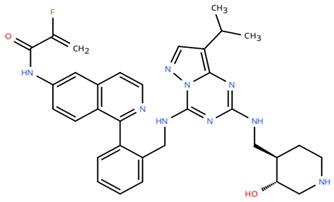 Figure 5
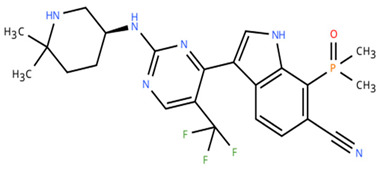 Figure 6
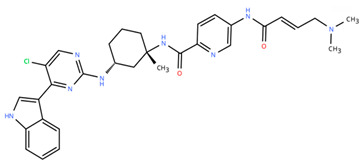 Figure 7
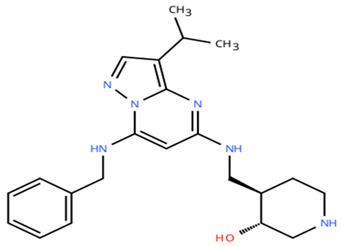 Figure 8
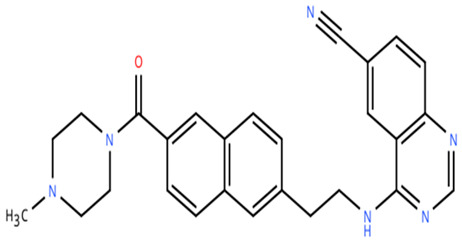 Figure 9
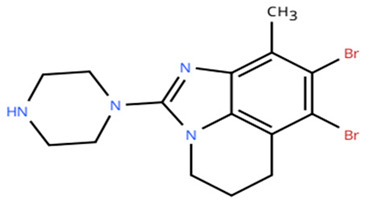 Figure 10
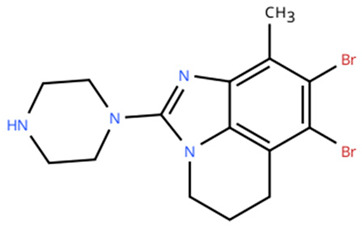 Figure 11
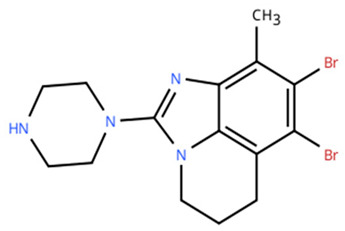 Figure 12
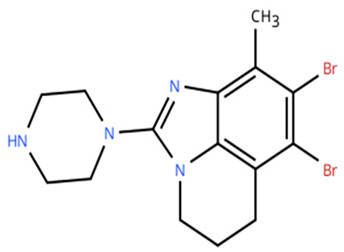 Figure 13
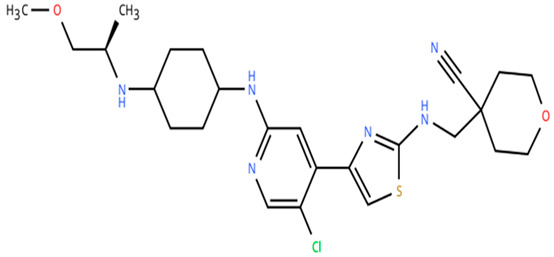 Figure 14
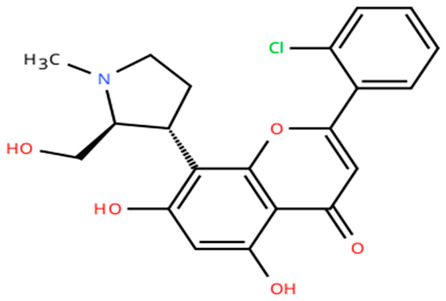 Figure 15
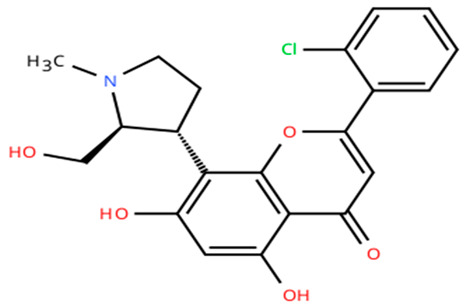 Figure 16
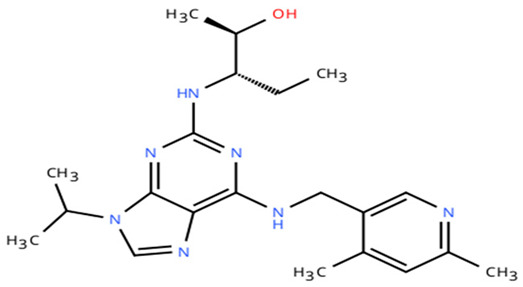 Figure 17
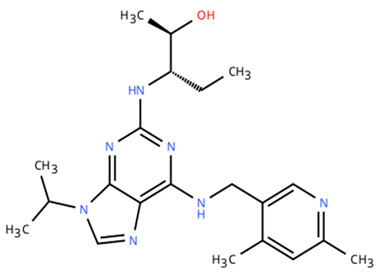 Figure 18
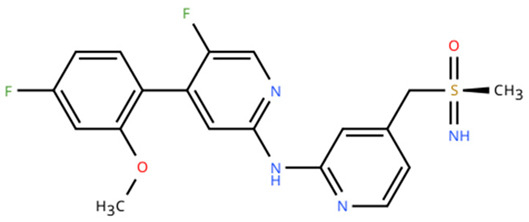 Figure 19
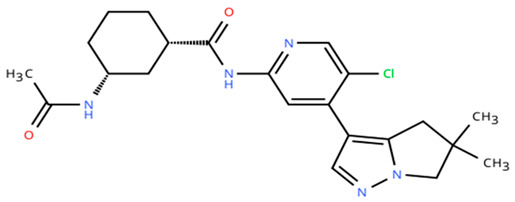 Figure 20
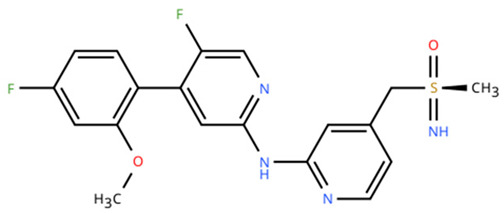 Figure 21
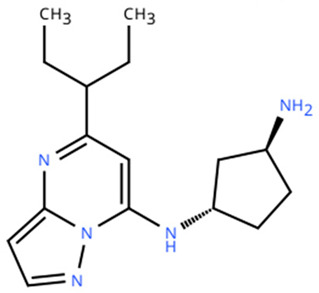 Figure 22
Peer Reviews
No public reviews on file for this paper yet. If you reviewed it on a platform where reviews are public (OpenReview, ICLR, NeurIPS, ICML), you can paste yours below so the community can read it here.
Videos
No videos yet. Explain this paper in a talk, walkthrough, or lecture? Add one.
Taxonomy
TopicsCancer-related Molecular Pathways · Protein Degradation and Inhibitors · PI3K/AKT/mTOR signaling in cancer