Single-Agent Sedation for Behavioral Management in Pediatric Dentistry: An Umbrella Review of Agents, Routes of Administration, Providers, and Clinical Settings
Federica Di Spirito, Francesco Giordano, Giuseppina De Benedetto, Maria Pia Di Palo, Francesco Traino, Colomba Pessolano, Alessia Bramanti, Antonino Fiorino, Carlo Rengo

TL;DR
This review summarizes 18 studies on using single-agent sedation to manage children's behavior during dental procedures, finding it effective but with limited data on satisfaction and acceptability.
Contribution
The study provides a comprehensive umbrella review of single-agent sedation strategies for pediatric dental behavior management, highlighting variability in agent and route selection based on clinical context.
Findings
Single-agent sedation is effective for managing children's behavior during dental treatment.
Midazolam and nitrous oxide are the most studied sedative agents.
Clinical setting and provider type influence agent and route selection.
Abstract
What are the main findings? The present umbrella review synthesized 18 systematic reviews (97 primary studies; 6877 children), identifying 14 single-agent sedation strategies (excluding deep sedation/general anesthesia) administered through eight different routes; sedation was consistently reported as an effective approach for behavioral management and completion of dental treatment in children.Agent selection and administration routes appeared to be influenced by the clinical setting (e.g., outpatient clinic or hospital) and provider type (e.g., dentist or anesthesiologist), while evidence concerning acceptability and satisfaction among children, caregivers, and providers remains notably limited. The present umbrella review synthesized 18 systematic reviews (97 primary studies; 6877 children), identifying 14 single-agent sedation strategies (excluding deep sedation/general anesthesia)…
Genes, proteins, chemicals, diseases, species, mutations and cell lines named across the full text — each resolved to its canonical identifier and authoritative record.
Click any figure to enlarge with its caption.
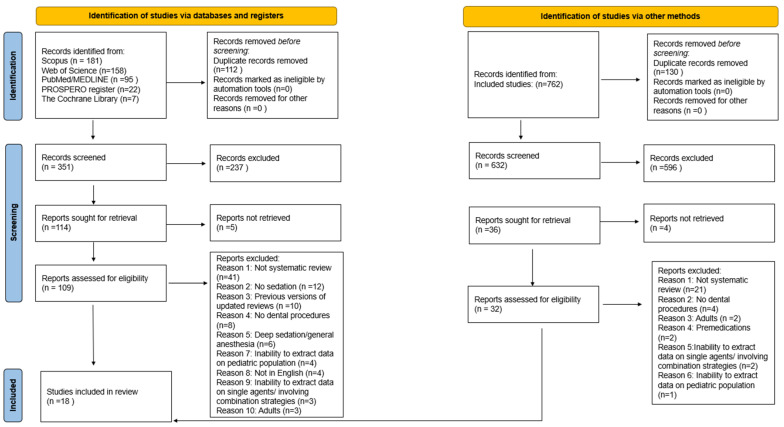 Figure 1
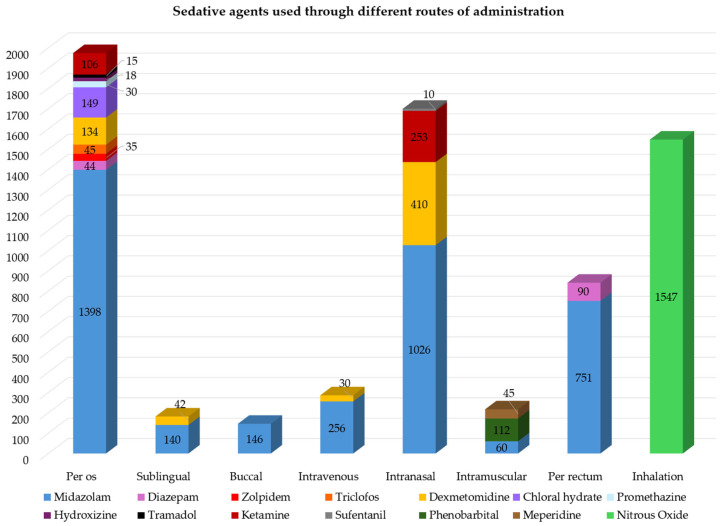 Figure 2
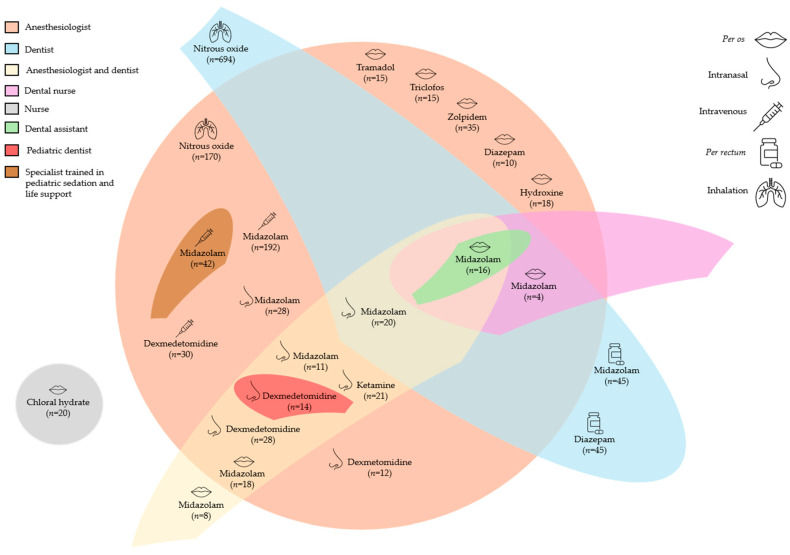 Figure 3
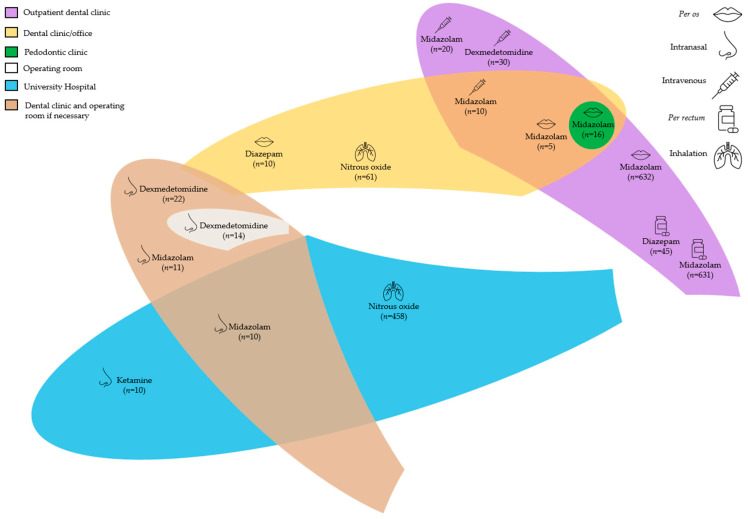 Figure 4
Peer Reviews
No public reviews on file for this paper yet. If you reviewed it on a platform where reviews are public (OpenReview, ICLR, NeurIPS, ICML), you can paste yours below so the community can read it here.
Videos
No videos yet. Explain this paper in a talk, walkthrough, or lecture? Add one.
Taxonomy
TopicsAnesthesia and Sedative Agents · Dental Anxiety and Anesthesia Techniques · Pediatric Pain Management Techniques