Comparing Ising and Spin Glass Dynamics in Financial Markets: A Complex Systems Approach to Asset Interdependence
Irina Georgescu, Jani Kinnunen

TL;DR
This paper uses physics models to study how different assets in financial markets influence each other, showing that a more complex model better captures real-world market behavior.
Contribution
The paper introduces a novel application of spin glass models to capture heterogeneous and nonlinear asset interactions in financial markets.
Findings
Spin glass models reveal richer structural heterogeneity in financial markets compared to Ising models.
Ising models serve as a benchmark for market coherence but miss nonlinear dependencies.
Nonlinear mutual information provides more accurate coupling matrices for complex market interactions.
Abstract
This paper analyzes financial market interdependence from a statistical-physics perspective by comparing Ising and spin glass representations of asset interactions. Financial markets are modeled as complex systems in which collective behavior emerges from time-varying interaction structures. Using daily data for a diversified 15-asset commodity system, including precious metals, energy commodities, industrial metals and soft commodities, over the period 2020–2024, we construct rolling coupling matrices based on both linear correlations and nonlinear mutual information and embed them into Ising and Sherrington–Kirkpatrick-type interaction frameworks. While aggregate synchronization indicators—such as average coupling strength and the largest eigenvalue—exhibit similar dynamics across the two representations, the spin glass framework reveals substantially richer structural heterogeneity.…
Genes, proteins, chemicals, diseases, species, mutations and cell lines named across the full text — each resolved to its canonical identifier and authoritative record.
Click any figure to enlarge with its caption.
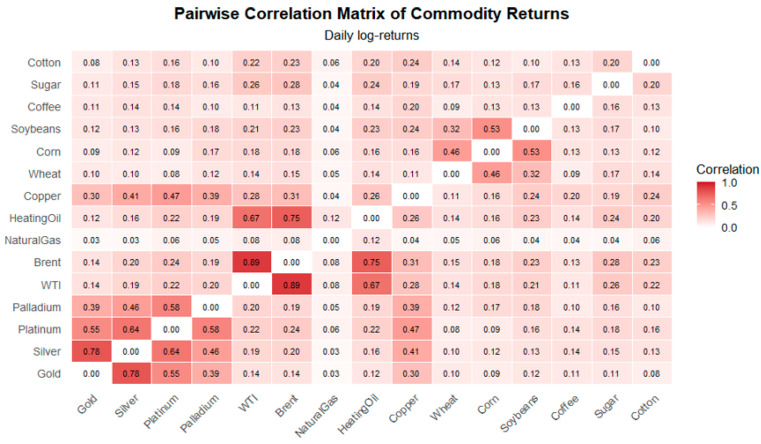 Figure 1
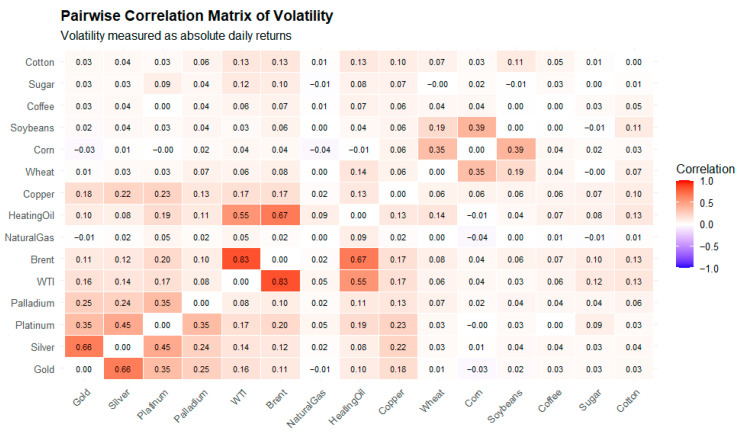 Figure 2
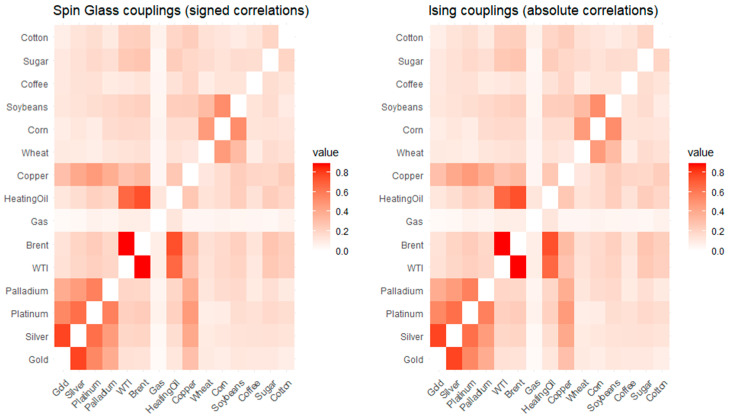 Figure 3
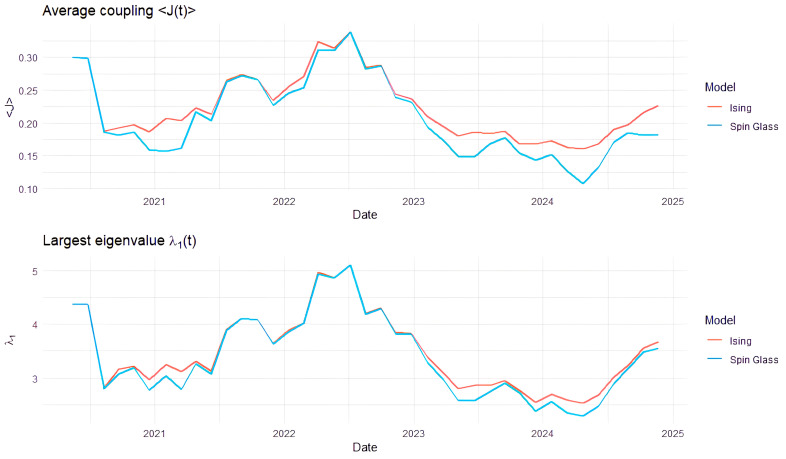 Figure 4
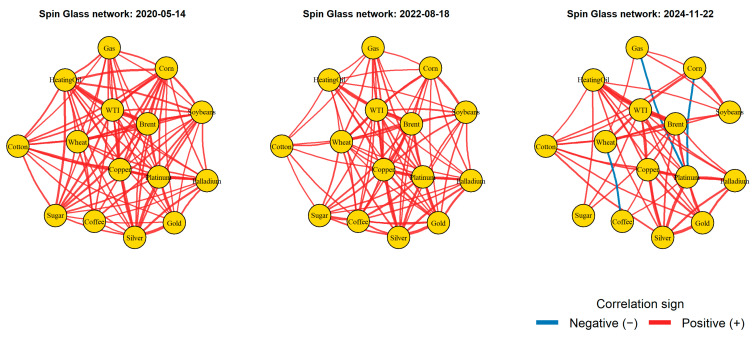 Figure 5
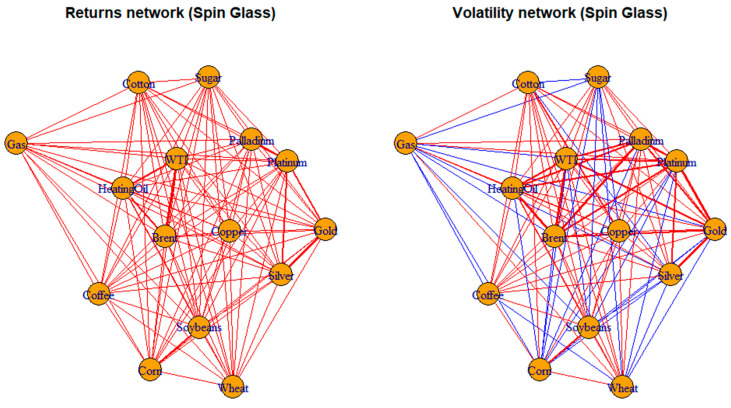 Figure 6
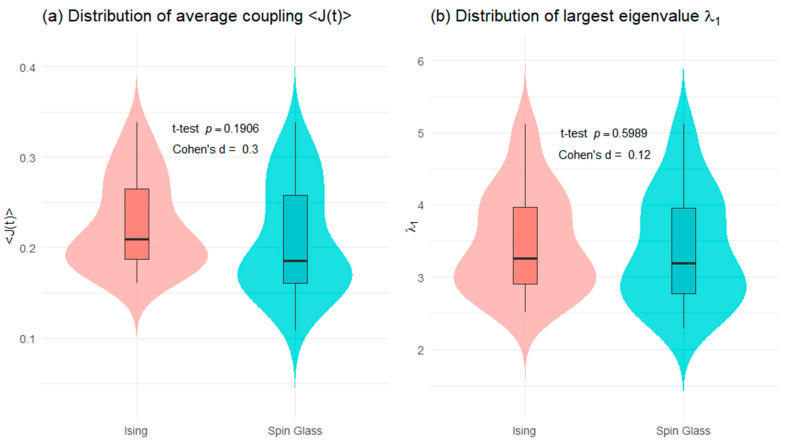 Figure 7
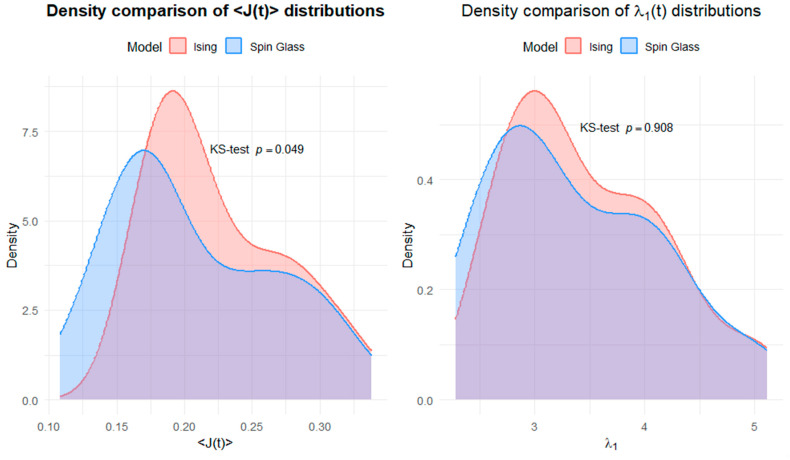 Figure 8
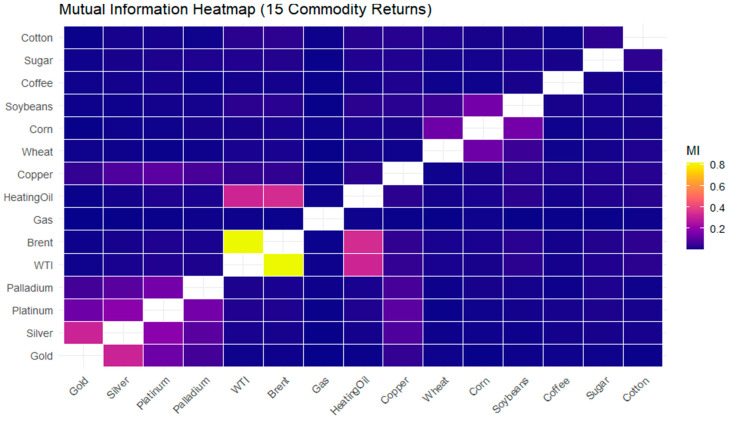 Figure 9
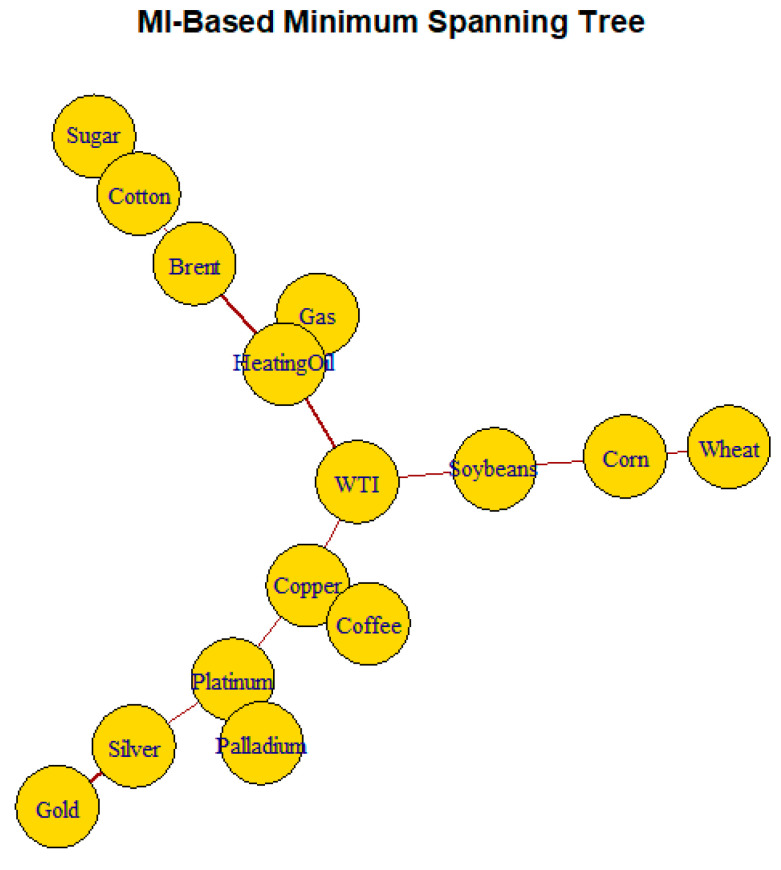 Figure 10
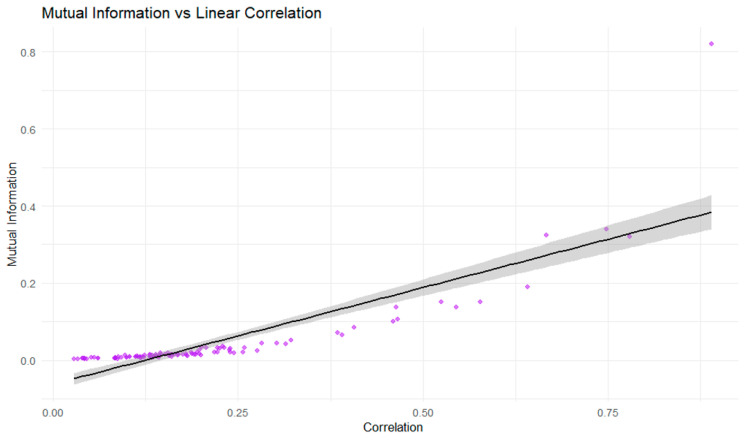 Figure 11
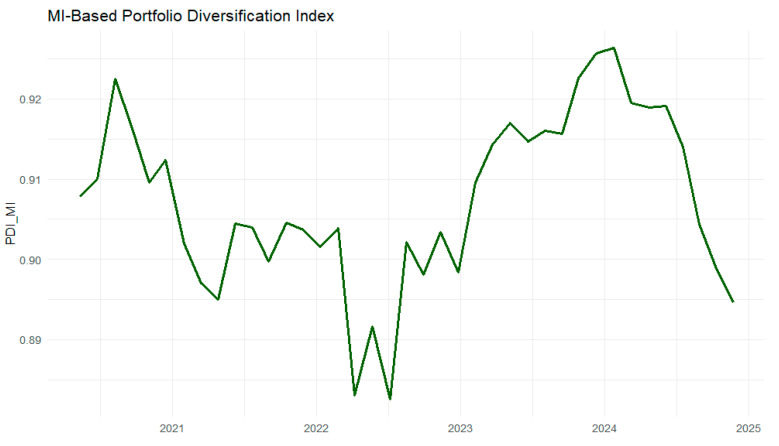 Figure 12
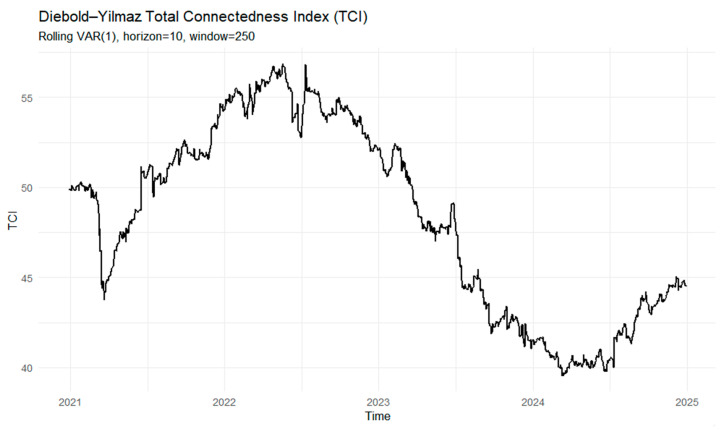 Figure 13
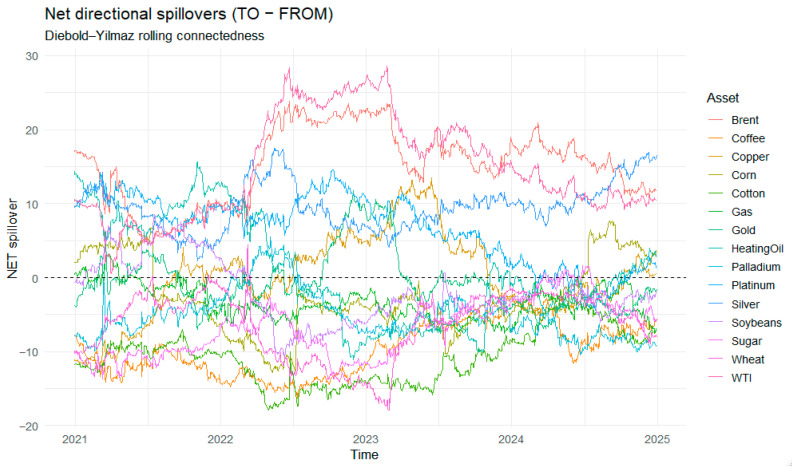 Figure 14
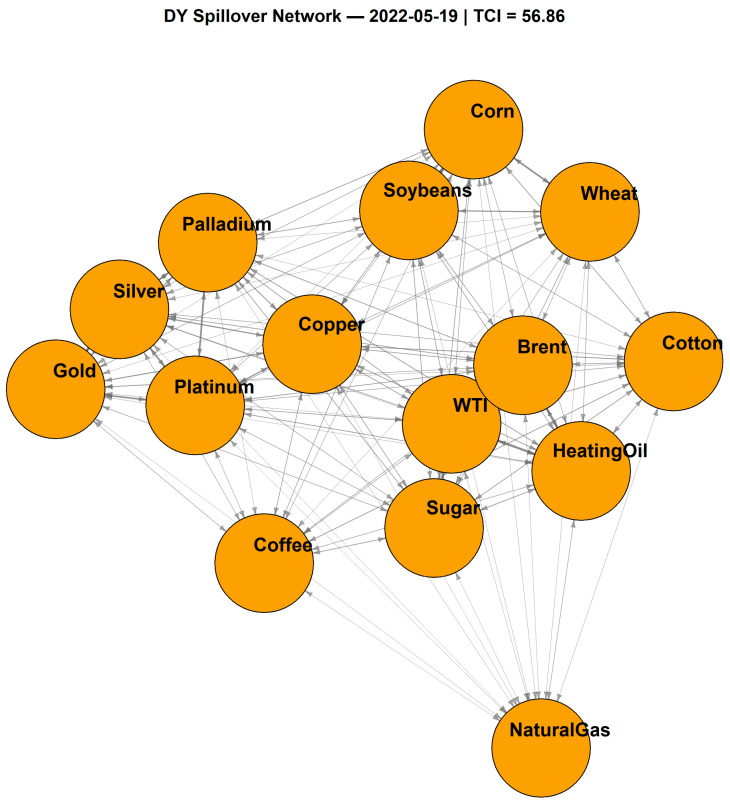 Figure 15
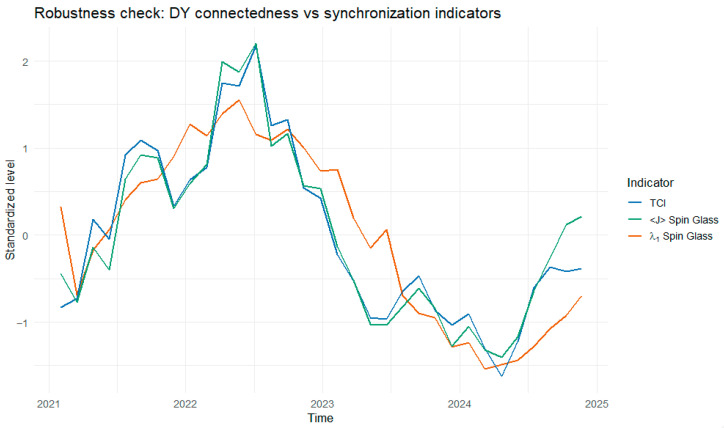 Figure 16
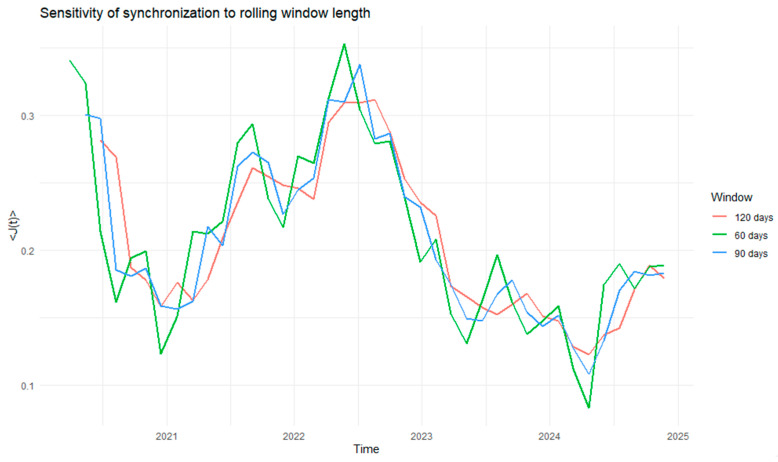 Figure 17
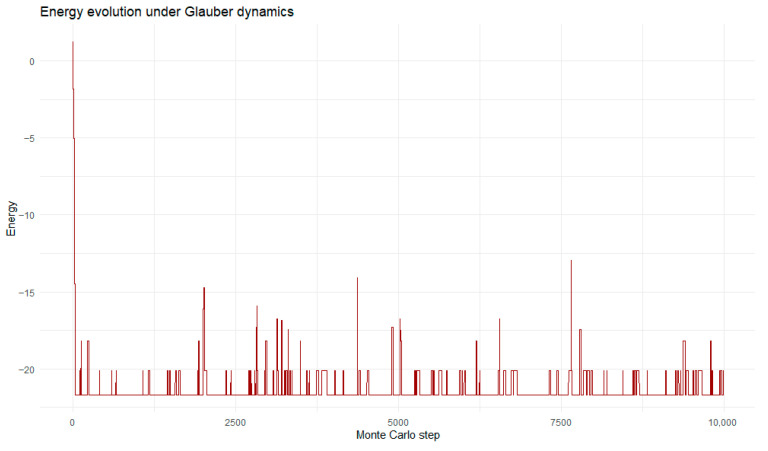 Figure 18
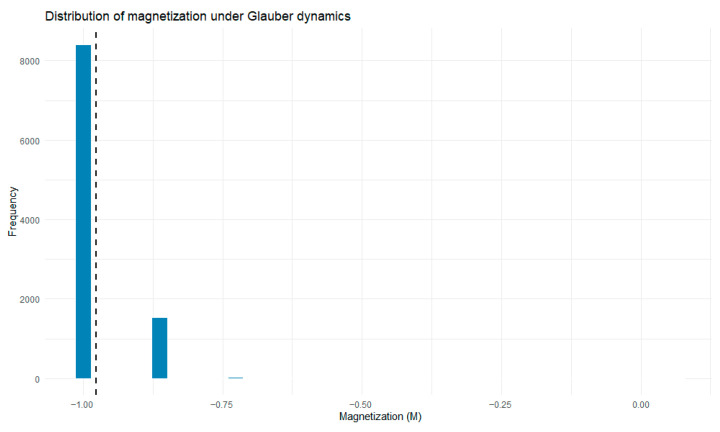 Figure 19
Peer Reviews
No public reviews on file for this paper yet. If you reviewed it on a platform where reviews are public (OpenReview, ICLR, NeurIPS, ICML), you can paste yours below so the community can read it here.
Videos
No videos yet. Explain this paper in a talk, walkthrough, or lecture? Add one.
Taxonomy
TopicsComplex Systems and Time Series Analysis · Complex Network Analysis Techniques · Theoretical and Computational Physics