Integrated Metabolomics and Transcriptomics Analysis Reveals the Biosynthetic Mechanism of Isoquinoline Alkaloids in Different Tissues of Hypecoum erectum L
Sainan Wang, Yan Du, Meiqing Yang

TL;DR
This study combines metabolomics and transcriptomics to identify how and where isoquinoline alkaloids are made in the plant Hypecoum erectum.
Contribution
The study reveals the biosynthetic mechanism and tissue-specific regulation of isoquinoline alkaloids in Hypecoum erectum.
Findings
Twenty-six isoquinoline alkaloids were identified as differentially accumulated metabolites across tissues.
Eleven root-specific genes were linked to the elevated production of key alkaloids in roots.
Transcription factors like bHLH, NAC, and ERF were found to regulate IQA biosynthesis.
Abstract
Hypecoum erectum L. is a medicinal plant known for its high content of isoquinoline alkaloids (IQAs), a class of compounds with diverse pharmacological activities. To elucidate the biosynthetic mechanisms and tissue-specific accumulation of IQAs, we integrated HPLC-MS/MS-based metabolomic analysis with RNA sequencing (RNA-seq) transcriptomic profiling across the roots, stems, and leaves of H. erectum. Metabolomic analysis identified twenty-six IQAs as differentially accumulated metabolites (DAMs) among the three tissues, while transcriptomic analysis revealed twenty-two categories of differentially expressed genes (DEGs) involved in IQA biosynthesis. KEGG pathway enrichment analysis demonstrated that nine DAMs and twenty categories of DEGs were co-enriched in the IQA biosynthetic pathway of Hypecoum erectum. Notably, seven key DAMs—Stylopine, Protopine, Magnoflorine, Corydaline,…
Genes, proteins, chemicals, diseases, species, mutations and cell lines named across the full text — each resolved to its canonical identifier and authoritative record.
Click any figure to enlarge with its caption.
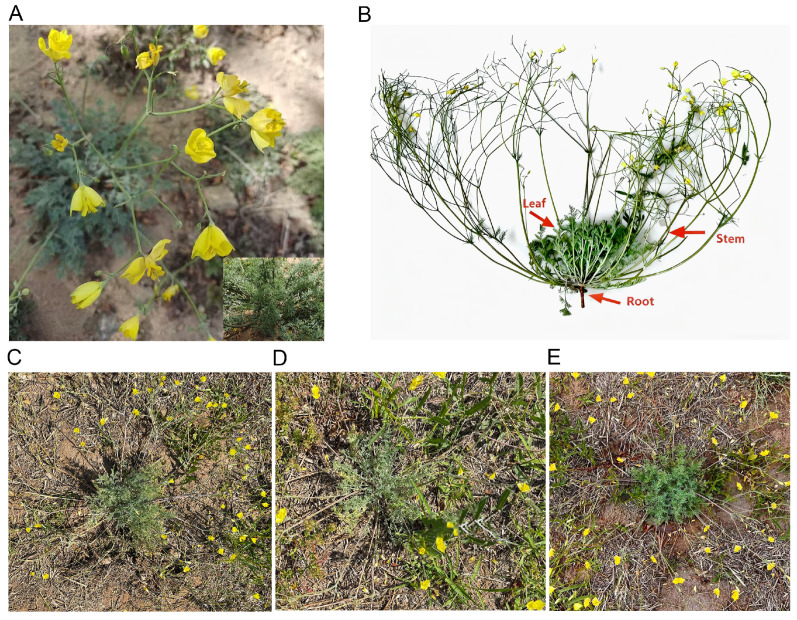 Figure 1
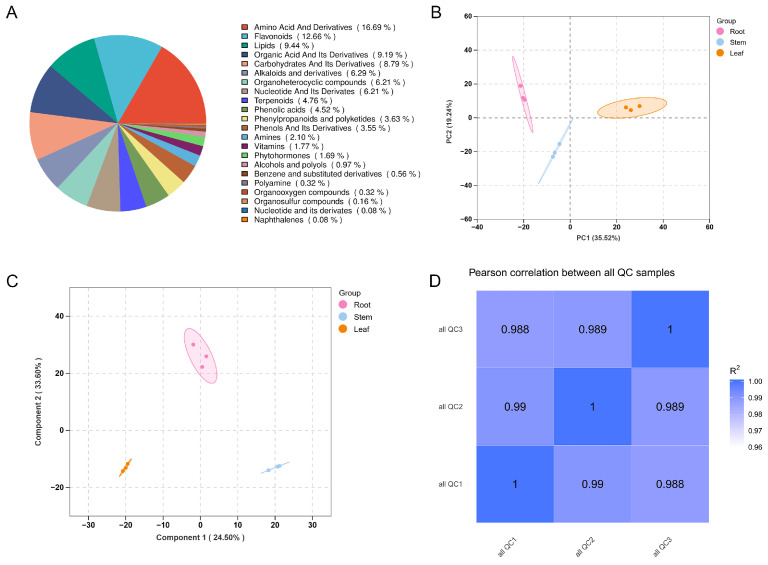 Figure 2
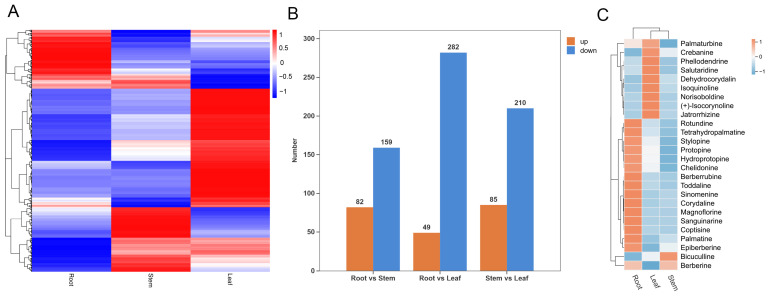 Figure 3
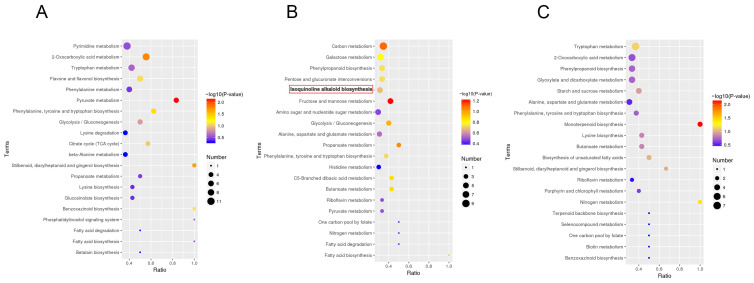 Figure 4
 Figure 5
 Figure 6
 Figure 7
 Figure 8
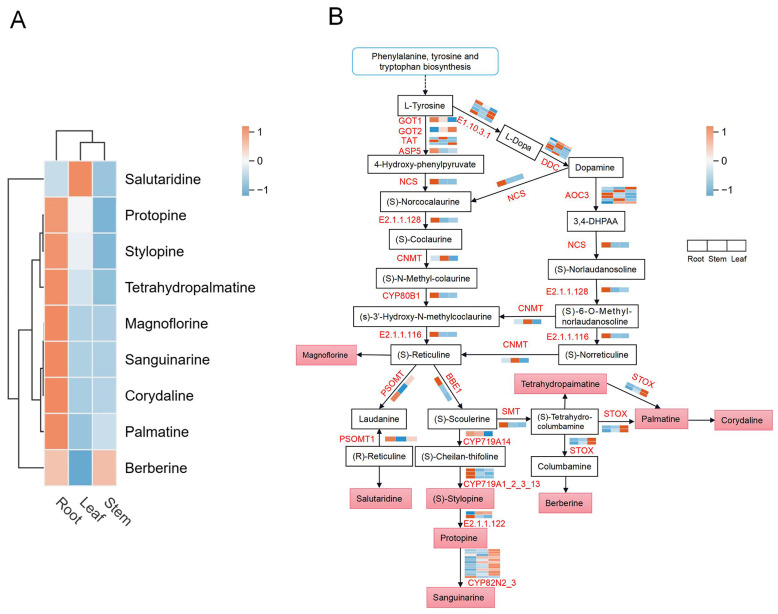 Figure 9
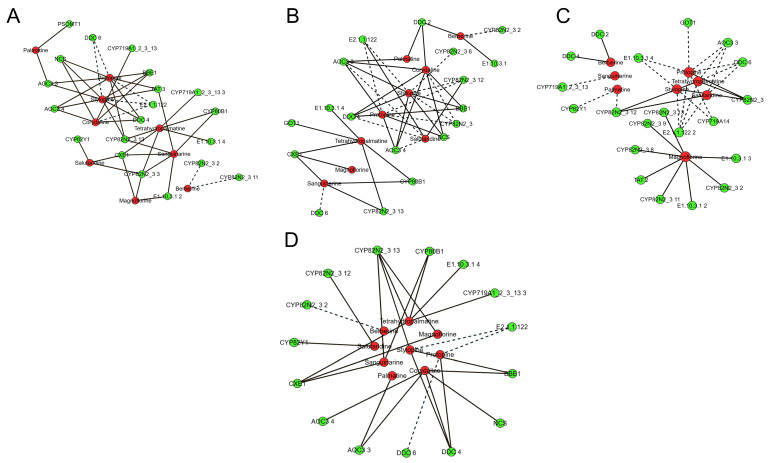 Figure 10
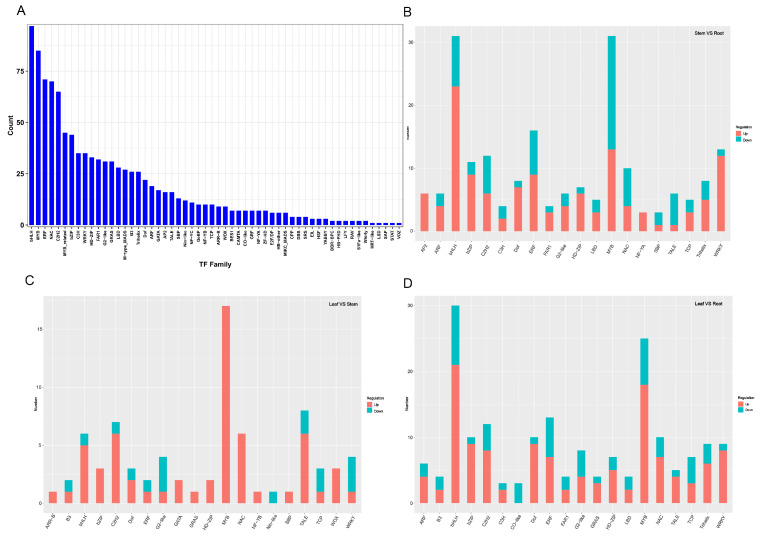 Figure 11
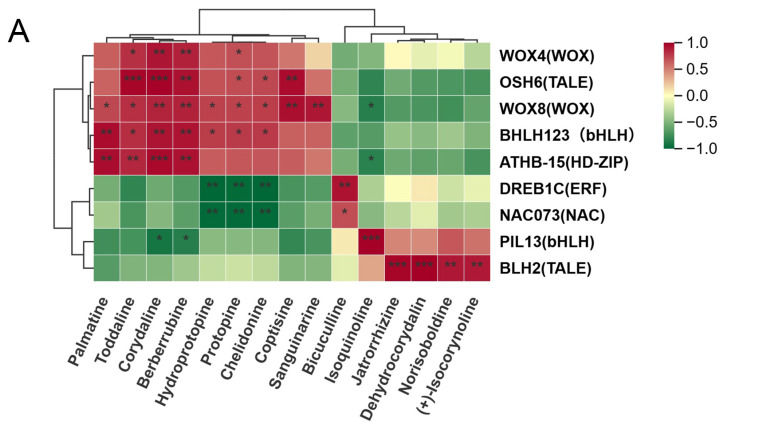 Figure 12
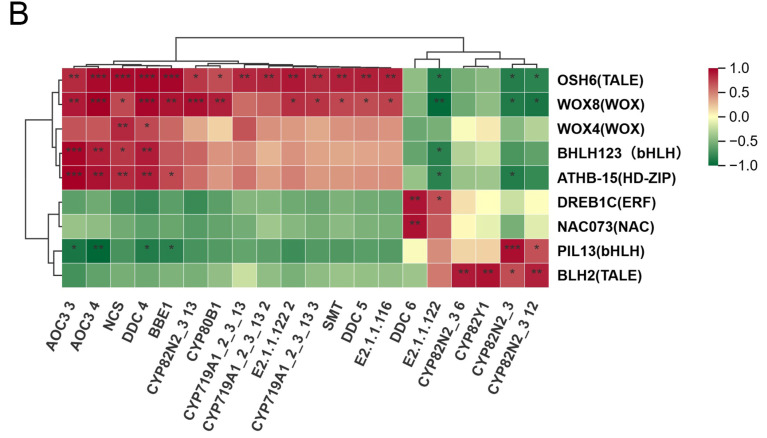 Figure 13
Peer Reviews
No public reviews on file for this paper yet. If you reviewed it on a platform where reviews are public (OpenReview, ICLR, NeurIPS, ICML), you can paste yours below so the community can read it here.
Videos
No videos yet. Explain this paper in a talk, walkthrough, or lecture? Add one.
Taxonomy
TopicsBerberine and alkaloids research · Plant-based Medicinal Research · Plant tissue culture and regeneration