Molecular Determinants of Macrophage Polarization in Glioblastoma and Implications for Tumor Progression
Xiao-Xiao Luo, Min Fu, Ben Zhao, Feng Yang, Yi-Zhou Liu, Xiao-Hong Peng, Shi-Yong Li, Gao-Feng Zhan, Ying-Jia Hu, Guang-Yuan Hu, Heng-Hui Cheng, Qian-Xia Li

TL;DR
This study explores how macrophages in glioblastoma tumors shift to a tumor-supporting state, identifying key genes and suggesting new therapeutic strategies.
Contribution
The study identifies specific macrophage-related genes and mechanisms driving M2 polarization in glioblastoma, offering novel therapeutic insights.
Findings
Macrophage infiltration in GBM correlates with poor prognosis and is associated with 41 risk genes.
Nine key macrophage-specific genes were validated, including SPP1, CD74, and C3.
Overexpression of CD74, CLEC7A, and IFI30 enhances M2 polarization and tumor-promoting functions.
Abstract
Glioblastoma (GBM) is a highly aggressive brain tumor with a complex tumor microenvironment (TME) that includes immune cell infiltration, notably macrophages. The role of macrophages in GBM progression is influenced by their polarization state, which can be either pro-inflammatory (M1) or immunosuppressive (M2). This study investigates the macrophage polarization in GBM, identifying key macrophage-related genes and their impact on tumor progression. Analysis of TCGA-GBM data revealed that macrophage infiltration correlates with poor prognosis, with 41 risk-associated genes identified. DSP dataset analysis highlighted 378 differentially expressed genes between CD68+ macrophages and GFAP+ controls, including immune-related genes like SPP1, CD74, and C3. Cross-validation with single-cell RNA-seq confirmed the expression of 9 key genes, with 7 genes being macrophage-specific. In vitro…
Genes, proteins, chemicals, diseases, species, mutations and cell lines named across the full text — each resolved to its canonical identifier and authoritative record.
Click any figure to enlarge with its caption.
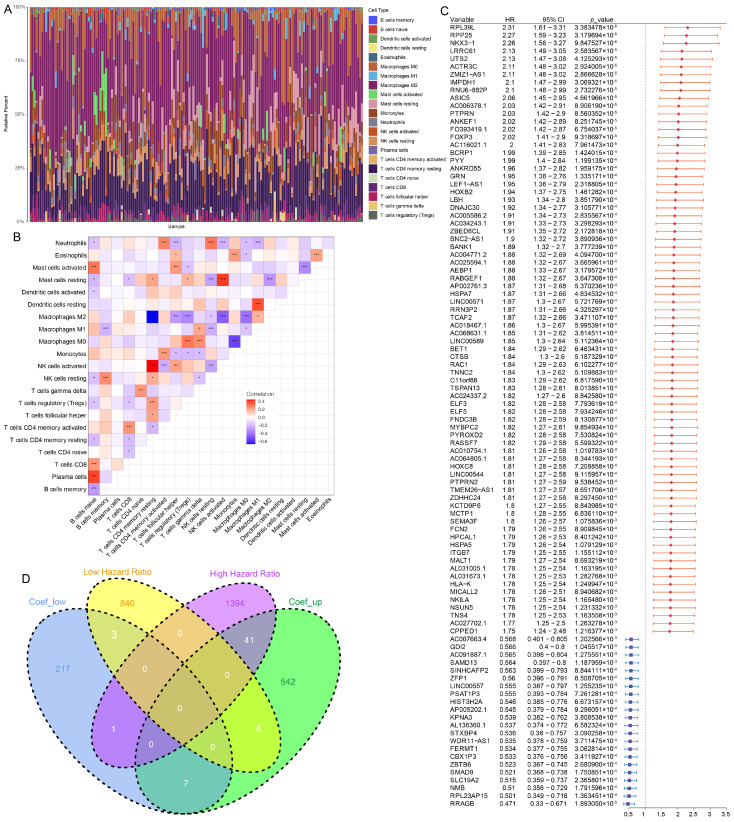 Figure 1
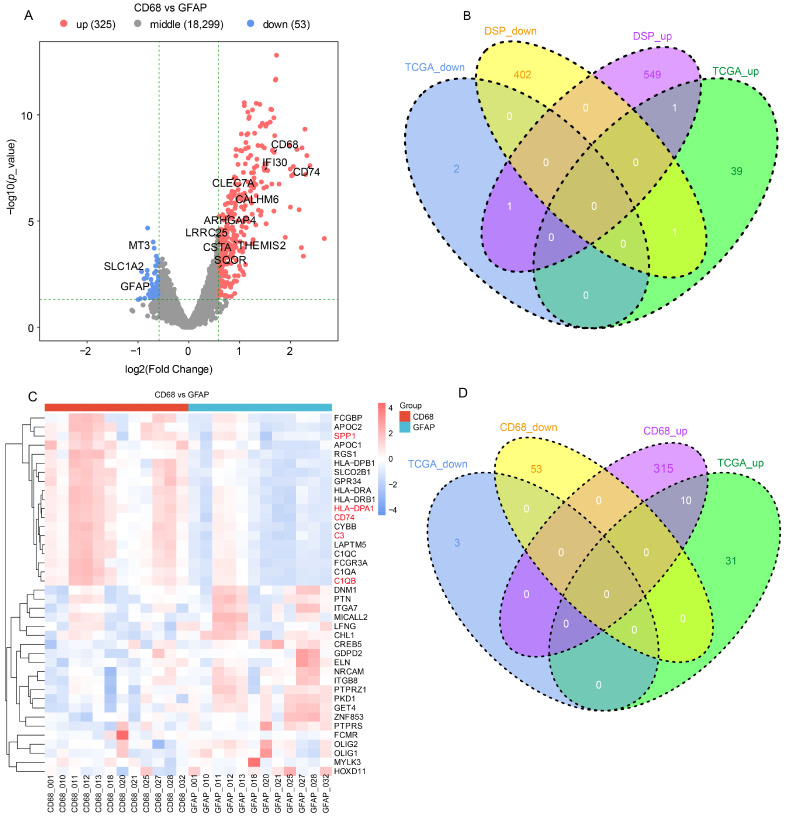 Figure 2
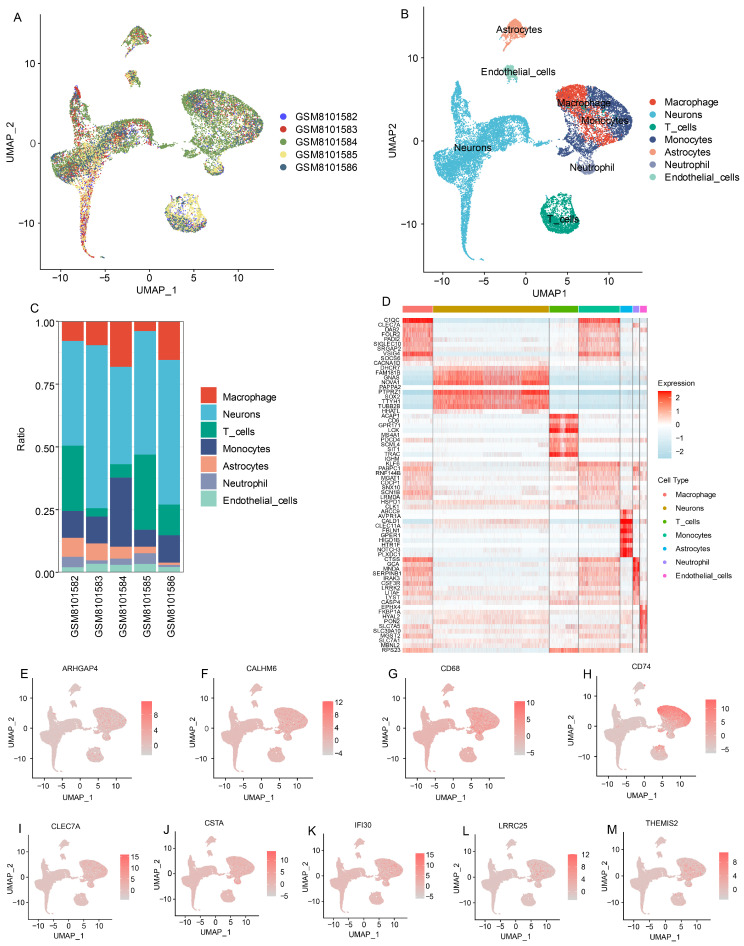 Figure 3
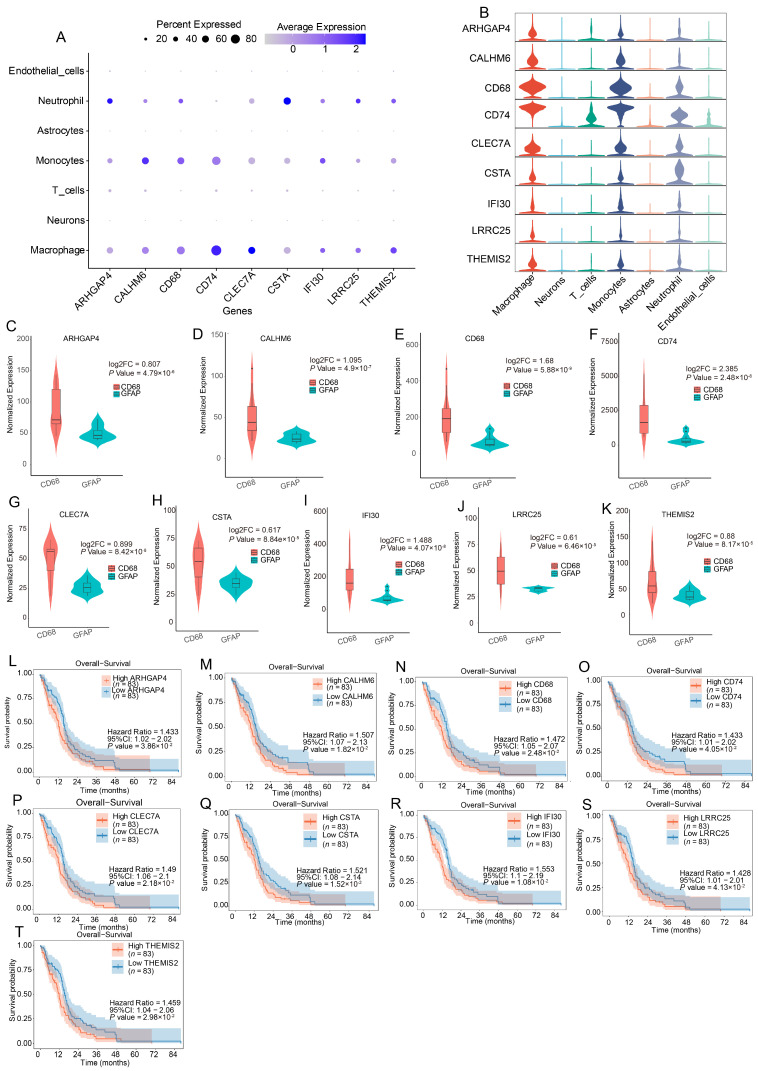 Figure 4
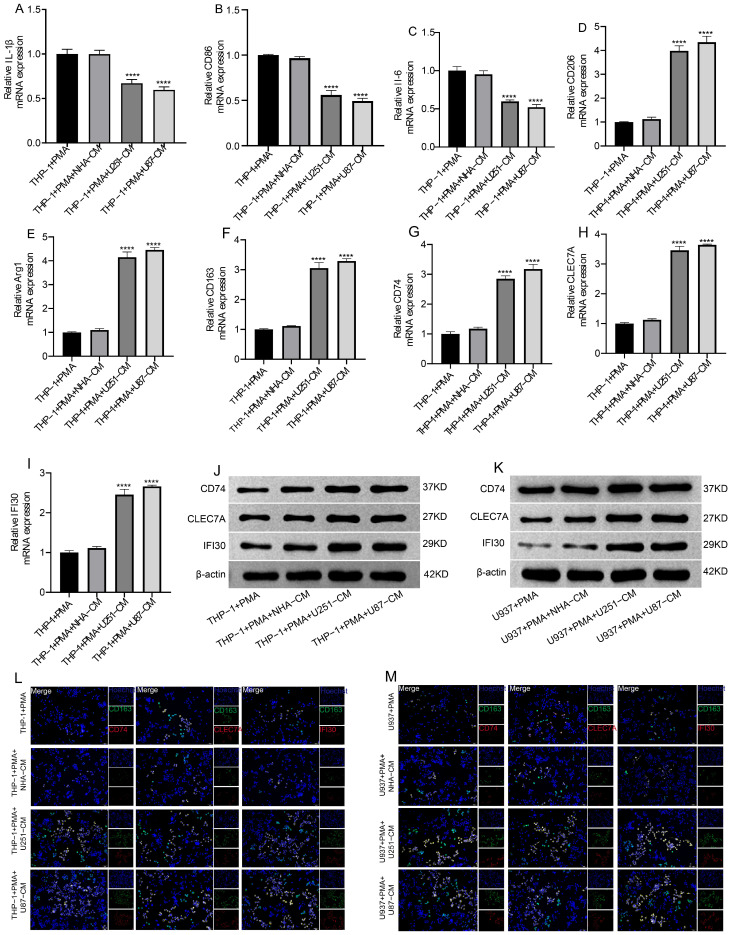 Figure 5
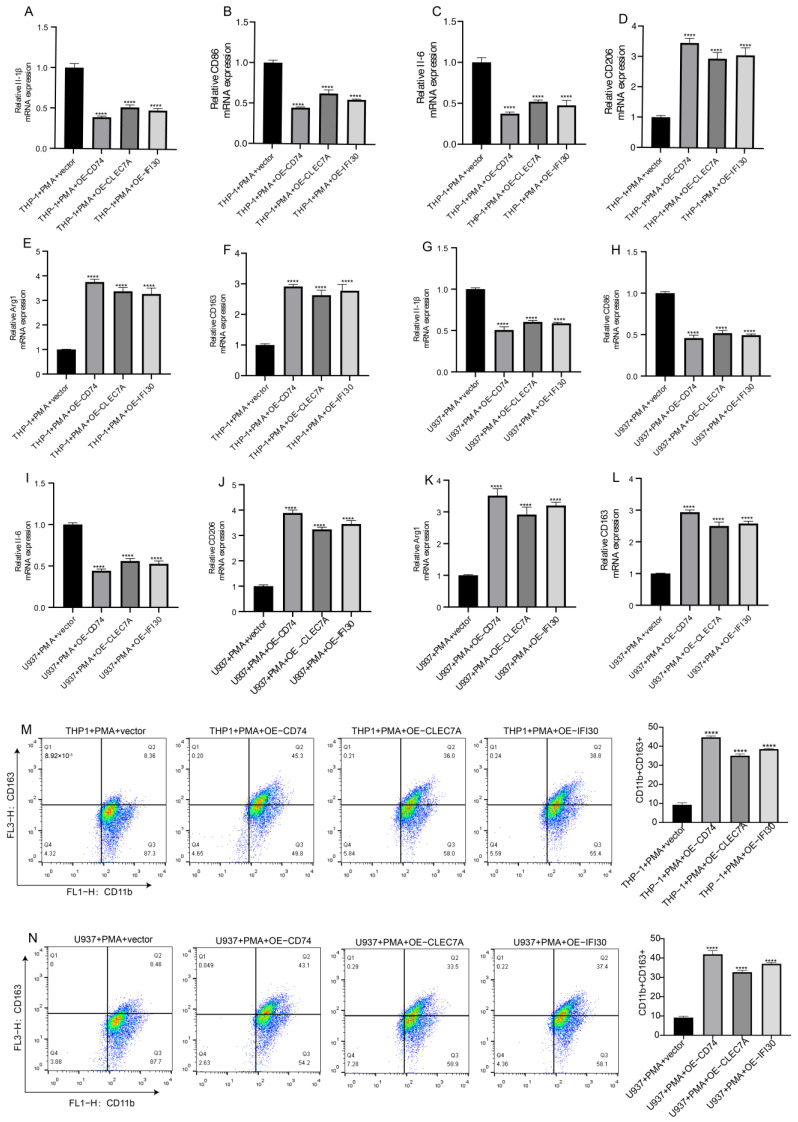 Figure 6
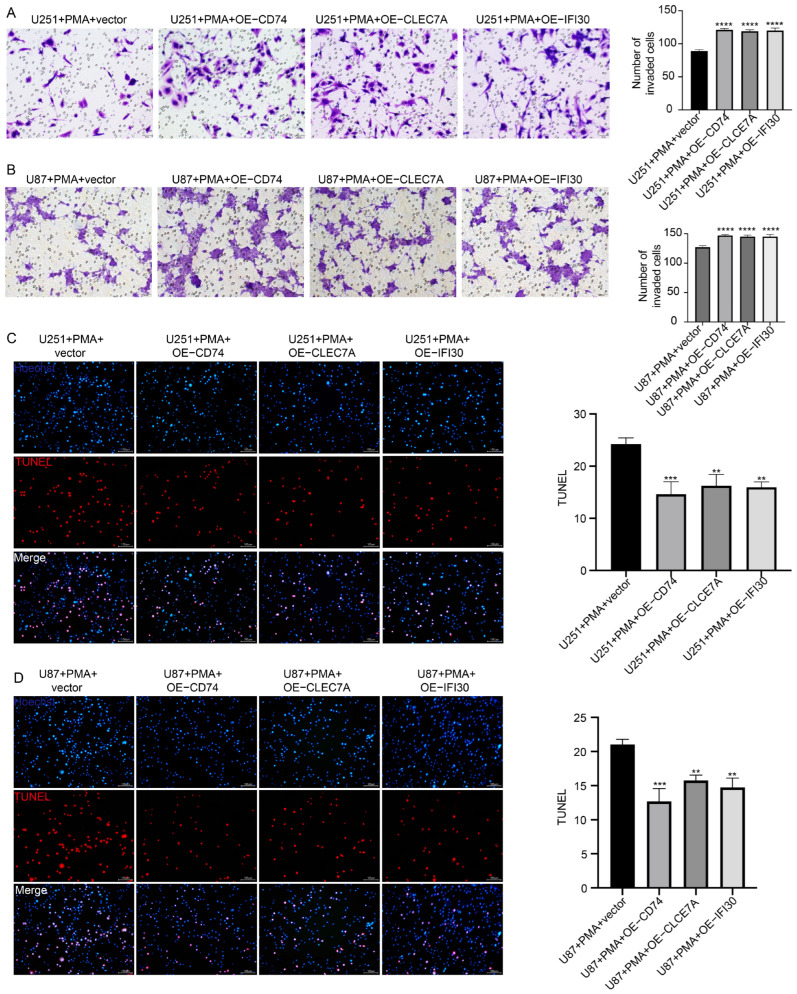 Figure 7
Peer Reviews
No public reviews on file for this paper yet. If you reviewed it on a platform where reviews are public (OpenReview, ICLR, NeurIPS, ICML), you can paste yours below so the community can read it here.
Videos
No videos yet. Explain this paper in a talk, walkthrough, or lecture? Add one.
Taxonomy
TopicsImmune cells in cancer · Glioma Diagnosis and Treatment · Neuroinflammation and Neurodegeneration Mechanisms