PHOX2B Tyr14Ter Mutation Might Be Associated with Sustained Diurnal Hypertension: Case Report and Review of the Literature
Fabio Antonelli, Simona Sottili, Maria Giovanna Paglietti, Alessandro Onofri, Renato Cutrera, Martina Mazzoni, Alessandro Rossi, Pierluigi Vuilleumier, Annalisa Allegorico

TL;DR
A rare PHOX2B mutation in a child with CCHS is linked to mild symptoms and high blood pressure, showing how genetic changes can affect disease severity.
Contribution
The p.Tyr14Ter mutation may produce a partially functional protein, leading to a milder CCHS phenotype with sustained hypertension.
Findings
Non-polyalanine repeat mutations like p.Tyr14Ter may result in a truncated but partially functional PHOX2B protein.
Blood pressure abnormalities can occur in CCHS patients with non-PARM genotypes, indicating broader cardiovascular dysregulation.
The p.Tyr14Ter mutation is associated with milder clinical presentation compared to severe polyalanine repeat mutations.
Abstract
What are the main findings? Non-polyalanine repeat mutations (NPARMs), including nonsense variants, are rare and generally associated with severe clinical phenotypes; however, the p.Tyr14Ter mutation may allow the production of a partially functional truncated protein, resulting in a relatively mild presentation.Baroreflex dysfunction in CCHS can manifest as orthostatic hypotension due to an inadequate blood pressure response to orthostatic stress and as impaired nocturnal vagal control leading to nocturnal hypertension. Non-polyalanine repeat mutations (NPARMs), including nonsense variants, are rare and generally associated with severe clinical phenotypes; however, the p.Tyr14Ter mutation may allow the production of a partially functional truncated protein, resulting in a relatively mild presentation. Baroreflex dysfunction in CCHS can manifest as orthostatic hypotension due to an…
Genes, proteins, chemicals, diseases, species, mutations and cell lines named across the full text — each resolved to its canonical identifier and authoritative record.
Click any figure to enlarge with its caption.
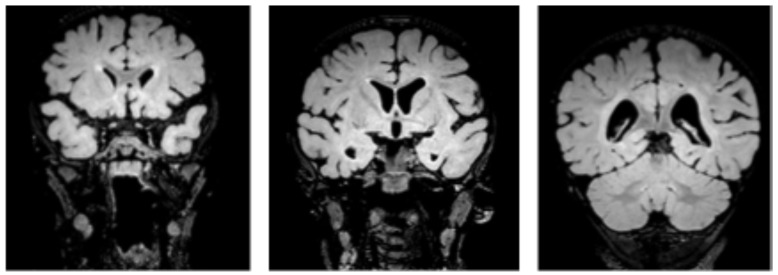 Figure 1
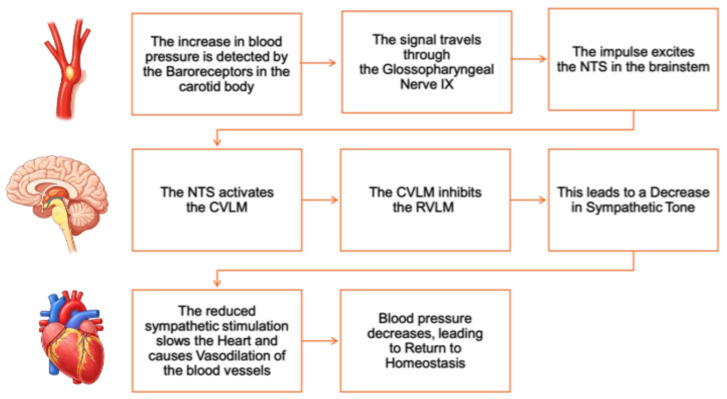 Figure 2
Peer Reviews
No public reviews on file for this paper yet. If you reviewed it on a platform where reviews are public (OpenReview, ICLR, NeurIPS, ICML), you can paste yours below so the community can read it here.
Videos
No videos yet. Explain this paper in a talk, walkthrough, or lecture? Add one.
Taxonomy
TopicsNeuroscience of respiration and sleep · Neonatal Respiratory Health Research · Neonatal and fetal brain pathology