Heart-Specific and Conditional Deletion of the Immt Gene Reveals Its Role in Regulating Mitochondrial Structure and Total Heart Metabolism
Yasuhide Kuwabara, Caitlin Keezer, Suh-Chin J. Lin, Akanksha Rajput, Jeffery D. Molkentin

TL;DR
Deleting the Immt gene in mouse hearts disrupts mitochondrial structure and metabolism, but a stress response temporarily preserves heart function.
Contribution
Heart-specific deletion of Immt reveals its essential role in mitochondrial structure and metabolism, and identifies a compensatory stress response.
Findings
Deleting the Immt gene in mouse hearts leads to severe mitochondrial structural abnormalities and heart failure.
Loss of Immt triggers a mitochondrial stress response that temporarily preserves metabolic function.
The heart shifts to using glucose, ketones, and amino acids when mitochondria are dysfunctional.
Abstract
What are the main findings? The Immt gene (Mic60) is required in the mouse heart to maintain mitochondrial structure and function.Loss of mitochondria in the heart is eventually lethal, although compensation and temporary metabolic function are preserved by a unique mitochondrial stress response. The Immt gene (Mic60) is required in the mouse heart to maintain mitochondrial structure and function. Loss of mitochondria in the heart is eventually lethal, although compensation and temporary metabolic function are preserved by a unique mitochondrial stress response. What are the implications of the main findings? Inducible loss of Mic60 in the heart can be used as a model to investigate mitochondrial renewal and biogenic programs in vivo.Inducible loss of Mic60 in the heart can also suggest novel metabolic pathways that are induced in the heart to compensate for the loss of mitochondrial…
Genes, proteins, chemicals, diseases, species, mutations and cell lines named across the full text — each resolved to its canonical identifier and authoritative record.
Click any figure to enlarge with its caption.
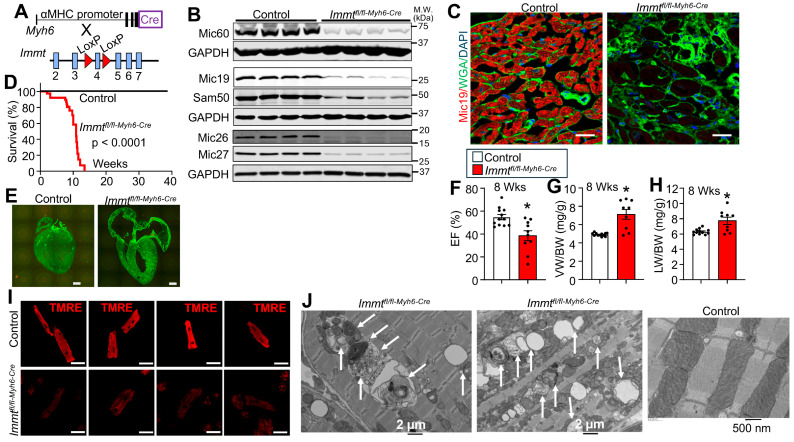 Figure 1
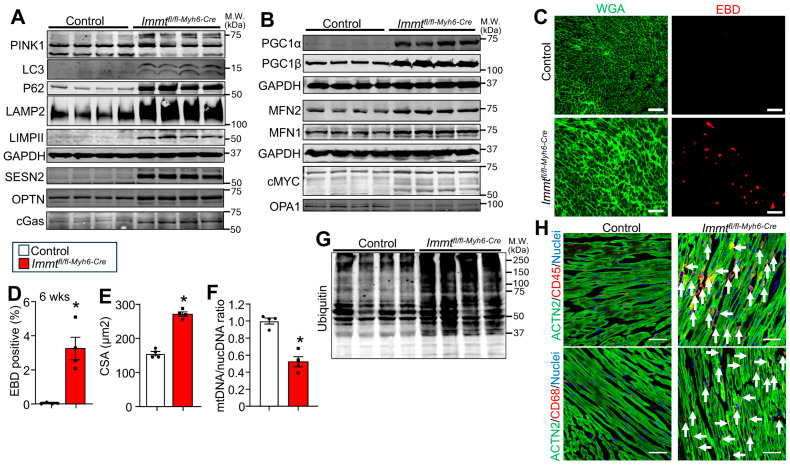 Figure 2
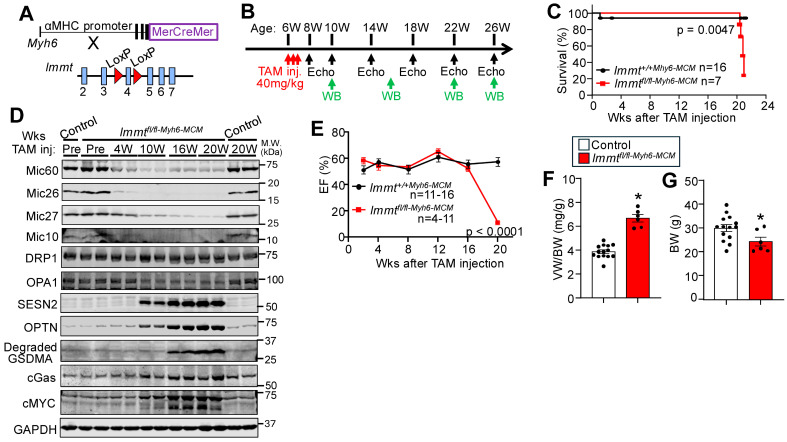 Figure 3
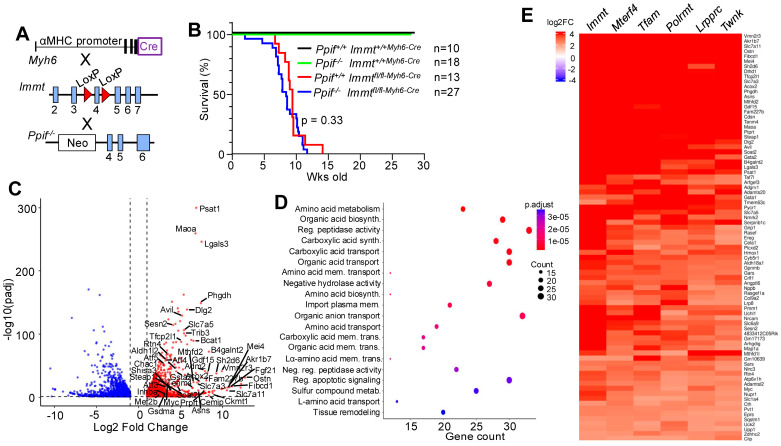 Figure 4
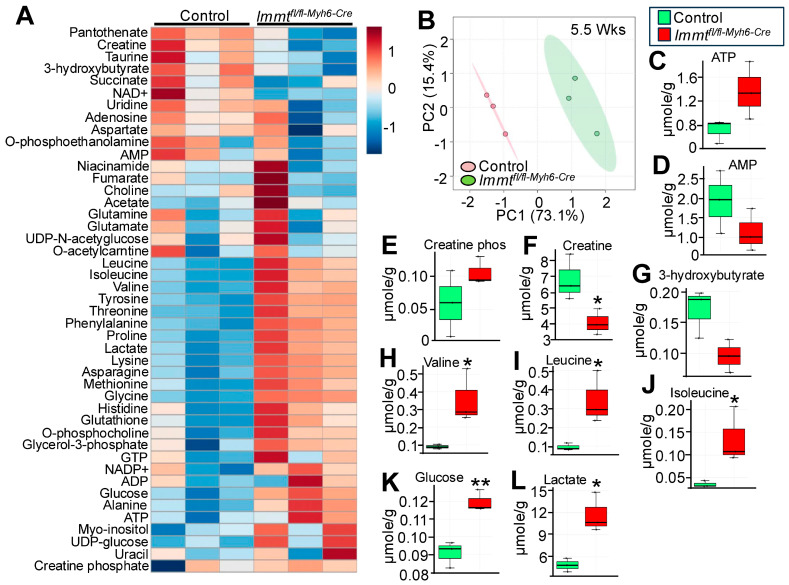 Figure 5
Peer Reviews
No public reviews on file for this paper yet. If you reviewed it on a platform where reviews are public (OpenReview, ICLR, NeurIPS, ICML), you can paste yours below so the community can read it here.
Videos
No videos yet. Explain this paper in a talk, walkthrough, or lecture? Add one.
Taxonomy
TopicsMitochondrial Function and Pathology · GDF15 and Related Biomarkers · Adipose Tissue and Metabolism