Double Zona Drilling for Trophectoderm Biopsy: A Safe Strategy When Inner Cell Mass Herniates
En-Hui Cheng, Yi-Pin Lin, Maw-Sheng Lee, Chi-Ying Lee, Pin-Yao Lin, Chun-Chia Huang, Wei-Che Lo, Chung-I Chen, Ming-Jer Chen, Chun-I Lee

TL;DR
A new method for embryo biopsy safely adjusts the biopsy site when the inner cell mass moves, without affecting pregnancy or birth outcomes.
Contribution
Proposes a double zona drilling strategy for trophectoderm biopsy when inner cell mass herniates, showing it is safe and effective.
Findings
Double zona drilling had similar implantation and live birth rates as single-opening biopsies.
No significant differences in miscarriage or obstetric outcomes between the two methods.
Fifteen healthy infants were born using the double-opening strategy.
Abstract
Background/Objectives: Laser-assisted zona pellucida (ZP) drilling on day 4 embryos is routinely performed in IVF laboratories to facilitate trophectoderm (TE) herniation for blastocyst biopsy. Nevertheless, inner cell mass (ICM) herniation through the initial ZP opening occasionally occurs and may interfere with standard TE biopsy. Methods: This retrospective study assessed the clinical and obstetric safety of a double ZP drilling strategy for TE biopsy in preimplantation genetic testing for aneuploidy (PGT-A) cycles. A total of 560 single euploid embryo transfer cycles were analyzed. Blastocysts were categorized (Groups 1–6) based on ICM/TE herniation patterns and the corresponding biopsy approach. Clinical outcomes were compared between cycles undergoing TE biopsy through a single ZP opening (TE hatching with ICM remaining within the ZP) and cycles requiring a second opening to…
Genes, proteins, chemicals, diseases, species, mutations and cell lines named across the full text — each resolved to its canonical identifier and authoritative record.
Click any figure to enlarge with its caption.
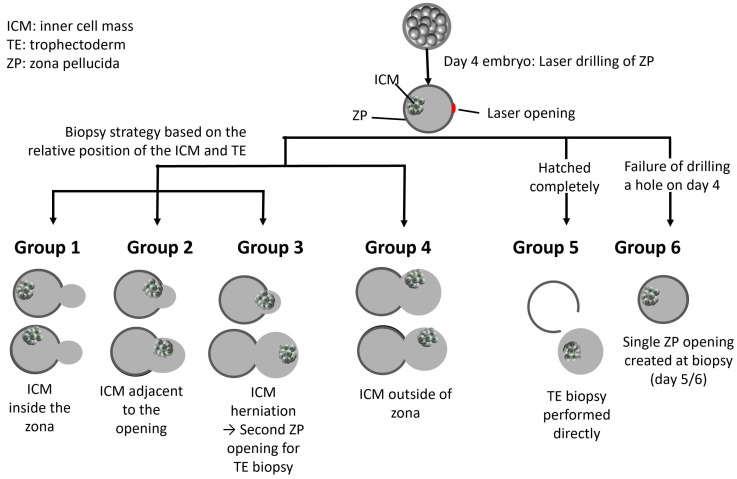 Figure 1
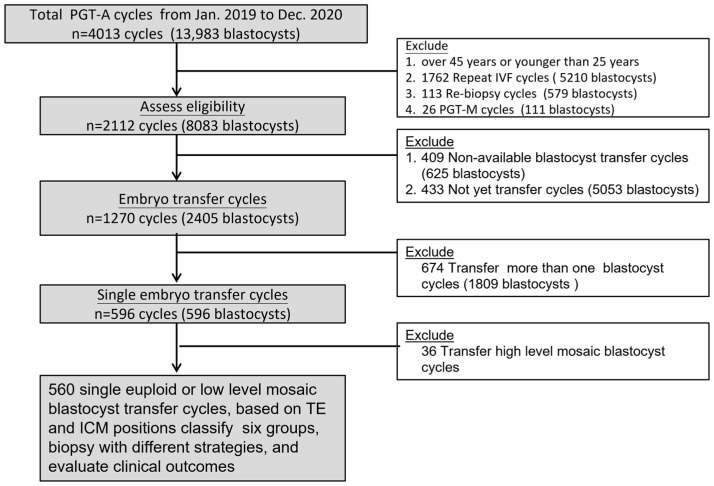 Figure 2
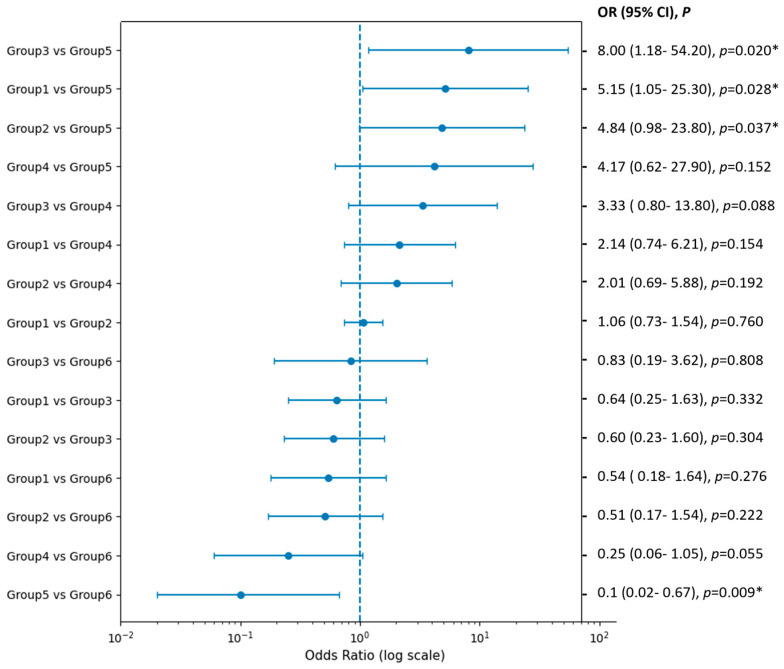 Figure 3
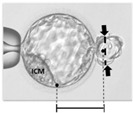 Figure 4
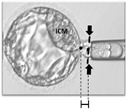 Figure 5
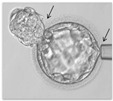 Figure 6
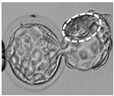 Figure 7
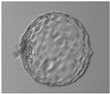 Figure 8
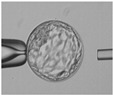 Figure 9
Peer Reviews
No public reviews on file for this paper yet. If you reviewed it on a platform where reviews are public (OpenReview, ICLR, NeurIPS, ICML), you can paste yours below so the community can read it here.
Videos
No videos yet. Explain this paper in a talk, walkthrough, or lecture? Add one.
Taxonomy
TopicsPrenatal Screening and Diagnostics · Reproductive Biology and Fertility · Assisted Reproductive Technology and Twin Pregnancy