Establishment of an Immortalized Canine Hippocampal Neural Stem Cell Line via SV40LT Retroviral Transduction
Yankun Ke, Zixin Li, Huaiyu Wang, Yixuan Zhang, Shiyu Xu, Longlong Zhang

TL;DR
Scientists created a long-lasting dog neural stem cell line that can be used to study brain diseases and potential treatments.
Contribution
The novel contribution is the successful establishment of an immortalized canine hippocampal neural stem cell line using SV40LT retroviral transduction.
Findings
The immortalized NSC line can be passaged indefinitely while maintaining a normal karyotype.
Both immortalized and normal NSCs differentiate into neuronal and glial lineages under induced conditions.
The line provides a valuable tool for studying neural differentiation and neurological disorders in dogs.
Abstract
Dogs represent a promising animal model for analyzing human neurodegenerative diseases, owing to their similarities to humans in nervous system architecture and behavioral phenotypes. Neural stem cells (NSCs) serve as a highly valuable in vitro experimental model for investigating neurogenesis, neurodegenerative disease pathogenesis, and neural molecular biology; however, studies on immortalized canine neural stem cell lines remain scarce. Herein, we successfully established an immortalized canine hippocampal neural stem cell line that can be continuously passaged in vitro via SV40 large T antigen (SV40LT) viral infection and subsequent cellular transformation. Both the immortalized NSCs and their normal parental counterparts differentiated into neuronal and glial lineages under induced differentiation conditions. Normal canine hippocampal NSCs can be passaged for no more than 10…
Genes, proteins, chemicals, diseases, species, mutations and cell lines named across the full text — each resolved to its canonical identifier and authoritative record.
Click any figure to enlarge with its caption.
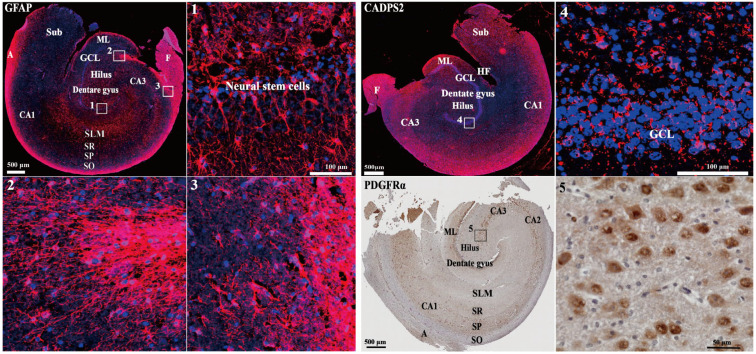 Figure 1
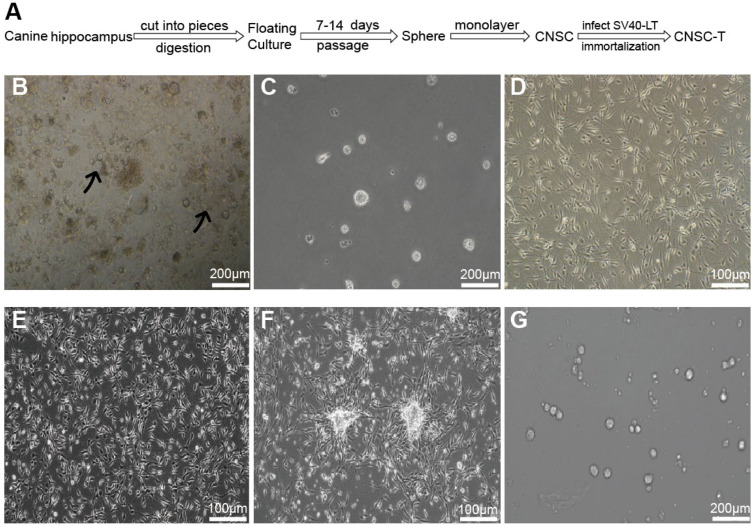 Figure 2
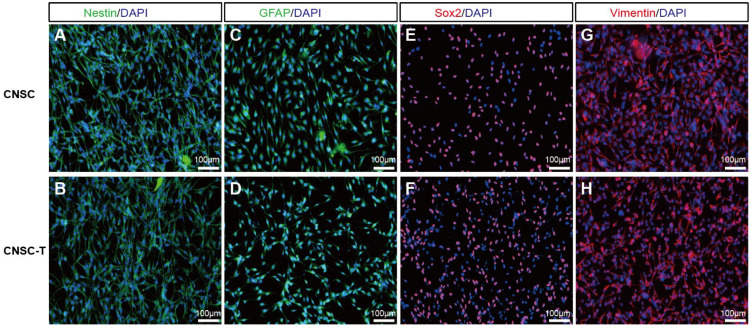 Figure 3
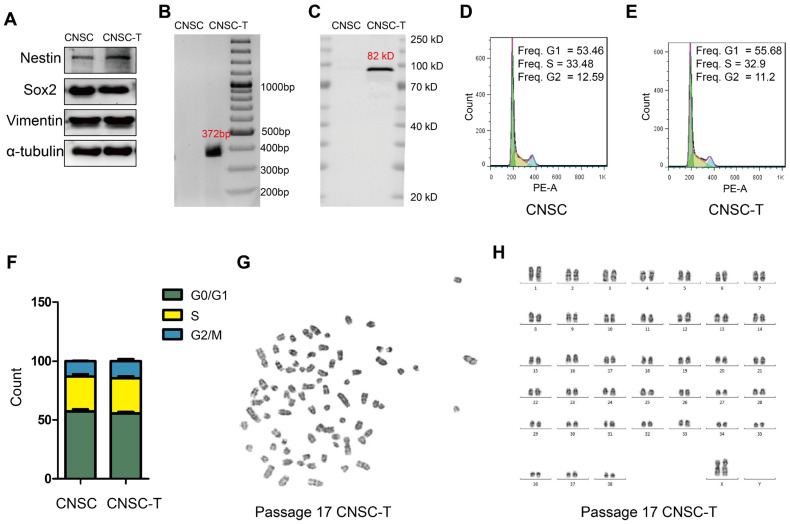 Figure 4
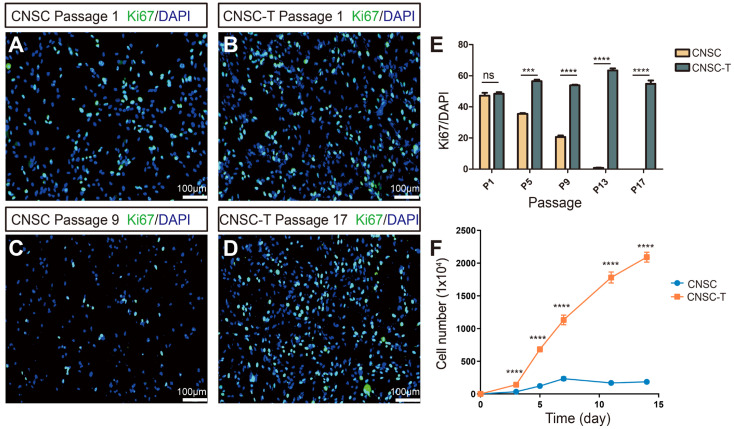 Figure 5
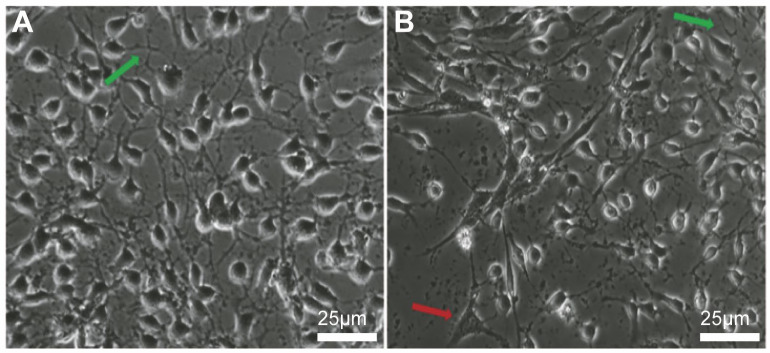 Figure 6
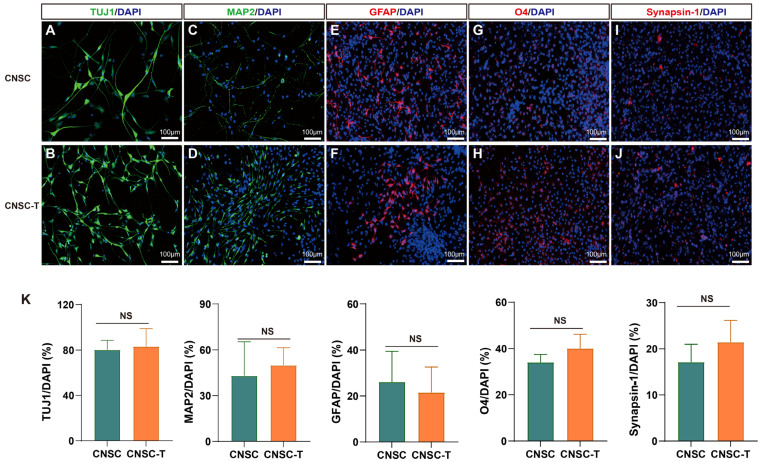 Figure 7
Peer Reviews
No public reviews on file for this paper yet. If you reviewed it on a platform where reviews are public (OpenReview, ICLR, NeurIPS, ICML), you can paste yours below so the community can read it here.
Videos
No videos yet. Explain this paper in a talk, walkthrough, or lecture? Add one.
Taxonomy
TopicsNeurogenesis and neuroplasticity mechanisms · Human-Animal Interaction Studies · Neurological diseases and metabolism