Multiscale Interactome–Guided Prioritization of Candidate Herbs and Active Compounds for Hepatic Cirrhosis Using a Biased Random Walk Algorithm
Jun-ho Lee, Seon-Been Bak, Won-Yung Lee, Yun-Kyung Kim

TL;DR
This paper uses a multiscale network approach to identify promising herbs and compounds for treating liver cirrhosis, focusing on inflammation and immune pathways.
Contribution
A novel multiscale interactome framework with a biased random walk algorithm to prioritize underexplored herbal candidates for hepatic cirrhosis.
Findings
Top-ranked herbs like Magnoliae Cortex and Notoginseng Radix et Rhizoma are supported by existing literature.
Underexplored herbs such as Saposhnikoviae Radix and Fritillariae Cirrhosae Bulbus were identified as potential candidates.
Enrichment analyses linked candidates to inflammatory, immune, and apoptosis-related pathways.
Abstract
Hepatic cirrhosis is a progressive chronic liver disease driven by sustained inflammation, cell death, and tissue remodeling, and effective disease-modifying options remain limited. Here, we applied a multiscale interactome framework to prioritize candidate herbs and active compounds for hepatic cirrhosis. Herb–compound associations were collected from the OASIS database and mapped to experimentally supported compound–target interactions (DrugBank/TTD/STITCH), while cirrhosis-related proteins were curated from DisGeNET. Using a biased random-walk algorithm, we generated disease and herb/compound diffusion profiles on the multiscale network and ranked candidates by profile similarity and target overlap. Among the top-ranked herbs, Magnoliae Cortex, Notoginseng Radix et Rhizoma, Polygoni Cuspidati Rhizoma et Radix, and Capsici Fructus were supported by prior literature, whereas several…
Genes, proteins, chemicals, diseases, species, mutations and cell lines named across the full text — each resolved to its canonical identifier and authoritative record.
Click any figure to enlarge with its caption.
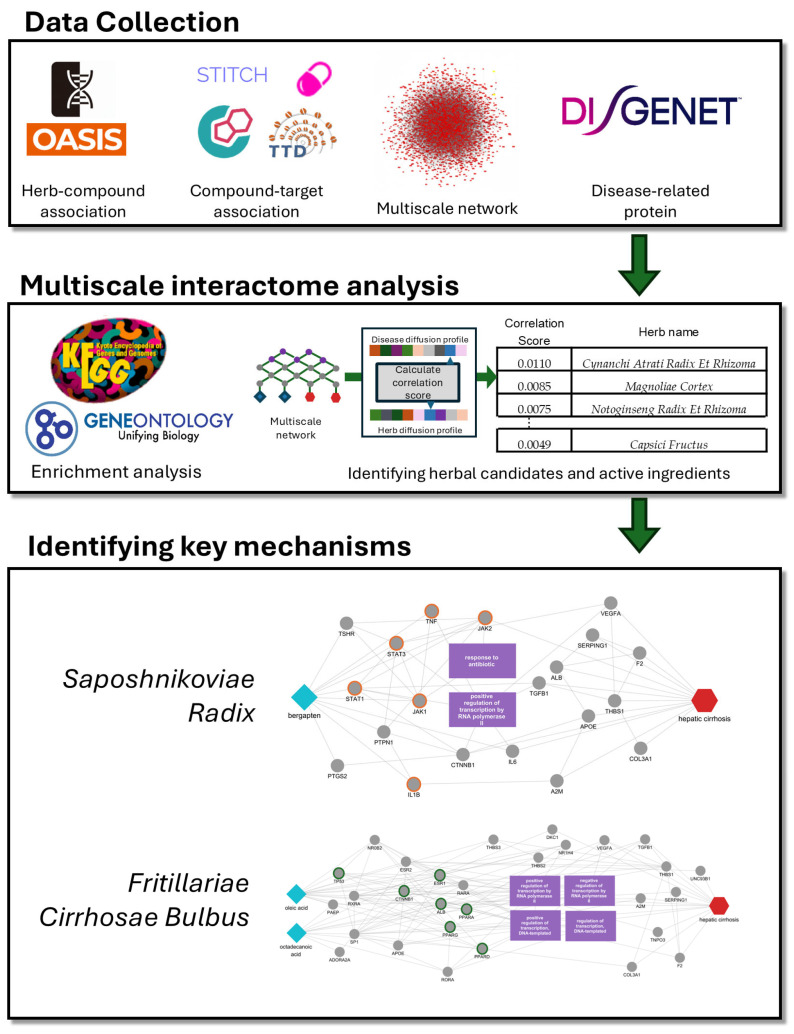 Figure 1
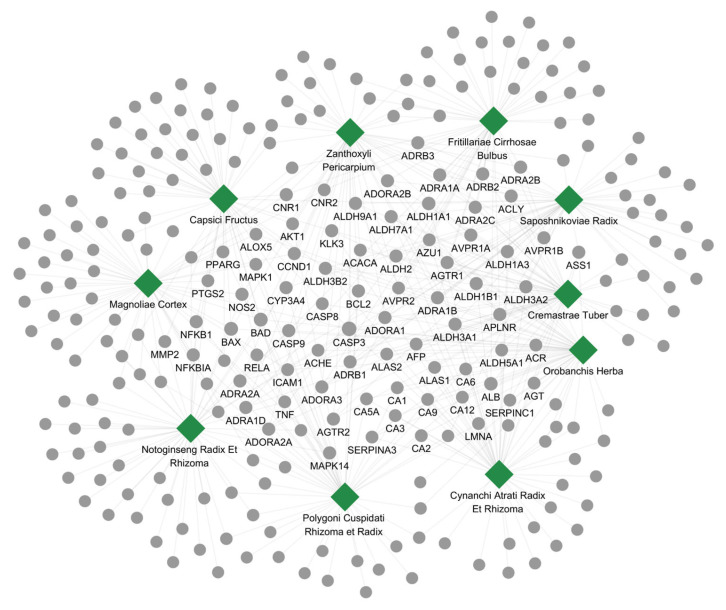 Figure 2
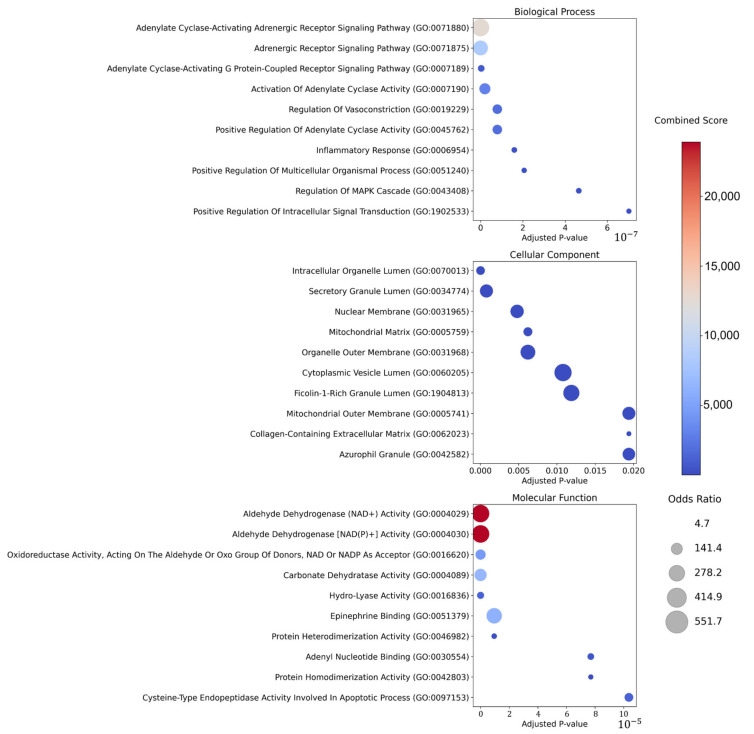 Figure 3
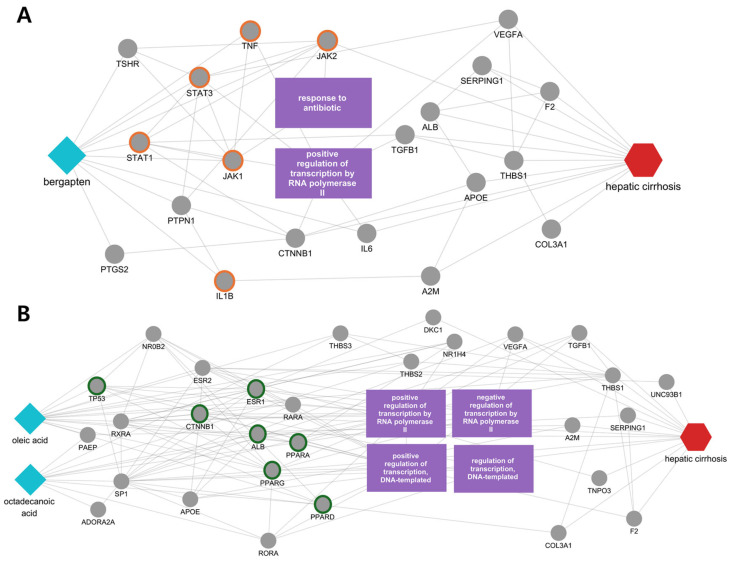 Figure 4
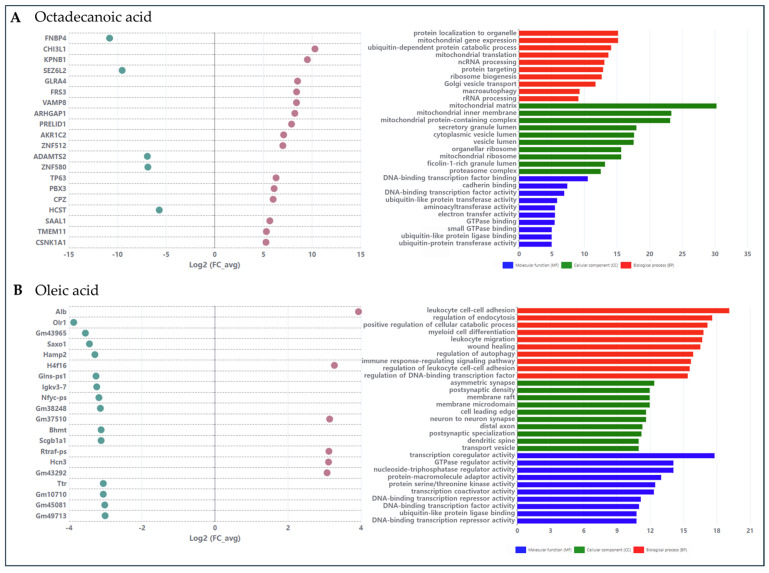 Figure 5
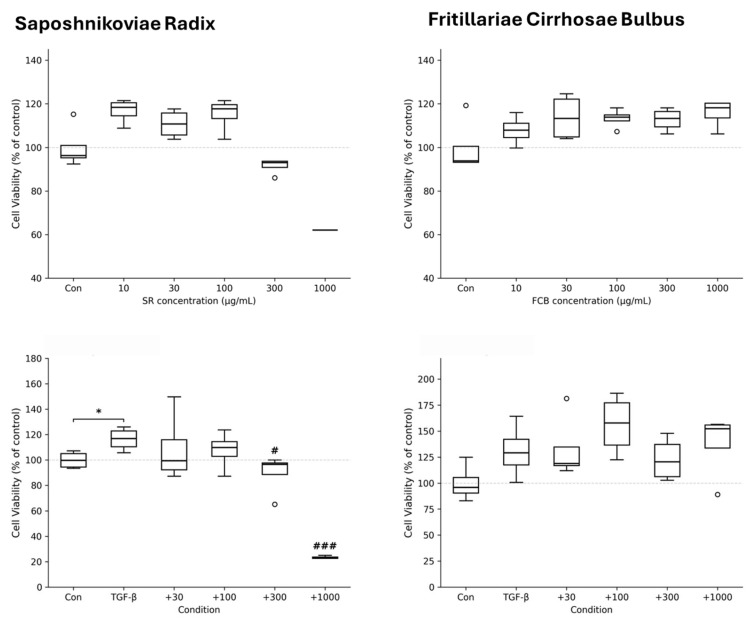 Figure 6
Peer Reviews
No public reviews on file for this paper yet. If you reviewed it on a platform where reviews are public (OpenReview, ICLR, NeurIPS, ICML), you can paste yours below so the community can read it here.
Videos
No videos yet. Explain this paper in a talk, walkthrough, or lecture? Add one.
Taxonomy
TopicsGinseng Biological Effects and Applications · Magnolia and Illicium research · Traditional Chinese Medicine Analysis