Pediatric Cholestasis: A Practical Approach to Histological Diagnosis
Francesca Arienzo, Silvia Vallese, Isabella Giovannoni, Andrea Pietrobattista, Marco Spada, Rita Alaggio, Paola Francalanci

TL;DR
This paper provides a practical guide for diagnosing pediatric cholestasis, focusing on histological features and real clinical cases to help identify treatable causes.
Contribution
The paper introduces a simplified diagnostic approach to pediatric cholestasis using real clinical examples and histological insights.
Findings
Pediatric cholestasis requires prompt evaluation to prevent irreversible liver damage.
Liver biopsy interpretation in infants is challenging but crucial for diagnosis.
A multidisciplinary approach is essential for identifying the underlying causes of cholestasis.
Abstract
Pediatric (neonatal and infantile) jaundice resulting from underlying cholestasis (caused by conjugated hyperbilirubinemia) is always pathological and requires prompt evaluation. Pediatric cholestasis can be caused by medical or surgical factors and, if left untreated, can lead to irreversible liver damage. Timely recognition of pediatric cholestasis and identification of the underlying etiology are paramount to improve outcomes. The broad spectrum of causes potentially underlying pediatric cholestasis requires a multidisciplinary diagnostic approach, and each aspect must be interpreted in the concomitant clinical picture. A liver biopsy is one component of a complex diagnostic puzzle. However, interpreting a liver biopsy performed on a newborn/infant with conjugated/direct hyperbilirubinemia can be a challenging task, as these biopsies are rarely encountered in general hospitals. The…
Genes, proteins, chemicals, diseases, species, mutations and cell lines named across the full text — each resolved to its canonical identifier and authoritative record.
Click any figure to enlarge with its caption.
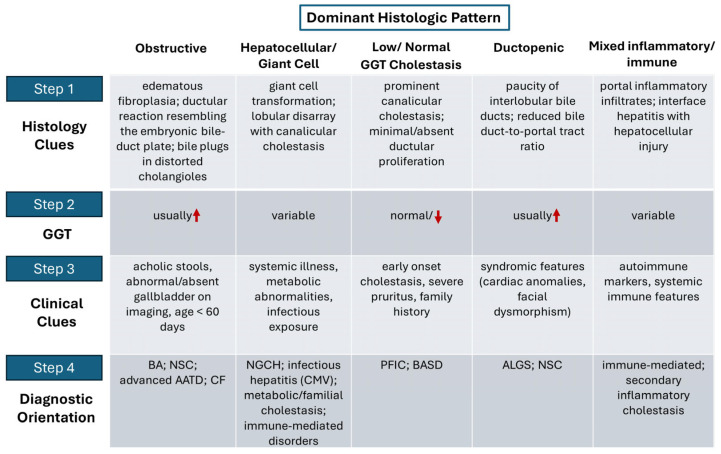 Figure 1
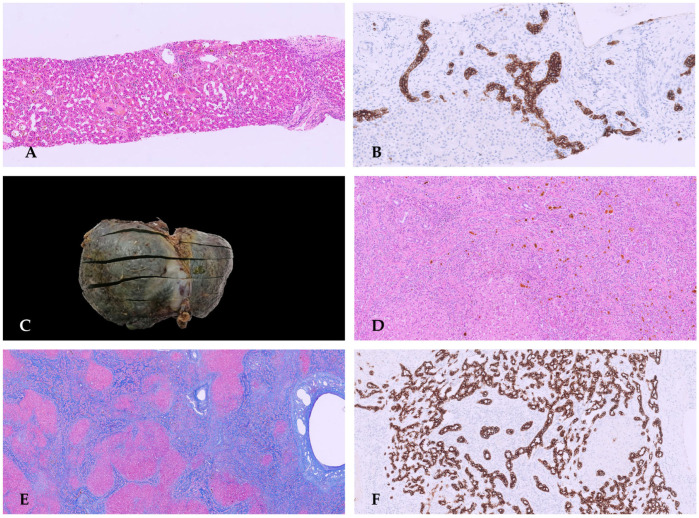 Figure 2
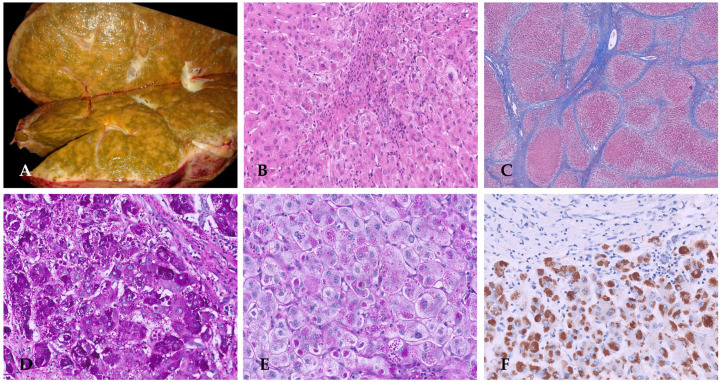 Figure 3
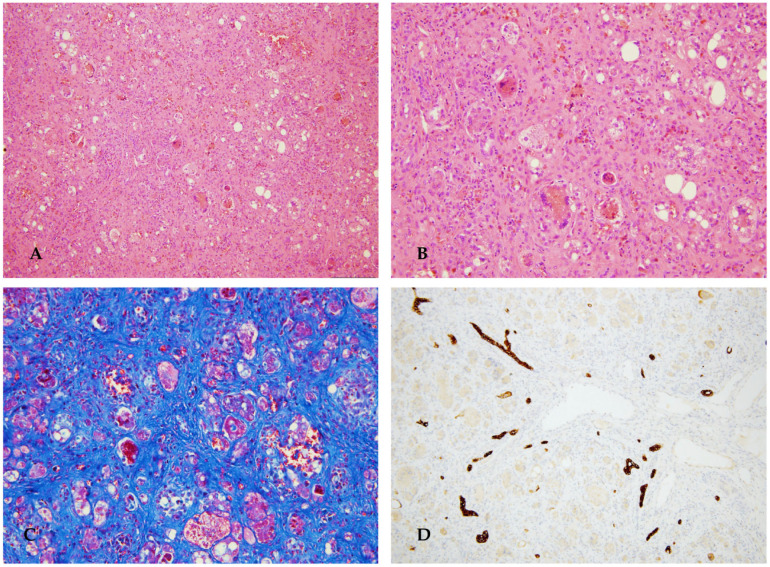 Figure 4
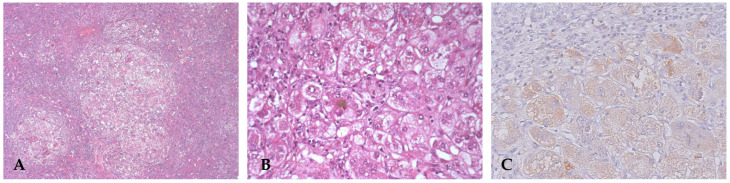 Figure 5
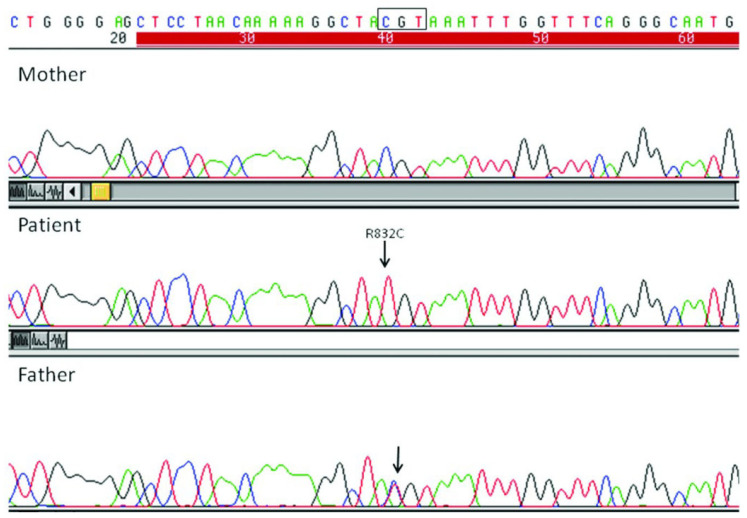 Figure 6
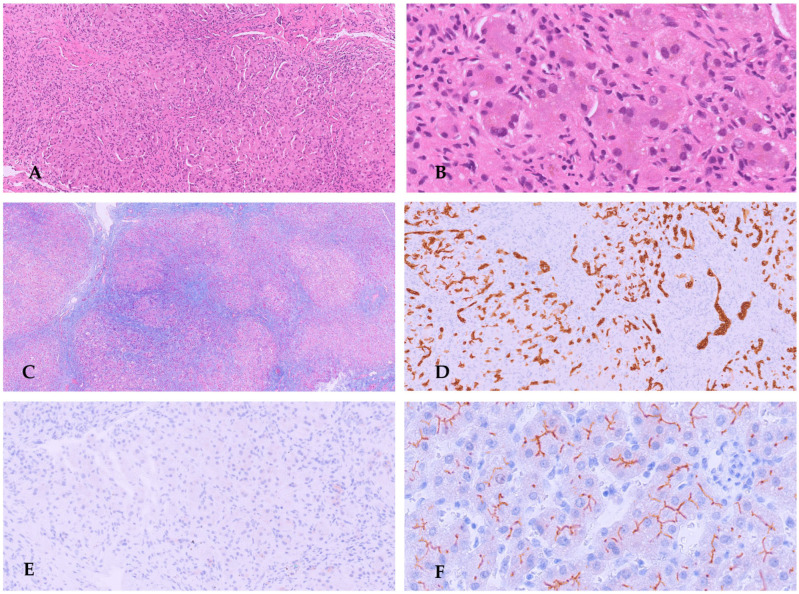 Figure 7
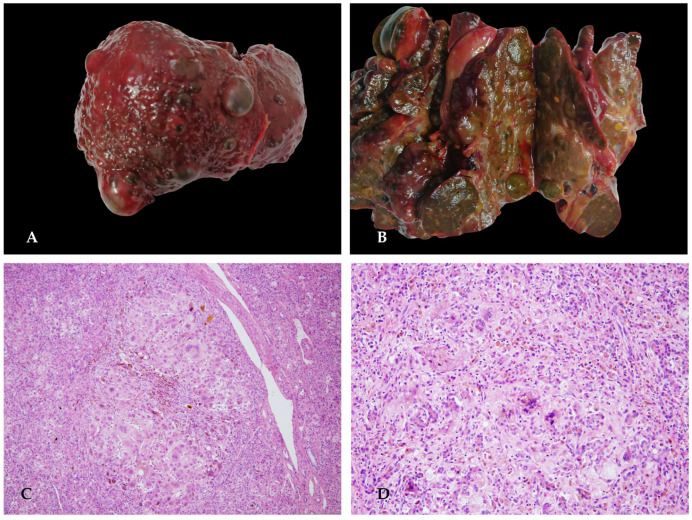 Figure 8
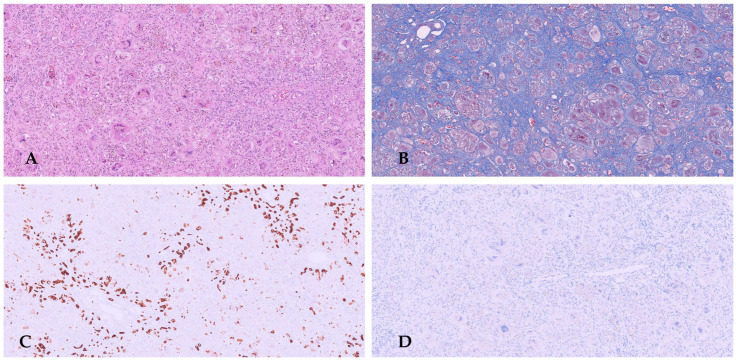 Figure 9
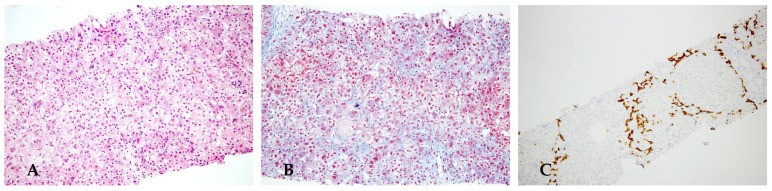 Figure 10
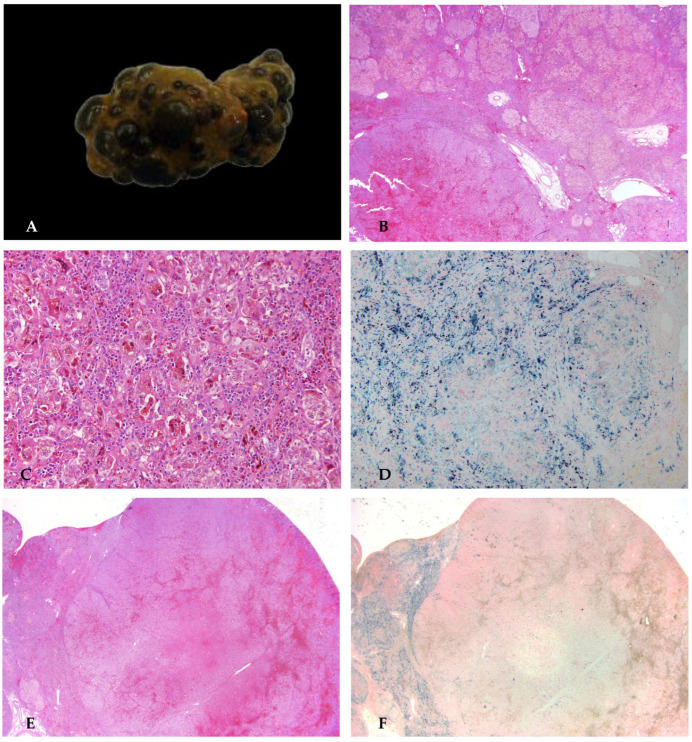 Figure 11
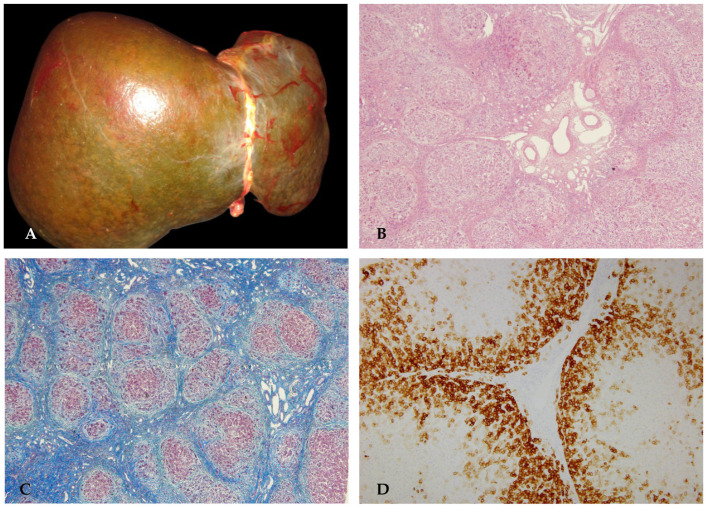 Figure 12
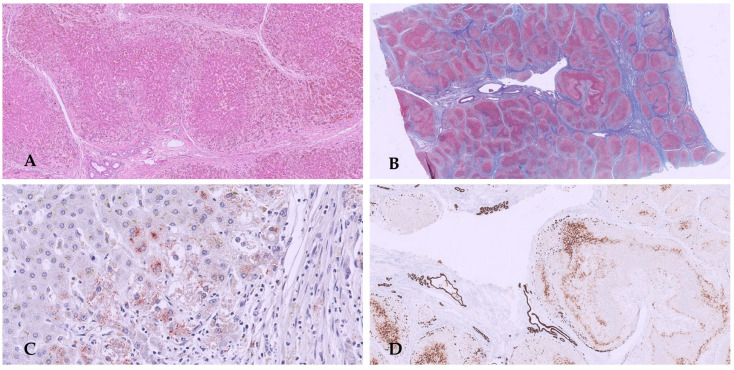 Figure 13
 Figure 14
 Figure 15
Peer Reviews
No public reviews on file for this paper yet. If you reviewed it on a platform where reviews are public (OpenReview, ICLR, NeurIPS, ICML), you can paste yours below so the community can read it here.
Videos
No videos yet. Explain this paper in a talk, walkthrough, or lecture? Add one.
Taxonomy
TopicsPediatric Hepatobiliary Diseases and Treatments · Drug Transport and Resistance Mechanisms · Neonatal Health and Biochemistry