Role of Aspartate in Immune Response and Mortality in a Polymicrobial Sepsis Model: Insights from Metabolomics and Transcriptomics
Min Ji Lee, Bo Mi Kim, Se Rin Choi, Seongmin Kim, Ye Jin Park, Yun-Seok Kim, Kihwan Choi, Chang June Yune, Tae Nyoung Chung, Jinkun Bae, Nam Joo Yun, Jiwon Jeon, Han A Reum Lee, Jiewan Kim, Dong-Hyuk Kim, Ji Heon Noh, Chungoo Park, Sangchun Choi, Choong Hwan Lee, Kyuseok Kim

TL;DR
This study shows that low aspartate levels in immune cells during sepsis are linked to immune failure and that supplementing aspartate improves survival and immune function in septic rats and humans.
Contribution
The study identifies intracellular aspartate as a novel biomarker and therapeutic target for immune suppression in sepsis.
Findings
Intracellular aspartate levels are reduced in immune cells during sepsis and correlate with immune paralysis.
Supplementing aspartate with LOLA improves survival, bacterial clearance, and kidney function in septic rats.
Sepsis patients have lower intracellular aspartate levels in PBMCs compared to healthy individuals.
Abstract
Sepsis is a life-threatening syndrome characterized by dysregulated host responses to infection. In addition to early hyperinflammation, many patients develop profound immune suppression, and multiple targeted immunotherapies have failed to improve outcomes, highlighting the need for actionable biomarkers and new therapeutic strategies. Here, we integrated metabolomic and transcriptomic profiling of peripheral blood mononuclear cells (PBMCs) and splenocytes in rat models of polymicrobial sepsis to identify metabolites associated with immune dysfunction. Candidate findings were validated using in vivo supplementation studies and in vitro functional assays, and clinical relevance was assessed in PBMCs from patients with sepsis and healthy volunteers. Across omics datasets, intracellular aspartate (ASP) was consistently reduced in immune cells during sepsis and was associated with features…
Genes, proteins, chemicals, diseases, species, mutations and cell lines named across the full text — each resolved to its canonical identifier and authoritative record.
Click any figure to enlarge with its caption.
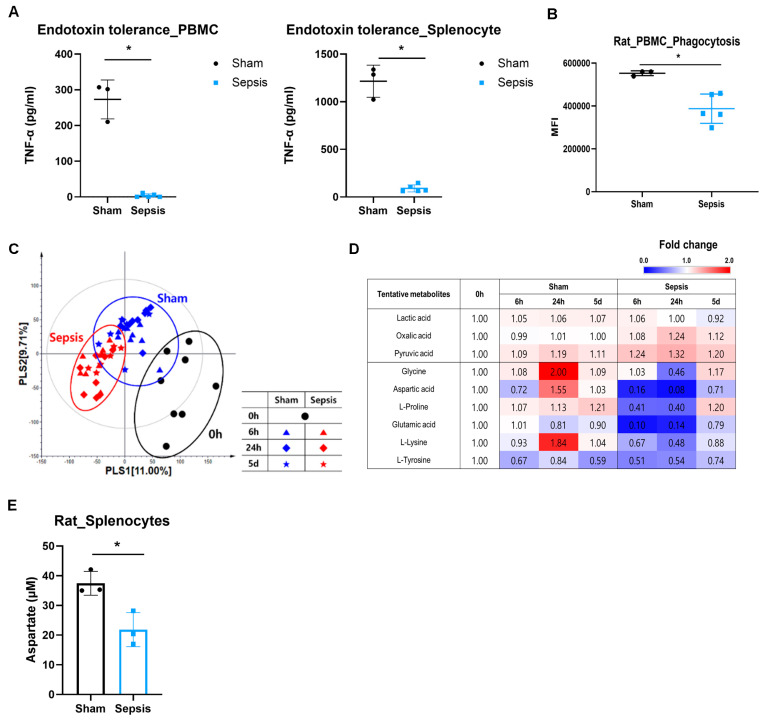 Figure 1
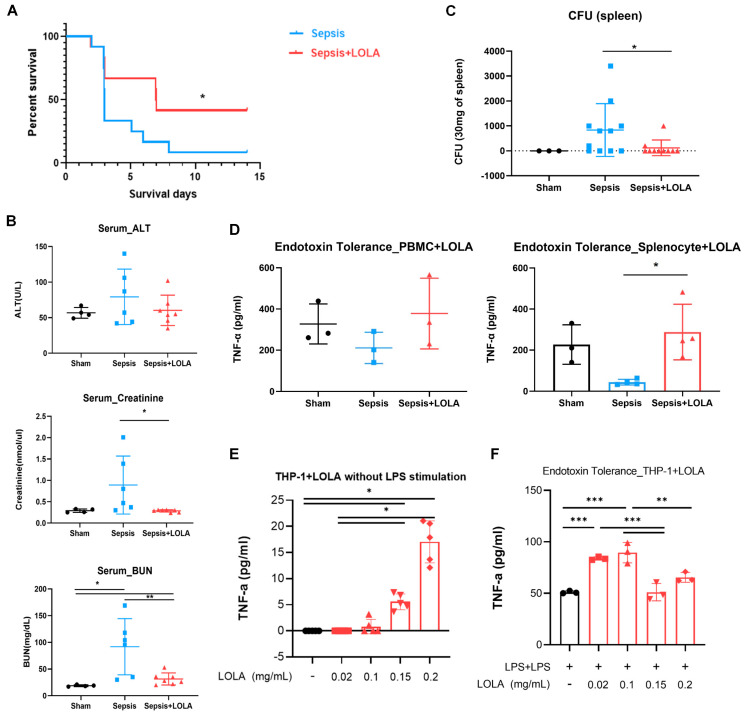 Figure 2
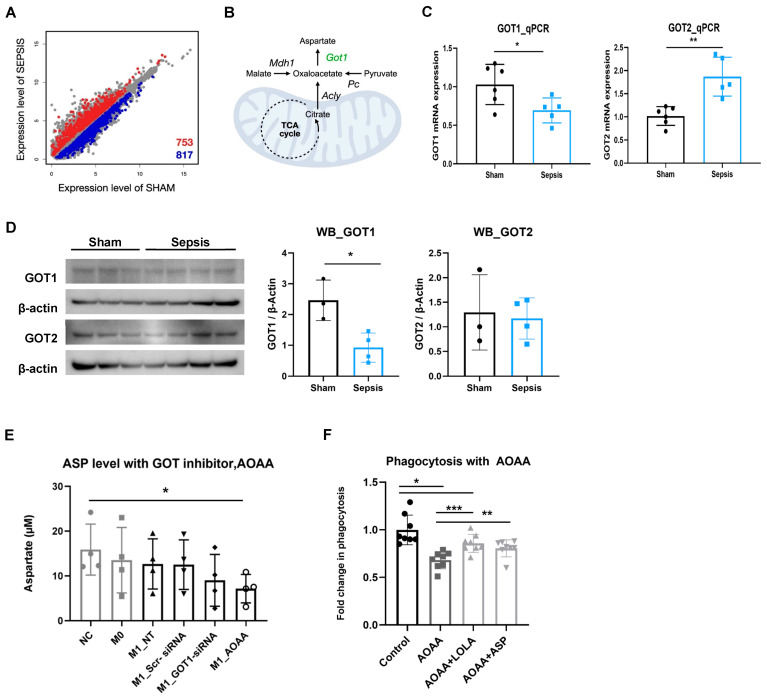 Figure 3
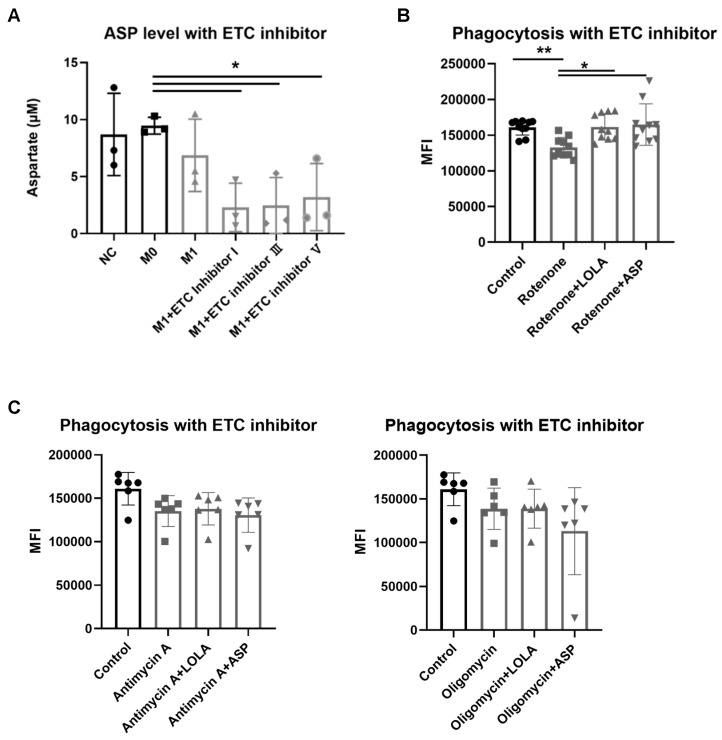 Figure 4
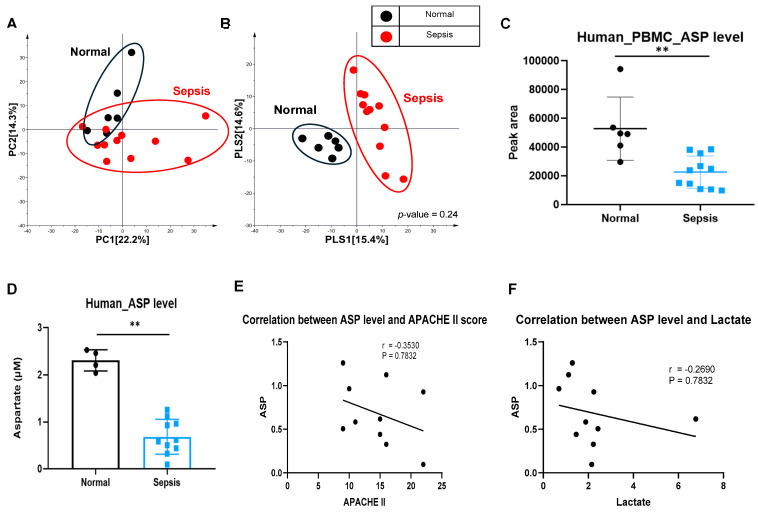 Figure 5
Peer Reviews
No public reviews on file for this paper yet. If you reviewed it on a platform where reviews are public (OpenReview, ICLR, NeurIPS, ICML), you can paste yours below so the community can read it here.
Videos
No videos yet. Explain this paper in a talk, walkthrough, or lecture? Add one.
Taxonomy
TopicsMetabolomics and Mass Spectrometry Studies · Immune Response and Inflammation · Gut microbiota and health