Clinical Applications of Orthodontic Mini-Implants in Orthodontic and Esthetic Practice: A Case Series Exploring Biomechanical Versatility
Teodora Consuela Bungău, Ada Radu, Gabriela Ciavoi

TL;DR
This paper shows how orthodontic mini-implants can be used in various ways to move teeth effectively and with minimal side effects.
Contribution
The study demonstrates the biomechanical versatility of mini-implants across multiple planes of tooth movement through clinical case analysis.
Findings
Mini-implants provided stable anchorage for complex three-dimensional tooth movements with minimal side effects.
Sequential reuse of mini-implants reduced treatment invasiveness and improved anchorage efficiency.
Combined skeletal expansion and posterior intrusion enhanced control in adult open-bite cases.
Abstract
Background/Objectives: Orthodontic mini-implants have become indispensable in modern orthodontics due to their ability to provide absolute anchorage, independent of patient compliance. Our research aims to illustrate the versatility of mini-implants in addressing diverse biomechanical challenges across different planes of tooth movement (sagittal, transverse, and vertical) based on a retrospective clinical analysis. Methods: A retrospective analysis of orthodontic treatments performed with mini-implants (Dual Top and JS systems) was conducted, focusing on predefined biomechanical objectives and outcomes. The analysis encompassed distinct biomechanical applications, including incisor retraction and space closure using sequential direct and indirect anchorage; transverse and vertical correction of adult open bite through mini-implant–assisted rapid palatal expansion (MARPE) and molar…
Genes, proteins, chemicals, diseases, species, mutations and cell lines named across the full text — each resolved to its canonical identifier and authoritative record.
Click any figure to enlarge with its caption.
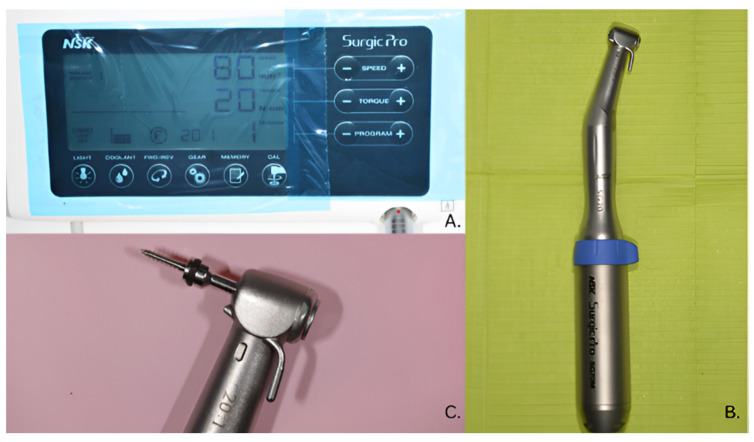 Figure 1
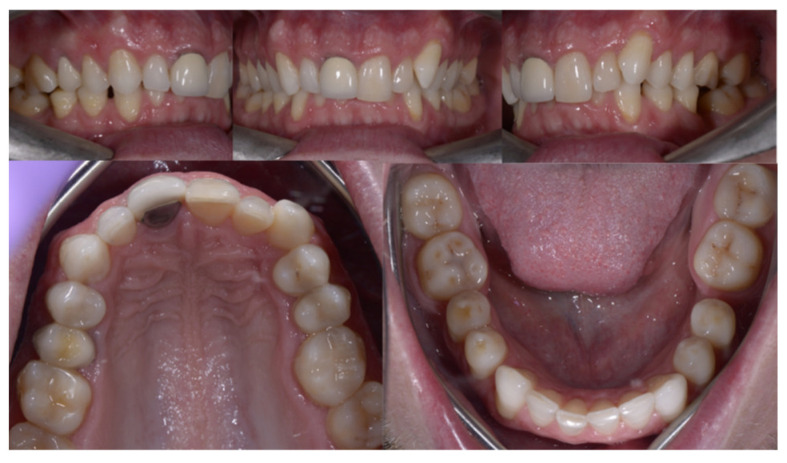 Figure 2
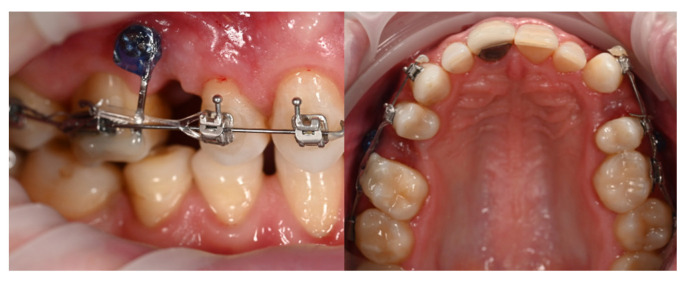 Figure 3
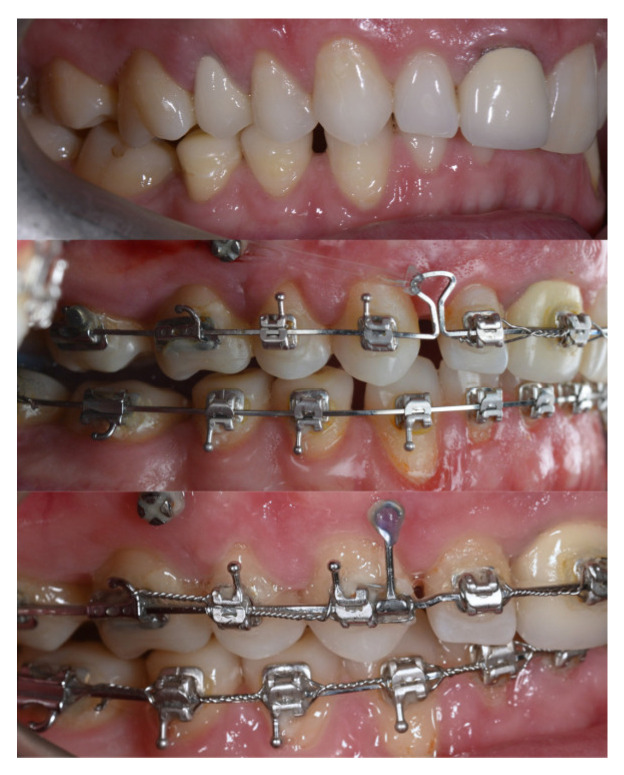 Figure 4
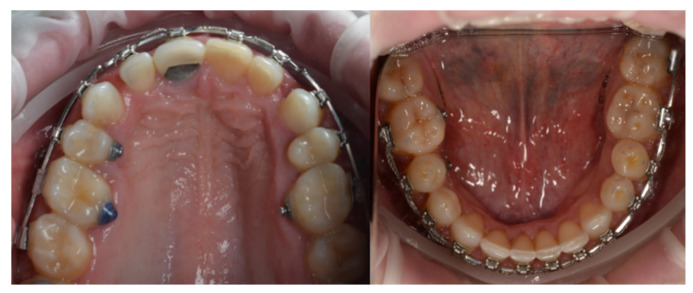 Figure 5
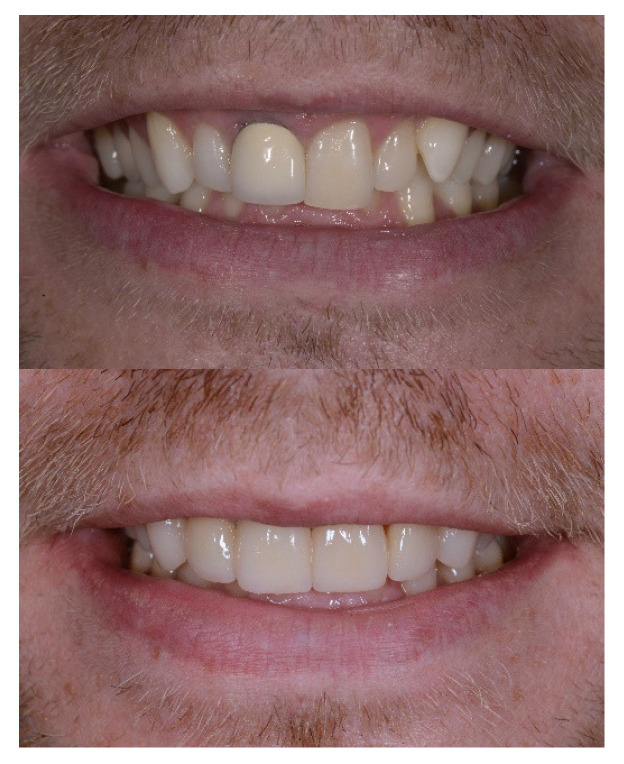 Figure 6
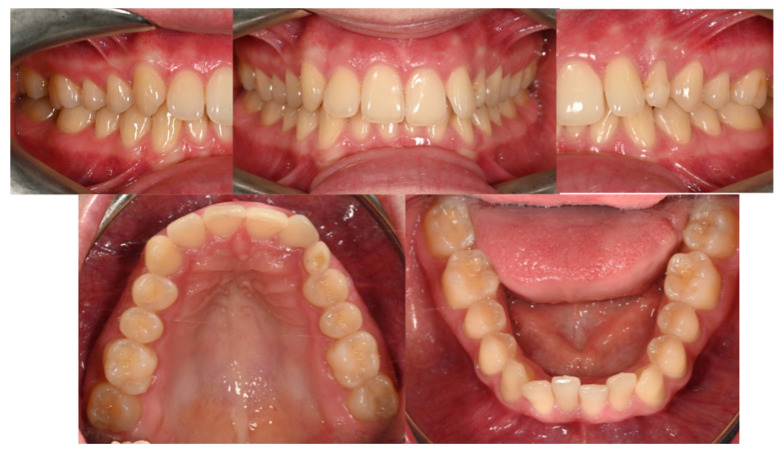 Figure 7
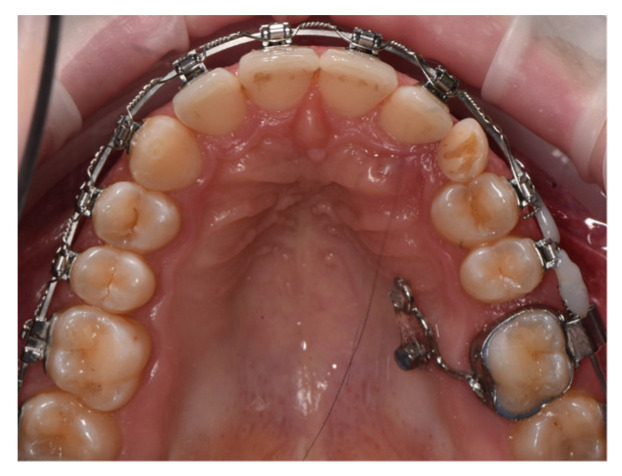 Figure 8
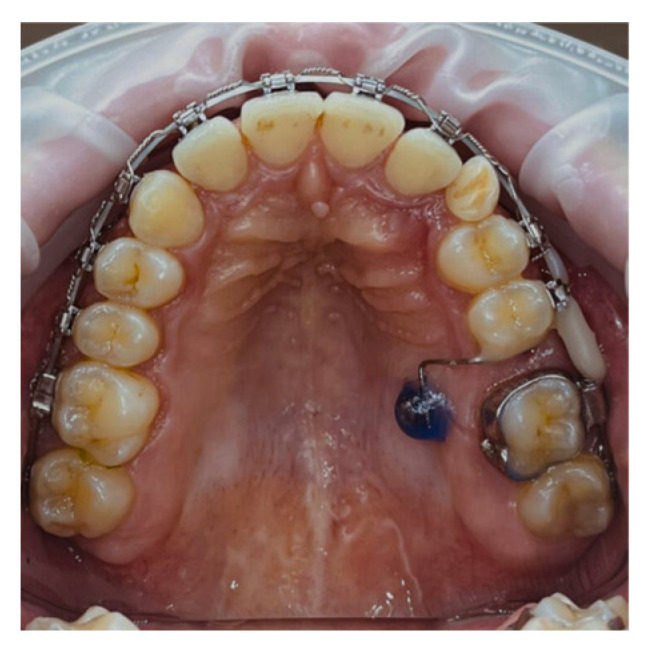 Figure 9
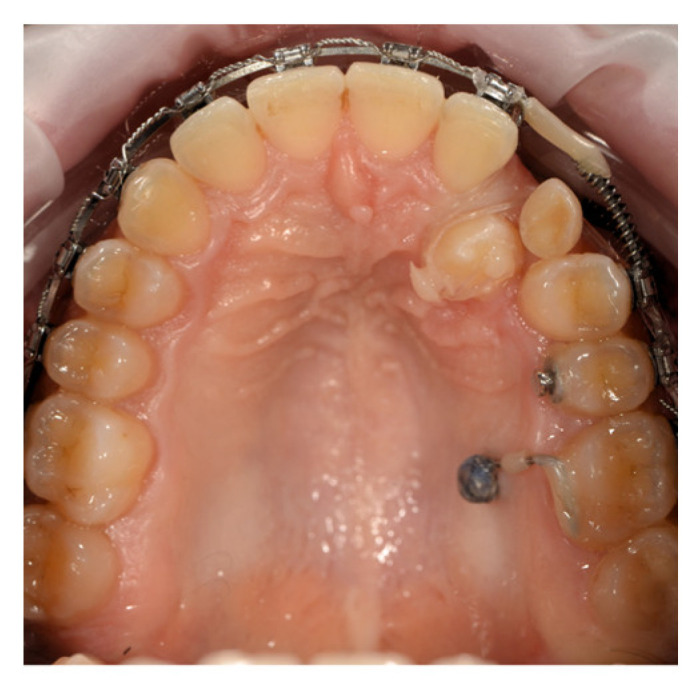 Figure 10
 Figure 11
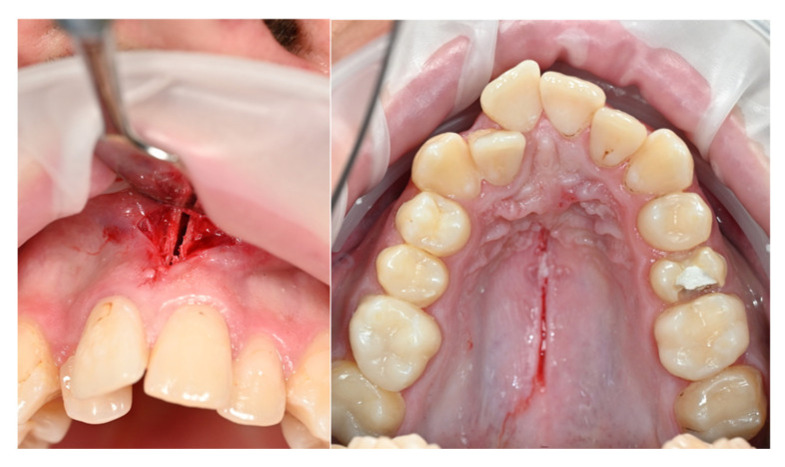 Figure 12
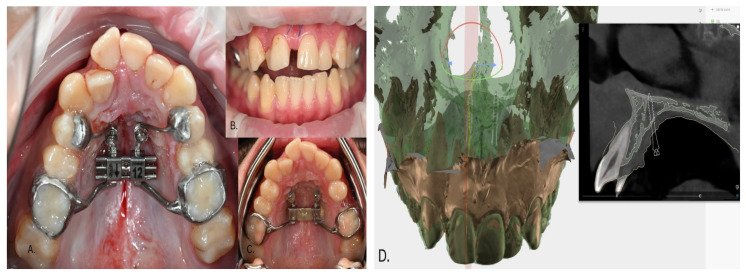 Figure 13
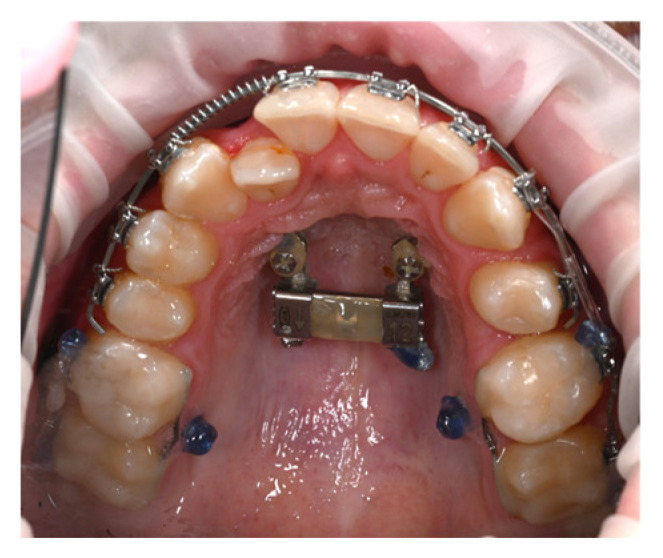 Figure 14
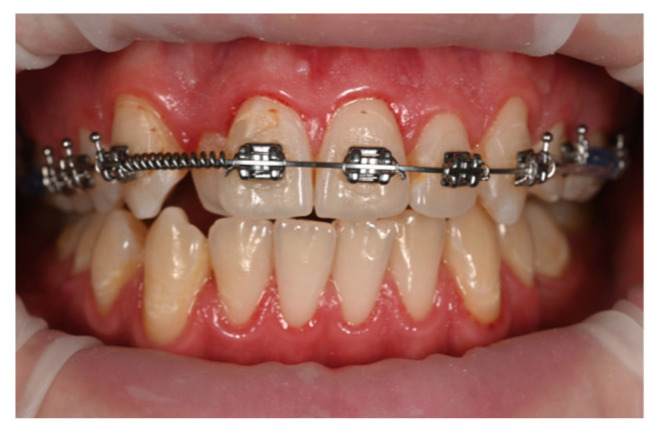 Figure 15
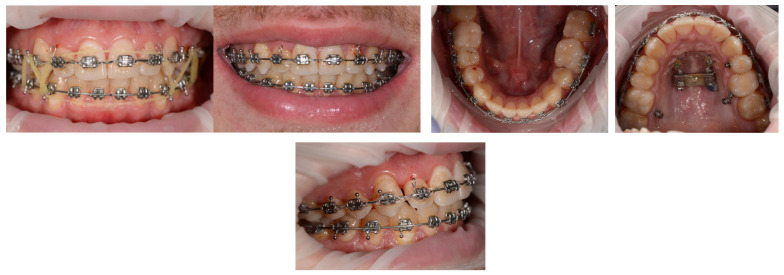 Figure 16
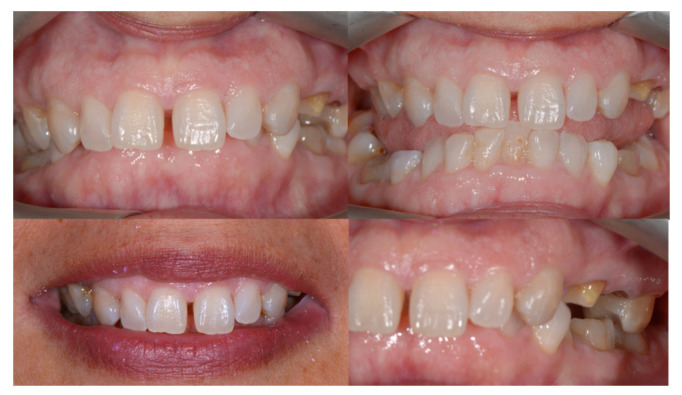 Figure 17
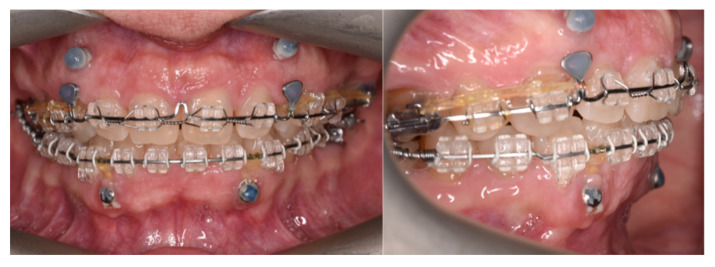 Figure 18
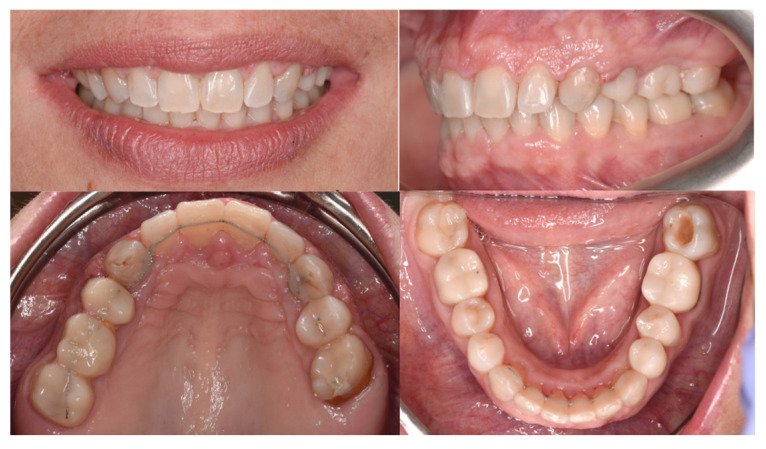 Figure 19
Peer Reviews
No public reviews on file for this paper yet. If you reviewed it on a platform where reviews are public (OpenReview, ICLR, NeurIPS, ICML), you can paste yours below so the community can read it here.
Videos
No videos yet. Explain this paper in a talk, walkthrough, or lecture? Add one.
Taxonomy
TopicsOrthodontics and Dentofacial Orthopedics · dental development and anomalies · Craniofacial Disorders and Treatments