Foot Weight-Bearing in Supported Standing: Influence of Verticalization Angles and Hip/Knee Flexion in Children and Adolescents with Cerebral Palsy (GMFCS IV-V)
Eva M. Steindl, René Althaus

TL;DR
This study shows that children with severe cerebral palsy can achieve meaningful foot weight-bearing during standing, even with hip and knee flexion, by adjusting verticalization angles.
Contribution
The study provides empirical evidence that hip/knee flexion does not prevent effective plantar loading, and identifies verticalization angle as the key factor.
Findings
Plantar loading increases progressively with higher verticalization angles, reaching >70% body weight at 60° in most flexion conditions.
Maximum plantar loading (96.4% BW) was observed at 90° verticalization with 30° hip/knee flexion.
Hip/knee flexion does not linearly reduce plantar loading; substantial loading remains even at 45° flexion.
Abstract
What are the main findings? Plantar loading increases progressively with higher verticalization angles, and clinically relevant loading (>70% body weight) is already achieved at approximately 60° verticalization in most hip/knee flexion conditions.Hip and knee flexion does not result in a linear reduction in plantar loading; substantial loading is maintained even at 45° flexion, with the highest loading observed at 90° verticalization and 30° hip/knee flexion. Plantar loading increases progressively with higher verticalization angles, and clinically relevant loading (>70% body weight) is already achieved at approximately 60° verticalization in most hip/knee flexion conditions. Hip and knee flexion does not result in a linear reduction in plantar loading; substantial loading is maintained even at 45° flexion, with the highest loading observed at 90° verticalization and 30° hip/knee…
Genes, proteins, chemicals, diseases, species, mutations and cell lines named across the full text — each resolved to its canonical identifier and authoritative record.
Click any figure to enlarge with its caption.
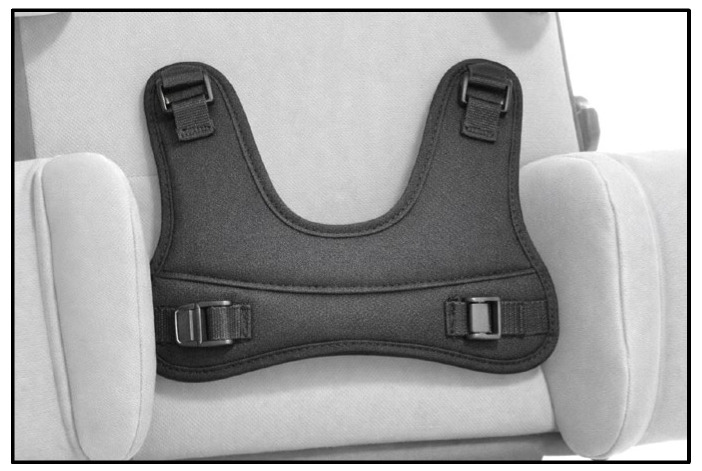 Figure 1
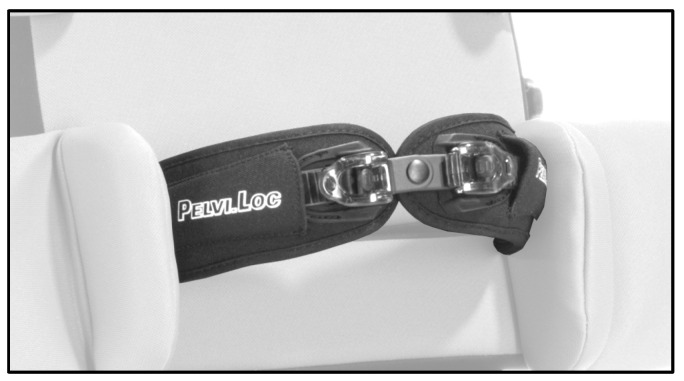 Figure 2
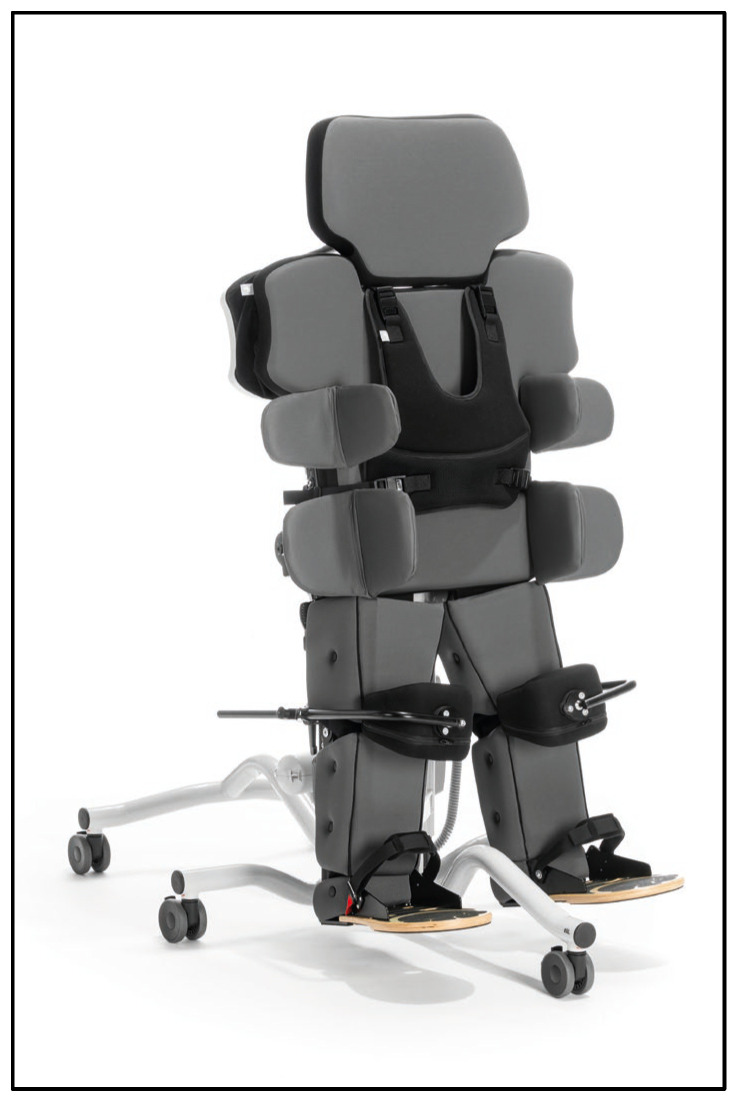 Figure 3
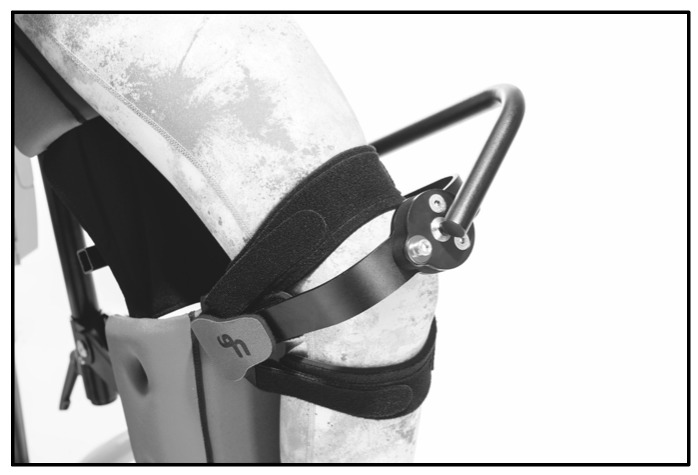 Figure 4
 Figure 5
 Figure 6
 Figure 7
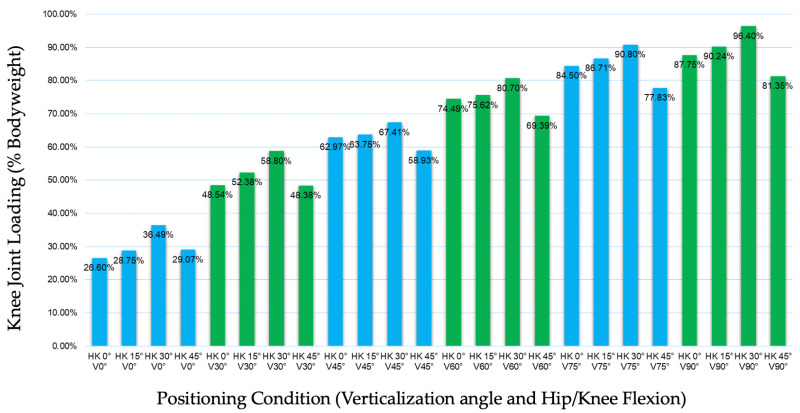 Figure 8
Peer Reviews
No public reviews on file for this paper yet. If you reviewed it on a platform where reviews are public (OpenReview, ICLR, NeurIPS, ICML), you can paste yours below so the community can read it here.
Videos
No videos yet. Explain this paper in a talk, walkthrough, or lecture? Add one.
Taxonomy
TopicsCerebral Palsy and Movement Disorders · Balance, Gait, and Falls Prevention · Foot and Ankle Surgery