Closing/Closed Gastroschisis (CGS): Antenatal Predictors and Surgical Strategies in Cases of Unique Anatomy from a Case Series
Dmitrii Morozov, Liza Vanyan, Mariia Morozova, Nadezhda Erokhina, Ellina Velichko, Olga Morozova, Maria Yagodkina, Vasily Shumikhin, Olga Mokrushina

TL;DR
This study identifies antenatal sonographic signs of intestinal obstruction as predictors of severe gastroschisis types and suggests staged surgery for better outcomes.
Contribution
The study introduces sonographic signs in the second trimester as a novel predictor for severe CGS and advocates for a staged surgical approach for type B.
Findings
Sonographic signs of intestinal obstruction in the second trimester predict severe CGS types (C and D) due to bowel vascular compromise.
Staged surgical approaches for CGS type B improve bowel length preservation and clinical recovery.
Patients with CGS types C and D had a 60% incidence of short bowel syndrome.
Abstract
What are the main findings? •The appearance of sonographic signs of intestinal obstruction in the second trimester may be a predictor for a high risk of subsequent significant vascular compromise of the eviscerated bowel, potentially leading to the more severe types of CGS (C and D).•For patients with CGS type B, a staged surgical approach is advisable to maximize bowel length preservation. The appearance of sonographic signs of intestinal obstruction in the second trimester may be a predictor for a high risk of subsequent significant vascular compromise of the eviscerated bowel, potentially leading to the more severe types of CGS (C and D). For patients with CGS type B, a staged surgical approach is advisable to maximize bowel length preservation. What are the implications of the main findings? •This research could enable the development of clear guidelines for intensified…
Genes, proteins, chemicals, diseases, species, mutations and cell lines named across the full text — each resolved to its canonical identifier and authoritative record.
Click any figure to enlarge with its caption.
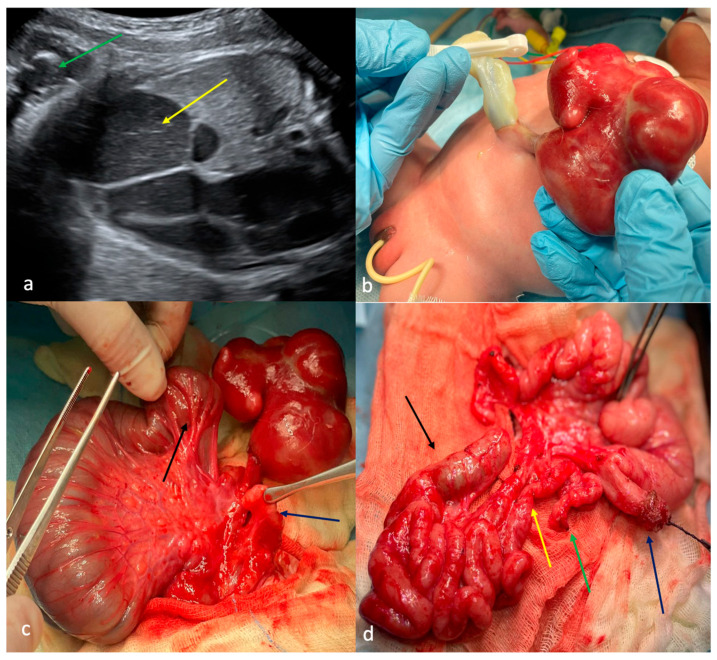 Figure 1
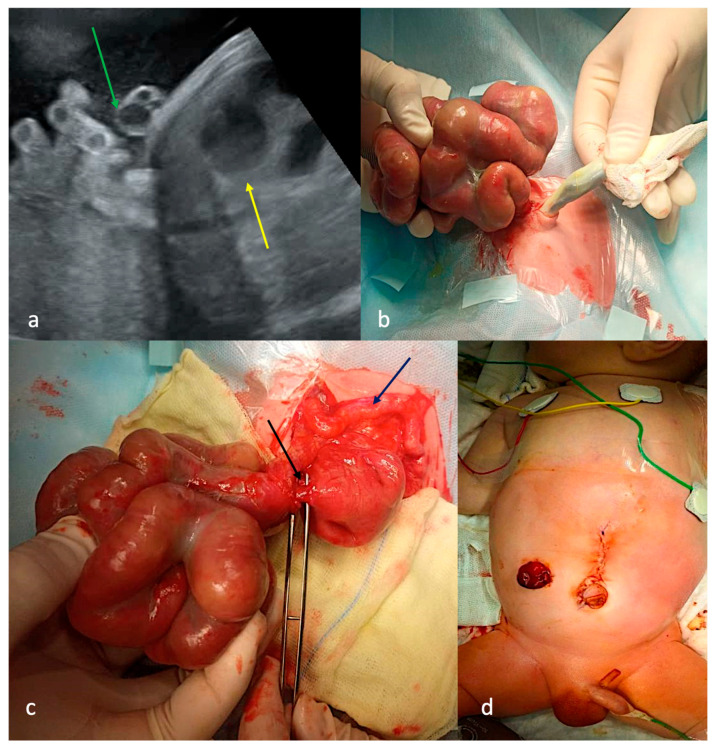 Figure 2
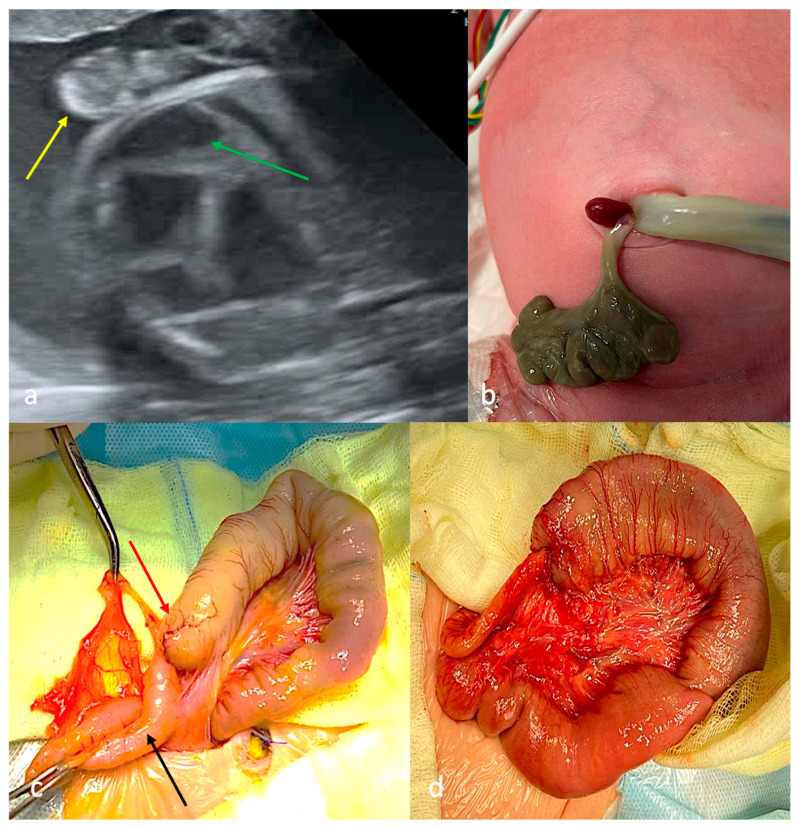 Figure 3
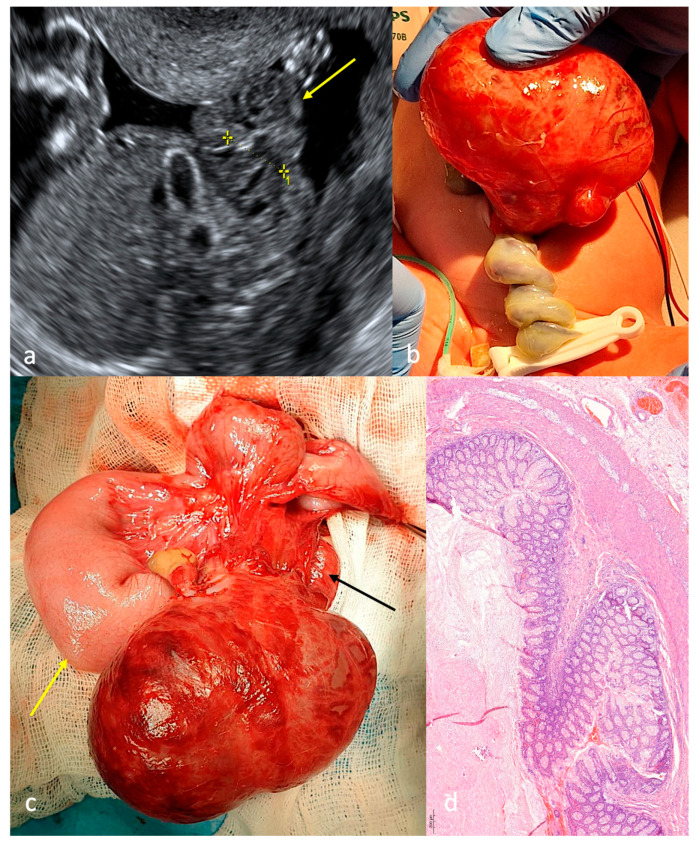 Figure 4
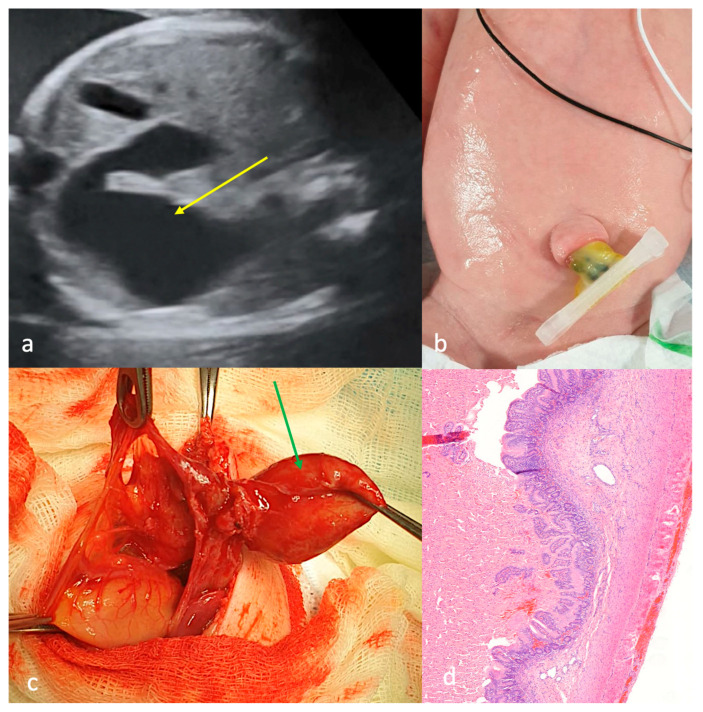 Figure 5
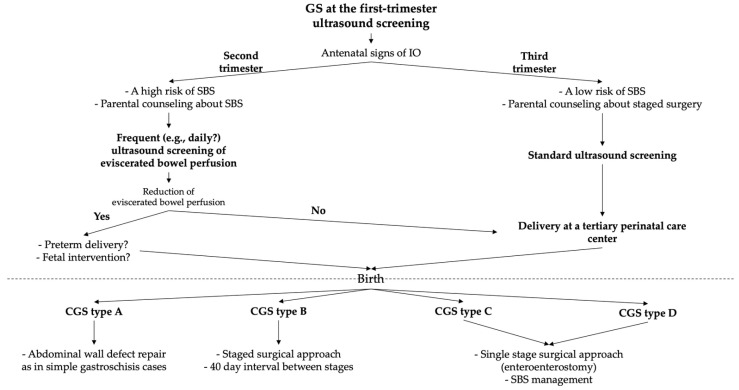 Figure 6
Peer Reviews
No public reviews on file for this paper yet. If you reviewed it on a platform where reviews are public (OpenReview, ICLR, NeurIPS, ICML), you can paste yours below so the community can read it here.
Videos
No videos yet. Explain this paper in a talk, walkthrough, or lecture? Add one.
Taxonomy
TopicsCongenital Anomalies and Fetal Surgery · Urological Disorders and Treatments · Clinical Nutrition and Gastroenterology