Pan-Cancer Targeted Sequencing Reveals Genomic Heterogeneity and Prognostic Subgroups in Urothelial Bladder Cancer
Dimitar Ugrinovski, Skender Saidi, Viktor Stankov, Martina Ambardjieva, Slavica Josifovska, Anne-Katrin Koehler, Joerg Gabert, Sasho Panov

TL;DR
This study used broad genomic sequencing to identify different molecular subgroups and prognostic markers in bladder cancer patients.
Contribution
The study demonstrates that pan-cancer sequencing reveals new prognostic markers and molecular subgroups in urothelial bladder cancer.
Findings
TP53 mutations are linked to worse survival, while STAG2 mutations are associated with better outcomes.
FGFR3 mutations are common in non-muscle-invasive tumors but have limited independent prognostic value.
Pan-cancer sequencing uncovers additional actionable alterations like BRCA1 and ALK mutations.
Abstract
Bladder cancer shows substantial biological heterogeneity, and patients with similar clinical stages may experience markedly different outcomes. In this study, we analyzed tumor samples from 100 patients with urothelial bladder cancer using a broad targeted sequencing panel designed for pan-cancer testing. We confirmed that TP53 mutations were associated with worse overall survival, whereas STAG2 mutations were linked to a favorable prognosis. FGFR3 mutations were frequent and more common in non–muscle-invasive tumors, although their prognostic impact was weaker after accounting for other clinical factors. Analysis of combined mutation patterns further highlighted distinct molecular subgroups. In addition to common bladder cancer drivers, we detected recurrent alterations in genes, such as ERBB2 and ATM, which may have clinical relevance. In summary, our findings support the value of…
Genes, proteins, chemicals, diseases, species, mutations and cell lines named across the full text — each resolved to its canonical identifier and authoritative record.
Click any figure to enlarge with its caption.
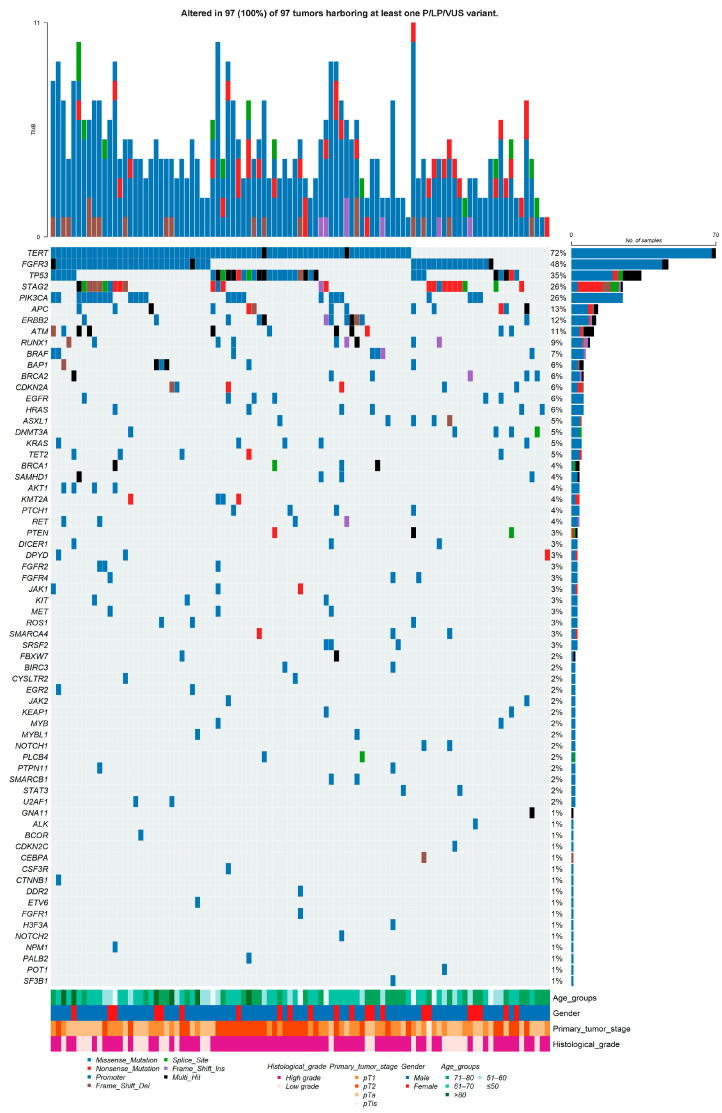 Figure 1
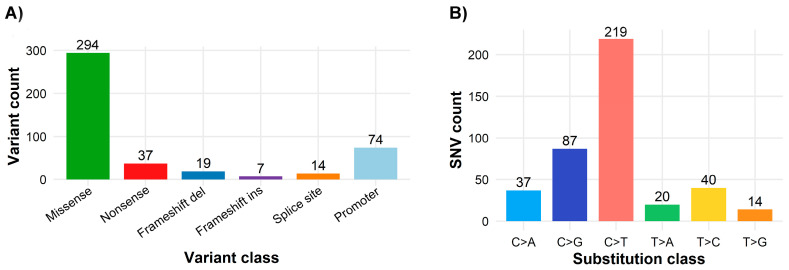 Figure 2
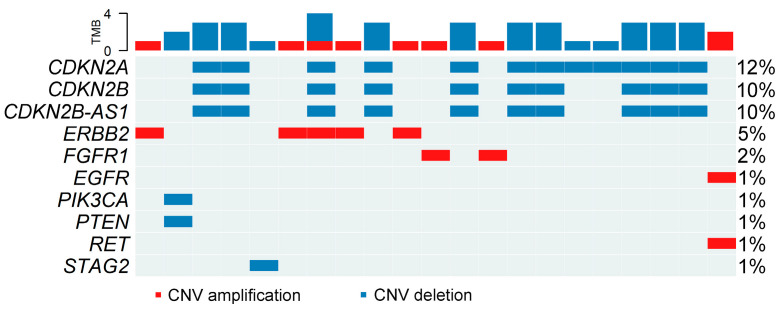 Figure 3
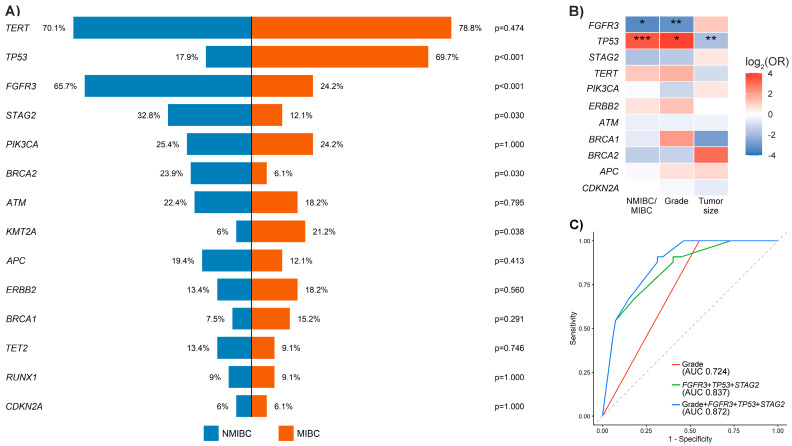 Figure 4
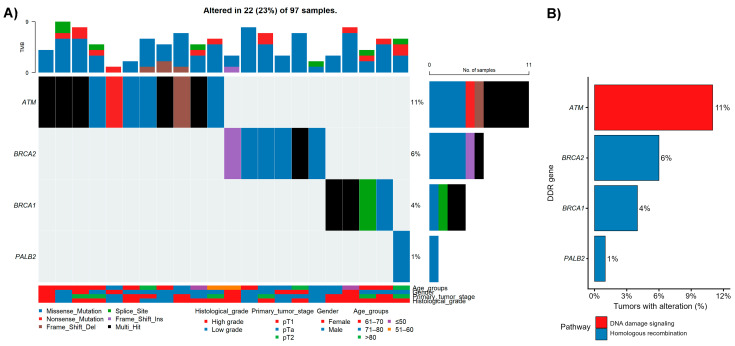 Figure 5
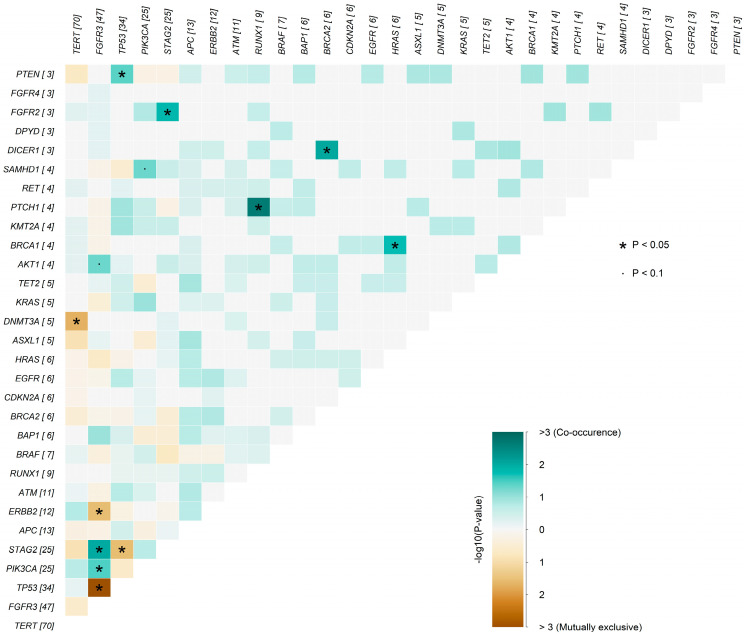 Figure 6
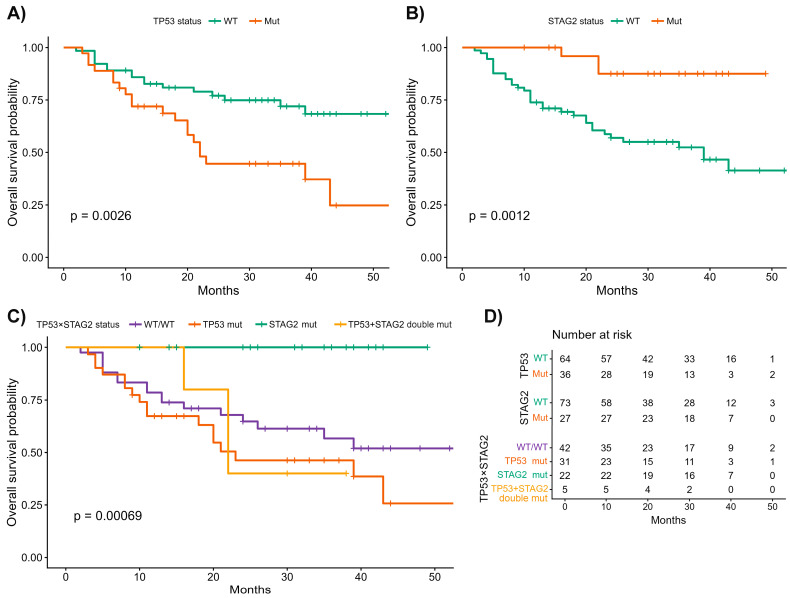 Figure 7
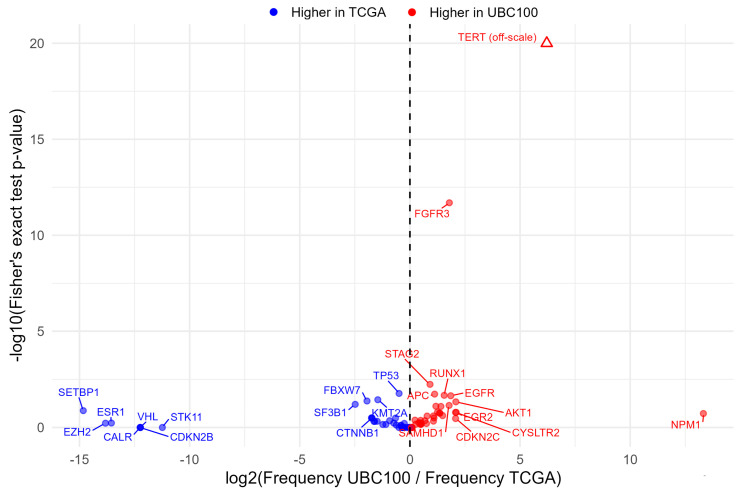 Figure 8
Peer Reviews
No public reviews on file for this paper yet. If you reviewed it on a platform where reviews are public (OpenReview, ICLR, NeurIPS, ICML), you can paste yours below so the community can read it here.
Videos
No videos yet. Explain this paper in a talk, walkthrough, or lecture? Add one.
Taxonomy
TopicsBladder and Urothelial Cancer Treatments · Fibroblast Growth Factor Research · Urinary and Genital Oncology Studies